Constantijn Netscher portretas

Ensičiausios Constantijn Netscher tapybos darbai: visi 27, pagal rangą

Atnaujinta lapkritis 2026 · pagal mūsų populiarumumo koeficientą (paieškos, lankytojai ir užsakymai kiekvienam kūriniui) · 28 Constantijn Netscher darbai mūsų kataloge

Trumpai tariant

Labiausiai žinomas Constantijn Netscher paveikslas yra Portrait of a Scholar (1689), jį galite pamatyti muzejuje Ermitažas, miestame Šv. Peterburgas. Immediately po tai seka Portrait of Anna Maria Roman (1680-1758) (1710) ir Portrait of a Young Man at the Age of Twenty-Eight (1657). Iš 28 Constantijn Netscher darbų mūsų kataloge šie 27 yra žymiausi. Kaskas iš jų aprašytas nurodant metus, muziejų bei trumpą pastabą apie tai, kas daro šį kūrinį išskirtiniu.

1668 – 1723, The Hague Baroque Daugiausia darbų: Amsterdam Museum

Constantijn Netscher geriausiųjų 10: darbai, kuriuos žino visi

1
Portrait of a Scholar (1689) aut. Constantijn Netscher

Portrait of a Scholar

1689 · Oil · Ermitažas, Šv. Peterburgas

A young man is positioned in a three-quarter view against a dark, atmospheric background. He is the central focus of the composition, emerging from deep shadows that provide a sense of spatial depth. The subject wears a garment of light blue, accented by a crisp white lace cravat and matching cuffs. His dark hair is rendered in voluminous curls. To the left, a table holds several objects, including a candle…

Ranku tapyta aliejaus reprodukcija nuo $183 28 × 36 cm Pusė kaip originalo $213 40 × 49 cm Užsakyti originalų dydį →
Užsisakyti šį kūrinį Daugiau apie šį kūrinį
2
Portrait of Anna Maria Roman (1680-1758) (1710) aut. Constantijn Netscher

Portrait of Anna Maria Roman (1680-1758)

1710 · Oil On Canvas · Mauritshuis, Haga

The portrait depicts Anna Maria Roman in a three-quarter length pose, positioned against a dark, atmospheric landscape of trees and distant hills. She is seated with a refined posture, her gaze directed toward the viewer. The subject wears a voluminous red drapery that falls in heavy, fluid folds, contrasting with the crisp white of her chemise. Her hair is styled in delicate, powdered curls. Light is concentrated on her face…

Ranku tapyta aliejaus reprodukcija nuo $183 28 × 35 cm Pusė kaip originalo $237 46 × 58 cm Užsakyti originalų dydį →
Gaukite rankų darbo Perskaitykite istoriją
3
Portrait of a Young Man at the Age of Twenty-Eight (1657) aut. Constantijn Netscher

Portrait of a Young Man at the Age of Twenty-Eight

1657 · Oil On Panel

A formal, three-quarter length portrait captures a young man in a moment of composed dignity. He is positioned within a dark, oval-shaped vignette that creates a sense of depth against a rectangular background. The composition centers the subject, drawing the eye immediately to the pale skin of his face and the crisp white lace of his collar and cuffs. This dramatic chiaroscuro effect allows the figure to emerge from a…

Ranku tapyta aliejaus reprodukcija nuo $183 29 × 35 cm
Gaukite rankų darbo Perskaitykite istoriją
4
Portrait of a Prince (1695) aut. Constantijn Netscher

Portrait of a Prince

In Constantijn Netscher's "Portrait of a Prince," a young man occupies the center of the frame in a three-quarter length pose. He turns his body slightly toward the viewer's left, his gaze meeting the space just beyond the observer. His long, voluminous, curly hair frames a face caught in a moment of quiet stillness. In his right hand, he grips a commander's baton, a heavy staff that signals his rank…

Ranku tapyta aliejaus reprodukcija nuo $183 29 × 34 cm Pusė kaip originalo $228 45 × 53 cm Užsakyti originalų dydį →
Užsisakykite šį kūrinį Sužinokite daugiau
5
Portrait of a Young Man (1695) aut. Constantijn Netscher

Portrait of a Young Man

In "Portrait of a Young Man" by Constantijn Netscher, a single figure occupies the frame. This close-up bust-length portrait is presented within an oval format, a shape that focuses the gaze inward. The man is positioned slightly off-center, his body angled while his eyes look toward the right of the frame. This subtle shift in direction creates a sense of quiet movement within a still moment. The composition adheres to…

Ranku tapyta aliejaus reprodukcija nuo $183 27 × 37 cm
Užsisakyti šį kūrinį Daugiau apie šį kūrinį
6
Jacob Jan de Backer (1667-1718) (1694) aut. Constantijn Netscher

Jacob Jan de Backer (1667-1718)

1694 · Oil On Canvas · Amsterdam Museum, Amsterdamas

A young man sits suspended in an oval frame, caught in a moment of quiet stillness. He wears a voluminous, light-brown powdered wig that catches the light, framing a face set against a dark, indistinct background. A reddish-orange mantle drapes heavily over his shoulder, its lining a cool, pale blue that cuts through the warmth of the composition. His right hand rests near his waist, the fingers rendered with a…

Ranku tapyta aliejaus reprodukcija nuo $183 29 × 34 cm Pusė kaip originalo $222 42 × 52 cm Užsakyti originalų dydį →
Užsisakykite šį kūrinį Sužinokite daugiau
7
Agatha Bicker (1671-1706) (1694) aut. Constantijn Netscher

Agatha Bicker (1671-1706)

1694 · Oil On Canvas · Amsterdam Museum, Amsterdamas

Agatha Bicker emerges from a dark, atmospheric void, her presence defined by the sharp interplay of light and shadow. She is captured from the waist up in a three-quarter view, her gaze steady and poised. A voluminous cascade of red and white fabric drapes around her arms, catching the light to reveal the heavy sheen of the material. Beneath this, a deep blue satin skirt provides a foundation of saturated…

Ranku tapyta aliejaus reprodukcija nuo $183 29 × 34 cm Pusė kaip originalo $222 42 × 52 cm Užsakyti originalų dydį →
Užsisakyti šį kūrinį Daugiau apie šį kūrinį
8
Venus Weeping for Adonis Transformed into an Anemone (1700) aut. Constantijn Netscher

Venus Weeping for Adonis Transformed into an Anemone

1700 · Oil

In Venus Weeping for Adonis Transformed into an Anemone, Constantijn Netscher captures a moment of profound mythological grief. Painted about 1700, the work centers on the goddess Venus as she mourns the loss of her lover, Adonis. The narrative follows the tragic end of the youth, who was gored by a wild boar while out hunting. This violent encounter serves as the catalyst for the transformation that gives the work…

Ranku tapyta aliejaus reprodukcija nuo $183 28 × 35 cm Pusė kaip originalo $195 33 × 41 cm Užsakyti originalų dydį →
Užsisakyti šį kūrinį Daugiau apie šį kūrinį
9
Two Children of Francesco Lopez Suasso (1709) aut. Constantijn Netscher

Two Children of Francesco Lopez Suasso

1709 · Oil On Canvas · Amsterdamo istorijos muziejus, Amsterdamas

The air feels heavy with the scent of damp earth and blooming flora as two young girls pause within a lush, classical garden. Sunlight filters through a thick canopy of leaves, casting a soft, natural glow upon their faces and the delicate petals of the flowers they hold. One girl stands slightly forward, her presence commanding a quiet grace, while her companion sits beside her, creating a balanced, intimate composition.…

Ranku tapyta aliejaus reprodukcija nuo $208 28 × 35 cm
Užsisakykite šį kūrinį Sužinokite daugiau
10
Two Children of Francesco Lopes Suasso (1709) aut. Constantijn Netscher

Two Children of Francesco Lopes Suasso

1709 · Oil · Amsterdamo istorijos muziejus, Amsterdamas

In this 1709 portrait, we find ourselves in the quiet, shadowed intimacy of an 18th-century interior. Two young children, the offspring of Francesco Lopes Suasso, are positioned centrally, their presence commanding a sense of stillness and permanence. The composition is balanced, drawing the eye toward the luminous textures of their garments against a dark, architectural backdrop. One child holds a small, colorful bird, while the other clutches a doll, these…

Ranku tapyta aliejaus reprodukcija nuo $208 28 × 35 cm
Užsisakykite šį kūrinį Sužinokite daugiau

Toliausiai ieškokite: Constantijn Netscher: 11 iki 27

11A Young Turk (1703) aut. Constantijn NetscherA Young Turk1703 · Statens Museum For Kunst Gaukite rankų darbo nuo $183 →
12Double portrait of two daughters of Francisco Lopes Suasso (1709) aut. Constantijn NetscherDouble portrait of two daughters of Francisco Lopes Suasso1709 · Amsterdam Museum Užsisakykite šį kūrinį nuo $208 →
13Francisco Lopez Suasso (1703) aut. Constantijn NetscherFrancisco Lopez Suasso1703 · Amsterdam Museum Gaukite rankų darbo nuo $183 →
14Portrait of a Young Girl Holding a Cat (1711) aut. Constantijn NetscherPortrait of a Young Girl Holding a Cat1711 · Museum of Fine Arts Užsisakyti šį kūrinį nuo $183 →
15Portrait of a Man (1715) aut. Constantijn NetscherPortrait of a Man1715 · Mauritshuis Užsisakyti šį kūrinį nuo $183 →
16Portrait Of Johann Schenck ) (1660) aut. Constantijn NetscherPortrait Of Johann Schenck )1660 Gaukite rankų darbo nuo $183 →
17Portrait of a Mother and her Child (1710) aut. Constantijn NetscherPortrait of a Mother and her Child1710 Gaukite rankų darbo nuo $183 →
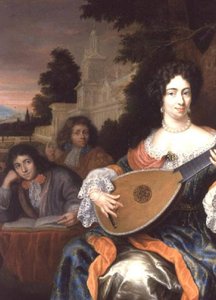
18A Woman Playing A Lute, With Her Two Sons Behind Her aut. Constantijn NetscherA Woman Playing A Lute, With Her Two Sons Behind Her Užsisakykite šį kūrinį nuo $233 →
19Portrait Of The Children Of Francisco Lopez-suasso aut. Constantijn NetscherPortrait Of The Children Of Francisco Lopez-suassoAmsterdamo istorijos muziejus Gaukite rankų darbo nuo $308 →
20Portrait of a General aut. Constantijn NetscherPortrait of a GeneralWestfälisches Landesmuseum Užsisakyti šį kūrinį nuo $183 →
21Portrait Of A Commander In Armour aut. Constantijn NetscherPortrait Of A Commander In Armour Užsisakykite šį kūrinį nuo $183 →
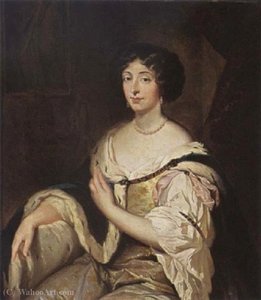
22Portrait of Marie Mancini, niece of Mazarin and first love of Louis XIV of France aut. Constantijn NetscherPortrait of Marie Mancini, niece of Mazarin and first love of Louis XIV of FranceMead Art Museum Užsisakyti šį kūrinį nuo $183 →
23A Portrait of a lady with a Lapdog Seated on a Plinth aut. Constantijn NetscherA Portrait of a lady with a Lapdog Seated on a Plinth Gaukite rankų darbo nuo $183 →
24Portrait of the Princess Palatine aut. Constantijn NetscherPortrait of the Princess Palatine Užsisakykite šį kūrinį nuo $183 →
25Portrait of King William III of England aut. Constantijn NetscherPortrait of King William III of England Užsisakyti šį kūrinį nuo $183 →
26Portrait of a boy, said to be son of maximilian emanuel (joseph-ferdinand), elector of bavaria and portrait of a girl aut. Constantijn NetscherPortrait of a boy, said to be son of maximilian emanuel (joseph-ferdinand), elector of bavaria and portrait of a girl Užsisakyti šį kūrinį nuo $183 →
27The Suicide of Queen Dido aut. Constantijn NetscherThe Suicide of Queen Dido Užsisakyti šį kūrinį nuo $183 →

Daugiausiai paveikęs Constantijn Netscher

Keturios dažniausiai pasitaikančios šių kūrinių temos, kiekviena su savo žymiausiu pavyzdžiu.

Kur galite pamatyti Constantijn Netscher paveikslus

8 muziejai, kuriuose saugoma daugiausia šioje pusėje esamų paveikslų.

Muzejaus Miestas Constantijn Netscher darbai Šiojo sąrašo paveikslai
Amsterdam Museum, AmsterdamasAmsterdam Museum Amsterdamas 4 Jacob Jan de Backer (1667-1718), Agatha Bicker (1671-1706), Double portrait of two daughters of Francisco Lopes Suasso
Amsterdamo istorijos muziejus, AmsterdamasAmsterdamo istorijos muziejus Amsterdamas 3 Two Children of Francesco Lopez Suasso, Two Children of Francesco Lopes Suasso, Portrait Of The Children Of Francisco Lopez-suasso
Mauritshuis, HagaMauritshuis Haga 2 Portrait of Anna Maria Roman (1680-1758), Portrait of a Man
Bavarijos valstybinės paveikslų kolekcijos, MiunchasBavarijos valstybinės paveikslų kolekcijos Miunchas 2 Portrait of a Prince, Portrait of a Young Man
Ermitažas, Šv. PeterburgasErmitažas Šv. Peterburgas 1 Portrait of a Scholar
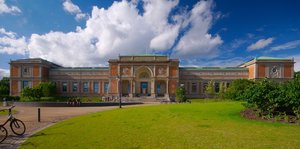
Statens Museum For Kunst, KopenhagaStatens Museum For Kunst Kopenhaga 1 A Young Turk
Museum of Fine Arts, BostonasMuseum of Fine Arts Bostonas 1 Portrait of a Young Girl Holding a Cat
Westfälisches Landesmuseum, MūnsterasWestfälisches Landesmuseum Mūnsteras 1 Portrait of a General

Vienas garsus Constantijn Netscher kūrinys kiekvienam dešimtmetmečiui

Darbai pagal dešimtmečius

Pasirinkite dešimtmetį, kad pamatytumėte jo išskirtinį kūrinį.

Constantijn Netscher paveikslai: ką žmonės nori sužinoti

Kuriu paveiksluku Constantijn Netscher yra labiausiai žinomas?Peržiūrėti atsakymą

Pirmoje vietoje yra Portrait of a Scholar (1689), Ermitažas, Šv. Peterburgas. Tuoj antras, Portrait of Anna Maria Roman (1680-1758) (1710), o trečias – Portrait of a Young Man at the Age of Twenty-Eight (1657).

Kiek metų buvo Constantijn Netscher, kai buvo sukurtas Portrait of a Scholar?Peržiūrėti atsakymą

21 mmet. Constantijn Netscher gimė 1668, o Portrait of a Scholar datuojama 1689 m.

Kurios 10 Constantijn Netscher paveikių yra garsiausių?Peržiūrėti atsakymą

Portrait of a Scholar, Portrait of Anna Maria Roman (1680-1758), Portrait of a Young Man at the Age of Twenty-Eight, Portrait of a Prince, Portrait of a Young Man, Jacob Jan de Backer (1667-1718), Agatha Bicker (1671-1706), Venus Weeping for Adonis Transformed into an Anemone, Two Children of Francesco Lopez Suasso ir Two Children of Francesco Lopes Suasso. Viršujei esančiame sąraše rasite kiekvieno kūrinio metus ir muziejų.

Kiek yra Constantijn Netscher darbų?Peržiūrėti atsakymą

Mūsų kataloge yra 28 Constantijn Netscher darbų, datuojamų nuo 1689 iki 1715.

Kuriuose muziejuose eksponuojami žymiausi Constantijn Netscher tapybos darbai?Peržiūrėti atsakymą

Daugumą jų rasite Amsterdam Museum (Amsterdamas), Amsterdamo istorijos muziejus (Amsterdamas) ir Mauritshuis (Haga). Viršuje pateiktame muziejų sąraše yra išsami informacija.

Kada buvo sukuriami garsiausi Constantijn Netscher kūriniai?Peržiūrėti atsakymą

1700s laikotarpyje – daugiau nei bet kada kitais: 6 iš 27 šioje pusėje esamų darbų date iš to laiko, iš jų Venus Weeping for Adonis Transformed into an Anemone.

Kokie yra seniausi ir naujausi garsūs Constantijn Netscher paveikslai?Peržiūrėti atsakymą

Seniausias čia esantis kūrinys yra Portrait of a Scholar (1689), o naujausias – Portrait of a Man (1715).

Ką dažniausiai tapė Constantijn Netscher?Peržiūrėti atsakymą

Man (8), Lace (5) ir Dark background (5) iš 27 darbų šiame puslapyje.

Kuo paprastai dirbo Constantijn Netscher?Peržiūrėti atsakymą

Oil On Canvas, naudojamas 11 iš 27 šioje pusėje esančių darbų.

Su kokiu meno kieru siejama Constantijn Netscher?Peržiūrėti atsakymą

Baroque, kaip matote šioje puslapio kolekcijoje.

Ką galite pamatyti Constantijn Netscher darbuose Amsterdam Museum?Peržiūrėti atsakymą

Šioje pusėje laikinėje Amsterdam Museum, Amsterdamas galima pamatyti 4 kūrinių, įskaitant Jacob Jan de Backer (1667-1718), Agatha Bicker (1671-1706) ir Double portrait of two daughters of Francisco Lopes Suasso.

Ar galiu užsisakyti Constantijn Netscher reprodukciją į savo namus?Peržiūrėti atsakymą

Taip. Kiekvienas šioje pusėje esantis paveikslas galėto būti užsakytas kaip ranku dažytas aliejus reprodukcija arba spausdinys jums patinkaniu dydžiu. Norėdami užsakyti, tiesiog atidarykite paveikslą.

Susipažinkite su Constantijn Netscher

A Legacy of Light and Line: The Life of Constantin Netscher

In the grand tapestry of the Dutch Golden Age, few threads shine with as much meticulous brilliance as those woven by Constantin Netscher. Born in 1668 in The Hague, Netscher was a child of artistic royalty, emerging from a lineage defined by the mastery of light and texture. As the son of the renowned Caspar Netscher, his very existence was steeped in the traditions of the Dutch Baroque. His early years were not merely spent observing the world, but learning to translate its most delicate nuances onto canvas under the watchful eyes of his father and his elder brother, Anthonie Netscher. This foundational training instilled in him a profound respect for anatomical precision and an almost scientific devotion to the rendering of surfaces—from the shimmering sheen of silk to the soft warmth of human skin.

Netscher’s journey was one of continuous refinement, moving beyond the mere imitation of his predecessors to forge a signature style that balanced psychological depth with material splendor. While many of his contemporaries sought to capture the broad strokes of emotion, Netscher found power in the subtle. He possessed an uncanny ability to manipulate chiaroscuro, using dramatic contrasts between light and shadow to sculpt figures out of the darkness. This technique did more than just provide dimension; it breathed life into his subjects, allowing a viewer to sense the quiet breath of a sitter or the heavy stillness of a room. His work often transcended simple portraiture, venturing into historical allegories and Italianate landscapes that showcased a versatile command over diverse genres.

Mastery of the Human Form and Texture

To gaze upon a Netscher masterpiece is to enter a world where every detail is an invitation to linger. He was a painter who understood that true realism lies in the details that often go unnoticed by the casual observer. His commitment to anatomical accuracy allowed him to capture the subtle tension of a muscle or the graceful curve of a neck with astonishing fidelity. Yet, it was his treatment of texture that truly set him apart. In works such as "A Woman Playing a Lute," one can almost feel the tactile richness of the fabrics draped around the subject, rendered with a precision that borders on the miraculous.

This technical virtuosity served a higher purpose: the conveyance of character. Netscher did not merely paint faces; he painted souls. Through his masterful use of light, he could highlight a flicker of melancholy in an eye or the serene confidence of a noblewoman. His portraits, such as the "Portrait of Marie Mancini" or his evocative depictions of aristocratic children, serve as windows into the social hierarchies and emotional landscapes of the 17th and 18th centuries. He sought to capture not just the physical likeness of his patrons, but their very essence, creating an immersive visual experience that remains captivating centuries later.

Influence and Enduring Significance

The impact of Constantin Netscher extended far beyond the borders of The Hague, leaving an indelible mark on the trajectory of European portraiture. As a teacher, he passed his rigorous standards and technical secrets to a new generation of artists, including Hendrick Doorschodt and Mattheus Verheyden, ensuring that his dedication to realism would endure. His ability to blend the meticulousness of the Dutch tradition with the burgeoning elegance of the Rococo period made him a bridge between two eras of artistic splendor.

Even as art movements shifted toward different ideals, Netscher’s reputation remained steadfast. He stands today not merely as a follower of his father’s footsteps, but as a titan in his own right—a master who could command the shadows to reveal the light. His legacy is found in every brushstroke that seeks to find beauty in precision and every portrait that dares to look deeply into the human condition. Through his work, we continue to witness the golden glow of a vanished age, preserved forever in the exquisite textures of his canvas.