


Vaizdas atitinka jūsų pasirinkimus: , .
Kolekcinio objekto aprašas
Explore the fragmented vision of humanity in Jacques Lipchitz's 1930 Cubist bronze sculpture, a masterful study of form and movement you can own.
 Skaityti daugiau
Autoriaus biografija
Atraskite Jacques Lipchitz „Sėdinti žmogus“ – svarbią 1917 m. kubistinę skulptūrą. Paaiškėkite jos geometrinę abstraktaciją ir grubą tekstūrą šiame unikaliame akmens šedevre.
Šis kūrinys yra saugomas autorinės teisės
Šiame puslapyje rodomas meno kūrinys yra saugomas autorių teisių įstatymais, todėl neturime teisės legaliai kurti ar parduoti jo identiškos reprodukcijos. Ši apsauga užtikrinama remiantis tokiais tarptautiniais susitarimais kaip Bernės konvencija ir pagal nacionalines įstatymų nuostatas, įskaitant tas, kurias nurodo JAV autoriškos teisės įstatymas – 17-asis skyrius.
Kaip pagarbią ir teisėtą alternatyvą, mes siūlome pagal užsakymą rankomis dažytus paveikslus, įkvėptus originalo. Mūsų įgudę ir profesionalūs menininkai kruopščiai tiria originalo stilių, nuotaiką ir meninę esmę, kad sukurtų naują, unikalią kūrinį, kuris sukelia tą paties jausmą – išlikdamas tuo tarciau originaliu, savarankišku kūrybiniu darbu.
Šis metodas visiškai atitinka autorių teises, nes jame nėra saugomo kūrinio kopijavimo ar dubliavimo. Tai yra kūrybinė reinterpretacija – naujas paveikslas, kurį įkvėpė originalas, tačiau kuris nėra jo identiškas.
Order your in four simple steps
Neskubėkite. Galite pakeisti bet kurį atsakymą; kaina jūsų užsakymo kortelėje keičiasi po kiekvieno pasirinkimo.
1 Pirmas iš keturių žymių
Kokio dydžio norėtumėte?
Šie dydžiai išlaiko originalaus paveikslėlio proporcijas. Piešinyje matomas jūsų pasirinkimas ant sienos, virš dvimetrinio sofos.
Arba nurodykite savo matmenis
Pasirinkite iš mūsų nustatytų dydžių, atitinkančių originalaus meno kūrinio proporcijas.

Įveskite jums reikiamą plotį ir aukštį, kad paveikslas atitiktų jūsų rėmą ar sieną. Kadangi šis darbas yra rankinio darbo, siekiant išgauti kitokios formos dydį, paveikslas gali būti šiek tiek didesnis (nuo kraštų bus palikta daugiau erdvės) arba mažesnis – pasirinkite jums patogiausią variantą. Prieš pradedant tapyti, atsiųsime jums skaitmeninį maketą patvirtinimui. Šioje puslapio nuotraukoje matomas vaizdas nėra galutinis rezultatas – jį parodys tik sukurtas maketas.
2 Antras iš keturių žingsnių
Kaip turėtų būti paruoštas: surolluotas, įtemptas ar įdėtas į rėmą?
Žemiau pateiktos kainos galioja pasirinktam pirmame žingsnyje dydžiui.
Pasirinkite ištempto drobės kraštus
Pasirinkite rėmelį

Baltas apasutojimas €1

Išblėstantis šonas €1

Išplėstinis €1

P118B €10

P118H €10

P118W €10

P438Z €10

P508JH €12

P508YH €12

P805H €10

P805Z €10

P919BZ €10

P919G €10

P919XJ €10

P959ZH €10

P968JZ €12

W106C €8

W218G €10

W218JH €8

W218Y €10

W307PJ €10

W316G €10

W316PJ €8

W316Y €10

W398PJ €8

W4111J €10

W500HY €15

W500JH €15

W692G €12

W849H €8

W940BG €15

W953PJ €8

H24-GOLD €30

H24-SILVER €30

H36-GOLD €45

H36-SILVER €45
Įrėmintas
Rėmo apvadas: . Bendras dydis su rėmu: .
3 Trečias iš keturių žingsnių
Ar norėtumėte paveisale kažką pakeisti?
Dauguma žmonių atsako ne. Kadangi kiekvienas paveikslas yra sukuriamas rankomis, mūsų suregistis taip pat gali jį pritaikyti jums.
Gavus užsakymą, ArtsDot.com komanda susisieks su klientu el. paštu dėl nurodymų ir pateiks preliminarią maketą.
4 Ketvirtas iš keturių žymių
Keletas apdailos variantų
Visi jie yra neprivalomi. Jau pasirinkti atsakymai nieko papildomo nekainuoja.
Kas tai piešia?
Pristatymas visame pasaulyje () per 3–4 savaites, o ne įprastai – per 5 savaites. (17 lapkritis). Kokybė lieka nepakeičiama.
Pavadinimo plokštelė, kaip muziejuje?
Išgraviruotos bronzinės plokštelės detalės
This elegant plaque features the artist's name and the title of the artwork, finely engraved for a timeless presentation.
It is made from bronze with a refined, elegant finish. The text is precisely laser-engraved for a sharp and permanent result. Measuring 9x2 cm, the plaque is compact yet easy to read. It's built to be durable and scratch-resistant, offering a professional, museum-quality look. Mounting is simple thanks to the included adhesive backing.
Skaidrios akrilo plokštelės informacija
The plaque includes essential engraved details such as the artist's name, the title of the artwork, the date it was created, the type of media used-like oil on canvas or watercolor-a brief description of the piece, and a QR code that links to the complete artwork information.
It is crafted from clear acrylic, offering a sleek, modern appearance. The text is UV-engraved in black to ensure strong visual contrast. With a size of 10x15 cm, it ensures optimal readability. It comes equipped with two metal hooks for secure wall mounting. The plaque is designed to be weather-resistant, making it suitable for various environments, and it includes interactive features that work seamlessly with smartphone scanning.
Juodos akrilo plokštelės informacija
This elegant plaque includes engraved information such as the artist's name, the title of the artwork, the date it was created, the type of media used (like oil on canvas or watercolor), a short description of the artwork, and a QR code for quick access to more information.
The plaque itself is made from refined black acrylic with a premium finish. The text is laser-engraved in white for high contrast and readability. Its size is 10x15 cm, designed to be easy to read. It comes with two metal hooks for professional mounting. The design is sleek and fits any interior style. It is also weather-resistant and durable, with built-in digital integration for mobile compatibility.
Apsauginis lakas?
Kada jums reikia?
✓ Patikrinti ir užsakyti
Jūsų paveikslas, tiksliai taip, kaip užsakėte

Figure
Reprodukcijos technika
Reprodukcijos matmenys
-

Aukščiausios klasės meistras
Daugiau detalių, meistriškumo ir papildomo gamybos laiko
-

Reprodukcijos rėmėjimo parinktys
-
-
Dėl meno kūrinių ar reprodukcijų, kurių bet kuri pusė yra didesnė nei 105 cm (apie 41 inch), rėmas bus siunčiamas kaip išskaidytas surinkimo rinkinys. Šis metodas užtikrina saugų pristatymą ir apsaugo nuo transportavimo metu galimos žalos.
Reikalingas profesionalus surinkimas – tai nėra „pasidaryk pats“ (DIY) produktas.
Rinkinys turi būti surinktas, o drobė išplėsta naudojant patyrį profesionalų rėmininką, medžio klijus (nėra įtraukti į rinkinį), drobės plėšimo kleslę bei presas, kad rėmo rėžiai išliktų tiesūs, kol klijai išdžiūvus. Netinkamas surinkimas arba netolydus drobės įtampa gali negrįžtamai sugadinti meno kūrinį, todėl šie atvejai nėra užtraukiami mūsų garantijos.
 Dėl meno kūrinių ar reprodukcijų, kurių bet kuri pusė yra didesnė nei 105 cm (apie 41 inch), rėmas bus siunčiamas kaip išskaidytas surinkimo rinkinys. Šis metodas užtikrina saugų pristatymą ir apsaugo nuo transportavimo metu galimos žalos.
Į komplektą įeina visi vientisos medienos elementai, tiksliai išpjauti pagal dydį.
Surmontinama naudojant pridėtus varžtus bei papildomai reikalingą medžio kliją kampų jungtims, kuris nėra pridėtas ir turi būti parinktas rėmininkui.
Reikalingi profesionalūs įrankiai, kurie nėra įtraukti į rinkinį: drobės kėlimo plytelės (stiprintuvai) ir klemiai, laikantys rėmo strygius tiesiu kampu, kol džiūsta lipas.
Svarbu:
Kampų jungtims reikalingi medžio klijai, barams reikia laikyti naudojant presas, kol klijai visiškai išdžiūvės, o surinktam rėmui įtempiamai privilgti būtinos drobės įtempimo plytযুক্ত. Šios priemonės į rinkinį neįtrauktos. Prieš užsakydami šio dydžio rinkinį, rekomenduojame pasimalkoti patyrusiu rėmų meistru.

Pavadinimo lentelė
-
-

Apsauginis lakas
Blizgus lakas (ryškina spalvas, saugo nuo šviesos ir drėgmės)
-

Personalizuoti kūrinį
Ką galima pakeisti (pavyzdžiui): pakeisti veidą klientui skirta nuotrauka; pridėti augintinį (pvz., katę pakeisti šuniu); įtraukti paslėptą žinutę fone; pakeisti fono kraštovaizdį ar elementus.
-

Skubiai
Pristatymas visame pasaulyje () per 3–4 savaites, o ne įprastai – per 5 savaites. (17 lapkritis). Kokybė lieka nepakeičiama.
-
Skubus pristatymas
Pristatymas visame pasaulyje () per 5 weeks. (24 lapkritis).
Įskaičiuota
Bendroji kaina
€ 234
Stiklo variantas prieinamas tik pasirinkus dydį iki 110 cm
Pridedama prie kiekvieno užsakymo
- Nemokamas greitasis pristatymas visame pasaulyje
- Aukštos kokybės lininis drobė
- Pilnas siuntimo draudimas
- Muitinės mokesčių grąžinimo garantija
- Tikro spalvų atitikimo garantija
- 100 dienų grąžinimo politika (tik esant įtaigoms)
- 100% pinigų grąžinimo garantija
- Nuolaida dideliems užsakymams


A Fragmented Vision of Humanity
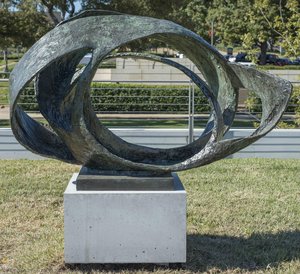
Jacques Lipchitz's "Figure," sculpted in 1930, stands as a profound testament to the transformative power of Cubism and its enduring fascination with exploring the fundamental concepts of form and perception. This bronze masterpiece transcends mere representation; it invites a deep, meditative contemplation on the very essence of human existence through a deliberately abstracted aesthetic. In an era defined by rapid societal shifts, Lipchitz utilized a fragmented language to capture the complexity of the modern soul. The sculpture presents a captivating interplay of geometric precision and organic fluidity, where the human form is not merely depicted but reconstructed through a lens of intellectual rigor and emotional depth.
The composition is a masterclass in the Cubist approach, pioneered by luminaries such as Picasso and Braque. Rather than striving for a realistic or anatomical depiction, Lipchitz dismantles the human figure into interlocking planes, presenting multiple viewpoints simultaneously. The head is rendered with striking simplicity—two oval eyes positioned above a small, triangular nose—which disrupts traditional notions of facial harmony to create a sense of enigmatic presence. Below this stylized visage, undulating vertical forms intersect with curved openings, creating a rhythmic tension between movement and stillness. This structural complexity ensures that the viewer's eye is constantly traveling across the surface, discovering new contours and depths within the bronze.
The Alchemy of Bronze and Form
The materiality of the piece is essential to its enduring impact. The choice of bronze allows for an exquisite level of detail and a rich, tactile quality that stone or wood could not achieve. Through the intricate process of bronze casting, Lipchitz was able to capture subtle variations in surface texture, from the sharp, clean edges of his geometric planes to the softer, more rounded contours of the figure's limbs. The rough, uneven patina resulting from natural oxidation lends the sculpture an ancient, weathered character, suggesting a sense of permanence and historical weight. This textured surface catches the light in a way that emphasizes the sculpture's three-dimensionality, making it a dynamic object that changes appearance depending on the surrounding illumination.
For the discerning collector or interior designer, "Figure" offers an unparalleled opportunity to introduce a piece of art history into a contemporary space. The sculpture’s neutral, earthy tones and sophisticated silhouette allow it to integrate seamlessly into various high-end environments, from minimalist modern galleries to richly textured classical studies. It serves as a powerful focal point, commanding attention through its structural integrity and the quiet strength of its presence. Owning a high-quality reproduction of this work is not merely about acquiring an object; it is about bringing a piece of the avant-garde revolution into one's personal sanctuary, fostering an atmosphere of intellectual curiosity and timeless elegance.
Klausimai ir atsakymai
Kokia bendra "Figure" spalvų tonacija – šviesi ar tamsi?
Visapusiškai „Figure“ įtvirtinta kaip brilliant. Perceptinis ryškumas apibūdina, koks kūrinys atrodo šviesus ar tamsus.
Ar „Figure“ – Jakovas Lipchitzas spalvos yra ryškios ar blukusios?
„Figure“ – Jakovas Lipchitzas kūrinys pasižymi Muted nasyginimu.
Kokią emociją perteikia „Figure“ – Jakovas Lipchitzas?
Emocinis tonas, nurodytas kūriniui „Figure“ – Jakovas Lipchitzas, yra Reflective. Jis apibūdina jausmą, kurį išreiškia šis darbas.
Daugiau informacijos apie šį paveikslą
 Perjungti į spausdinamus版作品
 Pasidalinti
 Dalintis
 Išsamiau
 Vadovas

 Atsisiųsti
 Panašūs eksponatai
 Automatinė diorama
 问答
问答 Statistika
panašūs kūriniai




Jakovas Lipchitzas
1891 - 1973, Lietuva
Autoriaus biografija
Pokyčių skulptūra: Žakio Lipščio kelionė
Gimęs 1891 metais Lietuvos miestelyje Druskininku kaip Chaim Jacob Lipschitz, Žakio Lipščio meninis kelias buvo dramatiškai išformuotas per priverstinius migrymus ir inovacijas. Jo ankstyvasis gyvenimas, prisakytas litvako žydų šeimos, kurio tėvas dirbo kaip statybų rangovas, iš pradžių jį nukreipė link inžinerijos studijų. Tačiau augantis kūrybinis dvasia, puoselėjama motinos palaikymo, 1ng 1909 metais nukreipė jį į Paryžium – miestą, tada pulsuojantį menine revoliucija. Jis įsidėmėjo École des Beaux-Arts ir Académie Julian mokyklose, pasinerdamas į gyvybingas Montmartre ir Montparnasse bendruomenes. Būtent šiose ratuose jis užmezgė draugystę su tokiomis šviesos šalių luminjėmis kaip Juan Gris, Pablo Picasso ir Amedeo Modigliani – paskutinis garsiausia sugebėjo įamžinti Lipščį ir jo žmoną Bertę jautriame dvizebrailiame portretė. Šie ankstyvieji ryšiai buvo lemiami, laidėdami pagrindą Lipščio kubizmo priimimui, nors šis stilius buvo išskirtinai nuodermėtas jo paties jautrumo.Formos kristalizacija: Lipščis ir kubistinė skulptūra
Lipščis ne tiesiog išperkė paveikslą į tris dimensijas; jis skulptūruojavo kubizmą. Nors gavo gilią įtaką Picasso ir Braque sulaužytoms perspektyvoms, Lipščis savo darbuose iki maždaug 1ng 1915-16 metų išlaikė pastebimą figūratyvumo laipsnį. Jo skulptūros nebuvo visiškai abstrakčios; jos užsimino atpažintinomis formomis, įgijusiomis emocinio svorio jausmą. Tai evoliucionavo į tai, kas tapo žinoma kaip „Kristalinis kubizmas“ – stilius, pasižymintis skaidrumu ir plokščių naudojimu – bandymas vienoje formoje užfiksuoti daugybę taškų iš žiūros. Jis eksperimentavo su erdvės sulaužymu, kurdamas dinamiškas kompozicijas, kurios tarsi švytėjo vidine šviesa. Jo 1920 metų solo paroda Paryzuje, Léonce Rosenberg galerijoje „L'Effort Moderne“, užtvirtino jo poziciją kaip Paryžiaus mokyklos šiuolaikinės figūros ir pristatė šią unikalią skulptūrinę kalbą. Tokie darbai kaip „Arlekinas su klarinete“ yra šio laikotarpio pavyzdys, rodantis fragmentuotas formas, kurios vis tiek geba perteikti žaismingos energijos ir žmogaus buvimo pojūtį. Jis ne tik dekonstruojo formą; jis ją kūrė iš naujo pagal naują vizualią logiką.Tremtis ir atradimas: Naujas pasaulis, atnaujinta vizija
Artėjantis Antrojo pasaulinio karo šešėlis sukėlė gilią suplitimą Lipščio gyvenime. Kai nazistų režimas susiaurino kontrolę Prancūzijoje, o žydų persekucija intensyvėjo, jis buvo priverstas pabėgti iš savo priimtosios tėvynės. Su neįvertinjamu amerikiečio žurnalisto Varian Fry pagalba Marselyje, jis išgelbėtas pasiekė JAV, galiausiai įsikuręs Niujorke, o vėliau Hastings-on-did Hudson. Šis persikėlimas nebuvo tik geografinis posūkis; tai buvo lūžio taškas jo meninėje trajektorijoje. Nuolat tyrinėdamas kubistines principas, Lipščio darbai pradėjo įgyti naujų dimensijų, atspindėdami tremties traumą ir augantį susiejimą su egzistencinėmis temomis. Jis sukūrė monumentalias skulptūras, tokias kaip „Mūzų gimimas“ (1944-1950), palaikytą Jerome Wiesnerio atminties dėlei, kuri demonstravo jo meistriškumą bronzai ir gebėjimą per abstrakčias formas perteikti gilias emocijas.Vėlybiškos apmąstynės: Tikėjimas, palikimas ir Toskanijos rėžis
Vėlesniaisiais metais Lipščis patyrė gilėjanį ryšį su savo žydų tikėjimu, su nauja arogancija priimdamas religinę praktiką – netgi kasdien studijuodamas ir dėvėdamas tefillin, vadovaujantis Lubavitcher Rebe, Rabino Menachem Schneersono raginimu. Šis dvasinis pažadimas įdiegė į jo kūrybą naują prasmės sluoksnį. Jis dažnai grįžtavo į Europą, radamas ramybę ir įkvėpimą Italijos Pietrasantoj, kur užmezgė artimą draugystę su kolega skulptoriu Fiore de Henriquez. Jo autobiografija, parašyta bendradarbiaudamas su H. Harvard Arnason ir paskelbta 1972 metais kartu su paroda Metropolitan muziejuje, pasi offered jautri refleksiją apie jo gyvenimą ir meninę kelionę. Žakis Lipščis mirė Kaprio saloje, Italijoje, 1973 metais, tačiau jo kūnas buvo parveštas į Jeringbalimą laidotems – tai liudija apie jo gilią ryšį su savo paveldą. Jo toskanų viloja, Bozio, dabar tarnauja kaip žydų vasaros stovykla, užtikrindama, kad jo palikimas ir toliau įkvėptų būsimas kartas. Jis paliko ne tik išskirtinę skulptūrų kolekciją, bet ir galingą meninės atsparumo bei neįtikėtinai tvirtos žmogaus dvasios pavyzdį.Susiję straipsniai

The Radical Shift: Exploring the Core Tenets & Enduring Legacy of Modernism in Art
Explore the revolutionary world of Modernism! Discover key movements, masters like Malevich & Cézanne, and its lasting impact on art history. Expert insights for collectors.

Geometrinės Abstrakcijos Šedevrai: 10 Kūrinių, Pakeitusių Meną | ArtsDot.com
Atraskite 10 geometrinės abstrakcijos šedevrų – nuo Mondriano iki Malevičiaus! Sužinokite apie Piet Mondrian, Kazimir Malevič ir kitus menininkus. Meno kūriniai jūsų interjerui | ArtsDot.com

Deconstructing Reality: Cubism's Revolutionary Impact on 20th-Century Art
Explore the revolutionary world of Cubism with ArtsDot. Discover Picasso & Braque's groundbreaking techniques, its philosophical roots, and lasting impact on modern art. Expert insights for collectors.