
The Late Medieval names to know
99 Famous Late Medieval Artists You Should Know
If you remember one Late Medieval artist, make it 시모네 마르티니 (1284–1344), the name behind 성전에서 발견된 그리스도 and 마에스타 (천사들과 성인들과 함께한 성모 마리아). After that come 안드레이 루블료프, 암브로조 로렌체티, 피에트로 로렌체티 and 후베르트 반 에이크. Our 99 picks go from Yuan Dynasty (born 1271) to 후베르트 반 에이크 (born 1366), from 20 countries.
How we picked them. We list the artists our catalogue links to Late Medieval, from the most famous down. Artists born after 1955 that we cannot yet check on Wikidata are left out. The Wikipedia number shows in how many of our 32 languages Wikipedia writes about them.


Quick facts
Late Medieval in a nutshell
- 99Artists
- 1271–1366Years of birth
- 20Countries of birth
- 1Women
- 5Living artists
- 1,491Works in our catalogue
- Museums holding the most key works
- 메트로폴리탄 미술관 (20), 국립 미술관 (11), Gemäldegalerie (6), 예일 대학교 미술관 (4)
- The women of this list
- Mother Julian
Meet them one by one
The 99 famous Late Medieval artists, from most famous down


2of 99
안드레이 루블료프 1360–1430
러시아 From 모스크바 대공국 러시아 성상화(Icon Painting) On Wikipedia in 31 of 32 languages


6of 99
타데오 가디 1300–1366
이탈리아 From 피렌체 초기 르네상스 On Wikipedia in 23 of 32 languages
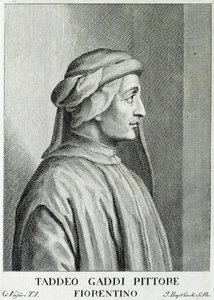
Taught Jacopo Del Casentino (Jacopo Landino) #52


11of 99
Altichiero 1330–1390
Italian From Zevio Gothic Art On Wikipedia in 20 of 32 languages

Altichiero da Zevio, born near the quiet town of Zevio in Verona around 1330, was not merely a chronicler of sacred events but a pioneer of the Venetian Gothic style. Here, around 1364, he embarked on an ambitious cycle depicting scenes from Josephus's Wars of the Jews. In the chapel of Saint James at the Basilica of Sant’Antonio, the duo breathed life into the hagiography of Saint James the Elder.


12of 99
스피넬로 아레티노 1350–1410
이탈리아 From 아레초 조토 학파와 시에나 학파의 가교 On Wikipedia in 16 of 32 languages

Learned from Jacopo Del Casentino (Jacopo Landino) #52 · Taught Lorenzo di Bicci #33


15of 99
Niccolò Di Tommaso 1346–1376
Italian From Florence Early Renaissance

Niccolò di Tommaso, a name resonating softly within the annals of fourteenth-century Italian painting, emerged in Florence around 1346. A pivotal collaboration with Nardo di Cione around 1370 proved transformative.


16of 99
예찬 1301–1374
중국 From 우시시 원나라 4대 화가 On Wikipedia in 15 of 32 languages

AllPaintingsStore에서 니찬의 더 많은 작품을 감상하세요: [https://AllPaintingsStore.com/@/ni-zan](https://AllPaintingsStore.com/@/ni-zan) 원대 4대 화가를 만나보세요: [https://AllPaintingsStore.com/@@/a@d3c5zh](https://AllPaintingsStore.com/@@/a@d3c5zh)


17of 99
Andrea Di Cione Di Arcangelo (Orcagna) 1308–1368
Italian From Florence Gothic-Late Gothic

Andrea di Cione, known to history by the evocative moniker Orcagna, stands as one of the most influential figures in Florentine art during the mid-14th century—a period marked by a fascinating confluence of Gothic and Late Gothic artistic traditions. Born around 1308 in the heart of Florence, he emerged from a family deeply rooted in the city's prestigious artisan culture.


18of 99
Orcagna 1315–1368
Italian From Florence Gothic-Late Gothic On Wikipedia in 20 of 32 languages

The name Orcagna—a moniker bestowed upon him by local artisans—encompasses a remarkable figure in the history of Italian art: Andrea di Cione, a painter, sculptor, architect, and master craftsman who dominated the artistic landscape of Florence during the latter half of the 14th century. Orcagna’s early life remains shrouded in some mystery, though it is believed he apprenticed under the renowned sculptor Andrea Pisano.


20of 99
Paolo Veneziano 1300–1365
Italian From Venice Early Renaissance painting On Wikipedia in 15 of 32 languages

To speak of the “Workshop of Paolo Uccello ” is to acknowledge not merely a single artist’s hand but a collaborative enterprise—a studio brimming with apprentices and assistants who carried forward his innovative vision long after his death in 1475.


21of 99
Barna Da Siena 1330–1380
Italian From Siena Gothic Art On Wikipedia in 14 of 32 languages

To traverse the hallowed halls of the Collegiata di San Gimignano is to encounter a ghost of the Trecento, an artist whose name, Barna da Siena, lingers in the air like incense in a medieval chapel. Known also as Berna di Siena, this figure remains one of the most tantalizing enigmas in the history of Italian art.


22of 99
Wang Meng 1308–1385
Chinese From Huzhou Yuan Dynasty Landscape Painting On Wikipedia in 14 of 32 languages

Born in Wuxing, Zhejiang province – now Huzhou – around 1308, Wang Meng stands as a pivotal figure within the artistic landscape of the Yuan Dynasty (1271-1368). His life was marked by both privilege and profound misfortune; he descended from Zhao Mengfu, a prominent Song Dynasty official and artist, inheriting a lineage steeped in cultural significance.


23of 99
Cresques Abraham 1325–1387
Spanish From Palma de Mallorca Nautical cartography

Name: Cresques Abraham (his given name was actually Cresques, Abraham being his father's name). Background: Cresques was born into a Jewish family in Majorca, then part of the Crown of Aragon.


24of 99
Nicolas Bataille 1330–1405
French Medieval Art, Religious Paintings

Yet, within this tradition flourished an artist of startling intensity and dramatic vision – Nicolas Bataille (c. 1330-1405). His tapestries, particularly the famed “Seven Seals” cycle now housed in the Saint-Nicolas du Chardonnet church in Paris, offer a window into a world grappling with anxieties about mortality, divine judgment, and the impending end times – a perspective rarely found in contemporary art.


25of 99
로렌초 베네치아노 1336–1379
이탈리아 From 베네치아 비잔틴 미술 On Wikipedia in 11 of 32 languages

Web Gallery of Art에 수록된 1336년 거장의 전기. 조토 | 전기, 회화, 아레나 채플, 라멘타치오네 및 관련 정보.


26of 99
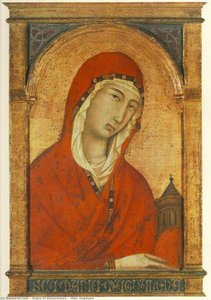
Segna Di Buonaventure 1298–1326
Italian Trecento

Born around 1298 in Siena, Italy, and tragically dying sometime before 1331, his life spanned a period of immense artistic ferment – the very dawn of the Renaissance – and he left behind a remarkably small but intensely significant body of work.


27of 99
Cennino Cennini 1360–1440
Italian From Colle di Val d'Elsa Late Gothic On Wikipedia in 18 of 32 languages

In the twilight of the Middle Ages and the dawn of the Italian Renaissance, few figures bridge the gap between the medieval workshop and the modern era as intimately as Cennino Cennini.


29of 99
Taddeo di Bartolo 1362–1422
Italian From Siena Early Renaissance On Wikipedia in 13 of 32 languages

In the golden twilight of the Trecento, as the medieval world began to stir toward the light of the Renaissance, Taddeo di Bartolo emerged as a transformative force within the Sienese School.


30of 99
Lippo Di Benivieni 1296–1327
Italian From Florence Early Quattrocento

Records indicate he apprenticed under Nerio di Binduccio around 1296, suggesting an established presence within Florence's artistic milieu by this pivotal moment – a contemporary of Giotto and deeply immersed in the stylistic currents shaping Sienese painting. The Arte dei Medici e Speziali recognized him as a member from 1312 to 1320, cementing his position as a respected craftsman amidst the city’s vibrant cultural landscape.
31of 99
Zhao Yuan born 1350
Chinese Landscape painting

Born in Yingcheng (modern-day Yingxian County, Shandong Province) sometime during the late Yuan dynasty (1368-1407), he lived through a period of immense upheaval and transition – the fall of the Mongol-led Yuan and the establishment of the Ming. His most significant debt is undoubtedly to Wang Meng (1308-1383), one of the last great masters of the Yuan dynasty.

32of 99
Andrea Di Bartolo 1360–1428
Italian From Siena Sienese School On Wikipedia in 12 of 32 languages

In the vibrant heart of the Sienese School, Andrea di Bartolo emerged as a master whose brush captured the profound spiritual intensity of his era. As the son and pupil of the prominent painter Bartolo di Fredi, Andrea’s artistic journey was deeply rooted in the traditions of his father's workshop.


33of 99
Lorenzo di Bicci 1350–1427
Italian Florentine School

Lorenzo di Bicci, born around 1350 in the heart of Florence, stands as a pivotal figure bridging the late Gothic traditions of his predecessors with the burgeoning naturalism that would define the early Renaissance.


34of 99
Melchior Broederlam 1355–1410
Belgian From Ypres Early Netherlandish Painting On Wikipedia in 15 of 32 languages

In the twilight of the fourteenth century, a transformative energy began to pulse through the workshops of Flanders, signaling the end of the medieval era and the slow, luminous birth of the Northern Renaissance.


36of 99
Gherardo Starnina 1354–1413
Italian From Florence Venetian Renaissance On Wikipedia in 12 of 32 languages

In the golden twilight of the Middle Ages, as the rigid structures of the Gothic era began to soften under the warmth of burgeoning humanism, there emerged a painter whose brush captured the very essence of spiritual devotion and intricate beauty.


37of 99
Jean Pucelle 1300–1334
French Early Gothic painting

Jean Pucelle remains one of the most captivating enigmas in the annals of medieval art, a figure whose name is whispered with reverence by those who study the delicate transition from the rigid structures of the Middle Ages to the burgeoning humanism of the Renaissance.


38of 99
안드레아 디 보나이우토 (안드레아 다 피렌체) 1343–1379
이탈리아 From 피렌체 토스카나 회화 On Wikipedia in 12 of 32 languages


39of 99
Guariento di Arpo 1310–1370
Italian From Piove di Sacco Early Renaissance; Venetian painting; Gothic art On Wikipedia in 12 of 32 languages

Guariento di Arpo (c. 1310–1370) stands as a monumental figure of the Trecento, acting as the essential bridge between the grounded, volumetric realism of Florence and the ethereal, ornamental splendor of the Venetian Gothic tradition. The foundations of Guariento’s genius were laid in the workshops of his contemporaries, where the shadows of masters like Giotto di Bondone and Giovanni Pisano loomed large.


40of 99
Giovanni Del Biondo 1356–1399
Italian From Pratovecchio Gothic & Early Renaissance On Wikipedia in 10 of 32 languages

The story of Giovanni del Biondo is one woven into the very fabric of 14th-century Florence, a period of profound transition where the rigid elegance of the Gothic tradition began to breathe with the nascent vitality of the Early Renaissance.


42of 99
Kokan Shiren 1278–1346
Japanese From Kyoto Rinzai Zen, Gozan Bungaku

He spent years immersed in Chinese culture, mastering calligraphy under the esteemed master Huang Shangu, absorbing the nuances of Song dynasty poetry, and engaging with the complex philosophies underpinning Zen Buddhism.

43of 99
Jacopo di Cione 1325–1399
Italian From Florence Gothic On Wikipedia in 7 of 32 languages

Born in Florence sometime between 1320 and 1330, he emerged from a family deeply rooted in artistic tradition—his three elder brothers, Andrea di Cione (Orcagna), Nardo di Cione, and Matteo di Cione—were themselves accomplished painters, establishing a lineage of creative excellence.


45of 99
Conrad von Soest 1360–1423
German From Dortmund International Gothic soft style On Wikipedia in 13 of 32 languages

Born around 1370, von Soest emerged not merely as a local painter but as the preeminent Westphalian master of his era. His presence in Dortmund placed him at the heart of a cosmopolitan social circle, where he moved among the patrician elite, securing the patronage necessary to sustain a thriving workshop that would influence Northern European painting well into the late 15th century.


46of 99
Tuthmosis 1340–1300
Egyptian From Amarna Amarna art style

Tuthmosis, a name synonymous with the golden age of ancient Egypt, was born in Amarna around 1340 BC – a pivotal period marked by radical artistic and religious upheaval. Akhenaten, abandoning the established pantheon of Egyptian gods, moved the capital from Thebes to Amarna – a newly constructed city dedicated solely to Aten. Perhaps Tuthmosis’s most celebrated achievement is undoubtedly the magnificent Bust of Queen Nefertiti, completed around 1340 BC.


47of 99
Giovanni da Milano 1325–1370
Italian From Valmorea Italian Gothic On Wikipedia in 13 of 32 languages

In the bustling streets of Florence, where the air was thick with the scent of fresh pigment and the echoes of a changing era, a painter named Giovanni di Jacopo di Guido da Caversaccio began to make his mark. Hailing from Lombardy, he arrived in Tuscany as a man seeking his fortune, appearing in the city's records as Johannes Jacobi de Commo.


48of 99
Master Bertram 1345–1415
German From Minden International Gothic On Wikipedia in 13 of 32 languages

Born in Minden, Germany, around 1345 and passing away in Hamburg circa 1415, Master Bertram remains a captivating figure within the history of European art. Often referred to as Meister Bertram or Master of Minden, he stands as a pivotal artist bridging the International Gothic style with the nascent trends of the early Renaissance in Northern Europe.


49of 99
Agostino Di Giovanni 1285–1347
Italian From Siena Gothic architecture/sculpture

Agostino di Siena, born around 1285 in the heart of Tuscany, emerged as a pivotal figure in the transition from late Gothic to early Renaissance sculpture.

50of 99
Ashikaga Yoshimitsu 1358–1408
From Kyoto

Ashikaga Yoshimitsu (September 25, 1358 – May 31, 1408) was the third shōgun of the Ashikaga shogunate, ruling Japan during the Muromachi period. Born in Kyoto as Haruō, he was the oldest surviving son of Ashikaga Yoshiakira. In 1379, Yoshimitsu initiated a significant reorganization of the gozan zen (Five Mountain Zen) establishment, solidifying its institutional framework.

51of 99
André Beauneveu 1335–1403
Netherlandish From Valenciennes Pucellian revival

In the twilight of the fourteenth century, a period defined by the transition from the rigid structures of the High Middle Ages to the burgeoning naturalism of the Early Netherlandish tradition, the name André Beauneveu emerges as a beacon of artistic innovation.


52of 99
Jacopo Del Casentino (Jacopo Landino) 1330–1380
Italian From Florence Renaissance

Often known to history through the mistaken identity of Jacopo Landino —a nomenclature born from the historical errors of Giorgio Vasari—this Florentine master navigated the delicate transition between the late Gothic tradition and the burgeoning sensibilities of the early Renaissance. The origins of his artistry are deeply rooted in the Florentine milieu, likely shaped by the influential circle surrounding the Master of St.


54of 99
Francesco Traini 1321–1365
Italian From Pisa Gothic Art On Wikipedia in 11 of 32 languages

Francesco Traini (c. 1321 – c. 1365) stands as a singular figure in the artistic landscape of Tuscany during the tumultuous fourteenth century, primarily recognized for his monumental frescoes adorning the Camposanto Monumentale in Pisa and Bologna—works that encapsulate the anxieties and spiritual fervor born from the Black Death.


55of 99
Vitale Da Bologna 1289–1359
Italian From Bologna International Gothic On Wikipedia in 12 of 32 languages

Vitale da Bologna, a name whispered through the corridors of art history as the definitive master of the Bolognese Gothic, emerged from the vibrant cultural landscape of 14th-century Italy to leave an indelible mark on the Early Renaissance.


56of 99
Sheikh Zain Al-Din born 1325
Kurdish From Erbil Company Style

Sheikh Zain al-Din, also known as al-Iraqi, stands as a fascinating figure in the history of Indian miniature painting—a Kurdish artist born in Erbil, Iraq around 1325 who flourished under the complex patronage system of British Raj.
Works to know · Their 100 best-known works

57of 99
Pere Serra 1357–1406
Spanish Gothic-Italian

Pere Serra, also known as Jaume Serra, stands as a compelling figure in the transition from the International Gothic style to the burgeoning Renaissance aesthetic within Catalonia. Born around 1357 and passing away in 1406, his life coincided with a period of significant artistic and cultural change across Europe, yet he maintained a distinctly Catalan sensibility throughout his career.


59of 99
Liaoan Qingyu 1288–1363
Chinese From Taizhou Yuan dynasty calligraphy

Born in Taizhou, within the Zhejiang province of China, he was originally known by the name Zhu and also carried the moniker Nantang. His existence was deeply intertwined with the spiritual lineage of Zen Buddhism, as he sought enlightenment through the guidance of esteemed masters such as Guling Qingmao.

60of 99
Marco Di Paolo Veneziano born 1362
Italian Byzantine-influenced art; Gothic art

In the shimmering, maritime heart of the fourteenth century, a transformative era was unfolding within the lagoons of Venice, and at its center stood Paolo Veneziano. Often revered as the undisputed founder of the Venetian School, this master artist—also known by names such as Paolo da Venezia or Veneziano Paolo —did more than merely paint; he forged a visual identity for a rising maritime republic.

61of 99
Matteo Di Ser Cambio 1351–1424
Italian From Perugia Renaissance

In the golden twilight of the Middle Ages, as the rigid structures of the Byzantine tradition began to soften under the burgeoning light of the Renaissance, there emerged a figure of profound architectural and decorative significance in the heart of Italy. Matteo di Ser Cambio, an artist whose name echoes through the halls of Perugia and Florence, served as a vital bridge between the medieval past and the humanist future.
62of 99
Zhu Di 1360–1424
From Nanjing

Zhu Di was not a visual artist in the traditional sense, but rather the third emperor of China's Ming dynasty, known to history by his era name, the Yongle Emperor. Born in Nanjing, China, he rose from the position of Prince of Yan to become a formidable military leader and statesman.

63of 99
Ferrer Bassa 1285–1348
Catalan From Avinyonet del Penedès Gothic painting

Ferrer Bassa emerged from the artistic landscape of 14th-century Catalonia as a pivotal figure, bridging the gap between established Gothic traditions and the burgeoning Italianate styles that would reshape European painting. Born around 1285 in the small town of Avinyonet del Penedès, his early life remains shrouded in some mystery, yet the documented evidence reveals a trajectory marked by both diligent craftsmanship and royal favor.


64of 99
Tommaso Da Modena 1326–1379
Italian From Modena Late Gothic On Wikipedia in 15 of 32 languages

Precise details concerning his familial background are elusive, yet evidence suggests he belonged to a noble family engaged in mercantile pursuits—a circumstance that afforded him access to resources crucial for pursuing scholarly endeavors and honing artistic skills.


65of 99
Jacopo Avanzi 1350–1416
Italian From Bologna Renaissance, Proto-Renaissance

Jacopo d'Avanzi, a name resonating softly through the annals of the 14th-century Italian Renaissance, remains an artist shrouded in some mystery, often conflated with contemporaries like Jacopo de’ Bavozi. This environment undoubtedly played a crucial role in fostering d'Avanzi’s talent.


Works to know · Their 100 best-known works
 The Coronation of the Virgin, and Saints
 The Camarlingo Niccolò di Leonardo della Gazaia, His Scrivener and Three Taxpayers (Sienese account book cover)
 Madonna and Child Enthroned with Saint John the Evangelist, Saint Peter, Saint Agnes, Saint Catherine of Alexandria, Saint Lucy, an Unidentified Female Saint, Saint Paul, and Saint John the Baptist, with Eve and the Serpent; the Annunciation
- 14See all 14 works by 파올로 디 조반니 페이
67of 99
Giottino 1324–1372
Italian From Florence Early Italian painter On Wikipedia in 14 of 32 languages

Born around 1324, Maso di Stefano—better known by his diminutive title—did not simply mimic his predecessors. In works like the Pietà of San Remigio, created around 1365, the artist captures a heavy, physical grief. The frescoes in the chapel of San Silvestro within the Basilica of Santa Croce in Florence provide evidence of his capacity for complex storytelling.

68of 99
Wu Zhen 1280–1354
Yuan dynasty From Jiashan County On Wikipedia in 12 of 32 languages

After completing his formal education, Wu Zhen made the deliberate choice to abandon the life of a scholar or a warrior to pursue the art of painting.


69of 99
Jacopo del Casentino 1297–1358
Florentine From Florence Later Gothic On Wikipedia in 10 of 32 languages

Florence serves as the backdrop for the career of Jacopo del Casentino. As a pupil of Taddeo Gaddi, Casentino absorbs the technical foundations of the Florentine tradition while looking toward new horizons. Alongside Bernardo Daddi, Casentino helps spread the popularity of these portable altars across Italy, bringing sacred imagery into the quiet corners of domestic life.


70of 99
Giusto De' Menabuoi 1330–1393
Italian From Florence Early Renaissance On Wikipedia in 12 of 32 languages

Giusto de’ Menabuoi (c. 1320–1391) was an Italian painter born in Florence, marking the dawn of the Quattrocento – a pivotal era in Renaissance art history. Notably, between 1375 and 1378, he embarked upon the decoration of the Baptistery of Saint Anthony – a project that exemplifies his innovative blending of Byzantine influences with Florentine artistic sensibilities.


71of 99
Jacquemart de Hesdin 1350–1410
French From Hesdin International Gothic On Wikipedia in 13 of 32 languages

He is also known as Jacquemart of Hesdin. Hesdin, his namesake, was a fortified citadel in the Pas-de-Calais region, then part of Flanders and under Burgundian influence.


72of 99
Matteo Giovanetti 1322–1368
Italian From Viterbo Early Italian Renaissance

In the heart of fourteenth-century Italy, amidst the spiritual awakening of the early Renaissance, the name Matteo Giovanetti emerged as a beacon of devotional mastery. His life’s work serves as a vital bridge between the rigid, symbolic traditions of the Gothic period and the burgeoning naturalism that would soon define the Italian Renaissance.


73of 99
Reisai Gukyoku 1363–1452
Japanese From Yamashiro Zen buddhism art

In the quiet corridors of Japan’s Muromachi period, where the spiritual and the aesthetic were inextricably linked, the figure of Reisai Gukyostu emerges as a profound voice of meditative stillness. A Japanese Buddhist monk-painter active during the late 14th and early 15th centuries, Gukyoku did not merely create art; he practiced a form of visual prayer.


74of 99
Qingzhuo Zhengcheng, Ch'Ing-Cho Cheng-Ch'Eng 1274–1339
Chinese Zen Buddhism

In the quiet, meditative corridors of history, few figures loom as large or as transformative as Seisetsu Shōchō (1274–1339). Born in China during the vibrant Yuan Dynasty, his life was a bridge between two worlds, spanning the intellectual rigor of Chinese scholarship and the spiritual revitalization of Japanese Zen.
75of 99
Bartolommeo Bulgarini 1305–1378
Italian From Siena Sienese school

Bartolommeo Bulgarini, known variously as Bulgarino or Bologhini, emerged from the vibrant artistic ferment of fourteenth-century Siena to become one of the most profound voices of the Trecento. Born around 1300, his life was inextricably linked to the golden age of Sienese painting, a period defined by a unique tension between the celestial and the terrestrial.


76of 99
Gikō Tettō 1295–1369
Japanese From Hara Zen painting

Tettō’s early life was immersed in the traditions of Japanese art. Born into a family with a history of artistic endeavors, he received his initial training in various traditional forms – calligraphy, landscape painting, and perhaps even woodblock printing.

77of 99
Barnaba Da Modena 1328–1386
Italian From Modena Byzantine-influenced Lombard Painting On Wikipedia in 12 of 32 languages

Born around 1328 in Modena (Emilia), he emerged from obscurity to become arguably the first Lombard painter of considerable renown, leaving behind an impressive oeuvre that testifies to his unwavering devotion to this venerable artistic heritage. His activity spanned Lombardy, Piedmont, and Pisa in Tuscany, establishing him as a pivotal artist within the burgeoning cultural dynamism of the era.


78of 99
페터 파를러 1330–1399
German-Bohemian From Schwaebisch Guemund Late Gothic

In the heart of the Late Middle Ages, a period defined by soaring spires and profound devotion, Peter Parler emerged as one of the most influential architects and sculptors of his era. Known variously as Peter von Gemünd or Petr Parléř, his identity was inextricably linked to the Parler family, a lineage of craftsmen whose influence stretched across much of Central Europe.


80of 99
Yuan Dynasty 1271–1368
Chinese From Beijing Landscape Art

The Yuan Dynasty (1271–1368), established by Kublai Khan, represents a singular moment in Chinese history – the first time a foreign power successfully ruled over all of China. Understanding Yuan art requires delving into its complex context: the ambition of Kublai Khan to unite Eurasia under Mongol rule, coupled with a burgeoning intellectual elite eager to embrace new ideas and traditions.


81of 99
Giovanni Di Rigino born 1315
Italian From Verona Trecento art

Giovanni di Rigino, a name resonating softly through the annals of Trecento sculpture, emerged from the vibrant artistic milieu of Verona in approximately 1315 or 1320.

82of 99
Domenico Di Agostino 1317–1366
Italian From Siena Gothic Art

Domenico di Agostino, born in Siena around 1317, emerged from the vibrant artistic milieu of a city deeply steeped in religious fervor. While not as widely celebrated as some of his contemporaries like Duccio or Simone Martini, Domenico carved out a significant place for himself within the Sienese School, becoming known for his intensely devotional works and refined stylistic approach.

83of 99
Agnolo Di Ventura 1290–1349
Italian Gothic Art Italy

Siena’s artistic climate was characterized by a distinctive emphasis on grace, refined detail, and narrative clarity – qualities that would become hallmarks of Agnolo’s own work.
84of 99
Giovanni Da Campione 1320–1375
Italian From Milan Gothic

Giovanni da Campione (c.1320-1375) stands as a pivotal figure in the artistic landscape of Milanese Gothic sculpture, renowned for his dramatic depictions of warfare and the monumental Tomb of Cangrande della Scala – a testament to both technical prowess and humanist ideals.

85of 99
Francesco Di Petracco 1304–1374
Italian From Arezzo Humanist poetry

Born in Arezzo, Italy, in 1304 as Francesco Patriarca – later adopting the name Francesco Petrarca – this artist was more than just a painter; he was a pivotal figure in the burgeoning Italian Renaissance. His family, prominent Florentine notaries, faced exile due to the turbulent power struggles between the White and Black Guelphs.


86of 99
Giovanni d'Agostino 1285–1347
From Siena

His origins lie within a Sienese family with a tradition of sculpting and architecture. However, modern scholarship proposes an apprenticeship under Camaino di Crescentino, father to Tino di Camaino, as more likely.


87of 99
Sesson Yūbai 1290–1347
Japanese From Tokyo Zen Buddhism

Sesson Yūbai (雪村 友梅; 1290 – 14th day of the 1st month, 1347) stands as one of Japan’s most revered Zen Buddhist poets and monks—a figure inextricably linked to the profound aesthetic principles that define the Five Mountains School of Zen.


88of 99
Sultan Al-Malik Al-Zahir Abu Sa’Id Barquq 1339–1399
Egyptian From Cairo Islamic Art

The early life of Barquq remains somewhat shrouded in historical detail, typical for figures within the Mamluk elite whose power was often built on military prowess and strategic alliances rather than documented lineage.

89of 99
Giovanni Di Chellino Boccaccio 1313–1375
Italian From Certaldo Humanism precursor

Born amidst the rolling landscapes of Certaldo in 1313, Giovanni Boccaccio emerged as a vital force in the cultural landscape of the fourteenth century. As one of the legendary "Three Crowns" of Italian literature—standing alongside the giants Dante Alighieri and Petrarch—his life served as a bridge between the medieval world and the dawning light of the Renaissance.


90of 99
Emperor Kōgon 1313–1364
Japanese Buddhist Art

In the turbulent landscape of fourteenth-century Japan, amidst the political fragmentation of the Northern and Southern Courts, there emerged a figure whose influence transcended the mere boundaries of imperial governance. Emperor Kōgon (1313–1364) was not merely a sovereign navigating a period of profound instability; he was a visionary patron whose devotion to Buddhist iconography helped reshape the aesthetic soul of Northern Japan.

91of 99
Jakushitsu Genkō 1290–1367
Japanese From Tokyo Rinzai Zen

Jakushitsu Genkō (寂室 元光, june 23, 1290 – september 25, 1367) stands as a singular figure in fourteenth-century Japan—a Rinzai Zen master whose artistic output transcended mere craftsmanship to embody the very essence of contemplative practice.


92of 99
Bernat Saulet I El Taller De Sant Joan De Les Abadesses 1341–1342
Italian From Sant Joan de les Abadès Sienese painting, Gothic influence


93of 99
Mother Julian born 1343
English From Norwich Medieval Mysticism

In the heart of a bustling, medieval port city, amidst the shadows of the Black Death and the tremors of the Peasants’ Revolt, lived a woman whose voice would transcend the stone walls of her enclosure. Julian of Norwich, known variously as Lady Julian or Mother Julian, carved out a life of profound stillness within the Holy Cell of Norwich Cathedral.

94of 99
Nardo di Cione 1320–1366
Italian From Florence Renaissance Painting On Wikipedia in 10 of 32 languages

Born around 1320, he was part of a formidable artistic dynasty, working alongside his brothers, the renowned Orcagna (Andrea di Cione) and Jacopo di Cione. The zenith of Nardo’s collaborative achievements can be found within the hallowed walls of the Cappella Strozzi in Santa Maria Novella.


95of 99
Tutankhamen 1345–1327
Egyptian From Amarna Ancient Egyptian Art

Born as Tutankhaten, the Living Image of Aten, his early years were defined by the radical, monotheistic shadows cast by his predecessor, Akhenaten. Yet, the boy who would become Tutankhamun possessed a destiny far greater than mere survival.

96of 99
Serafino Serafini 1324–1393
Italian From Modena Giottesque & Bolognese

In the twilight of the fourteenth century, amidst the architectural grandeur of Northern Italy, the name Serafino Serafini emerged as a vital, if enigmatic, force in the evolution of late medieval painting. Born around 1324 in the industrious city of Modena, Serafini’s origins were deeply rooted in the tactile traditions of his homeland.


97of 99
Filippo Calendario 1315–1355
Italian Venetian Gothic

Filippo Calendario stands as a pivotal figure in the artistic landscape of fourteenth-century Venice, primarily recognized for his monumental contributions to the construction and decoration of the Doge’s Palace—a testament to Venetian architectural prowess during its golden age. Born around 1315, likely in Florence, Calendario’s early life was shaped by the rigorous traditions of Italian craftsmanship.
Works to know · Their 100 best-known works


98of 99
Antonio Baboccio Da Piperno 1351–1435
Italian From Pietrantonella Late Medieval Art

In the twilight of the Middle Ages, as the rigid structures of the Gothic era began to soften under the burgeoning light of the Renaissance, there emerged a master whose hands shaped the very identity of Neapolitan grandeur.

99of 99
Zekkai Chūshin 1336–1405
Italian From Tosa Byzantine art

The figure known as the Master of 1336 remains one of the most intriguing enigmas in Italian art history. While his name—a label bestowed upon him due to a fresco depicting the miracle of the Virgin Mary in Santa Maria delle Grazie, Pistoia—offers little insight into his personal identity, his paintings speak volumes about the artistic currents shaping Tuscany at the time.


Pictures worth knowing
Famous Late Medieval works to recognise
When it happened
Late Medieval, step by step
- 1324
- 1324
- 1325
- 1333
- 1334
- 1336
- 1338
- 1340
- 1342
- 1350
- 1353
- 1354
- 1354
- 1370
Fun figures
The numbers behind the list
| Italy | 39 |
|---|---|
| 이탈리아 | 17 |
| Japan | 8 |
| China | 4 |
| Spain | 3 |
| France | 3 |
| Germany | 3 |
| Egypt | 3 |
| 1270s | 4 |
|---|---|
| 1280s | 9 |
| 1290s | 11 |
| 1300s | 9 |
| 1310s | 8 |
| 1320s | 12 |
| 1330s | 13 |
| 1340s | 9 |
| 1350s | 15 |
| 1360s | 9 |
| 메트로폴리탄 미술관 | 20 |
|---|---|
| 국립 미술관 | 11 |
| Gemäldegalerie | 6 |
| 예일 대학교 미술관 | 4 |
| 우피치 미술관 | 3 |
| 루브르 박물관 | 3 |
| 국립미술관 | 3 |
| 국립 도서관 (Bibliothèque Nationale) | 3 |
Just the names
List of 99 famous Late Medieval artists to know
- 1
 시모네 마르티니이탈리아 · 1284–1344
- 2안드레이 루블료프러시아 · 1360–1430
- 3
 암브로조 로렌체티이탈리아인 · 1290–1348
- 4
 피에트로 로렌체티이탈리아인 · 1280–1348
- 5
 후베르트 반 에이크네덜란드 · 1366–1426
- 6타데오 가디이탈리아 · 1300–1366
- 7
 아뇰로 가디이탈리아 · 1350–1396
- 8
 그리스의 테오파네스그리스 · 1335–1410
- 9
 파올로 베네치아노이탈리아 · 1333–1358
- 10
 리포 멤미이탈리아인 · 1291–1356
- 11AltichieroItalian · 1330–1390
- 12스피넬로 아레티노이탈리아 · 1350–1410
- 13
 베르나르도 다디이탈리아 · 1290–1348
- 14
 안드레아 피사노이탈리아 · 1290–1348
- 15Niccolò Di TommasoItalian · 1346–1376
- 16예찬중국 · 1301–1374
- 17Andrea Di Cione Di Arcangelo (Orcagna)Italian · 1308–1368
- 18OrcagnaItalian · 1315–1368
- 19
 조반니 다 밀라노이탈리아 · 1346–1369
- 20Paolo VenezianoItalian · 1300–1365
- 21Barna Da SienaItalian · 1330–1380
- 22Wang MengChinese · 1308–1385
- 23Cresques AbrahamSpanish · 1325–1387
- 24Nicolas BatailleFrench · 1330–1405
- 25로렌초 베네치아노이탈리아 · 1336–1379
- 26Segna Di BuonaventureItalian · 1298–1326
- 27Cennino CenniniItalian · 1360–1440
- 28
 우골리노 디 네리오이탈리아인 · 1280–1330
- 29Taddeo di BartoloItalian · 1362–1422
- 30Lippo Di BenivieniItalian · 1296–1327
- 31Zhao YuanChinese · born 1350
- 32Andrea Di BartoloItalian · 1360–1428
- 33Lorenzo di BicciItalian · 1350–1427
- 34Melchior BroederlamBelgian · 1355–1410
- 35
 비치 디 로렌초이탈리아 · 1350–1427
- 36Gherardo StarninaItalian · 1354–1413
- 37Jean PucelleFrench · 1300–1334
- 38안드레아 디 보나이우토 (안드레아 다 피렌체)이탈리아 · 1343–1379
- 39Guariento di ArpoItalian · 1310–1370
- 40Giovanni Del BiondoItalian · 1356–1399
- 41
 클라우스 슬루터네덜란드 · 1355–1406
- 42Kokan ShirenJapanese · 1278–1346
- 43Jacopo di CioneItalian · 1325–1399
- 44
 바르톨로 디 프레디Italian · 1330–1410
- 45Conrad von SoestGerman · 1360–1423
- 46TuthmosisEgyptian · 1340–1300
- 47Giovanni da MilanoItalian · 1325–1370
- 48Master BertramGerman · 1345–1415
- 49Agostino Di GiovanniItalian · 1285–1347
- 50Ashikaga Yoshimitsu1358–1408
- 51André BeauneveuNetherlandish · 1335–1403
- 52Jacopo Del Casentino (Jacopo Landino)Italian · 1330–1380
- 53
 무소 소세키일본 · 1275–1351
- 54Francesco TrainiItalian · 1321–1365
- 55Vitale Da BolognaItalian · 1289–1359
- 56Sheikh Zain Al-DinKurdish · born 1325
- 57Pere SerraSpanish · 1357–1406
- 58
 아즈텍 제국멕시코 · 1300–1521
- 59Liaoan QingyuChinese · 1288–1363
- 60Marco Di Paolo VenezianoItalian · born 1362
- 61Matteo Di Ser CambioItalian · 1351–1424
- 62Zhu Di1360–1424
- 63Ferrer BassaCatalan · 1285–1348
- 64Tommaso Da ModenaItalian · 1326–1379
- 65Jacopo AvanziItalian · 1350–1416
- 66
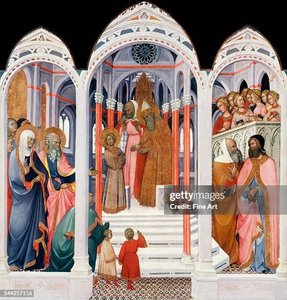 파올로 디 조반니 페이이탈리아 · 1345–1411
- 67GiottinoItalian · 1324–1372
- 68Wu ZhenYuan dynasty · 1280–1354
- 69Jacopo del CasentinoFlorentine · 1297–1358
- 70Giusto De' MenabuoiItalian · 1330–1393
- 71Jacquemart de HesdinFrench · 1350–1410
- 72Matteo GiovanettiItalian · 1322–1368
- 73Reisai GukyokuJapanese · 1363–1452
- 74Qingzhuo Zhengcheng, Ch'Ing-Cho Cheng-Ch'EngChinese · 1274–1339
- 75Bartolommeo BulgariniItalian · 1305–1378
- 76Gikō TettōJapanese · 1295–1369
- 77Barnaba Da ModenaItalian · 1328–1386
- 78페터 파를러German-Bohemian · 1330–1399
- 79
 보나낫 데스콜 이 데 산클리멘트이탈리아 · 1310–1390
- 80Yuan DynastyChinese · 1271–1368
- 81Giovanni Di RiginoItalian · born 1315
- 82Domenico Di AgostinoItalian · 1317–1366
- 83Agnolo Di VenturaItalian · 1290–1349
- 84Giovanni Da CampioneItalian · 1320–1375
- 85Francesco Di PetraccoItalian · 1304–1374
- 86Giovanni d'Agostino1285–1347
- 87Sesson YūbaiJapanese · 1290–1347
- 88Sultan Al-Malik Al-Zahir Abu Sa’Id BarquqEgyptian · 1339–1399
- 89Giovanni Di Chellino BoccaccioItalian · 1313–1375
- 90Emperor KōgonJapanese · 1313–1364
- 91Jakushitsu GenkōJapanese · 1290–1367
- 92Bernat Saulet I El Taller De Sant Joan De Les AbadessesItalian · 1341–1342
- 93Mother JulianEnglish · born 1343
- 94Nardo di CioneItalian · 1320–1366
- 95TutankhamenEgyptian · 1345–1327
- 96Serafino SerafiniItalian · 1324–1393
- 97Filippo CalendarioItalian · 1315–1355
- 98Antonio Baboccio Da PipernoItalian · 1351–1435
- 99Zekkai ChūshinItalian · 1336–1405
Good questions
What people ask about Late Medieval
Who is the most famous Late Medieval artist?
Who are the 5 most famous Late Medieval artists?
시모네 마르티니 (#1), 안드레이 루블료프 (#2), 암브로조 로렌체티 (#3), 피에트로 로렌체티 (#4) and 후베르트 반 에이크 (#5).
Who are the most famous living Late Medieval artists?
The highest-ranked living artists in this list are Zhao Yuan (#31), Sheikh Zain Al-Din (#56), Marco Di Paolo Veneziano (#60), Giovanni Di Rigino (#81) and Mother Julian (#93).
Which women Late Medieval artists are the most famous?
1 women are in this ranking: Mother Julian (#93).
Who are the great Late Medieval artists of 이탈리아?
When were most Late Medieval artists born?
Most artists in this list were born in the 1350s (15 of 99), between 1271 and 1366 overall.
Which Late Medieval masters trained other famous artists?
타데오 가디 (#6) taught Jacopo Del Casentino (Jacopo Landino) (#52); 스피넬로 아레티노 (#12) taught Lorenzo di Bicci (#33).
Who was the first Late Medieval artist?
The earliest-born artist in this list is Yuan Dynasty (#80), born in 1271.
What techniques did Late Medieval artists use?
“While the biographical shadows surrounding his early years remain somewhat dense, the vibrant frescoes he left behind act as a luminous window into his creative spirit.” — from our biography of Altichiero (#11).
Where are the great works of Late Medieval art today?
The museums holding the most key works of this list are 메트로폴리탄 미술관 (20), 국립 미술관 (11) and Gemäldegalerie (6).
Who are the great Late Medieval artists of Italy?
The highest-ranked artists born in Italy are Altichiero (#11), Niccolò Di Tommaso (#15), Andrea Di Cione Di Arcangelo (Orcagna) (#17), Orcagna (#18) and Paolo Veneziano (#20).
Can I order a painting by a famous Late Medieval artist?
Our catalogue holds 1,491 works by these artists. Each one can be ordered as a hand-painted oil reproduction or a print.
Read more
More stories on ArtsDot.com
Other styles
Famous artists of other styles
 Famous Baroque artists밤의 망루 (De Nachtwacht) · 렘브란트
 Famous Contemporary Realist artists이삭 줍는 사람들 · 장프랑수아 밀레
 Famous Impressionist artists별이 빛나는 밤 (뉴욕, MoMA) · 빈센트 반 고흐
 Famous Romanticist artists토성, 그의 아들을 잡아먹는 중 · 프란시스코 데 고야
 Famous Neoclassicist artistsThe Death of Marat · 자크루이 다비드
 Famous Realist artists세계의 기원 · 귀스타브 쿠르베
 Famous Renaissance artists모나리자 (라 죠콘다) · 레오나르도 다 빈치
 Famous Dutch Golden Age artists진주 귀걸이를 한 소녀 · 요하네스 페르메이르
 Famous Expressionist artists구성 VII · 바실리 칸딘스키
 Famous Rococo artists사랑의 교훈 · 앙투안 바토
Other eras
Famous artists of other eras
 Famous Early Medieval artistsSnowy River · Wang Wei
 Famous High Medieval artists마에스타의 마돈나 (오니산티 마돈나) · 조토 디 본도네
 Famous Renaissance artists아담의 창조 · 미켈란젤로 부오나로티
 Famous Early Modern artists마태오의 부르심 · 카라바조
 Famous 19th Century artists수련 (또는 연꽃) · 클로드 모네
 Famous Modern artists게르니카 · 파블로 피카소
 Famous Contemporary artistsWind Sculpture III (one in a series of nine) · Yinka Shonibare
Keep exploring