
1



11월 2026 업데이트 · 인기 점수 기준 순위 (각 작품의 검색, 방문 및 주문 수) · 2점의 Peter Cross 작품 (당사 카탈로그 기준)
요약하자면
대중에게 가장 잘 알려진 Peter Cross의 작품은 Colonel James Griffin, Aged 15 (1682)이며, 뉴헤이븐에 위치한 예일 영국 미술관에서 감상하실 수 있습니다. Peter Cross의 작품 2점 중 가장 잘 알려진 2점을 소개합니다. 각 작품에는 제작 연도, 소장 미술관, 그리고 작품의 특징에 대한 간략한 설명이 포함되어 있습니다.

이 페이지에 있는 작품을 가장 많이 소장하고 있는 2개의 미술관
| 소장 미술관 | 도시 | Peter Cross의 작품 | 이 목록의 작품들 |
|---|---|---|---|
 예일 영국 미술관 |
뉴헤이븐 | 1 | Colonel James Griffin, Aged 15 |
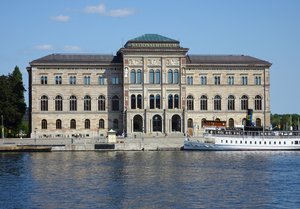 국립 미술관 |
스톡홀름 | 1 | Porträtt av man i allongeperuk med röd mantel |
1682년부터 1700년까지, Peter Cross의 작품은 19년에 걸쳐 펼쳐집니다. 그 긴 예술 여정을 연도별로 살펴보세요.
연도를 선택하여 작품을 확인해 보세요.
리스트의 최상단은 Colonel James Griffin, Aged 15 (1682)입니다.
37세. Peter Cross은(는) 1645년에 태어났으며, Colonel James Griffin, Aged 15은(는) 1682년의 작품입니다.
저희 카탈로그에는 1682년부터 1700년 사이에 제작된 Peter Cross의 작품 2점이 있습니다.
대부분의 작품은 예일 영국 미술관 (뉴헤이븐) 및 국립 미술관 (스톡홀름)에서 만나보실 수 있습니다. 자세한 목록은 상단의 박물관 목록을 확인해 주세요.
가장 오래된 작품은 Colonel James Griffin, Aged 15 (1682)이며, 가장 최근 작품은 Porträtt av man i allongeperuk med röd mantel (1700)입니다.
네, 이 페이지에 있는 모든 작품은 원하시는 사이즈의 수작업 유화 복제화 또는 프린트로 구매하실 수 있습니다. 작품 상세 페이지에서 바로 주문해 보세요.
In the delicate, intimate world of seventeenth-century portraiture, few names evoke as much quiet fascination as Peter Cross. A master of the miniature, Cross operated during a transformative era in English art, navigating the complex social landscapes of the late Stuart period. Though his life remains partially veiled by the mists of history, documentary evidence suggests he was born around 1645, likely to parents of French extraction. His family, led by Anthony Cross, resided in the bustling heart of London, near Lombard Street, providing him with a foundation of stability and access to the vibrant artistic currents flowing through the capital. As a limner, Cross possessed the rare ability to capture the very essence of a sitter within a tiny, jewel-like frame, creating works that were as much precious objects as they were portraits.
The artistry of Peter Cross was deeply rooted in the traditions of his predecessors, most notably the legendary Samuel Cooper. It is widely believed by historians that Cross may have trained under Cooper, and this influence is unmistakable in the precision and grace of his execution. He was a careful imitator of the great masters, yet he possessed a distinctive touch that allowed him to command the attention of the highest eppers of society. His skill was such that during the reign of Queen Anne, he became an extensively employed miniaturist for both royalty and the nobility. His work found its way into the most prestigious collections in the world, including the Royal Collection at Windsor, ensuring that his delicate hand would be preserved for centuries to come.
One of the most intriguing aspects of Cross’s career is the historical confusion surrounding his very identity. For many years, art historians were divided, believing that two separate artists—Peter and Laurence Cross—were responsible for a variety of miniatures. This scholarly error stemmed from his unique method of signing his work; he utilized an interlaced monogram in gold paint that could easily be misread as "LC" instead of "PC." It was not until the twentieth century that researchers successfully untangled this knot, confirming that these exquisite works all belonged to a single, masterful hand. This revelation brought much-needed clarity to his oeuvre, allowing his true brilliance to shine without the shadow of mistaken attribution.
Beyond mere technical proficiency, Cross’s work often touched upon the boundaries of reality and idealization. A famous, albeit controversial, anecdote tells of a commission to repair a portrait of Mary, Queen of Scots. Tasked with making the figure appear more beautiful, Cross allegedly renovated the features of the original painting so effectively that he created an entirely erroneous type of her likeness. While such an act might be viewed as a breach of historical accuracy today, in the context of the seventeenth century, it demonstrated his profound ability to manipulate medium and light to achieve a desired aesthetic perfection. His life, marked by both personal devotion—evidenced by his marriage to Arabella Burman and his large family—and professional triumph, remains a testament to the enduring power of the miniature portrait.
The significance of Peter Cross lies not only in the beauty of his miniatures but in his role as a bridge between the era of Cooper and the evolving tastes of the English aristocracy. His achievements include: