1



11월 2026 업데이트 · 인기 점수 기준 순위 (각 작품의 검색, 방문 및 주문 수) · 1점의 Lambert Ryckx 작품 (당사 카탈로그 기준)
요약하자면
Lambert Ryckx의 작품 중 하나를 알고 있다면, 아마도 스톡홀름의 국립 미술관에 전시된 Madonna and Child (1548)일 것입니다. Lambert Ryckx의 작품 1점이 등록되어 있습니다. 아래에서는 가장 잘 알려진 1점의 작품을 연도, 소장처, 주요 특징과 함께 소개합니다.
이 페이지에 있는 작품을 가장 많이 소장하고 있는 1개의 미술관
| 소장 미술관 | 도시 | Lambert Ryckx의 작품 | 이 목록의 작품들 |
|---|---|---|---|
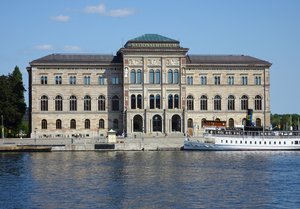 국립 미술관 |
스톡홀름 | 1 | Madonna and Child |
이 페이지에 있는 Lambert Ryckx의 모든 작품은 1548년도에 제작되었습니다. 작품들을 확인해 보세요.
연도를 선택하여 작품을 확인해 보세요.
리스트의 최상단은 Madonna and Child (1548)입니다.
38세. Lambert Ryckx은(는) 1510년에 태어났으며, Madonna and Child은(는) 1548년의 작품입니다.
카탈로그에 Lambert Ryckx의 작품이 1점 있습니다.
대부분의 작품은 국립 미술관 (스톡홀름)에서 만나보실 수 있습니다. 자세한 목록은 상단의 박물관 목록을 확인해 주세요.
네, 이 페이지에 있는 모든 작품은 원하시는 사이즈의 수작업 유화 복제화 또는 프린트로 구매하실 수 있습니다. 작품 상세 페이지에서 바로 주문해 보세요.
In the bustling streets of Antwerpen, a child was born in 1510 who would eventually leave a mark upon the history of painting. This man, known to many as Lambert Ryckx, lived a life that saw him navigate the complex social and artistic circles of the Low Countries. His identity was not fixed by a single name, as the scribes and patrons of his era often recorded him through various iterations. He moved through the world under many titles, including Robbesant Ryckx and Robbesant Rycx. To some, he was simply Robbesant, while others recorded his lineage more formally as Lambert Ryck Aertsz. Ryckx. Such variations in his name reflect the fluid nature of identity in the sixteenth century, where a man might be known by many names depending on the language spoken or the formality of the occasion.
The life of this Dutch artist was shaped by the spirit of his birthplace. Antwerpen provided the foundation for his early years and the training that would define his craft. He was a man of many designations, sometimes called Lambert Rycx or even Lambrecht, a name that echoed through the workshops of his time. His existence was marked by the steady pursuit of his vocation, moving through the decades with the quiet ambition of a craftsman seeking his place in a changing era. He remained a figure of the northern traditions, carrying the weight of his many names and his heritage as he navigated the professional demands of his age.
The career of Lambert Ryckx flourished during a period of great movement, spanning from about 1543 until his departure from the scene in 1572. His path was shaped by the needs of powerful patrons and the necessity of collaboration. In Sweden, he found himself tasked with grand decorative projects, working alongside Baptista van Uther to paint triumphal arches intended for Erik XIV. This significant undertaking required a shared vision and a coordinated effort to meet the demands of the court.
This partnership proved so fruitful that it led the two men to establish a shared studio. They settled in a house situated near Storkyrkan, a location that allowed them to maintain their professional ties to the royal circle. Such a workspace provided the stability needed to sustain their ambitious commissions. Even as the years passed, Ryckx remained a fixture in the service of the Swedish crown, continuing his dedicated work for the court of Johan III until 1572.
Among the works that have survived the passage of time, the Madonna and Child remains a significant piece of his legacy. This painting, also known as Madonna med barnet, was executed in 1548. It offers a glimpse into the devotional subjects that occupied his brush during his years of active practice. The work carries a certain quietude, reflecting the religious sentiments of the era in which he labored.
The preservation of such works is often a matter of fortune and careful stewardship. This particular depiction of the Madonna was acquired by the Nationalmuseum in 1993. It remains part of their permanent collection, held within the halls of the museum where it can be studied by those interested in the traditions of Dutch painting. Such acquisitions ensure that the hand of the artist continues to speak to the public long after the painter has departed.