A Life Painted in Light: The Story of John Bold
John Bold, born in 1895 and passing in 1979, was an artist whose life unfolded as a quiet dedication to capturing the essence of the
British landscape – particularly the rugged beauty of Ireland and the pastoral charm of England. While not a name immediately recognized alongside the titans of
modern art, Bold’s work possesses a unique and enduring appeal, stemming from his sensitive observation of light, atmosphere, and the subtle poetry of
rural life. His story is one less of dramatic innovation and more of consistent refinement, a painterly journey focused on translating personal experience into evocative visual narratives. Born into a world poised between Victorian tradition and the burgeoning
modern era, Bold’s artistic development was shaped by both influences, ultimately forging a style that feels distinctly his own – a blend of impressionistic techniques with a deeply rooted
realism. He wasn't an artist who sought to shock or dismantle conventions; instead, he aimed to reveal the inherent beauty within them, offering viewers a glimpse into a world often overlooked in the rush of progress.
Early Influences and Artistic Development
The early years of Bold’s life were formative, instilling in him a profound connection to nature. Though details regarding his formal training remain somewhat scarce – a testament to his relatively private artistic practice – it is clear that he was deeply influenced by the British
Impressionist movement. Artists like
Walter Sickert and
Harold Gilman, with their focus on capturing
fleeting moments of light and
everyday life, likely played a role in shaping Bold’s aesthetic sensibilities. However, Bold wasn't merely an imitator. He possessed a keen eye for detail and a remarkable ability to render textures – the rough stone walls of Irish cottages, the shimmering surface of water, the delicate foliage of English hedgerows. His early works demonstrate a commitment to *
plein air* painting, working directly from nature to capture the immediacy of his surroundings. This dedication to observation is perhaps the most defining characteristic of his style. He wasn’t interested in grand historical narratives or allegorical
symbolism; he sought instead to paint what he saw, and to convey the emotional resonance of those sights through careful manipulation of color and light.
The Irish Landscape: A Defining Motif
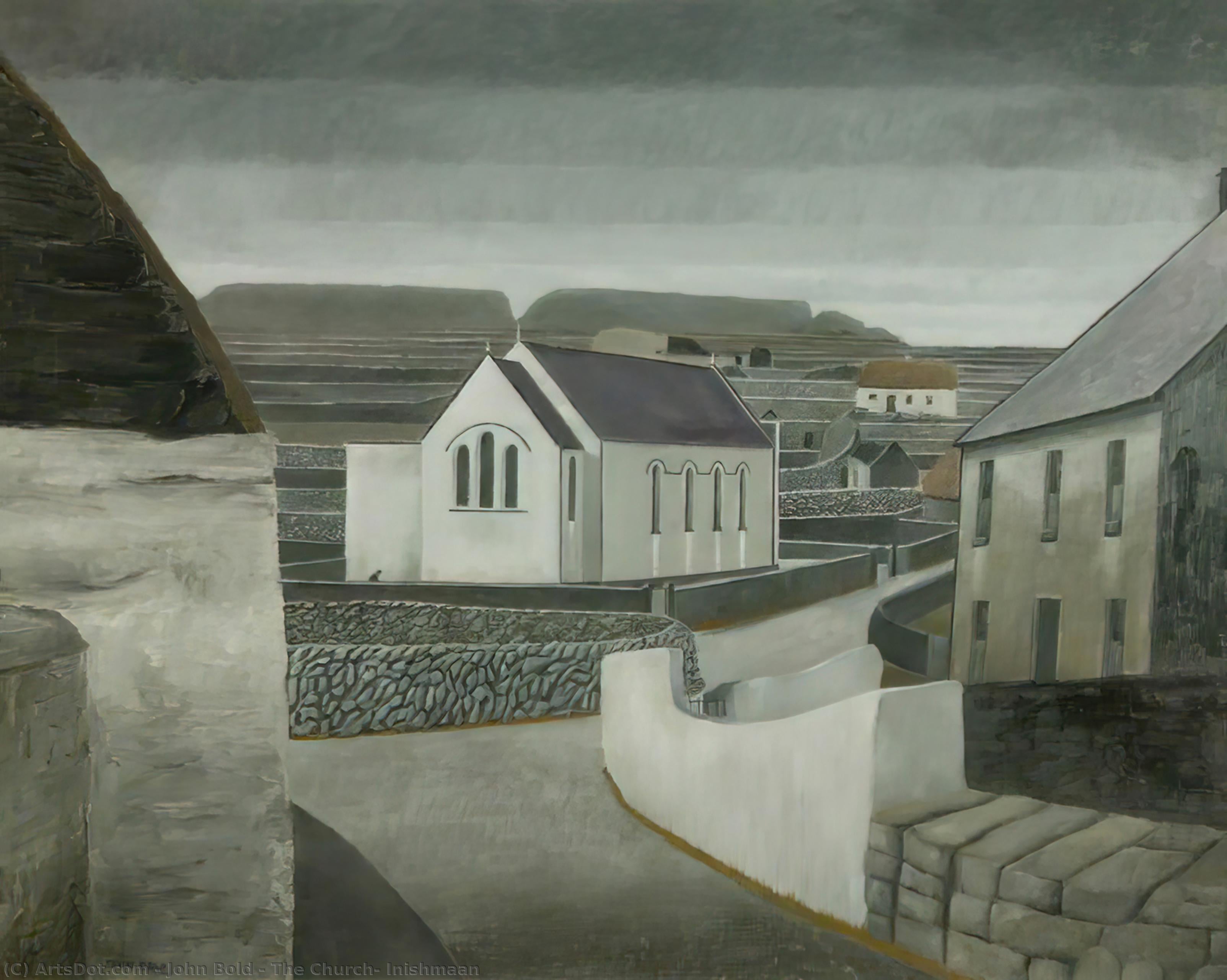
It was Ireland, however, that truly became Bold’s muse. He spent considerable time on the Aran Islands – a remote archipelago off the west coast – captivated by its stark beauty and the enduring traditions of its inhabitants. His paintings of the Aran Islands are perhaps his most celebrated works, depicting not just the physical landscape but also the spirit of the people who lived there. The weathered faces of fishermen, the simple stone cottages clinging to the rocky coastline, the vast expanse of the Atlantic Ocean – these became recurring motifs in his work. Bold’s Ireland is not a romanticized vision; it's a portrayal of hardship and resilience, tempered by a deep sense of respect for the land and its people. He masterfully captured the quality of light unique to the islands, often employing a
muted palette that reflects the grey skies and rugged terrain. His paintings evoke a feeling of solitude and timelessness, inviting viewers to contemplate the enduring power of nature and the simple rhythms of
rural life.
Beyond Ireland: English Pastoral Scenes
While Ireland held a special place in Bold’s heart, his artistic vision extended beyond its shores. He also painted extensively throughout England, focusing on the pastoral landscapes of the countryside. His English scenes share many similarities with his Irish works – a similar attention to detail, a sensitive rendering of light and atmosphere, and a focus on capturing the beauty of
everyday life. However, the English paintings often exhibit a softer palette and a more idyllic mood. He depicted
rolling hills, quaint villages, and peaceful meadows, evoking a sense of tranquility and harmony. These works offer a glimpse into a disappearing way of life – a
rural England untouched by the rapid industrialization of the 20th century.
- Technique: Bold’s technique was characterized by loose brushwork and a subtle use of color, often employing watercolor or oil paints in thin washes to create a luminous effect.
- Subject Matter: His primary focus remained on landscapes and portraits, with a particular emphasis on capturing the essence of rural life.
- Style: He blended Impressionistic techniques with a deeply rooted realism, creating a unique style that feels both modern and timeless.
Legacy and Historical Significance
John Bold’s work may not be widely known, but it holds a significant place in the history of
British art. He represents a quieter strand of artistic expression – one focused on observation, refinement, and the celebration of everyday beauty. In an era dominated by abstract movements and radical experimentation, Bold remained committed to representing the world as he saw it, offering viewers a glimpse into a disappearing way of life. His paintings serve as valuable historical documents, capturing the essence of Ireland and England in the
early 20th century.
His enduring appeal lies in his ability to evoke emotion through subtle details and sensitive rendering of light and atmosphere. While he didn’t seek fame or recognition, John Bold left behind a body of work that continues to resonate with viewers today – a testament to the power of quiet dedication and the enduring beauty of the
British landscape. His paintings are a reminder that true artistry lies not in grand gestures but in the ability to see the extraordinary within the ordinary.




 Salford Museum - Art Gallery


