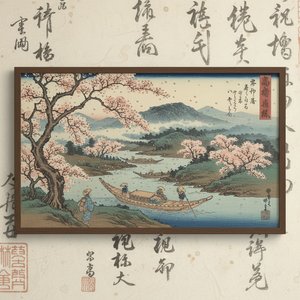
Hashimoto Meiji: Bridging Tradition and Modernity Through Nihonga Painting
Meiji Hashimoto (橋本明治, hashimoto meiji) stands as a pivotal figure in Japanese art history—a testament to the transformative era of Japan’s modernization during the Meiji Restoration (1868-1912). Born in Tokyo in 1904, Hashimoto emerged from a lineage steeped in artistic heritage and skillfully navigated the complexities of blending traditional Nihonga aesthetics with burgeoning Western influences. His enduring legacy resides primarily in his monumental painting “Sakura” – a breathtaking depiction of cherry blossoms adorning the cedar door of the Seiden Hall at Tokyo Imperial Palace—a symbol of imperial patronage and Japan’s embrace of global artistic dialogues.
Early Life & Artistic Training: Hashimoto received formal training from Eikyu Matsuoka, a prominent Nihonga painter who championed the revival of Japanese painting techniques after decades of Western dominance. This mentorship instilled in him a deep understanding of compositional principles and color palettes rooted in centuries of artistic tradition.
Notable Commissions & Recognition: Hashimoto’s career gained considerable momentum through prestigious commissions, notably his involvement with the Meiji Jingu Forest Festival of Art, where he crafted sculptures reflecting Japan's commitment to cultural preservation alongside ecological awareness. His work was recognized by institutions like Nitten and awarded honors from the Japan Art Academy, cementing his reputation as a leading artist of his time.
The Sakura Door: The “Sakura” painting remains arguably Hashimoto’s most celebrated achievement—a sprawling canvas measuring 2.74 x 2.5 meters that embodies the spirit of the Meiji era. Its placement on the Imperial Palace signifies not merely artistic excellence but also Japan's deliberate effort to reconcile its past with a progressive future, mirroring the stylistic fusion evident throughout Hashimoto’s oeuvre.
Influences & Artistic Style: Hashimoto’s style was characterized by meticulous brushwork and subtle tonal gradations—techniques honed from mastering the legacy of masters like Hiroshige and Hokusai. He skillfully incorporated elements of Western Impressionism, particularly in his use of color and light, demonstrating a remarkable ability to synthesize disparate artistic traditions into a cohesive visual language.
Legacy & Significance: Hashimoto Meiji’s contribution to Nihonga painting extends beyond individual artworks; he served as an ambassador for Japanese culture during a period of profound change. His dedication to preserving traditional aesthetics while embracing innovation solidified his place among Japan's most influential artists—a figure whose work continues to inspire admiration and scholarly study today.
Tsukioka Yoshitoshi: A Bridge Between Tradition and Innovation
Yoshitoshi’s influence on Hashimoto is undeniable, as he was a student of Matsuoka who championed the revival of Japanese painting techniques after decades of Western dominance. Yoshitoshi's dramatic warrior prints, innovative series like “One Hundred Aspects of the Moon,” and legacy reflecting Japan’s Meiji transition solidified his place among Japan's most influential artists—a figure whose work continues to inspire admiration and scholarly study today.
Exploring Hashimoto’s Artistic Techniques
Hashimoto’s masterful brushwork and tonal gradations are hallmarks of Nihonga painting, reflecting a profound respect for Japanese artistic heritage. He skillfully blended traditional techniques with subtle influences from Impressionism, resulting in compositions that capture both the grandeur of imperial commissions and the delicate beauty of natural landscapes.
Further Research
For more information on Hashimoto Meiji’s life and work, consult resources such as:
Explore the captivating world of Utagawa Hiroshige's ukiyo-e landscapes. Discover his artistic innovations, influence on Western art, and the poetics of transient beauty in Edo period Japan. A guide for collectors & enthusiasts.
Explore the profound impact of Japonisme on Western art. Discover how Japanese ukiyo-e woodblock prints revolutionized perspective, color, and composition for masters like Monet and Van Gogh, forever changing the course of modern art history.
Hashimoto Meiji: Bridging Tradition and Modernity Through Nihonga Painting
Meiji Hashimoto (橋本明治, hashimoto meiji) stands as a pivotal figure in Japanese art history—a testament to the transformative era of Japan’s modernization during the Meiji Restoration (1868-1912). Born in Tokyo in 1904, Hashimoto emerged from a lineage steeped in artistic heritage and skillfully navigated the complexities of blending traditional Nihonga aesthetics with burgeoning Western influences. His enduring legacy re
Hashimoto Meiji 작가의 다른 활동명이나 알려진 이름이 있나요?
Meiji Hashimoto
Hashimoto Meiji 작가의 작품은 아직 저작권 보호를 받고 있나요?
네, 이 작가의 작품은 여전히 저작권 보호를 받습니다.
ArtsDot.com에서 Hashimoto Meiji 작가의 작품 중 가장 높은 순위를 기록한 회화는 무엇인가요?