


 미리보기
미리보기
 프린트 구매
 공유하기
공유하기 공유하기
공유하기
 상세 정보
상세 정보

 다운로드
다운로드
 유사 작품
유사 작품 X-레이
X-레이 슬라이드 쇼
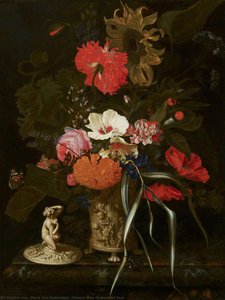
오르마 스타일 카로츠
 캔버스 위에 아크릴
- 벽화
- Dutch Golden Age
 1654
1654 228.0 x 179.0 cm
 국립 미술관
 더 보기
더 보기




P118B $10

P118H $10

P118W $10

P438Z $10

P508JH $12

P508YH $12

P805H $10

P805Z $10

P919BZ $10

P919G $10

P919XJ $10

P959ZH $10

P968JZ $12

W106C $8

W218G $10

W218JH $8

W218Y $10

W307PJ $10

W316G $10

W316PJ $8

W316Y $10

W398PJ $8

W4111J $10

W500HY $15

W500JH $15

W692G $12

W849H $8

W940BG $15

W953PJ $8




작품의 원본 비율을 유지하는 미리 설정된 크기 중에서 선택하세요.

특정 프레임이나 공간에 맞도록 직접 크기를 입력할 수 있습니다. 선택하신 크기가 원본 이미지의 비율과 일치하지 않는 경우, 작품을 자르거나 추가적인 손으로 그린 요소를 사용하여 그림을 확장합니다. 제작 시작 전 승인을 위해 디지털 목업을 보내드립니다.
화면 미리 보기는 실제 자르기 또는 확장을 반영하지 않습니다. 최종 구성은 목업을 통해서만 정확하게 확인하실 수 있습니다.
맞춤 크기 제작도 가능하지만, 원본 비율을 유지하기 위해 사전 정의된 목록에서 크기를 선택하시는 것을 권장합니다.
주문 후 ArtsDot.com 팀에서 상세 안내를 위해 고객님께 이메일을 보내드리며, 미리보기 시안을 제공해 드립니다.


 유리 옵션은 110cm 미만 크기에서만 선택 가능합니다.

오르마 스타일 카로츠
재현 기법
복제본 크기
-


최종 결제 금액
$ 263
작품 상세 설명
Johannes Lutma: Maestro dell'Auricolare e Innovatore della Decorazione Dorata
Johannes Lutma il Vecchio (nato intorno al 1584 ad Emden, Germania; morto gennaio 1669 ad Amsterdam) rappresenta una figura chiave nella scena olandese della tarda epoca auricola – un periodo caratterizzato da innovazioni artistiche senza precedenti e maestria artigianale opulenta. Spesso oscurato dai suoi contemporanei più famosi come Rembrandt, l'eredità di Lutma risiede nella sua pionieristica opera con lo stile auricolare d’argento, una tecnica che ha ridefinito le possibilità decorative e influenzato profondamente le generazioni successive di artigiani. La sua vita fu un continuo movimento adattamento, iniziata nella Rinascita tedesca prima di stabilirsi definitivamente ad Amsterdam, dove si affermò come principale progettista per clienti ricchi e istituzioni ecclesiastiche. La formazione iniziale di Lutma rimane in gran parte avvolta nel mistero, anche se è generalmente accettato che abbia studiato sotto Paulus van Vianen, maestro noto per il suo distintivo stile auricolare – caratterizzato da forme morbide simili all’orecchio – una tecnica che aveva rivoluzionato la decorazione d'argento e ispirato altri artisti. Dopo aver trascorso del tempo a Parigi intorno al 1615, dove probabilmente affinò le sue competenze nel contesto della vivace scena artistica, Lutma arrivò ad Amsterdam nel 1621 sposando Mayken Roelants poco dopo, e successivamente Saera de Bie. Il suo soggiorno nella frenetica città commerciale di Amsterdam si rivelò terreno fertile per il suo sviluppo creativo, offrendo accesso a una clientela ricca desiderosa di oggetti lussuosi. Lo stile auricolare, nato dalle tradizioni olandesi della prima metà del XVII secolo e influenzato dalla maniera nord europea, è un vero punto di svolta nella storia dell'arte decorativa. Questo stile si distingue per superfici morbide e fluide che imitano la sezione trasversale dell’orecchio umano – da cui deriva il suo nome – creando forme dalle linee sinuose e dall'aspetto leggermente ondulato. Questa tecnica innovativa era particolarmente efficace nello sviluppo di oggetti d'argento, dove Lutma riuscì a esprimere una straordinaria maestria dei materiali e una profonda comprensione di come la luce interagisce con le superfici ruvide. Questo stile si caratterizza per l’utilizzo di tecniche come lo "chasing" (martellatura metallica per creare disegni in rilievo) e il "repoussé" (spinta del metallo dalla parte posteriore per creare disegni in rilievo), combinate con incisioni precise, per ottenere effetti sorprendenti. Lutma non inventò lo stile auricolare da solo; esso aveva radici nelle tradizioni olandesi precedenti, ma Lutma lo perfezionò, ampliandone i confini e stabilendo un linguaggio visivo distintivo. Lutma dimostrò una capacità eccezionale di combinare elementi diversi – forme morbide simili all’orecchio con linee dritte e geometriche – creando opere d'arte che trascendevano la semplice bellezza estetica. Questo stile era considerato simbolo di equilibrio armonioso tra natura e ragione, esprimendo un senso di movimento e ritmo che catturava lo sguardo dello spettatore. Lutma utilizzò questo stile per creare oggetti d’argento straordinariamente raffinati, come ci dimostra il suo celebre recipiente salato ornato con motivi mitologici e simbolici. Questo oggetto è un vero esempio della maestria artistica di Lutma e della sua capacità di comunicare emozioni attraverso forme semplici ma efficaci. La produzione di Lutma fu vasta e variegata, comprendendo una sorprendente gamma di oggetti – dalla splendida coppa saliera agli eleganti candelabri fino ai monumentali pannelli murali delle chiese nuove. Il suo contributo più significativo alla storia dell'arte è senza dubbio lo schermo liturgico della Nieuwe Kerk (Nuova Chiesa) ad Amsterdam, un capolavoro architettonico che testimonia la visione artistica di Lutma e la sua capacità di fondere influenze stilistiche diverse. Questo imponente pannello murale, realizzato intorno al 1638, presenta scene bibliche intrecciate con motivi classici, dimostrando l'abilità di Lutma nel creare opere d’arte che esprimono valori universali come fede e bellezza. Questo schermo liturgico è considerato uno dei più importanti esempi dello stile auricolare e rappresenta un vero punto di riferimento per gli artisti dell'epoca. Lutma fu un artista profondamente influenzato dalla cultura del suo tempo, ma anche capace di anticipare nuove tendenze artistiche. Il suo lavoro testimonia una straordinaria maestria dei materiali e una profonda comprensione delle esigenze estetiche della società auricola del XVII secolo. Lutma è considerato uno dei più grandi artisti olandesi del suo periodo e la sua opera continua ad affascinare gli appassionati d’arte di tutto il mondo.유사한 작품들




작가 약력
Johannes the Elder Lutma: Master of Auricular Silver
Johannes Lutma the elder (born c. 1584 in Emden, Germany; died January 1669 in Amsterdam) stands as a pivotal figure in the late 17th-century Dutch goldsmithing scene – a period marked by unprecedented artistic innovation and opulent craftsmanship. Often overshadowed by his more famous contemporaries like Rembrandt, Lutma’s legacy lies in his pioneering work with “auricular” style silver, a technique that redefined decorative possibilities and profoundly influenced subsequent generations of artisans. His life was one of constant movement and adaptation, beginning in the German Rhineland before settling permanently in Amsterdam, where he established himself as a leading designer for wealthy patrons and ecclesiastical institutions.
Lutma’s early training remains somewhat shrouded in mystery, though it is generally accepted that he studied under Paulus van Vianen, a master known for his distinctive “auricular” style – characterized by smooth, ear-like forms. This stylistic approach, emphasizing flowing curves and subtle ornamentation, became the foundation of Lutma's own artistic vocabulary. Following a period in Paris around 1615, where he likely honed his skills amidst the burgeoning artistic scene, Lutma arrived in Amsterdam in 1621, marrying Mayken Roelants shortly thereafter, and later Saera de Bie. His time in the bustling commercial center of Amsterdam proved to be fertile ground for his creative development, offering access to a wealthy clientele eager for luxurious objects.
The Auricular Style and its Development
Lutma’s most significant contribution to the art world was undoubtedly his mastery of the auricular style. This technique involved creating flowing, undulating surfaces on silver that mimicked the shape of an ear – hence the name. It wasn't merely a stylistic choice; Lutma elevated it into a sophisticated design principle, utilizing it to create intricate patterns and dynamic compositions. He skillfully combined this smooth, organic form with sharp angles, geometric shapes, and elaborate embellishments, resulting in a remarkably versatile aesthetic. His designs weren’t simply decorative; they possessed a sense of movement and rhythm that captivated viewers.
Crucially, Lutma didn't invent the auricular style entirely. It had roots in earlier German goldsmithing traditions, but Lutma refined it, pushing its boundaries and establishing a distinct visual language. He employed techniques like chasing (hammering metal to create raised designs) and repoussé (pushing metal from the back to create raised designs), combined with meticulous engraving, to achieve his desired effects. His work demonstrated an exceptional command of materials and a deep understanding of how light interacted with surface textures.
Major Works and Commissions
Lutma’s career produced a remarkable body of work, encompassing a diverse range of objects – from elaborate salt dishes and ewers to monumental choir screens and decorative cartouches. His most celebrated achievement is arguably the choir-screen for the Nieuwe Kerk (New Church) in Amsterdam, a breathtaking example of his artistic vision. This massive panel, executed around 1638, features intricate scenes depicting biblical narratives interwoven with classical motifs, showcasing Lutma’s ability to seamlessly blend different stylistic influences.
Beyond the choir-screen, Lutma created numerous exquisite salt containers, often adorned with mythological creatures and floral designs. These objects are prized for their exceptional craftsmanship and delicate detailing. His work also includes a series of cartouches – decorative frames used to enclose inscriptions or coats of arms – which demonstrate his mastery of miniature design and intricate engraving. The Rijksmuseum in Amsterdam houses several significant examples of Lutma’s oeuvre, offering invaluable insights into the breadth and depth of his artistic talent.
Legacy and Influence
Despite not achieving widespread fame during his lifetime, Johannes Lutma's influence on subsequent generations of Dutch goldsmiths is undeniable. His innovative use of the auricular style paved the way for new approaches to decorative design, inspiring artists like his son, Johannes Lutma the Younger (Jan Lutma), who continued to develop and refine his father’s techniques. Lutma’s designs were also widely disseminated through printed series of engravings, ensuring their enduring popularity and influence.
Furthermore, Lutma's work reflects a broader cultural shift in 17th-century Europe – a move towards greater individualism and artistic experimentation. His willingness to challenge established conventions and embrace new stylistic approaches cemented his place as a key figure in the development of Dutch goldsmithing and a testament to the enduring power of artistic innovation.

johannes the elder lutma
1587 - 1669 , Germany
주요 정보
- Artistic Movement Or Style: Auricular Style
- Artists Or Movements Influenced By This Artist: ['Rembrandt']
- Artists Who Influenced This Artist: ['Paulus van Vianen']
- Date Of Birth: c. 1584
- Date Of Death: 1669
- Full Name: Johannes Lutma the Elder
- Nationality: German
- Notable Artworks:
- Choir-screen (Nieuwe Kerk)
- Salt containers
- Drinking bowl
- Place Of Birth: Emden, Germany
관련 기사 더 보기

네덜란드 황금 시대 예술의 정수를 담은 10대 걸작 탐구
렘브란트, 베르메르의 걸작부터 할스의 인물화까지! 네덜란드 황금시대 미술의 10대 명품을 만나보세요. 예술적 깊이와 아름다움을 담은 작품들을 ArtsDot에서 감상하고, 고품질 아트 프린트로 당신의 공간에 특별함을 더하세요. 지금 바로 ArtsDot.com에서 모든 걸작을 발견하세요!

Abraham Hulk Senior: Pioneering Maritime Topography of the Dutch Golden Age
Explore the captivating seascapes of Abraham Hulk Senior, a leading Anglo-Dutch marine painter of the 19th century. Discover his signature style, family legacy & collectable artworks at ArtsDot.

Golden Age Reflections: Dutch Baroque Painting & Cultural Innovation
Explore the Dutch Golden Age of painting! Discover key artists like Vermeer & ter Borch, their innovative techniques, and the rich cultural context behind these Baroque masterpieces. Learn about collecting & appreciating this iconic art period.

Hendrick Terbrugghen: Caravaggism, Spirituality & the Dutch Golden Age Painter's Evolving Style
Explore the captivating world of Hendrick Terbrugghen, a leading Dutch Golden Age painter influenced by Caravaggio. Discover his dramatic use of light, spiritual depth & lasting legacy. Learn more at ArtsDot.
Illuminating Realism: Exploring the Dutch Golden Age of Painting (1600-1700)
Explore the Dutch Golden Age of painting (1600-1700) with ArtsDot. Discover Rembrandt, Vermeer & other masters. Learn about techniques, history & find museum-quality reproductions.



