


 미리보기
미리보기
 공유하기
공유하기 공유하기
공유하기
 상세 정보
상세 정보

 다운로드
다운로드
 유사 작품
유사 작품 X-레이
X-레이 슬라이드 쇼
 통계 정보
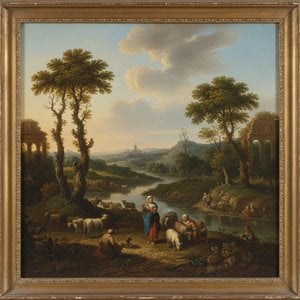
통계 정보호프비버 인 헤이그 근처 사냥터


 더 보기
더 보기
수제 유화 복제품
원하는 크기와 액자로 주문 제작되는, 작가들이 직접 캔버스에 손으로 그린 유화 작품입니다. ( 프린트 판매로 전환 디지털 이미지로 전환)




P118B $10

P118H $10

P118W $10

P438Z $10

P508JH $12

P508YH $12

P805H $10

P805Z $10

P919BZ $10

P919G $10

P919XJ $10

P959ZH $10

P968JZ $12

W106C $8

W218G $10

W218JH $8

W218Y $10

W307PJ $10

W316G $10

W316PJ $8

W316Y $10

W398PJ $8

W4111J $10

W500HY $15

W500JH $15

W692G $12

W849H $8

W940BG $15

W953PJ $8




작품의 원본 비율을 유지하는 미리 설정된 크기 중에서 선택하세요.

특정 프레임이나 공간에 맞도록 직접 크기를 입력할 수 있습니다. 선택하신 크기가 원본 이미지의 비율과 일치하지 않는 경우, 작품을 자르거나 추가적인 손으로 그린 요소를 사용하여 그림을 확장합니다. 제작 시작 전 승인을 위해 디지털 목업을 보내드립니다.
화면 미리 보기는 실제 자르기 또는 확장을 반영하지 않습니다. 최종 구성은 목업을 통해서만 정확하게 확인하실 수 있습니다.
맞춤 크기 제작도 가능하지만, 원본 비율을 유지하기 위해 사전 정의된 목록에서 크기를 선택하시는 것을 권장합니다.
주문 후 ArtsDot.com 팀에서 상세 안내를 위해 고객님께 이메일을 보내드리며, 미리보기 시안을 제공해 드립니다.


 유리 옵션은 110cm 미만 크기에서만 선택 가능합니다.

호프비버 인 헤이그 근처 사냥터
재현 기법
복제본 크기
-


최종 결제 금액
$ 263
가 Gerrit Adriaenszoon Berckhey데의 호프비버 사냥터
호프비버 사냥터는 네덜란드 황금 시대의 예술가 게리트 아드리아엔소폰 베르크헤이데가 그린 작품으로, 도시 풍경 회화의 정수를 보여주는 걸작입니다. 이 그림은 해레헴 시내 호프비버 공원을 배경으로 사냥꾼과 그들의 개들이 즐기는 활기찬 광경을 담고 있습니다. 베르크헤이데는 단순히 아름다운 풍경을 재현한 것이 아니라, 건축물의 디테일을 섬세하게 표현하고 빛의 효과를 극대화하여 네덜란드 고전주의 양식의 특징을 잘 보여줍니다. 특히 사암 건축물과 주변 정원을 통해 도시의 평화로운 분위기를 전달하며 보는 이에게 깊은 감동을 선사합니다.- 작품 배경: 호프비버 공원은 해레헴 시내의 주요 상징적인 장소로, 베르크헤이데는 이 공간의 아름다움을 최대한 살리기 위해 정교한 관찰과 뛰어난 기법을 사용했습니다.
- 화가의 스타일 및 기법: 베르크헤이데는 사암 건축물과 빛의 효과를 극대화하는 데 능숙했으며, 특히 그의 작품은 디테일한 표현력과 공간감으로 유명합니다. 그는 사암 건축물의 질감을 섬세하게 묘사하고 햇빛이 건물 내부로 들어오면서 창문에 드리워지는 그림자를 통해 깊이를 더했습니다.
- 역사적 맥락: 베르크헤이데는 네덜란드 황금 시대에 활동하며 사암 건축물과 빛의 효과를 극대화하는 기법을 발전시켰습니다. 그의 작품은 바로크와 로코코 양식 사이에서 균형 잡힌 아름다움을 추구하는 시대를 반영하며, 네덜란드의 도시 풍경 회화에 큰 영향을 미쳤습니다.
유사한 작품들


작가 약력
The Architect of Dutch Light
Gerrit Adriaenszoon Berckheyde stands as a pivotal figure in the Dutch Golden Age, celebrated primarily for his breathtaking cityscapes that capture the essence of Haarlem and Amsterdam with unparalleled precision and luminosity. Unlike many contemporaries who favored dramatic vistas or idealized landscapes, Berckheyde meticulously rendered urban scenes—particularly those featuring monumental buildings bathed in diffused sunlight—establishing himself as one of the foremost practitioners of Dutch Classicism. His work embodies a profound respect for observation and technical mastery, reflecting the artistic ideals of his era through a lens of clarity and architectural grandeur.
Born in Haarlem around 1638, Berckheyde’s early life remains somewhat shrouded in mystery; historians like Arnold Houbraken struggled to pinpoint his father's profession beyond being a bookbinder, suggesting a modest upbringing that nonetheless fostered an exceptional talent. He apprenticed under his elder brother, Job Adriaenszoon Berckheyde, who himself was mentored by the legendary Frans Hals—a connection that underscores the rich artistic traditions shaping Berckheyde’s formative years. The brothers embarked on a transformative journey to Germany in the 1650s, immersing themselves in the artistic milieu of Cologne, Bonn, Mannheim, and Heidelberg, where they were awarded a golden medal for their contributions to art and scholarship.
Mastery of Urban Grandeur
Despite aspirations for courtly patronage and an aristocratic lifestyle, Berckheyde’s temperament proved ill-suited to the complexities of high society, prompting his return to Haarlem. Upon joining the Haarlem Guild of Saint Luke in 1660, his position within the artistic community was solidified, signaling a period of prolific output and innovation. His studio became a hub for creativity, attracting fellow artists like Oudendijck and fostering a collaborative spirit that propelled his collective success. Influenced heavily by the meticulous architectural precision of Pieter Saenredam, Berckheyde developed a signature style characterized by spacious views and an almost mathematical accuracy in depicting the structural bones of the city.
His canvases often serve as windows into the bustling heart of the Netherlands. In works such as The Grote Markt in Haarlem, he portrays the vibrant urban life of the era, with the prominent St. Bavokerk church dominating the background. Through his masterful use of light, he transforms stone and brick into living entities, capturing the way sunlight dances across cobblestones and illuminates the facades of grand buildings. This ability to marry architectural rigidity with atmospheric softness is what defines his greatest achievements.
Legacy of the Golden Age
The historical significance of Berckheyde lies in his ability to elevate the cityscape from mere documentation to a high art form. His paintings, such as A Hunting Party near the Hofvijver in The Hague, demonstrate how he could integrate human activity and landscape elements into his architectural compositions without losing the sense of monumental stillness. He did not merely paint buildings; he painted the atmosphere of an era defined by prosperity, order, and civic pride.
As a master of Dutch Classicism, Berckheyde left behind a legacy that continues to fascinate art historians and enthusiasts alike. His contribution to the genre of architectural painting remains unparalleled, providing a luminous record of the Dutch Golden Age's most iconic urban landscapes. Through his eyes, we see a world of structured beauty, where every shadow and sunbeam contributes to a timeless narrative of light and stone.

gerrit adriaenszoon berckheyde
1638 - 1698
주요 정보
- Artistic Movement Or Style: Dutch Classicism
- Artists Or Movements Influenced By This Artist: ['Dutch Classicism']
- Artists Who Influenced This Artist:
- Pieter Saenredam
- Job Adriaenszoon Berckheyde
- Date Of Birth: 1638
- Date Of Death: 1698
- Full Name: Gerrit Adriaenszoon Berckheyde
- Nationality: Dutch
- Notable Artworks:
- De Waag (Weighing House) and Crane on the Spaarne,
- The Great Market In Haarlem
- Place Of Birth: Haarlem, Netherlands
관련 기사 더 보기

Golden Light & Dutch Skies: Bringing the Magic of Dutch Golden Age Landscapes into Your Home
Transform your home with the breathtaking light of Dutch Golden Age landscapes. Discover how hand-painted oil reproductions of masterworks like Ruisdael and Vermeer bring timeless elegance, atmosphere, and soulful texture to modern interiors. Elevate your space with museum-quality art.

Golden Age Reflections: Dutch Baroque Painting & Cultural Innovation
Explore the Dutch Golden Age of painting! Discover key artists like Vermeer & ter Borch, their innovative techniques, and the rich cultural context behind these Baroque masterpieces. Learn about collecting & appreciating this iconic art period.
Nicolaes Berchem: Dutch Golden Age Pastoralism & the Evolution of Landscape Painting
Explore the captivating world of Nicolaes Berchem, a leading Dutch Golden Age painter. Discover his idyllic landscapes, masterful technique & lasting influence on art history. Learn more at ArtsDot.

네덜란드 황금 시대 예술의 정수를 담은 10대 걸작 탐구
렘브란트, 베르메르의 걸작부터 할스의 인물화까지! 네덜란드 황금시대 미술의 10대 명품을 만나보세요. 예술적 깊이와 아름다움을 담은 작품들을 ArtsDot에서 감상하고, 고품질 아트 프린트로 당신의 공간에 특별함을 더하세요. 지금 바로 ArtsDot.com에서 모든 걸작을 발견하세요!

Charles Leickert: Capturing the Dutch Golden Age Light – A Comprehensive Study of Technique, Context, and Legacy
Explore the captivating winter landscapes of Charles Leickert, a master of Dutch Golden Age light & atmosphere. Discover his techniques, symbolism, and lasting legacy – a comprehensive study for art enthusiasts and collectors.


