 미리보기
미리보기
 공유하기
공유하기 공유하기
공유하기
 상세 정보
상세 정보

 다운로드
다운로드
 유사 작품
유사 작품 X-레이
X-레이 슬라이드 쇼
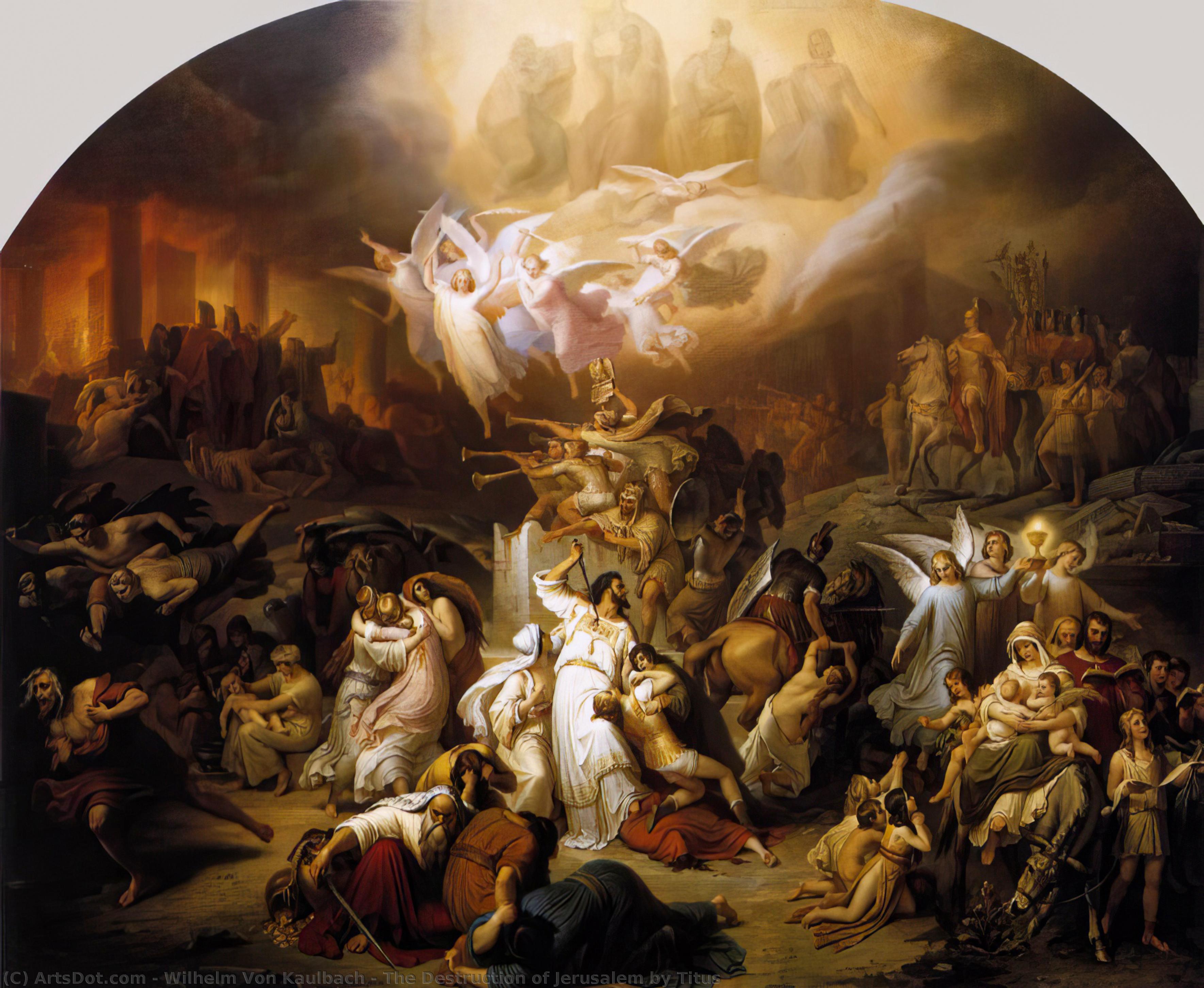
예루살렘 파괴
 캔버스에 유채
- 월아트
- Romanticism
 1846
1846- 19세기
 585.0 x 705.0 cm
 Neue Pinakothek
 더 보기
더 보기
수제 유화 복제품
원하는 크기와 액자로 주문 제작되는, 작가들이 직접 캔버스에 손으로 그린 유화 작품입니다. ( 프린트 주문으로 전환 이미지로 전환)




P118B $10

P118H $10

P118W $10

P438Z $10

P508JH $12

P508YH $12

P805H $10

P805Z $10

P919BZ $10

P919G $10

P919XJ $10

P959ZH $10

P968JZ $12

W106C $8

W218G $10

W218JH $8

W218Y $10

W307PJ $10

W316G $10

W316PJ $8

W316Y $10

W398PJ $8

W4111J $10

W500HY $15

W500JH $15

W692G $12

W849H $8

W940BG $15

W953PJ $8




작품의 원본 비율을 유지하는 미리 설정된 크기 중에서 선택하세요.

특정 프레임이나 공간에 맞도록 직접 크기를 입력할 수 있습니다. 선택하신 크기가 원본 이미지의 비율과 일치하지 않는 경우, 작품을 자르거나 추가적인 손으로 그린 요소를 사용하여 그림을 확장합니다. 제작 시작 전 승인을 위해 디지털 목업을 보내드립니다.
화면 미리 보기는 실제 자르기 또는 확장을 반영하지 않습니다. 최종 구성은 목업을 통해서만 정확하게 확인하실 수 있습니다.
맞춤 크기 제작도 가능하지만, 원본 비율을 유지하기 위해 사전 정의된 목록에서 크기를 선택하시는 것을 권장합니다.
주문 후 ArtsDot.com 팀에서 상세 안내를 위해 고객님께 이메일을 보내드리며, 미리보기 시안을 제공해 드립니다.


 유리 옵션은 110cm 미만 크기에서만 선택 가능합니다.

예루살렘 파괴
재현 기법
복제본 크기
-


최종 결제 금액
$ 438
작품 상세 설명
윌helm von Kaulbach의 ‘예루살렘 파괴’ – 격동의 시대, 인간의 고뇌를 담은 거장 작품
윌helm von Kaulbach(1805-1874)는 독일 미술사에서 가장 중요한 인물 중 한 명으로, 특히 벽화 제작에 기여하며 뒤셀도르프 학파를 형성하는 데 결정적인 역할을 했습니다. 그의 삶은 가난과 고통 속에서 시작되었지만, 예술에 대한 헌신을 통해 거장으로 성장했습니다. ‘예루살렘 파괴’는 바로 그 카울바흐의 예술적 깊이와 열정을 보여주는 대표작입니다. 이 작품은 단순한 역사적 사건의 재현을 넘어, 인간 존재의 근원적인 질문과 고뇌를 담고 있습니다.
- 시대적 배경: 1846년, 로마 제국의 황제 티투스에 의해 예루살렘 성전이 파괴된 사건을 바탕으로 합니다. 이 비극적인 사건은 유대인들에게 깊은 상처를 남겼으며, 서구 미술사에도 큰 영향을 미쳤습니다.
- 영향: 카울바흐는 고전주의와 바로크 양식의 영향을 받아, 웅장하고 극적인 분위기를 연출했습니다. 그의 작품은 당시 유럽 전역에서 ‘로망스’라는 새로운 예술 사조를 촉발하는 데 기여했습니다.
극적인 구성과 빛의 조화 – 카울바흐의 뛰어난 기법
‘예루살렘 파괴’는 카울바흐의 뛰어난 회화 기법을 보여주는 대표적인 작품입니다. 그는 캔버스에 오일 페인트를 사용하여, 극명한 대비를 통해 장면의 긴장감과 혼란스러움을 효과적으로 표현했습니다. 특히 빛과 그림자의 활용은 작품의 몰입도를 높이는 데 중요한 역할을 합니다. 밝게 빛나는 천사들의 모습은 희망을 상징하며, 어둠 속에 숨겨진 인간들의 고통스러운 표정은 비극적인 상황을 더욱 강조합니다.
- 색채: 작품 전체적으로 따뜻한 갈색과 붉은색, 금색이 주를 이루며, 이는 파괴와 희생의 이미지를 연상시킵니다.
- 기법: 카울바흐는 꼼꼼하고 섬세한 묘사 기술을 통해 옷감의 질감, 건축물의 디테일, 인물들의 표정을 생생하게 표현했습니다. 이러한 정교함은 작품의 현실감을 높이는 데 기여합니다.
상징과 의미 – 인간 존재에 대한 깊은 성찰
‘예루살렘 파괴’는 단순한 종교적 그림을 넘어, 인간 존재의 근원적인 질문을 던지는 작품입니다. 파괴되는 도시와 고통받는 사람들, 그리고 천사들의 모습은 모두 인간의 연약함과 신에 대한 믿음을 상징합니다. 이 작품은 또한 전쟁의 비극성과 인간의 존엄성에 대한 메시지를 전달하며, 시대를 초월하여 감동을 선사합니다.
- 천사: 천사들은 파괴 속에서 희망과 구원을 상징하지만, 동시에 인간의 죄와 고통에 대한 신의 심판을 나타내기도 합니다.
- 인물: 다양한 인물들의 모습은 인간의 다양성과 연약함을 보여주며, 파괴된 예루살렘의 비극 속에서 인간의 존엄성을 강조합니다.
고전적인 아름다움과 현대적 감동 – 당신의 공간을 위한 특별한 선택
‘예루살렘 파괴’는 585 x 705 cm라는 압도적인 크기로, 어떤 공간에서도 시선을 사로잡는 존재감을 드러냅니다. 이 작품은 거실, 서재, 호텔 등 다양한 장소에 배치하여 예술적 품격을 높일 수 있습니다. 또한, 고전적인 아름다움과 현대적인 감동을 동시에 느낄 수 있어, 소장 가치가 높은 작품입니다. 고품질의 손으로 그린 리프로ডাক션(복제품)을 통해 이 거장 작품의 위대함을 당신의 공간에서 경험해보세요.
유사한 작품들


작가 약력
The Architect of German Grandeur: The Life of Wilhelm von Kaulbach
In the sweeping landscape of nineteenth-century German art, few figures loom as large or as dramatically as Wilhelm von Kaulbach. Born in 1805 in the quiet town of Bad Arolsen, Kaulbach’s early years were far from the gilded halls of academia; instead, they were defined by a profound struggle against poverty and the harsh realities of rural life. This early exposure to hardship did not stifle his ambition but rather forged a resilient spirit that would later allow him to tackle the most monumental canvases of his era. His journey into the heart of the art world began with a transformative opportunity at the Düsseldorf Academy of Fine Arts, where the mentorship of luminaries like Peter von Cornelius would fundamentally reshape his artistic trajectory.
Kaulbach’s development was inextricably linked to the rise of the Düsseldorf School, a movement characterized by its pursuit of classical ideals blended with a distinctly German emotional depth. Under the guidance of Cornelius, Kaulbach learned to navigate the complex intersection of historical narrative and allegorical symbolism. His time at the academy was marked by intense dedication, often persevering through periods of hunger and deprivation to master the intricate techniques required for large-scale compositions. This period of rigorous training prepared him for his most significant professional undertaking: the creation of massive frescoes that would breathe life into the walls of Munich’s Glyptothek. Working alongside fellow artists like Schweitzer, Kaulbach participated in a painstaking process of translating detailed cartoons into vibrant, permanent displays of color and history.
Mastery of Narrative and Symbolism
The true essence of Kaulbach’s genius lies in his ability to weave complex historical and biblical narratives into visually arresting compositions. He possessed a rare talent for capturing the chaotic energy of human conflict while maintaining a sense of divine order or tragic inevitability. His works often serve as windows into the soul of Romanticism, where the line between the earthly and the eternal becomes blurred. To understand his impact, one must look at the thematic breadth of his repertoire:
- Biblical Catastrophe: In masterpieces such as The Destruction of Jerusalem by Titus, Kaulbach utilizes dramatic lighting and sweeping movement to evoke a sense of profound emotional impact and historical weight.
- Historical Allegory: His engravings and paintings, including works like Die Hunnenschlacht Raab, showcase his ability to depict moments of intense struggle, utilizing detailed linework to convey the chaos of battle and the presence of divine intervention.
- Satire and Illustration: Beyond the monumental, Kaulbach was a skilled book illustrator, capable of shifting from the epic scale of mural painting to the sharp, biting wit found in satirical works like Narrenhaus.
His technical prowess was not limited to a single medium; whether working in the delicate precision of an engraving or the expansive reach of a fresco, Kaulbach maintained a signature style characterized by rich symbolism and a profound sense of drama. His ability to utilize Baroque-inspired elements—such as the dramatic shadows seen in his depictions of the Fall of Babylon—allowed him to create works that felt both ancient and urgently contemporary to his nineteenth-century audience.
A Lasting Legacy in German Art
The historical significance of Wilhelm von Kaulbach extends far beyond the physical boundaries of the murals he painted. He was a pivotal figure who helped revitalize German art, moving it away from mere imitation of foreign styles toward a robust, self-assured aesthetic that celebrated national history and classical myth. By bridging the gap between the academic rigor of the Düsseldorf School and the emotive power of Romanticism, he provided a visual language for a generation seeking identity in a changing Europe.
Though the era of monumental mural painting eventually gave way to new artistic movements, Kaulbach’s influence remains etched in the annals of art history. He transformed the walls of museums and the pages of books into stages for the grandest human dramas, ensuring that his vision of history, faith, and struggle would endure. Today, he is remembered not just as a painter, but as a titan of his age—a man who took the hardships of his youth and transmuted them into a legacy of unparalleled artistic grandeur.

Wilhelm von Kaulbach
1805 - 1874 , Germany
주요 정보
- Artistic Movement Or Style: Düsseldorfs Schule
- Artists Or Movements Influenced By This Artist: ['Middle Ages']
- Artists Who Influenced This Artist: ['Peter von Cornelius']
- Date Of Birth: 1805
- Full Name: Wilhelm von Kaulbach
- Nationality: German
- Notable Artworks:
- Die Zerstorung Jerusalems
- Homer Und Die Griechen
- Die Reformation
- Place Of Birth: Bad Arolsen, Germany
관련 기사 더 보기

Romantic Realism's Finest: 10 Masterpieces for Your Home | ArtsDot
Explore 10 defining masterpieces of Romantic Realism! Discover Courbet, Millet & Daumier's powerful paintings—capturing emotion and social realities. Find museum-quality reproductions for your home at ArtsDot.com.

낭만 풍경화의 황홀! 예술사에 빛난 10대 걸작 탐구 | 와후아트
낭만주의 시대, 예술혼을 불태운 10대 풍경화 걸작! 터너부터 프리드리히까지, 시대를 초월하는 아름다움을 와후아트에서 만나보세요. 고흐의 색채와 코로의 섬세함이 당신의 공간에 영감을 더합니다. 지금 바로 와후아트에서 명품 미술 작품을 감상하고 구매하세요!
Romantic Masterpieces: 10 Artworks for a Timeless Home Decor Aesthetic
Fall in love with art! Explore 10 iconic romantic paintings – from Monet & Bouguereau to Fragonard. Discover the stories behind these masterpieces and find museum-quality reproductions for your home decor at .

Illuminating Faith: Biblical Narrative & Artistic Expression Through the Ages
Explore the rich history of biblical art from Giotto to the Renaissance masters with ArtsDot. Discover symbolism, techniques & enduring legacies. Museum-quality reproductions & expert insights.

Romantic Masterpieces: 10 Artworks to Stir Your Soul |
Fall in love with art! Explore 10 iconic romantic paintings – from Renaissance classics to Impressionist masterpieces. Discover the stories behind artists like Monet & Klimt, and find museum-quality reproductions for your home at .