


 미리보기
미리보기
 프린트 구매
 공유하기
공유하기 공유하기
공유하기
 상세 정보
상세 정보

 다운로드
다운로드
 유사 작품
유사 작품 X-레이
X-레이 슬라이드 쇼
마지막 만찬


 더 보기
더 보기




P118B $10

P118H $10

P118W $10

P438Z $10

P508JH $12

P508YH $12

P805H $10

P805Z $10

P919BZ $10

P919G $10

P919XJ $10

P959ZH $10

P968JZ $12

W106C $8

W218G $10

W218JH $8

W218Y $10

W307PJ $10

W316G $10

W316PJ $8

W316Y $10

W398PJ $8

W4111J $10

W500HY $15

W500JH $15

W692G $12

W849H $8

W940BG $15

W953PJ $8




작품의 원본 비율을 유지하는 미리 설정된 크기 중에서 선택하세요.

특정 프레임이나 공간에 맞도록 직접 크기를 입력할 수 있습니다. 선택하신 크기가 원본 이미지의 비율과 일치하지 않는 경우, 작품을 자르거나 추가적인 손으로 그린 요소를 사용하여 그림을 확장합니다. 제작 시작 전 승인을 위해 디지털 목업을 보내드립니다.
화면 미리 보기는 실제 자르기 또는 확장을 반영하지 않습니다. 최종 구성은 목업을 통해서만 정확하게 확인하실 수 있습니다.
맞춤 크기 제작도 가능하지만, 원본 비율을 유지하기 위해 사전 정의된 목록에서 크기를 선택하시는 것을 권장합니다.
주문 후 ArtsDot.com 팀에서 상세 안내를 위해 고객님께 이메일을 보내드리며, 미리보기 시안을 제공해 드립니다.


 유리 옵션은 110cm 미만 크기에서만 선택 가능합니다.

마지막 만찬
재현 기법
복제본 크기
-


최종 결제 금액
$ 263
작품 상세 설명
거브란드 반 데 에크호트의 마지막 만찬에 대한 심층 분석
거브란드 반 데 에크호트는 레메르트 광팬으로 명망받는 네덜란드의 황금 시대 화가로, 레메르트 하르메스존 반 리히의 위대한 업적을 이어가는 예술가였습니다. 그의 뛰어난 기교와 세밀함은 레메르트의 혁명적인 스타일에서 비롯되었으며, 특히 빛과 그림자를 활용한 표현 방식은 독특한 개성을 드러냈습니다. 레메르트는 이 기술과 비전을 통해 그에게 깊은 영향을 미쳤습니다. 레메르트의 지도를 받은 에크호트는 초기 교육 과정에서 레메르트가 사용했던 기법을 모방하여 관찰력과 표현력을 극대화했습니다. 그는 레메르트처럼 빛과 그림자를 활용한 극적인 효과를 추구하며, 특히 레메르트 특유의 명암 대비는 작품 전체에 깊은 감동감을 선사합니다. 이러한 스타일은 바로바로 바로바로 바로바로 바로바로 바로바로 바로바로 바로바로 바로바로 바로바로 바로바로 바로바로 바로바로 바로바로 바로바로 바로바로 바로바로 바로바로 바로바로 바로바로 바로바로 바로바로 바로바로 바로바로 바로바로 바로바로 바로바로 바로바로 바로바로 바로바로 바로바로 바로바로 바로바로 바로바로 바로바로 바로바로 바로바로 바로바로 바로바로 바로바로 바로바로 바로바로 바로바로 바로바로 바로바로 바로바로 바로바로 바로바로 바로바로 바로바로 바로바로 바로바로 바로바로 바로바로 바로바로 바로바로 바로바로 바로바로 바로바로 바로바로 바로바로 바로바로 바로바로 바로바로 바로바로 바로바로 바로바로 바로바로 바로바로 바로바로 바로바로 바로바로 바로바로 바로바로 바로바로 바로바로 바로바로 바로바로 바로바로 바로바로 바로바로 바로바로 바로바로 바로바로 바로바로 바로바로 바로바로 바로바로 바로바로 바로바로 바로바로 바로바로 바로바로 바로바로 바로바로 바로바로 바로바로 바로바로 바로바로 바로바로 바로바로 바로바로 바로바로 바로바로 바로바로 바로바로 바로바로 바로바로 바로바로 바로바로 바로바로 바로바로 바로바로 바로바로 바로바로 바로바로 바로바로 바로바로 바로바로 바로바로 바로바로 바로바로 바로바로 바로바로 바로바로 바로바로 바로바로 바로바로 바로바로 바로바로 바로바로 바로바로 바로바로 바로바로 바로바로 바로바로 바로바로 바로바로 바로바로 바로바로 바로바로 바로바로 바로바로 바로바로 바로바로 바로바로 바로바로 바로바로 바로바로 바로바로 바로바로 바로바로 바로바로 바로바로 바로바로 바로바로 바로바로 바로바로 바로바로 바로바로 바로바로 바로바로 바로바로 바로바로 바로바로 바로바로 바로바로 바로바로 바로바로 바로바로 바로바로 바로바로 바로바로 바로바로 바로바로 바로바로 바로바로 바로바로 바로바로 바로바로 바로바로 바로바로 바로바로 바로바로 바로바로 바로바로 바로바로 바로바로 바로바로 바로바로 바로바로 바로바로 바로바로 바로바로 바로바로 바로바로 바로바로 바로바로 바로바로 바로바로 바로바로 바로바로 바로바로 바로바로 바로바로 바로바로 바로바로 바로바로 바로바로 바로바로 바로바로 바로바로 바로바로 바로바로 바로바로 바로바로 바로바로 바로바로 바로바로 바로바로 바로바로 바로바로 바로바로 바로바로 바로바로 바로바로 바로바로 바로바로 바로바로 바로바로 바로바로 바로바로 바로바로 바로바로 바로바로 바로바로 바로바로 바로바로 바로바로 바로바로 바로바로 바로바로 바로바로 바로바로 바로바로 바로 바로바로 바로바로 바로바로 바로바로 바로바로 바로바로 바로바로 바로바로 바로바로 바로바로 바로바로 바로바로 바로바로 바로바로 바로바로 바로바로 바로바로 바로바로 바로바로 바로바로 바로바로 바로바로 바로바로 바로바로 바로바로 바로바로 바로바로 바로바로 바로바로 바로바로 바로바로 바로바로 바로바로 바로바로 바로바로 바로바로 바로바로 바로바로 바로바로 바로바로 바로바로 바로바로 바로바로 바로바로 바로바로 바로바로 바로바로 바로바로 바로바로 바로바로 바로바로 바로바로 바로바로 바로바로 바로바로 바로바로 바로바로 바로바로 바로바로 바로바로 바로바로 바로바로 바로바로 바로바로 바로바로 바로바로 바로바로 바로바로 바로바로 바로바로 바로바로 바로바로 바로바로 바로바로 바로바로 바로바로 바로바로 바로바로 바로바로 바로바로 바로바로 바로바로 바로바로 바로바로 바로바로 바로바로 바로바로 바로바로 바로바로 바로바로 바로바로 바로바로 바로바로 바로바로 바로바로 바로바로 바로바로 바로바로 바로바로 바로바로 바로바로 바로바로 바로바로 바로바로 바로바로 바로바로 바로바로 바로바로 바로바로 바로바로 바로바로 바로바로 바로바로 바로바로 바로바로 바로바로 바로바로 바로바로 바로바로 바로바로 바로바로 바로바로 바로바로 바로바로 바로바로 바로바로 바로바로 바로바로 바로바로 바로바로 바로바로 바로바로 바로바로 바로바로 바로바로 바로바로 바로바로 바로바로 바로바로 바로바로 바로바로 바로바로 바로바로 바로바로 바로바로 바로바로 바로바로 바로바로 바로바로 바로바로 바로바로 바로바로 바로바로 바로바로 바로바로 바로바로 바로바로 바로바로 바로바로 바로바로 바로바로 바로바로 바로바로 바로바로 바로바로 바로바로 바로바로 바로바로 바로바로 바로바로 바로바로 바로바로 바로바로 바로바로 바로바로 바로바로 바로바로 바로바로 바로바로 바로바로 바로바로 바로바로 바로바로 바로바로 바로바로 바로바로 바로바로 바로바로 바로바로 바로바로 바로바로 바로바로 바로바로 바로바로 바로바로 바로바로 바로바로 바로바로 바로바로 바로바로 바로바로 바로바로 바로바로 바로바로 바로바로 바로바로 바로바로 바로바로 바로바로 바로바로 바로바로 바로바로 바로바로 바로바로 바로바로 바로바로 바로바로 바로바로 바로바로 바로바로 바로바로 바로바로 바로바로 바로바로 바로바로 바로바로 바로바로 바로바로 바로바로 바로바로 바로바로 바로바로 바로바로 바로바로 바로바로 바로바로 바로바로 바로바로 바로바로 바로바로 바로바로 바로바로 바로바로 바로바로 바로바로 바로바로 바로바로 바로바로 바로바로 바로바로 바로바로 바로바로 바로바로 바로바로 바로바로 바로바로 바로바로 바로바로 바로바로 바로바로 바로바로 바로바로 바로바로 바로바로 바로바로 바로바로 바로바로 바로바로 바로바로 바로바로 바로바로 바로바로 바로바로 바로바로 바로바로 바로바로 바로바로 바로바로 바로바로 바로바로 바로바로 바로바로 바로바로 바로바로 바로바로 바로바로 바로바로 바로바로 바로바로 바로바로 바로바로 바로바로 바로바로 바로바로 바로바로 바로바로 바로바로 바로바로 바로바로 바로바로 바로바로 바로바로 바로바로 바로바로 바로바로 바로바로 바로바로 바로바로 바로바로 바로바로 바로바로 바로바로 바로바로 바로바로 바로바로 바로바로 바로바로 바로바로 바로바로 바로바로 바로바로 바로바로 바로바로 바로바로 바로바로 바로바로 바로바로 바로바로 바로바로 바로바로 바로바로 바로바로 바로바로 바로바로 바로바로 바로바로 바로바로 바로바로 바로바로 바로바로 바로바로 바로바로 바로바로 바로바로 바로바로 바로바로 바로바로 바로바로 바로바로 바로바로 바로바로 바로바로 바로바로 바로바로 바로바로 바로바로 바로바로 바로바로 바로바로 바로바로 바로바로 바로바로 바로바로 바로바로 바로바로 바로바로 바로바로 바로바로 바로바로 바로바로 바로바로 바로바로 바로바로 바로바로 바로바로 바로바로 바로바로 바로바로 바로바로 바로바로 바로바로 바로바로 바로바로 바로바로 바로바로 바로바로 바로바로 바로바로 바로바로 바로바로 바로바로 바로바로 바로바로 바로바로 바로바로 바로바로 바로바로 바로바로 바로바로 바로바로 바로바로 바로바로 바로바로 바로바로 바로바로 바로바로 바로바로 바로바로 바로바로 바로바로 바로바로 바로바로 바로바로 바로바로 바로바로 바로바로 바로바로 바로바로 바로바로 바로바로 바로바로 바로바로 바로바로 바로바로 바로바로 바로바로 바로바로 바로바로 바로바로 바로바로 바로바로 바로바로 바로바로 바로바로 바로바로 바로바로 바로바로 바로바로 바로바로 바로바로 바로바로 바로바로 바로바로 바로바로 바로바로 바로바로 바로바로 바로바로 바로바로 바로바로 바로바로 바로바로 바로바로 바로바로 바로바로 바로바로 바로바로 바로바로 바로바로 바로바로 바로바로 바로바로 바로바로 바로바로 바로바로 바로바로 바로바로 바로바로 바로바로 바로바로 바로바로 바로바로 바로바로 바로바로 바로바로 바로바로 바로바로 바로바로 바로바로 바로바로 바로바로 바로바로 바로바로 바로바로 바로바로 바로바로 바로바로 바로바로 바로바로 바로바로 바로바로 바로바로 바로바로 바로바로 바로바로 바로바로 바로바로 바로바로 바로바로 바로바로 바로바로 바로바로 바로바로 바로바로 바로바로 바로바로 바로바로 바로바로 바로바로 바로바로 바로바로 바로바로 바로바로 바로바로 바로바로 바로바로 바로바로 바로바로 바로바로 바로바로 바로바로 바로바로 바로바로 바로바로 바로바로 바로바로 바로바로 바로바로 바로바로 바로바로 바로바로 바로바로 바로바로 바로바로 바로바로 바로바로 바로바로 바로바로 바로바로 바로바로 바로바로 바로바로 바로바로 바로바로 바로바로 바로바로 바로바로 바로바로 바로바로 바로바로 바로바로 바로바로 바로바로 바로바로 바로바로 바로바로 바로바로 바로바로 바로바로 바로바로 바로바로 바로바로 바로바로 바로바로 바로바로 바로바로 바로바로 바로바로 바로바로 바로바로 바로바로 바로바로 바로바로 바로바로 바로바로 바로바로 바로바로 바로바로 바로바로 바로바로 바로바로 바로바로 바로바로 바로바로 바로바로 바로바로 바로바로 바로바로 바로바로 바로바로 바로바로 바로바로 바로바로 바로바로 바로바로 바로바로 바로바로 바로바로 바로바로 바로바로 바로바로 바로바로 바로바로 바로바로 바로바로 바로바로 바로바로 바로바로 바로바로 바로바로 바로바로 바로바로 바로바로 바로바로 바로바로 바로바로 바로바로 바로바로 바로바로 바로바로 바로바로 바로바로 바로바로 바로바로 바로바로 바로바로 바로바로 바로바로 바로바로 바로바로 바로바로 바로바로 바로바로 바로바로 바로바로 바로바로 바로바로 바로바로 바로바로 바로바로 바로유사한 작품들


작가 약력
The Legacy of a Master's Protégé
In the vibrant, bustling heart of seventeenth-century Amsterdam, a period defined by unparalleled cultural and economic prosperity, the name Gerbrand van den Eeckhout emerged as a significant voice within the Dutch Golden Age. While history often casts him in the long, dramatic shadow of his mentor, the legendary Rembrandt van Rijn, to view Eeckhout merely as a student is to overlook the profound sensitivity and technical refinement he brought to the canvas. Born in 1621, Eeckhout was shaped by the very atmosphere of the Dutch Baroque, an era where light, texture, and human emotion were captured with a devotion that bordered on the divine. His journey was one of deep connection to the masters of his time, yet it was marked by a persistent effort to find a visual language that was uniquely his own.
The foundation of Eeckhout’s artistry was laid within the walls of Rembrandt’s studio. As an apprentice, he did not simply learn the mechanics of paint application; he absorbed a philosophy of observation. From Rembrandt, he inherited a reverence for the interplay of light and shadow, yet as his career matured, Eeckhout began to diverge from the heavy, dramatic chiaroscuro that defined his teacher's most famous works. Instead, he developed a preference for softer gradations of tone and a more delicate atmospheric perspective. This subtle shift allowed him to create scenes that felt less like theatrical confrontations and more like intimate, quiet moments captured in time, imbuing his subjects with a psychological depth that resonated with the burgeoning middle class of the Netherlands.
Mastery of Portraiture and Genre
Eeckhout’s oeuvre is a testament to his versatility, ranging from the solemnity of formal portraiture to the narrative charm of genre scenes. His portraits are celebrated for their remarkable realism, particularly in the way he rendered the tactile qualities of fabric, lace, and skin. He possessed an uncanny ability to translate the social standing and inner character of his sitters through understated visual cues. In works such as A Young Woman Reading, one can witness his mastery of mood; the light does not merely illuminate the subject but seems to wrap around her, creating a sense of contemplative solitude that draws the viewer into her private world.
Beyond the individual portrait, Eeckhout excelled in capturing the pulse of everyday life. His genre paintings often depicted biblical or historical narratives, yet he grounded these grand themes in the domestic reality of his era. This technique bridged the gap between the epic and the intimate, making the divine feel accessible and human. His ability to compose complex scenes with a sense of naturalistic flow remains one of his most significant achievements. Even when depicting larger groups, there is a rhythmic balance to his compositions that prevents chaos, guiding the eye through a carefully orchestrated landscape of light and shadow.
Historical Significance and Artistic Spirit
The historical importance of Gerbrand van den Eeckhout lies in his role as a bridge between the intense emotionalism of the early Baroque and the more refined, observational style that would characterize later Dutch art. He was an artist who understood the power of nuance. While he could evoke the grandeur of the past, his true strength lay in the subtle: the glint of light on a silver goblet, the soft fold of a linen sleeve, or the fleeting expression of a thought passing through a subject's mind.
Though his life ended in 1674, leaving behind a legacy that continues to fascinate historians and art lovers alike, Eeckhout remains a vital figure for understanding the evolution of Dutch painting. His work serves as a reminder that greatness is not always found in the loudest shadows, but often in the most delicate light. To study his paintings is to experience the soul of the Dutch Golden Age—a period where the boundaries between the mundane and the magnificent were beautifully blurred by the brush of a master.

gerbrand van den eeckhout
1621 - 1674 , Netherlands
주요 정보
- Artistic Movement Or Style: Dutch Baroque
- Artists Or Movements Influenced By This Artist: ['Dutch Portraiture']
- Artists Who Influenced This Artist: ['Rembrandt']
- Date Of Birth: 1621
- Full Name: Gerbrand van den Eeckhout
- Nationality: Dutch
- Notable Artworks:
- The Astronomer
- Portrait of a Young Man
- Place Of Birth: Amsterdam, Netherlands
관련 기사 더 보기
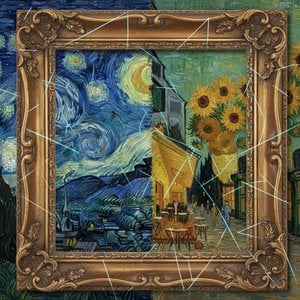
빈센트 반 고흐의 걸작 25선: 영혼을 울리는 명화 컬렉션 | ArtsDot
빈센트 반 고흐의 영혼을 담은 25개의 명작을 만나보세요. 별이 빛나는 밤, 해바라기 등 걸작의 숨겨진 이야기와 후기 인상주의 화풍을 ArtsDot에서 감상하고, 고품질 유화 재현 작품으로 공간에 예술적인 감성을 더하세요. 지금 바로 컬렉션을 탐험하세요!

Dutch Baroque Masters: 10 Paintings That Shaped an Era | ArtsDot
Journey through the Golden Age with our guide to the Top 10 Dutch Baroque masterpieces! Explore iconic paintings by Rembrandt, Vermeer & Frans Hals. Find museum-quality art reproductions and elevate your home decor at ArtsDot.com.

렘브란트 반 레인 명작 25선: 빛과 그림자의 거장, 예술의 정수를 만나다
렘브란트 반 레인 명작 25선을 만나보세요. 빛과 그림자의 거장이 그린 역사화, 초상화 속 예술의 정수를 감상하고, 네덜란드 황금시대 바로크 미술의 깊이를 느껴보세요. ArtsDot.com에서 고품질 복제화를 컬렉션하세요.
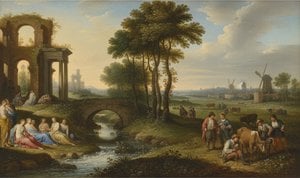
Cornelis van Poelenburch: Bridging Mannerism & the Dutch Baroque Landscape
Discover Cornelis van Poelenburch, a pivotal Dutch Baroque landscape painter bridging Mannerism & Italianate styles. Explore his life, key works, and lasting influence on 17th-century art with ArtsDot.

Golden Age Reflections: Dutch Baroque Painting & Cultural Innovation
Explore the Dutch Golden Age of painting! Discover key artists like Vermeer & ter Borch, their innovative techniques, and the rich cultural context behind these Baroque masterpieces. Learn about collecting & appreciating this iconic art period.


