
Self-Portrait

- 77.0 x 65.0 cm


선택하신 옵션에 따른 작품 정보입니다: , .
수집품 상세 설명
Discover Lambert Lombard's 'Self-Portrait,' a pivotal Northern Renaissance masterpiece bridging Italian and Flemish art. Explore his meticulous technique, contemplative expression, and legacy as an influential artist & educator.
 더 보기
작가 프로필
Discover Lambert Lombard (1505-1566), a pivotal Flemish Renaissance artist bridging Northern realism with Italianate ideals. Explore his masterful paintings & architectural designs.
간단한 4단계로 를 주문하세요
천천히 진행하셔도 좋습니다. 답변은 언제든 변경할 수 있으며, 선택 사항에 따라 주문 카드 내의 가격이 실시간으로 반영됩니다.
1 4단계 중 1단계
원하시는 사이즈를 선택해 주세요.
이 사이즈들은 원작의 비율을 그대로 유지합니다. 그림 속 예시는 2미터 길이의 소파 위 벽면에 선택하신 작품을 배치했을 때의 모습입니다.
또는 직접 치수 입력하기
작품의 원본 비율을 그대로 유지하는 프리셋 사이즈 중에서 선택해 보세요.

액자나 벽면 크기에 맞춰 필요한 가로와 세로 길이를 입력해 주세요. 본 작품은 수작업으로 제작되므로, 요청하신 비율에 따라 작가가 그림의 가장자리를 조금 더 넓게 그리거나 일부를 조정하여 작업할 수 있습니다. 작업 시작 전, 최종 확인을 위해 디지털 목업 이미지를 보내드립니다. 이 페이지에 표시된 이미지는 실제 결과물과 다를 수 있으며, 오직 목업 이미지만이 정확한 결과물을 보여줍니다.
2 4단계 중 2단계
어떤 방식으로 준비해 드릴까요: 롤 형태로, 캔버스에 씌워서, 또는 액자에 넣어?
아래 가격은 첫 번째 단계에서 선택하신 크기를 기준으로 합니다.
캔버스 옆면 스타일 선택
프레임을 선택하세요

화이트 테두리 ₩1

블러사이드 ₩1

옆면 확장형 ₩1

P118B ₩10

P118H ₩10

P118W ₩10

P438Z ₩10

P508JH ₩12

P508YH ₩12

P805H ₩10

P805Z ₩10

P919BZ ₩10

P919G ₩10

P919XJ ₩10

P959ZH ₩10

P968JZ ₩12

W106C ₩8

W218G ₩10

W218JH ₩8

W218Y ₩10

W307PJ ₩10

W316G ₩10

W316PJ ₩8

W316Y ₩10

W398PJ ₩8

W4111J ₩10

W500HY ₩15

W500JH ₩15

W692G ₩12

W849H ₩8

W940BG ₩15

W953PJ ₩8

H24-GOLD ₩30

H24-SILVER ₩30

H36-GOLD ₩45

H36-SILVER ₩45
액자형
몰딩: . 액자 포함 전체 크기: .
3 4단계 중 3단계
그림에서 변경하고 싶은 부분이 있으신가요?
대부분의 사람들은 아니라고 답합니다. 모든 작품은 수작업으로 제작되기에, 저희 작가는 고객님의 요청에 맞춰 작품을 변경해 드릴 수도 있습니다.
주문 완료 후, ArtsDot.com 팀에서 상세 안내를 위해 고객님께 이메일을 보내드리며, 시안 미리보기를 제공해 드립니다.
4 4단계 중 4단계
몇 가지 마감 옵션
모두 선택 사항입니다. 이미 선택된 답변에 대해서는 추가 비용이 발생하지 않습니다.
작가는 누구인가요?
박물관에 있는 것과 같은 명판을 원하시나요?
동판 각인 상세 정보
This elegant plaque features the artist's name and the title of the artwork, finely engraved for a timeless presentation.
It is made from bronze with a refined, elegant finish. The text is precisely laser-engraved for a sharp and permanent result. Measuring 9x2 cm, the plaque is compact yet easy to read. It's built to be durable and scratch-resistant, offering a professional, museum-quality look. Mounting is simple thanks to the included adhesive backing.
투명 아크릴 명판 상세 정보
The plaque includes essential engraved details such as the artist's name, the title of the artwork, the date it was created, the type of media used-like oil on canvas or watercolor-a brief description of the piece, and a QR code that links to the complete artwork information.
It is crafted from clear acrylic, offering a sleek, modern appearance. The text is UV-engraved in black to ensure strong visual contrast. With a size of 10x15 cm, it ensures optimal readability. It comes equipped with two metal hooks for secure wall mounting. The plaque is designed to be weather-resistant, making it suitable for various environments, and it includes interactive features that work seamlessly with smartphone scanning.
블랙 아크릴 명판 상세 정보
This elegant plaque includes engraved information such as the artist's name, the title of the artwork, the date it was created, the type of media used (like oil on canvas or watercolor), a short description of the artwork, and a QR code for quick access to more information.
The plaque itself is made from refined black acrylic with a premium finish. The text is laser-engraved in white for high contrast and readability. Its size is 10x15 cm, designed to be easy to read. It comes with two metal hooks for professional mounting. The design is sleek and fits any interior style. It is also weather-resistant and durable, with built-in digital integration for mobile compatibility.
보호용 바니시를 선택하시겠습니까?
언제 받기를 원하시나요?
✓ 확인 및 주문하기
주문하신 그대로의 작품

Self-Portrait
재현 기법
복제본 크기
-

엄선된 시니어 아티스트
더욱 세밀한 묘사와 정교함, 그리고 충분한 제작 시간
-

복제화 액자 구성
-
-
가로 또는 세로 중 어느 한 면이라도 105cm(약 41인치)를 초과하는 작품이나 복제화의 경우, 프레임은 분해된 키트 형태로 배송됩니다. 이는 안전한 배송을 보장하고 운송 중 발생할 수 있는 손상을 방지하기 위함입니다.
전문가 조립 권장 - 본 제품은 DIY용이 아닙니다.
해당 키트는 숙련된 전문 프레임 제작자가 목공용 풀(별도 구매), 캔버스 스트레칭 플라이어 및 풀이 마르는 동안 나무 틀의 수평을 유지할 클램프를 사용하여 캔버스를 팽팽하게 고정하고 조립해야 합니다. 잘못된 조립이나 불균형한 캔버스 장력은 작품에 영구적인 손상을 입힐 수 있으며, 이로 인한 손상은 보증 범위에 포함되지 않습니다.
 가로 또는 세로 중 어느 한 면이라도 105cm(약 41인치)를 초과하는 작품이나 복제화의 경우, 프레임은 분해된 키트 형태로 배송됩니다. 이는 안전한 배송을 보장하고 운송 중 발생할 수 있는 손상을 방지하기 위함입니다.
모든 원목 부재가 포함되어 있으며, 조립에 딱 맞게 정밀하게 재단되었습니다.
제공된 나사와 함께, 별도로 준비해야 하는 모서리 접합부용 목공용 풀을 사용하여 조립합니다. (목공용 풀은 포함되어 있지 않으므로 제작자께서 직접 준비해 주셔야 합니다.)
전문가용 도구가 필요하며 키트에 포함되어 있지 않습니다: 캔버스 스트레칭 플라이어(텐셔너)와 접착제가 마르는 동안 나무 틀의 수평을 유지하기 위한 클램프가 필요합니다.
주의사항:
모서리 접합부에는 목공용 풀이 필요하며, 풀이 완전히 마를 때까지 클램프로 바(bar)를 고정해야 합니다. 또한 조립된 프레임에 캔버스를 팽팽하게 당기려면 캔버스 스트레칭 플라이어가 필요합니다. 이 제품들 중 어느 것도 키트에 포함되어 있지 않습니다. 이 사이즈를 주문하시기 전에 숙련된 전문 액자 제작업체를 미리 섭외하시기 바랍니다.

작품 설명문
-
-

보호용 바니시
유광 바니시(색감을 선명하게 하며 빛과 습기로부터 보호함)
-

내 작품 맞춤 설정
변경 가능한 예시: 얼굴을 고객의 사진으로 교체, 반려동물 추가(예: 고양이를 강아지로 변경), 배경에 숨겨진 메시지 삽입, 배경 풍경 또는 요소 변경.
-

빠른 배송
전 세계 배송()은 기존 5주의 표준 기간 대신 3~4주 내에 완료됩니다. (20 11월). 품질에는 어떠한 타협도 하지 않습니다.
-
특급 배송
전 세계 배송(): 약 5주 소요 (27 11월).
포함됨
최종 결제 금액
₩ 348793
유리 옵션은 110cm 미만 크기에서만 선택 가능합니다.
모든 주문에 포함되는 혜택
- 전 세계 무료 특급 배송
- 프리미엄 린넨 캔버스
- 배송 전 과정 보험 적용
- 관세 및 수입세 환급 보장 서비스
- 원본과 동일한 색상 구현 보장
- 100일 이내 반품 정책 (결함 발생 시)
- 100% 환불 보장
- 다량 구매 할인 혜택


A Bridge Between Worlds: Introducing Lambert Lombard and His Self-Portrait
Lambert Lombard's "Self-Portrait," a remarkably intimate work completed around 1560, stands as a pivotal testament to the burgeoning artistic landscape of the Northern Renaissance. More than simply a likeness, this painting embodies Lombard’s unique position – a crucial intermediary between the fervent innovations of Italy and the established traditions of the Low Countries. Born in Liège in 1505, Lombard wasn't merely an artist; he was a deliberate seeker, driven by an intellectual curiosity that propelled him to master both Italianate ideals and the distinctive realism of his native Flanders. His apprenticeship under Jan Gossaert instilled within him a meticulous approach, a dedication to detail, and a profound understanding of capturing human form with remarkable accuracy – qualities vividly displayed in this compelling self-representation.
The painting immediately draws the eye to its subject: a man of considerable presence, dressed in the formal attire characteristic of the upper classes. The dark coat, accented by a crisp white collar, speaks volumes about his social standing and reflects the prevailing fashion of the period. Lombard’s beard and mustache, hallmarks of Northern Renaissance portraiture, contribute to an air of dignified contemplation. However, it is not merely outward appearance that commands attention; the artist has skillfully employed light and shadow to sculpt the face, revealing a subtle complexity beneath the surface. The gaze, directed slightly off-center, suggests introspection – a moment of quiet reflection, inviting the viewer into his inner world.
Technique and Composition: A Masterclass in Northern Renaissance Realism
Lombard’s technique is a testament to his training and experience. The painting showcases a remarkable level of detail, particularly evident in the rendering of the hair and facial features. Each strand appears meticulously placed, each wrinkle subtly defined. This dedication to realism is balanced by an understanding of atmospheric perspective – the background fades gently into a muted light, creating depth and drawing attention to the central figure. Note the careful use of chiaroscuro, the dramatic interplay of light and shadow, which not only enhances the three-dimensionality of the portrait but also contributes to its emotional impact.
The composition is remarkably balanced, with the subject positioned centrally within a restrained frame. The plain background – a wash of pale color – serves as an effective foil for the darker tones of the clothing and the subtle shadows on the face. This deliberate simplicity directs all attention towards Lombard himself, reinforcing his importance as both the artist and the subject. The small object held in his right hand—likely a coin or piece of jewelry—adds another layer of intrigue, prompting speculation about its significance and perhaps hinting at the man’s personal life.
Symbolism and Historical Context: A Reflection of Renaissance Thought
Lombard's self-portrait is more than just a portrait; it’s a statement. During the Renaissance, artists increasingly sought to elevate their status from mere craftsmen to intellectual figures – men of learning and culture. Lombard’s deliberate inclusion in his own work reflects this shift, asserting his artistic identity and demonstrating his mastery of technique. The contemplative expression suggests a man engaged with philosophical ideas, mirroring the humanist values that were gaining prominence during the period.
Further research reveals that Lombard was deeply involved in disseminating Italian Renaissance ideals throughout the Low Countries. As described in the WGA article, he traveled to Rome, bringing back not only artworks but also new artistic principles and a renewed appreciation for the role of the artist as a scholar and innovator. This self-portrait can be seen as a visual embodiment of this transformative journey – a bridge between the classical world of Italy and the evolving artistic traditions of his homeland.
Bringing Lombard’s Vision Home: A High-Quality Reproduction
ArtsDot offers meticulously crafted, hand-painted reproductions of Lambert Lombard's "Self-Portrait," allowing you to experience this remarkable work of art in stunning detail. Our skilled artisans replicate the painting’s nuanced techniques and atmospheric effects with exceptional accuracy, ensuring that your reproduction captures the essence of Lombard’s artistic vision. Whether displayed in a formal setting or cherished as a personal treasure, this reproduction serves as a beautiful reminder of the Renaissance spirit – a testament to human intellect, artistry, and the enduring power of self-reflection.
질의응답
Lambert Lombard의 "Self-Portrait"의 원화는 어디에서 감상할 수 있나요?
Lambert Lombard의 "Self-Portrait"의 원작은 에르미타주 박물관, Saint Petersburg, Russia에 소장되어 있습니다. 복제화를 통해 이 작품을 집에서도 감상하실 수 있습니다.
Lambert Lombard의 "Self-Portrait" 작품은 어떤 공간에 잘 어울릴까요?
Lambert Lombard의 "Self-Portrait"은(는) Living Room에 추천하는 작품입니다. 이 제안은 작품의 주제, 색상 및 분위기를 바탕으로 합니다.
"Self-Portrait"의 작가는 누구이며, 어떤 화풍인가요?
"Self-Portrait"은(는) Lambert Lombard의 작품으로, Northern Renaissance 운동을 대표합니다.
이 작품에 대해 더 알아보기
 미리보기

 프린트 판매로 전환
 공유하기
 공유하기
 상세 정보
 가이드 보기


 다운로드
 유사 작품 더 보기
 X-레이
 슬라이드 쇼 보기
 질의응답
 통계 정보
유사한 작품들


Lambert Lombard
1505 - 1566, Belgium
작가 정보
A Bridge Between Worlds: The Life and Art of Lambert Lombard
Lambert Lombard, born in Liège around 1505 and passing in 1566, occupies a fascinating, pivotal position within the landscape of Renaissance art. He wasn’t merely an artist; he was a conduit, skillfully channeling the burgeoning innovations of the Italian High Renaissance into the artistic traditions of the Low Countries. His story is one of deliberate seeking, intellectual curiosity, and a commitment to elevating the status of art through both practice and pedagogy. While details surrounding his early life remain somewhat elusive, we know Lombard received his initial training within Liège itself, laying the groundwork for a career that would see him flourish as both painter and architect. A crucial turning point arrived with his apprenticeship under Jan Gossaert, known also as Mabuse, in Middelburg. This exposure to the evolving styles of Northern Renaissance painting proved formative, instilling in Lombard a meticulous attention to detail and a mastery of oil technique that would characterize much of his work.Rome and the Embrace of Italianate Ideals
Lombard’s artistic trajectory took a dramatic turn in 1537 when Prince-Bishop Erard de la Marck dispatched him to Rome. This wasn't simply an art-buying mission; it was a calculated investment in Lombard’s development, a deliberate attempt to immerse him in the heart of the Italian Renaissance. The impact of this journey proved profound. Surrounded by the masterpieces of Michelangelo and Raphael, Lombard absorbed the classical ideals of form, composition, and anatomical accuracy that defined the era. He returned to Liège not only with artworks for the Prince-Bishop’s collection but also with a renewed artistic vision—a desire to synthesize the Northern realism he had mastered with the grandeur and intellectual rigor of Italian art. This fusion would become the hallmark of his style, setting him apart from many of his contemporaries. The influence is visible in his increasing emphasis on idealized figures and more dynamic compositions, moving away from the earlier Gothic influences prevalent in the region.A Multifaceted Talent: Painting, Architecture, and Academia
Securing the prestigious position of court painter and architect to the Prince-Bishopric of Liège in 1532 provided Lombard with both artistic freedom and significant responsibility. He wasn’t confined solely to the canvas; he actively participated in architectural projects throughout the region, demonstrating a versatility that speaks to his broad intellectual curiosity. Though relatively few paintings survive today—a frustrating reality for art historians—numerous drawings attributed to him offer invaluable insight into his creative process, revealing a restless experimentation with form and composition. Beyond his artistic endeavors, Lombard’s most enduring legacy lies in his establishment of what is considered the first academy of art in the Low Countries. This institution wasn't merely a workshop; it was a center for intellectual exchange, where students were encouraged to study not only technique but also classical literature, history, and philosophy—a holistic approach to artistic education that was remarkably forward-thinking for its time.Legacy and the Shaping of Future Generations
The impact of Lombard’s academy resonated far beyond Liège. Among his most prominent pupils were figures who would themselves become leading artists of their generation. Frans Floris, a master of Mannerism, further developed Lombard's stylistic innovations, pushing the boundaries of composition and figural representation. Hendrick Goltzius, renowned for his masterful engravings and paintings, carried forward Lombard’s emphasis on anatomical accuracy and dramatic expression. And Dominicus Lampsonius, a humanist scholar and art historian, not only absorbed Lombard’s artistic principles but also immortalized him through a detailed biography—a crucial source of information about the artist's life and work. The Life of Lambert Lombard, penned by Lampsonius, remains an invaluable resource for understanding Lombard’s intellectual ambitions and his role in shaping the artistic landscape of the Low Countries. Lombard’s historical significance rests not only on his own artistic achievements but also on his ability to synthesize diverse influences and transmit them to a new generation of artists, solidifying his position as a key figure in the cultural and artistic development of the 16th century. His work stands as a testament to the power of cross-cultural exchange and the enduring legacy of Renaissance ideals.Notable Works
- The Miracle of the Loaves and Fishes: A dynamic Mannerist painting that exemplifies Lombard’s ability to blend Northern realism with Italianate drama, showcasing a biblical scene with rich textures and captivating spiritual intensity.
- Triptychs: Demonstrating his skill in multi-panel compositions, these works reveal Lombard's mastery of narrative storytelling and complex spatial arrangements.
- The Last Supper: Reflecting the influence of Italian Renaissance masters like Leonardo da Vinci, this painting showcases a sophisticated understanding of perspective and composition, creating a sense of depth and realism.
관련 콘텐츠

Reflecting the Self: A History of Portraiture & Psychological Insight
Explore the fascinating history of self-portraiture from Renaissance masters like Dürer & Rembrandt to modern interpretations. Discover the psychological insights and artistic techniques behind these iconic works. Expert analysis for art enthusiasts.
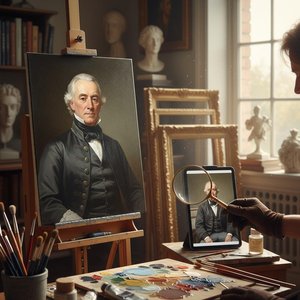
전 세계 무료 배송·4~5주 완성! ArtsDot 사진 기반 맞춤 손그림 오일화 작품으로 고급 예술 컬렉션 업그레이드
ArtsDot은 사진을 기반으로 한 맞춤 손그림 유화를 전문적으로 제작합니다. 4~5주 완성·전 세계 무료 배송, 최고급 재료와 장인정신이 결합된 작품으로 컬렉터의 신뢰를 얻습니다.
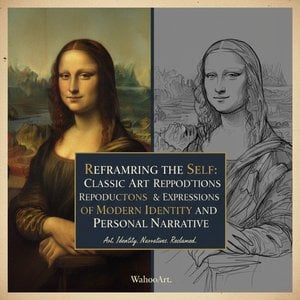
맞춤형 예술 복제를 통한 현대적 정체성 표현 및 개인 서사 구축
나만의 개성을 담은 맞춤형 예술 복제 작품을 만나보세요. 전문 화가들이 제작하는 고품질 유화, 초상화로 특별한 공간과 의미를 더하세요. 지금 바로 상담받고 삶의 서사를 예술로 표현해보세요!