


선택하신 옵션에 따른 작품 정보입니다: , .
수집품 상세 설명
Explore the unsettling yet captivating world of James Ensor, a pioneer of Expressionism. Discover his satirical masterpieces, symbolic imagery & lasting influence on modern art. High-quality reproductions available at ArtsDot.
 더 보기
더 보기
간단한 4단계로 를 주문하세요
천천히 진행하셔도 좋습니다. 답변은 언제든 변경할 수 있으며, 선택 사항에 따라 주문 카드 내의 가격이 실시간으로 반영됩니다.
1 4단계 중 1단계
On which medium should it be printed?
Canvas is printed with giclée inks and can be stretched or framed like a painting; paper comes flat, or framed behind glass.
2 4단계 중 2단계
원하시는 사이즈를 선택해 주세요.
이 사이즈들은 원작의 비율을 그대로 유지합니다. 그림 속 예시는 2미터 길이의 소파 위 벽면에 선택하신 작품을 배치했을 때의 모습입니다.
또는 직접 치수 입력하기
작품의 원본 비율을 그대로 유지하는 프리셋 사이즈 중에서 선택해 보세요.

액자나 벽면 크기에 맞춰 필요한 가로와 세로 길이를 입력해 주세요. 프린트는 원본 이미지보다 크게 제작할 수 없으며 오직 자르는 것만 가능하므로, 비율이 다른 사이즈를 선택할 경우 이미지의 일부가 잘려 나갈 수 있습니다. 인쇄 작업에 들어가기 전, 최종 확인을 위해 디지털 목업을 보내드립니다. 이 페이지에 표시된 이미지는 실제 잘리는 영역을 나타내지 않으며, 오직 목업을 통해서만 정확한 확인이 가능합니다.
3 4단계 중 3단계
어떤 방식으로 준비해 드릴까요: 롤 형태로, 캔버스에 씌워서, 또는 액자에 넣어?
아래 가격은 첫 번째 단계에서 선택하신 크기를 기준으로 합니다.
캔버스 옆면 스타일 선택
프레임을 선택하세요

화이트 테두리 ₩1

블러사이드 ₩1

옆면 확장형 ₩1

P118B ₩10

P118H ₩10

P118W ₩10

P438Z ₩10

P508JH ₩12

P508YH ₩12

P805H ₩10

P805Z ₩10

P919BZ ₩10

P919G ₩10

P919XJ ₩10

P959ZH ₩10

P968JZ ₩12

W106C ₩8

W218G ₩10

W218JH ₩8

W218Y ₩10

W307PJ ₩10

W316G ₩10

W316PJ ₩8

W316Y ₩10

W398PJ ₩8

W4111J ₩10

W500HY ₩15

W500JH ₩15

W692G ₩12

W849H ₩8

W940BG ₩15

W953PJ ₩8

H24-GOLD ₩30

H24-SILVER ₩30

H36-GOLD ₩45

H36-SILVER ₩45
액자형
몰딩: . 액자 포함 전체 크기: .
4 4단계 중 4단계
몇 가지 마감 옵션
모두 선택 사항입니다. 이미 선택된 답변에 대해서는 추가 비용이 발생하지 않습니다.
전 세계 배송()은 일반적인 4~5주의 소요 기간 대신 2주 이내에 완료됩니다. (22 11월)
박물관에 있는 것과 같은 명판을 원하시나요?
동판 각인 상세 정보
This elegant plaque features the artist's name and the title of the artwork, finely engraved for a timeless presentation.
It is made from bronze with a refined, elegant finish. The text is precisely laser-engraved for a sharp and permanent result. Measuring 9x2 cm, the plaque is compact yet easy to read. It's built to be durable and scratch-resistant, offering a professional, museum-quality look. Mounting is simple thanks to the included adhesive backing.
투명 아크릴 명판 상세 정보
The plaque includes essential engraved details such as the artist's name, the title of the artwork, the date it was created, the type of media used-like oil on canvas or watercolor-a brief description of the piece, and a QR code that links to the complete artwork information.
It is crafted from clear acrylic, offering a sleek, modern appearance. The text is UV-engraved in black to ensure strong visual contrast. With a size of 10x15 cm, it ensures optimal readability. It comes equipped with two metal hooks for secure wall mounting. The plaque is designed to be weather-resistant, making it suitable for various environments, and it includes interactive features that work seamlessly with smartphone scanning.
블랙 아크릴 명판 상세 정보
This elegant plaque includes engraved information such as the artist's name, the title of the artwork, the date it was created, the type of media used (like oil on canvas or watercolor), a short description of the artwork, and a QR code for quick access to more information.
The plaque itself is made from refined black acrylic with a premium finish. The text is laser-engraved in white for high contrast and readability. Its size is 10x15 cm, designed to be easy to read. It comes with two metal hooks for professional mounting. The design is sleek and fits any interior style. It is also weather-resistant and durable, with built-in digital integration for mobile compatibility.
보호용 바니시를 선택하시겠습니까?
언제 받기를 원하시나요?
✓ 확인 및 주문하기
Your print, as you ordered it

James Ensor Portrait d' Eugene Demolder
재현 기법
복제본 크기
-

복제화 액자 구성
-
-
가로 또는 세로 중 어느 한 면이라도 105cm(약 41인치)를 초과하는 작품이나 복제화의 경우, 프레임은 분해된 키트 형태로 배송됩니다. 이는 안전한 배송을 보장하고 운송 중 발생할 수 있는 손상을 방지하기 위함입니다.
전문가 조립 권장 - 본 제품은 DIY용이 아닙니다.
해당 키트는 숙련된 전문 프레임 제작자가 목공용 풀(별도 구매), 캔버스 스트레칭 플라이어 및 풀이 마르는 동안 나무 틀의 수평을 유지할 클램프를 사용하여 캔버스를 팽팽하게 고정하고 조립해야 합니다. 잘못된 조립이나 불균형한 캔버스 장력은 작품에 영구적인 손상을 입힐 수 있으며, 이로 인한 손상은 보증 범위에 포함되지 않습니다.
 가로 또는 세로 중 어느 한 면이라도 105cm(약 41인치)를 초과하는 작품이나 복제화의 경우, 프레임은 분해된 키트 형태로 배송됩니다. 이는 안전한 배송을 보장하고 운송 중 발생할 수 있는 손상을 방지하기 위함입니다.
모든 원목 부재가 포함되어 있으며, 조립에 딱 맞게 정밀하게 재단되었습니다.
제공된 나사와 함께, 별도로 준비해야 하는 모서리 접합부용 목공용 풀을 사용하여 조립합니다. (목공용 풀은 포함되어 있지 않으므로 제작자께서 직접 준비해 주셔야 합니다.)
전문가용 도구가 필요하며 키트에 포함되어 있지 않습니다: 캔버스 스트레칭 플라이어(텐셔너)와 접착제가 마르는 동안 나무 틀의 수평을 유지하기 위한 클램프가 필요합니다.
주의사항:
모서리 접합부에는 목공용 풀이 필요하며, 풀이 완전히 마를 때까지 클램프로 바(bar)를 고정해야 합니다. 또한 조립된 프레임에 캔버스를 팽팽하게 당기려면 캔버스 스트레칭 플라이어가 필요합니다. 이 제품들 중 어느 것도 키트에 포함되어 있지 않습니다. 이 사이즈를 주문하시기 전에 숙련된 전문 액자 제작업체를 미리 섭외하시기 바랍니다.

작품 설명문
-
-

보호용 바니시
유광 바니시(색감을 선명하게 하며 빛과 습기로부터 보호함)
-

빠른 배송
전 세계 배송()이 표준 기간인 4~5주 대신 2주 만에 도착합니다. (22 11월)
-
특급 배송
전 세계 배송 ()은 4~5주 정도 소요됩니다. (29 11월).
포함됨
최종 결제 금액
₩ 83456
유리 옵션은 110cm 미만 크기에서만 선택 가능합니다.
모든 주문에 포함되는 혜택
- 전 세계 무료 특급 배송
- 프리미엄 린넨 캔버스
- 배송 전 과정 보험 적용
- 관세 및 수입세 환급 보장 서비스
- 원본과 동일한 색상 구현 보장
- 100일 이내 반품 정책 (결함 발생 시)
- 100% 환불 보장
- 다량 구매 할인 혜택


James Ensor Portrait d' Eugene Demolder: A Mask of Memory and Unease
James Ensor’s “Portrait d’Eugene Demolder,” painted circa 1906, stands as a cornerstone of Expressionist art—a haunting meditation on identity, social observation, and the pervasive influence of psychological anxieties. More than just a likeness of a man, it's an embodiment of Ensor’s signature stylistic approach: meticulously crafted detail juxtaposed with deliberately jarring distortions that unsettle the viewer’s gaze.
- Subject Matter: The portrait depicts Eugene Demolder, a Belgian lawyer and prominent figure in Ostend society. However, Ensor doesn't present him as an idealized hero; instead, he renders Demolder within a claustrophobic interior space dominated by a scarlet robe—a bold visual choice that immediately establishes a tone of theatrical grandeur and impending doom.
- Style & Technique: Ensor’s technique is characterized by meticulous oil paint application, layering thin glazes to achieve remarkable tonal subtlety. Yet, this careful realism is undermined by expressive brushstrokes and deliberate cropping—a stylistic hallmark of Expressionism—that heighten the emotional intensity of the scene.
- Historical Context: Created during a period of significant artistic experimentation in Europe, “Portrait d’Eugene Demolder” aligns perfectly with the burgeoning interest in psychological exploration championed by artists like Edvard Munch and Sigmund Freud. Ensor's work reflects the anxieties of his time—the disillusionment following World War I, the questioning of societal norms, and a growing preoccupation with the darker recesses of the human psyche.
Symbolism & Emotional Impact: The scarlet robe is arguably the painting’s most potent symbol. Traditionally associated with royalty and religious authority, its presence here feels incongruous—almost grotesque—suggesting a deliberate disruption of established hierarchies and hinting at an underlying sense of unease. Ensor's masterful use of color contributes significantly to this emotional resonance; the crimson hue pulsates with unsettling vibrancy, mirroring the psychological turmoil depicted within.
Furthermore, the inclusion of secondary figures – a man holding a bowl and another reading—adds layers of narrative complexity. They serve as silent witnesses to Demolder’s presence, reinforcing the idea that he is not merely an individual but also part of a larger social tableau. Ensor's gaze directs our attention outwards, prompting contemplation on the role of individuals within society and the inescapable influence of external forces on human experience.
A reproduction of “Portrait d’Eugene Demolder” offers more than just visual beauty; it invites viewers to engage in a dialogue with Ensor’s artistic vision—a vision rooted in psychological depth, social critique, and an unwavering commitment to confronting uncomfortable truths. ArtsDot presents exceptional quality reproductions that capture the essence of this iconic masterpiece.
질의응답
"James Ensor Portrait d' Eugene Demolder"의 Expressionist Surrealism 양식에는 어떤 정서적 어조가 담겨 있나요?
"James Ensor Portrait d' Eugene Demolder"은 Expressionist Surrealism 운동의 흐름 속에서 Melancholic 정서를 담아내고 있습니다.
제임스 엔소르의 "James Ensor Portrait d' Eugene Demolder"은(는) Expressionist Surrealism를 작가의 모국과 어떻게 연결하고 있나요?
Expressionist Surrealism 양식의 작품 "James Ensor Portrait d' Eugene Demolder"은 벨기에 출신의 작가에 의해 탄생했습니다.
제임스 엔소르의 "James Ensor Portrait d' Eugene Demolder"의 주된 색조는 무엇인가요?
제임스 엔소르의 "James Ensor Portrait d' Eugene Demolder"에는 Ochre to Sepia 빛깔이 감돕니다.
이 작품에 대해 더 알아보기
 미리보기
미리보기
 수작업 채색 복제본 주문하기
 공유하기
공유하기 공유하기
공유하기
 상세 정보
상세 정보 가이드 보기

 다운로드
다운로드
 유사 작품 더 보기
 X-레이
X-레이 슬라이드 쇼 보기
 질의응답
질의응답 통계 정보
통계 정보유사한 작품들


![성 프란치스코 전설 - [11] - 술탄 앞의 성 프란치스코 (불 시험) — 조토 디 본도네, 원시 르네상스](/media/artworks/images-thumb/0d/32/0d328acfb6c90f7ef32707586e86044b.jpg)


제임스 엔소르
1860 - 1949, 벨기에
작가 정보
유년 시절과 가족, 그리고 예술적 훈련
제임스 엔서는 1860년 4월 13일, 벨기에 오스텐드에서 태어났습니다. 그의 정체성은 독특한 문화적 교차점에서 형성되었습니다. 그의 아버지 제임스 프레데릭 엔서는 영국인 부모 사이에서 브뤼셀에서 태어났고, 어머니 마리아 카테리나 헤게만은 벨기에인이었습니다. 이러한 이중적 혈통은 그가 지역적 전통이라는 좁은 틀에서 벗어나 독자적인 시각을 가질 수 있는 토대가 되었습니다. 성장 과정에서 예술가인 그는 오스텐드에서 부모님이 운영하던 기념품 가게 안에서 생활했습니다. 이 환경은 단순한 주거 공간을 넘어, 기이하고 장식적인 것들이 가득한 저장고와도 같았습니다. 가게를 가득 채운 조개껍데기, 카니발 가면, 그리고 기묘한 물건들은 훗날 그의 작품 세계를 지탱할 시각적 언어가 되었습니다.
그의 정규 미술 교육은 시행착오의 연속이었습니다. 아카데미라는 체계적인 환경에 들어서기 전, 그는 두 명의 지역 화가 밑에서 예술적 훈련을 시작했습니다. 이러한 초기 교육은 훗날 그가 자유롭게 변형하고 왜곡할 수 있는 기술적 토대를 마련해 주었습니다. 1877년부터 1880년까지 그는 브뤼셀의 왕립 미술 아카데미(Académie Royale des Beaux-Arts)에서 수학했습니다. 하지만 아카데미의 엄격한 규율 속에서도 그의 관심사는 제도적 기대와는 늘 거리를 두었습니다. 그는 당대의 관습을 따르는 학생이 아니었습니다; 그는 오스텐드에서 자신을 둘러싼 사물들을 탐구하는 관찰자였습니다.
예술적 스타일의 진화
제임스 엔서의 초기 작품들은 그의 성숙기 작품들을 정의하는 심리적 마찰감이 다소 부족했습니다. 러시아 음악(1881)이나 술꾼들(1883)과 같은 작품에서 볼 수 있듯이, 초기에는 침울하고 사실적인 틀 안에서 작업이 이루어졌습니다. 이러한 구도들은 차분한 색조와 일상생활에 대한 전통적인 묘사에 의존하고 있었습니다. 이는 그의 시각적 언어가 근본적인 변화를 겪기 전, 여전히 사실주의라는 중력에 묶여 있던 예술가의 모습을 보여줍니다. 그러나 그는 결국 이러한 절제를 버리고, 소재가 점점 더 기괴해짐에 따라 색채를 대폭 밝게 사용하는 파격적인 선택을 내리게 됩니다.
이러한 기괴함으로의 전환은 가면이라는 소재에 대한 특별한 매혹에서 비롯되었습니다. 그는 가족이 운영하던 기념품 가게에서 발견한 카니발 가면의 입체적인 형태와 강렬한 색채에 마음을 빼앗겼습니다. 이 오브제들은 단순한 소품에 머물지 않고 그의 미학의 중심이 되었습니다. 그는 가면을 정물화에 통합시켜 연극적인 분위기를 자아냈으며, 이를 통해 일상적인 장면의 평온함을 깨뜨렸습니다. 이처럼 비이성적인 세계로 나아간 시도는 그가 단순한 재현을 넘어 심리적 긴장감이 감도는 공간으로 나아갈 수 있게 한 원동력이 되었습니다.
- 스캔들받은 가면들 (1883)
- 굴 먹는 여인 (1882/1883)
- 고난의 사람 (1891)
주요 작품과 핵심 주제
가면과 기괴함에 대한 제임스 엔서의 집착은 현대적 시대의 심리적 긴장감과 직접적으로 맞닿아 있습니다. 1883년 작 가면의 스캔들에서 그는 카니발이라는 모티프를 활용해 사회적 가식의 껍데기를 벗겨냄으로써, 변장(disguise)이 지닌 힘에 대한 초기적 관심을 드러냈습니다. 연극적이고 불안을 자아내는 요소들에 대한 이러한 매혹은 단순한 스타일의 선택을 넘어, 정체성을 탐구하기 위한 하나의 방법론이었습니다. 1882년 작 굴 먹는 여인은 빛과 색채를 다루는 그의 또 다른 재능을 보여주는데, 안트베르펜 살롱의 보수적인 감수성에 도전했던 이 작품은 그의 누이 미첼을 묘사하며 당시의 경직된 규범과 그의 예술적 비전 사이의 마찰을 극명하게 보여줍니다.
더욱 공격적이고 표현주의적인 형태로 나아가는 예술가의 변화는 그의 기념비적인 구도에서 가장 뚜렷하게 나타납니다. 브뤼셀 입성하는 그리스도(1888-1889)는 혼란스럽고 화려한 색채의 기괴한 행렬을 통해 현대 사회를 풍자하며, 20세기 표현주의의 선구자적 역할을 수행합니다. 이러한 실존적 투쟁의 정서는 1891년 작 고난받는 그리스도에서 더욱 심화됩니다. 이 유화 작품은 그리스도의 고난을 일본 노(Noh) 가면의 이질적인 이미지와 결합함으로써, 인간의 행동과 사회적 무관심에 대한 깊은 좌절을 종교적, 알레고리적 주제를 통해 표출해 냅니다.
죽음과 존재의 부조리는 그의 작품 세계를 관통하는 핵심 주제입니다. 교형 집행된 자를 두고 싸우는 해골들(1891)은 해골 형상을 통해 관람객을 부패와 죽음이라는 현실 앞에 직면하게 합니다. 죄와 유혹, 그리고 겉모습의 취약함이라는 반복되는 주제들은 그의 작품이 오늘날까지도 강력한 연구 대상이 되게 합니다. 이처럼 어둡고 때로는 불편한 진실들을 하나의 일관된 시각적 언어로 통합해 내는 능력이야말로, 모더니즘으로의 전환기에 제임스 엔서가 기여한 핵심적인 가치라 할 수 있습니다.
오늘날 그의 작품을 만날 수 있는 곳
세계 유수의 미술관들에 소장된 제임스 엔서의 작품들은 모더니즘의 발전에 그가 남긴 지울 수 없는 족적을 여실히 증명합니다. 안트베르펜의 왕립 미술관에는 슬픔의 사람과 굴 먹는 여인이라는 두 점의 중요한 걸작이 자리하고 있습니다. 이 작품들은 종교적 긴장감부터 일상적인 풍경에 이르기까지, 자유자재로 넘나드는 예술가의 폭넓은 기술적 스펙트럼을 보여줍니다. 그의 영향력은 대서양을 건너 뉴욕의 현대 미술관(MoMA)까지 뻗어 있으며, 이곳에서는 기괴하고 심리적인 세계로의 전환을 보여주는 대표작인 성 안토니의 고난을 만나볼 수 있습니다.
그가 구축한 독창적인 이미지의 울림은 전 세계로 퍼져 나갑니다. 로스앤젤레스의 게티 센터에는 그의 가장 격렬한 사회적 비판이 담긴 거대한 구도, 브뤼셀로 입성하는 그리스도가 소장되어 있습니다. 한편, 포트워스의 킴벨 미술관에서는 몸을 녹이는 해골들을 감상할 수 있습니다. 이처럼 세계 곳곳에 흩어져 있는 그의 작품들은, 아카데믹한 규범을 거부하며 탄생한 그만의 독특한 시각 언어가 오늘날에도 수많은 학자와 관람객들에게 끊임없이 말을 걸고 있음을 보여줍니다.
- 슬픔의 사람
- 굴 먹는 여인
- 성 안토니의 고난
- 브뤼셀로 입성하는 그리스도
- 몸을 녹이는 해골들


관련 콘텐츠

Unmasking the Grotesque: The Top 25 Masterpieces by James Ensor
Explore James Ensor's iconic masks and grotesque masterpieces. Discover the full collection online at ArtsDot.com.

25 Must-See Masterpieces at the Royal Museums of Fine Arts of Belgium
Discover 25 iconic masterpieces from the Royal Museums of Fine Arts of Belgium. Explore the legends on ArtsDot.com.
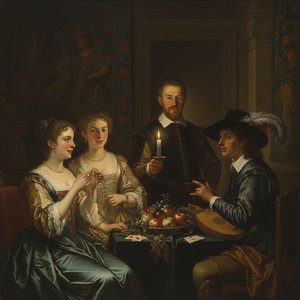
Gerard van Honthorst: Illuminating the Dutch Golden Age with Caravaggism & Courtly Grace
Explore the captivating world of Gerard van Honthorst, a Dutch Golden Age master renowned for his dramatic chiaroscuro & courtly portraits. Discover his life, art, and lasting influence on Baroque painting.