

 실제 크기로 보기
 프린트 판매로 전환
 보내기
보내기 공유하기
공유하기
 가이드 보기

 이미지 다운로드
 유사 작품 더 보기
 X-레이
X-레이 슬라이드 쇼 보기
 통계 정보
통계 정보Exotic Flower (Fleur exotique)

에두아르 마네 (1832 – 1883)
에두아르 마네(1832-1883), 사실주의와 인상주의를 잇는 선구자! '피크닉 하는 사람들', '올림피아' 등 현대 파리의 삶을 대담하게 담아낸 작품들을 만나보세요. 현대 미술의 흐름을 바꾼 혁신적인 화가입니다.
A Portrait of Modern Sensuality
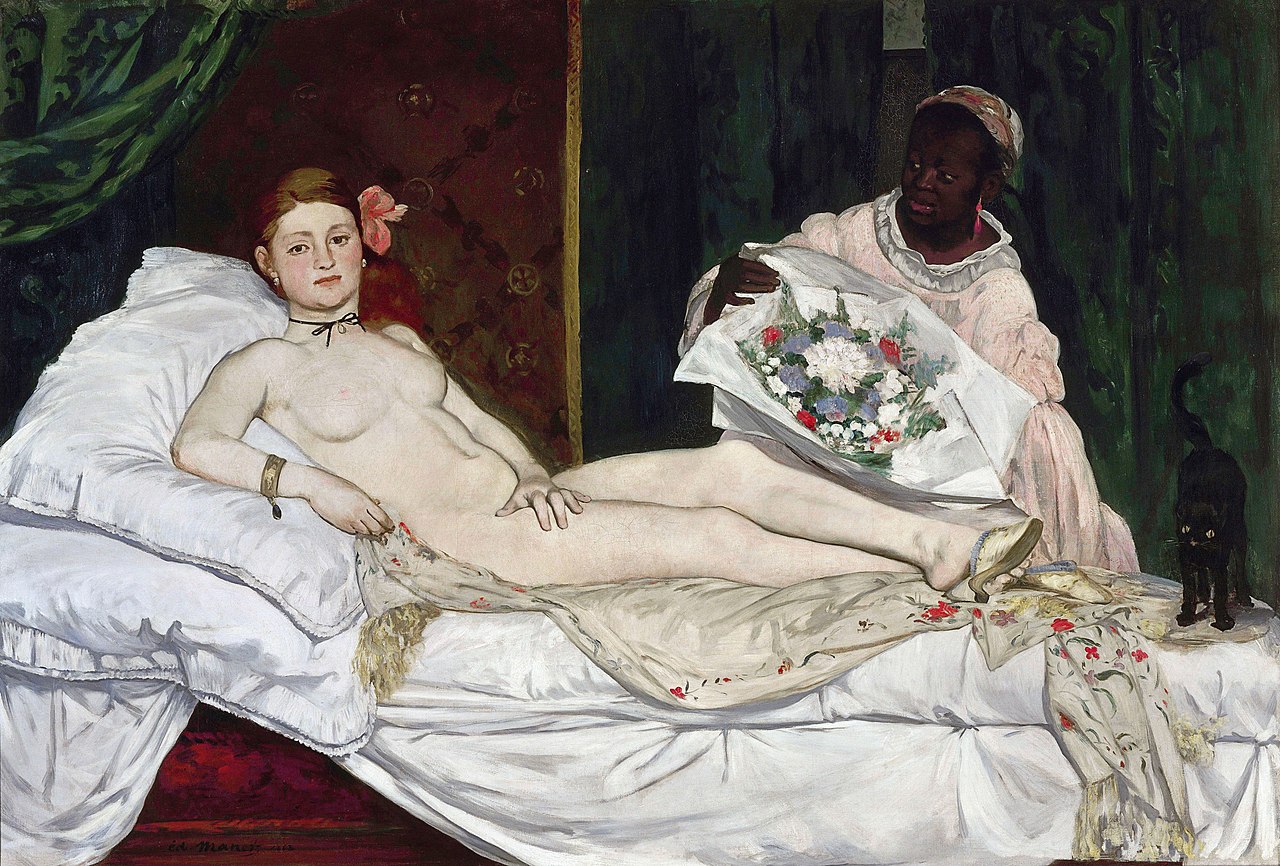
Édouard Manet's Olympia (1863) isn't merely a painting; it’s a seismic event in the history of art. Born from the burgeoning energy of 19th-century Paris, this work immediately polarized audiences and critics alike, forever altering the trajectory of artistic representation. It depicts Olympia, a nude woman reclining on a bed, attended by her black servant Laure who presents her with flowers – a scene that, at first glance, seems straightforward. However, beneath the surface lies a complex layering of symbolism, social commentary, and a radical departure from established academic conventions.
Breaking the Mould: Realism and the Salon
Prior to Olympia, artists were largely bound by the dictates of the French Academy, which favored idealized nudes rooted in classical mythology – figures like Venus or Psyche. Manet, however, was captivated by contemporary life, particularly the burgeoning world of Parisian nightlife and its inhabitants. He sought to capture a raw, unvarnished truth, rejecting the smooth surfaces and artificial lighting that characterized academic painting. This ambition directly challenged the established Salon, the official art exhibition where artists showcased their work. The Salon’s conservative tastes were outraged by Manet's unflinching portrayal of a modern woman – a *demi-mondaine*, or courtesan – presented with a disconcerting directness.
Decoding the Symbols: A Complex Narrative
The painting is rife with symbolic details, each contributing to its provocative narrative. Olympia’s confrontational gaze, unlike the passive acceptance of classical nudes, suggests agency and awareness. The orchid flower in her hair, a symbol of luxury and sensuality, is presented by Laure, who holds it in a way that subtly diminishes its significance – a gesture interpreted as rejecting the superficiality of wealth. The black cat, traditionally associated with nocturnal activities and bad luck, further reinforces this sense of transgression. Even the discarded slipper symbolizes a rejection of conventional domestic roles. The stark lighting, devoid of traditional chiaroscuro, adds to the painting’s unsettling realism, emphasizing Olympia's physicality and challenging viewers to confront their own voyeuristic impulses.
Influence and Legacy: A Catalyst for Impressionism
Despite the initial controversy, Olympia proved profoundly influential. Its rejection of academic conventions paved the way for the rise of Impressionism, a movement that prioritized capturing fleeting moments of light and color. Manet’s bold use of brushstrokes, his focus on contemporary subjects, and his willingness to challenge societal norms inspired generations of artists. The painting remains a powerful testament to Manet's artistic vision – a revolutionary gaze that continues to captivate and provoke debate over 150 years later. It stands as a pivotal work in the transition from Realism to Modern Art, forever altering our understanding of portraiture and the role of art in society.
이 작품에 대하여
- 제목: Exotic Flower (Fleur exotique)
- 작가: 에두아르 마네
- 형식: Portrait
- 저작권 상태: 퍼블릭 도메인
- 동세: Impressionism
- 창작 시기: Mature Period
- 주요 키워드: 1863 , symbolism , french art
- 체감 밝기: bright
- 주제: édouard manet , parisian life , nude
주요 정보
- Title: Exotic Flower
- Subject or theme: Floral depiction
- Year: 1968
- Notable elements: Confrontational gaze
- Artistic style: Modernist, Realist
- Influences:
- Titian
- Velázquez
- Artist: Édouard Manet