


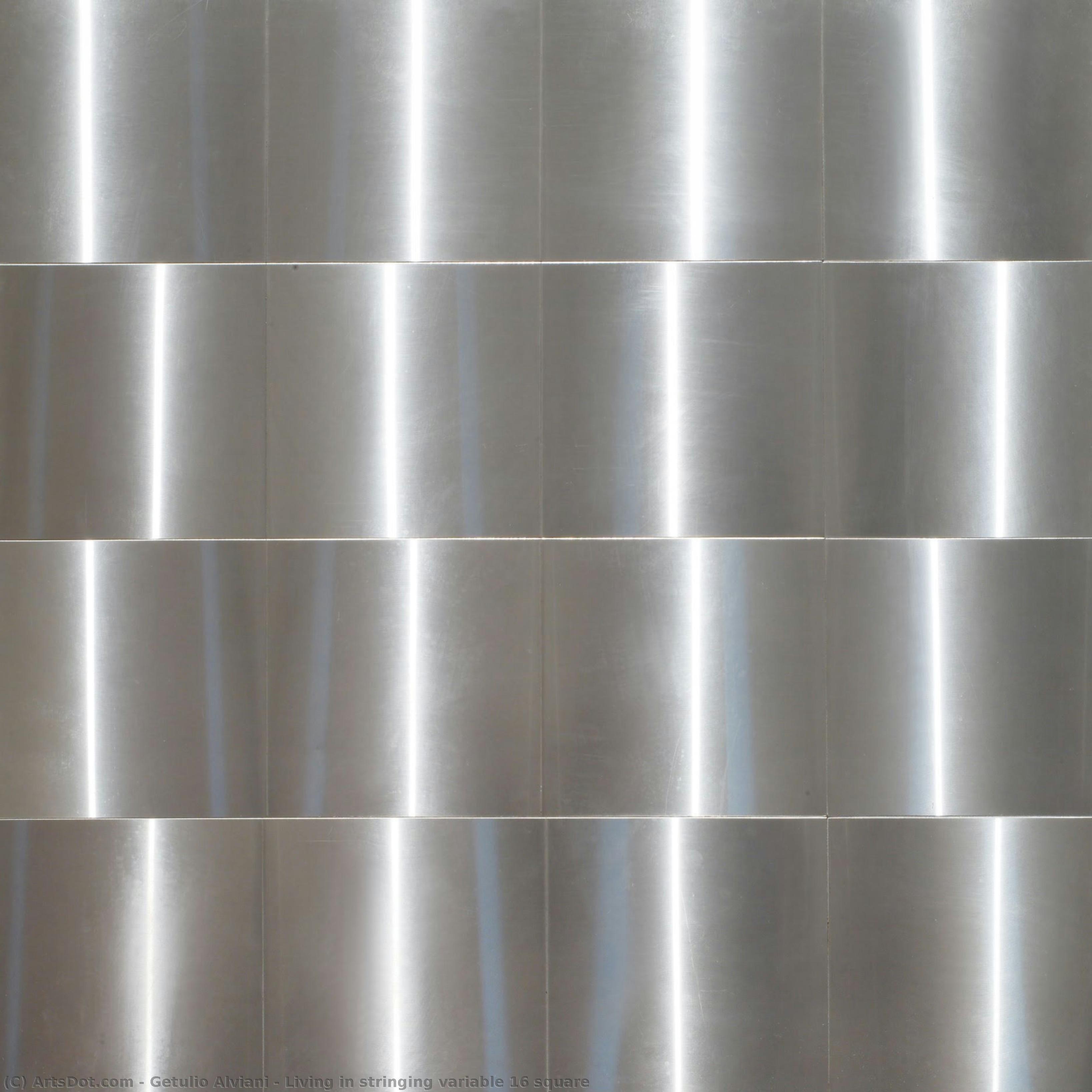
선택하신 옵션에 따른 작품 정보입니다: , .
작가 프로필
Explore Getulio Alviani's innovative optical & kinetic art! Known for 'Superficie a testura vibratile,' his work blends illusion, aluminum, and dynamic visual experiences.
 더 보기
본 작품은 저작권법의 보호를 받습니다.
이 페이지에 표시된 작품은 저작권법의 보호를 받으며, 이에 따라 동일한 복제품을 제작하거나 판매하는 것은 법으로 금지되어 있습니다. 이러한 권리 보호는 다음과 같은 국제 협약에 따라 시행됩니다. 베른 협약 또한 다음에서 명시하는 법률을 포함한 국내법에 의해 보호됩니다. 미국 저작권법 제17조.
저희는 존중을 담은 합법적인 대안으로서, 원작에서 영감을 받은 맞춤형 수제 유화 작품을 제공합니다. 저희의 숙련된 전문 화가들은 원작의 스타일, 분위기, 예술적 정수를 면밀히 연구하여, 그 자체로 독창적인 창작물이면서도 원작과 동일한 감동을 불러일으키는 새로운 작품을 만들어냅니다.
이 방식은 저작권 보호를 받는 예술 작품을 복제하거나 그대로 재현하는 것이 아니기에 저작권 규정을 완벽히 준수합니다. 대신, 이는 창의적인 재해석의 과정을 거칩니다. 즉, 원작에서 영감을 받되 원작과 동일하지 않은 새로운 회화 작품을 의미합니다.
간단한 4단계로 를 주문하세요
천천히 진행하셔도 좋습니다. 답변은 언제든 변경할 수 있으며, 선택 사항에 따라 주문 카드 내의 가격이 실시간으로 반영됩니다.
1 4단계 중 1단계
On which medium should it be printed?
Canvas is printed with giclée inks and can be stretched or framed like a painting; paper comes flat, or framed behind glass.
2 4단계 중 2단계
원하시는 사이즈를 선택해 주세요.
이 사이즈들은 원작의 비율을 그대로 유지합니다. 그림 속 예시는 2미터 길이의 소파 위 벽면에 선택하신 작품을 배치했을 때의 모습입니다.
또는 직접 치수 입력하기
작품의 원본 비율을 그대로 유지하는 프리셋 사이즈 중에서 선택해 보세요.

액자나 벽면 크기에 맞춰 필요한 가로와 세로 길이를 입력해 주세요. 프린트는 원본 이미지보다 크게 제작할 수 없으며 오직 자르는 것만 가능하므로, 비율이 다른 사이즈를 선택할 경우 이미지의 일부가 잘려 나갈 수 있습니다. 인쇄 작업에 들어가기 전, 최종 확인을 위해 디지털 목업을 보내드립니다. 이 페이지에 표시된 이미지는 실제 잘리는 영역을 나타내지 않으며, 오직 목업을 통해서만 정확한 확인이 가능합니다.
3 4단계 중 3단계
어떤 방식으로 준비해 드릴까요: 롤 형태로, 캔버스에 씌워서, 또는 액자에 넣어?
아래 가격은 첫 번째 단계에서 선택하신 크기를 기준으로 합니다.
캔버스 옆면 스타일 선택
프레임을 선택하세요

화이트 테두리 ₩1

블러사이드 ₩1

옆면 확장형 ₩1

P118B ₩10

P118H ₩10

P118W ₩10

P438Z ₩10

P508JH ₩12

P508YH ₩12

P805H ₩10

P805Z ₩10

P919BZ ₩10

P919G ₩10

P919XJ ₩10

P959ZH ₩10

P968JZ ₩12

W106C ₩8

W218G ₩10

W218JH ₩8

W218Y ₩10

W307PJ ₩10

W316G ₩10

W316PJ ₩8

W316Y ₩10

W398PJ ₩8

W4111J ₩10

W500HY ₩15

W500JH ₩15

W692G ₩12

W849H ₩8

W940BG ₩15

W953PJ ₩8

H24-GOLD ₩30

H24-SILVER ₩30

H36-GOLD ₩45

H36-SILVER ₩45
액자형
몰딩: . 액자 포함 전체 크기: .
4 4단계 중 4단계
몇 가지 마감 옵션
모두 선택 사항입니다. 이미 선택된 답변에 대해서는 추가 비용이 발생하지 않습니다.
전 세계 배송()은 일반적인 4~5주의 소요 기간 대신 2주 이내에 완료됩니다. (21 11월)
박물관에 있는 것과 같은 명판을 원하시나요?
동판 각인 상세 정보
This elegant plaque features the artist's name and the title of the artwork, finely engraved for a timeless presentation.
It is made from bronze with a refined, elegant finish. The text is precisely laser-engraved for a sharp and permanent result. Measuring 9x2 cm, the plaque is compact yet easy to read. It's built to be durable and scratch-resistant, offering a professional, museum-quality look. Mounting is simple thanks to the included adhesive backing.
투명 아크릴 명판 상세 정보
The plaque includes essential engraved details such as the artist's name, the title of the artwork, the date it was created, the type of media used-like oil on canvas or watercolor-a brief description of the piece, and a QR code that links to the complete artwork information.
It is crafted from clear acrylic, offering a sleek, modern appearance. The text is UV-engraved in black to ensure strong visual contrast. With a size of 10x15 cm, it ensures optimal readability. It comes equipped with two metal hooks for secure wall mounting. The plaque is designed to be weather-resistant, making it suitable for various environments, and it includes interactive features that work seamlessly with smartphone scanning.
블랙 아크릴 명판 상세 정보
This elegant plaque includes engraved information such as the artist's name, the title of the artwork, the date it was created, the type of media used (like oil on canvas or watercolor), a short description of the artwork, and a QR code for quick access to more information.
The plaque itself is made from refined black acrylic with a premium finish. The text is laser-engraved in white for high contrast and readability. Its size is 10x15 cm, designed to be easy to read. It comes with two metal hooks for professional mounting. The design is sleek and fits any interior style. It is also weather-resistant and durable, with built-in digital integration for mobile compatibility.
보호용 바니시를 선택하시겠습니까?
언제 받기를 원하시나요?
✓ 확인 및 주문하기
Your print, as you ordered it

Living in stringing variable 16 square
재현 기법
복제본 크기
-

복제화 액자 구성
-
-
가로 또는 세로 중 어느 한 면이라도 105cm(약 41인치)를 초과하는 작품이나 복제화의 경우, 프레임은 분해된 키트 형태로 배송됩니다. 이는 안전한 배송을 보장하고 운송 중 발생할 수 있는 손상을 방지하기 위함입니다.
전문가 조립 권장 - 본 제품은 DIY용이 아닙니다.
해당 키트는 숙련된 전문 프레임 제작자가 목공용 풀(별도 구매), 캔버스 스트레칭 플라이어 및 풀이 마르는 동안 나무 틀의 수평을 유지할 클램프를 사용하여 캔버스를 팽팽하게 고정하고 조립해야 합니다. 잘못된 조립이나 불균형한 캔버스 장력은 작품에 영구적인 손상을 입힐 수 있으며, 이로 인한 손상은 보증 범위에 포함되지 않습니다.
 가로 또는 세로 중 어느 한 면이라도 105cm(약 41인치)를 초과하는 작품이나 복제화의 경우, 프레임은 분해된 키트 형태로 배송됩니다. 이는 안전한 배송을 보장하고 운송 중 발생할 수 있는 손상을 방지하기 위함입니다.
모든 원목 부재가 포함되어 있으며, 조립에 딱 맞게 정밀하게 재단되었습니다.
제공된 나사와 함께, 별도로 준비해야 하는 모서리 접합부용 목공용 풀을 사용하여 조립합니다. (목공용 풀은 포함되어 있지 않으므로 제작자께서 직접 준비해 주셔야 합니다.)
전문가용 도구가 필요하며 키트에 포함되어 있지 않습니다: 캔버스 스트레칭 플라이어(텐셔너)와 접착제가 마르는 동안 나무 틀의 수평을 유지하기 위한 클램프가 필요합니다.
주의사항:
모서리 접합부에는 목공용 풀이 필요하며, 풀이 완전히 마를 때까지 클램프로 바(bar)를 고정해야 합니다. 또한 조립된 프레임에 캔버스를 팽팽하게 당기려면 캔버스 스트레칭 플라이어가 필요합니다. 이 제품들 중 어느 것도 키트에 포함되어 있지 않습니다. 이 사이즈를 주문하시기 전에 숙련된 전문 액자 제작업체를 미리 섭외하시기 바랍니다.

작품 설명문
-
-

보호용 바니시
유광 바니시(색감을 선명하게 하며 빛과 습기로부터 보호함)
-

빠른 배송
전 세계 배송()이 표준 기간인 4~5주 대신 2주 만에 도착합니다. (21 11월)
-
특급 배송
전 세계 배송 ()은 4~5주 정도 소요됩니다. (28 11월).
포함됨
최종 결제 금액
₩ 83456
유리 옵션은 110cm 미만 크기에서만 선택 가능합니다.
모든 주문에 포함되는 혜택
- 전 세계 무료 특급 배송
- 프리미엄 린넨 캔버스
- 배송 전 과정 보험 적용
- 관세 및 수입세 환급 보장 서비스
- 원본과 동일한 색상 구현 보장
- 100일 이내 반품 정책 (결함 발생 시)
- 100% 환불 보장
- 다량 구매 할인 혜택


이 작품에 대해 더 알아보기
 미리보기

 수작업 채색 복제본 주문하기
 공유하기
 공유하기
 상세 정보
 가이드 보기


 다운로드
 유사 작품 더 보기
 X-레이
 슬라이드 쇼 보기
 질의응답
 통계 정보
유사한 작품들


Getulio Alviani
1939 - 2018, Italy
작가 정보
A Pioneer of Optical Dynamics: The Life and Art of Getulio Alviani
Getulio Alviani, born in Udine, Italy, in 1939 and passing away in Milan in 2018, stands as a pivotal figure in the evolution of post-war abstract art. He wasn’t merely a painter or sculptor; he was an ‘inventor in plasticity,’ as he described himself—a relentless explorer of visual perception, light, and movement. His early life hinted at his future path, demonstrating a keen aptitude for design and geometric drawing even as a child. While initially enrolled at the Venice Art School, Alviani quickly found traditional academic approaches limiting, preferring instead to immerse himself in the study of classical masterpieces and practical work assisting local architects with technical projects like etchings. This blend of artistic appreciation and hands-on experience laid the foundation for his unique approach. He began working within industrial design, a realm that would profoundly shape his aesthetic sensibilities and provide crucial insights into the relationship between form, function, and perception.From Industrial Design to Kinetic Exploration
The late 1950s marked a turning point in Alviani’s career as he delved deeper into the complexities of “production” and “construction.” His initial foray into art involved designing electric pipes, winning a competition that showcased his innovative thinking. This led to a position as artistic director for Ave, a prominent company, where he honed his skills in graphic design and visual communication. However, it was during this period that Alviani’s fascination with the interplay of light and reflective surfaces began to take hold. Working within a factory environment, he observed polished aluminum surfaces and recognized their potential to create dynamic visual effects through manipulation—polishing and abrasion became tools for unlocking new perceptual experiences. This experimentation culminated in his landmark series, “Superfici a testura vibratile” (Vibrating Texture Surfaces), which would propel him onto the international art stage. These weren’t static objects but rather carefully constructed surfaces designed to interact with light, shifting and changing depending on the viewer's angle of observation. In 1961, his invitation to the Zagreb exhibition “Nove Tendencije” connected him with a network of like-minded artists exploring optical and kinetic art—Julio Le Parc, François Morellet, and Enrico Castellani among them. This exchange of ideas was crucial in solidifying Alviani’s commitment to a dynamic art that actively engaged the viewer.The Milan Years: Dialogue with Masters and International Recognition
Alviani's move to Milan in 1962 proved transformative. The city became his base, fostering collaborations and dialogues with some of Italy’s most influential artists—Lucio Fontana, Piero Manzoni, Max Bill, and Bruno Munari. Fontana, particularly, recognized the potential in Alviani’s work, acquiring several “surfaces” and demonstrating a keen understanding of their innovative qualities. This period saw Alviani refine his techniques and explore new avenues within optical art. He wasn't simply interested in creating illusions; he sought to understand *how* perception itself functioned. His participation in the 1964 Venice Biennale, sharing space with Enrico Castellani, further cemented his reputation. The pinnacle of early recognition came in 1965 with an invitation to William C. Seitz’s groundbreaking exhibition “The Responsive Eye” at MoMA in New York. This show, dedicated to Kinetic and Programmed Art, brought Alviani's work to a global audience, and the museum’s acquisition of one of his pieces—used as a poster image for subsequent exhibitions—underscored its significance. His inclusion in Documenta 4 in Kassel in 1968 further solidified his position within the international art community.A Legacy of Interaction: Beyond Painting and Sculpture
Throughout the 1970s, Alviani expanded his artistic horizons, traveling to South America and accepting a directorship at the Jesús Soto Museum of Modern Art in Ciudad Bolívar, Venezuela. This period broadened his perspective and reinforced his commitment to fostering dynamic art experiences. While primarily known for his “Superfici a testura variabile” – polished aluminum works that reflected light in ever-changing hues – Alviani’s artistic output was remarkably diverse. He explored “chromodynamic surfaces,” investigating primary color interactions, and created mesmerizing “mirrors” with their illusion of rings formed on reflective metal. His work consistently challenged the boundaries between painting, sculpture, and design. Alviani wasn't content to simply create objects; he aimed to create experiences. He authored a book on Josef Albers in 1988, demonstrating his deep engagement with art theory and history, and collaborated with Giancarlo Pauletto on a volume dedicated to Michel Seuphor. His work continues to be actively traded in international auctions, prized for its intellectual rigor, formal precision, and captivating visual effects. Getulio Alviani’s legacy lies not only in his stunning creations but also in his unwavering commitment to exploring the fundamental principles of perception and interaction—a pursuit that continues to inspire artists today.관련 콘텐츠
Beyond Representation: Exploring the Radical Geometry of Suprematism & Its Spiritual Foundations
Explore the revolutionary world of Suprematism with our expert guide. Discover Kazimir Malevich's groundbreaking art, its spiritual foundations & lasting influence on modern design. Learn about collecting this iconic movement.

기하학적 추상 미술을 정의한 명작 10가지 | ArtsDot.com
몬드리안, 말레비치 등 거장들의 기하학적 추상 미술 명작 10선을 만나보세요. 각 작품의 예술사적 의미와 색채, 구성을 탐구하고 ArtsDot.com에서 고품질 아트 프린트를 소장하세요. 지금 바로 온라인 컬렉션을 확인하세요!

Pietro da Cortona: Baroque Grandeur & the Synthesis of Roman Painting
Explore the life & masterpieces of Pietro da Cortona, a defining figure of the Italian Baroque. Discover his stunning frescoes at Palazzo Barberini and lasting influence on Roman art history. Learn more with ArtsDot.