

 미리보기
미리보기
 공유하기
공유하기 공유하기
공유하기
 상세 정보
상세 정보

 다운로드
다운로드
 유사 작품
유사 작품 X-레이
X-레이 슬라이드 쇼
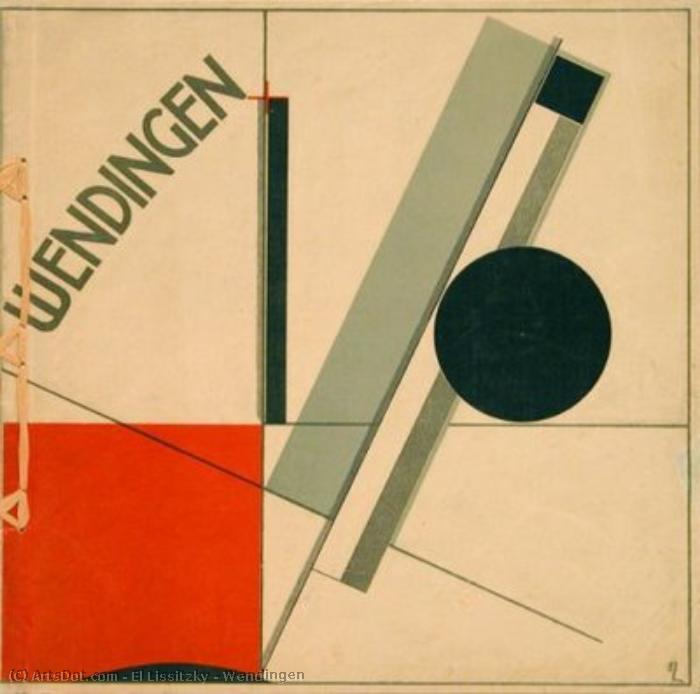
Wendingen


 더 보기
더 보기
지클레 / 아트 프린트
빠른 제작과 다양한 마감 옵션을 제공하는 박물관 품질의 지클레이 또는 캔버스 프린트. ( 손으로 그린 그림 구매 이미지 구매)




P118B $10

P118H $10

P118W $10

P438Z $10

P508JH $12

P508YH $12

P805H $10

P805Z $10

P919BZ $10

P919G $10

P919XJ $10

P959ZH $10

P968JZ $12

W106C $8

W218G $10

W218JH $8

W218Y $10

W307PJ $10

W316G $10

W316PJ $8

W316Y $10

W398PJ $8

W4111J $10

W500HY $15

W500JH $15

W692G $12

W849H $8

W940BG $15

W953PJ $8




작품의 원본 비율을 유지하는 미리 설정된 크기 중에서 선택하세요.

특정 프레임이나 공간에 맞춰 직접 치수를 입력하실 수 있습니다. 선택하신 사이즈가 원본 이미지의 비율과 일치하지 않을 경우, 작품을 크롭(자르기)하거나 이미지를 대칭 또는 단색 채우기로 확장하여 제작합니다. 제작 시작 전, 최종 확인을 위해 디지털 목업이 전송됩니다.
화면상의 미리보기는 실제 크롭이나 확장 상태를 반영하지 않으므로, 최종 구도는 오직 목업을 통해서만 정확하게 확인하실 수 있습니다.
맞춤 사이즈 제작도 가능하지만, 원본 비율을 유지하기 위해서는 사전 정의된 목록에서 치수를 선택하시는 것을 권장합니다.


 유리 옵션은 110cm 미만 크기에서만 선택 가능합니다.

Wendingen
지클레 / 아트 프린트
복제본 크기
-


최종 결제 금액
$ 62
작품 상세 설명
El Lissitzky's "Wendingen": A Geometric Symphony of Form and Space
- Overview: El Lissitzky’s “Wendingen,” created in 1921, is a striking example of early abstract art, deeply rooted in the Constructivist and Suprematist movements. This artwork isn't merely a painting but a cover design for the Dutch magazine "Wendingen," dedicated to modern architecture and design. It embodies Lissitzky’s vision of “Proun,” a concept aiming to synthesize architecture, engineering, and art into a dynamic visual language.
Subject Matter & Style: A Dialogue Between Geometry and Dynamism
- Abstract Composition: The artwork eschews representational imagery, instead presenting a purely abstract composition of geometric forms. Sharp angles, intersecting lines, and flat planes dominate the canvas, creating a sense of structured dynamism. Rectangles, circles, and diagonal lines interact to generate spatial tension and visual pathways.
- Constructivist & Suprematist Influences: "Wendingen" clearly reflects the principles of Constructivism, emphasizing functional design and geometric abstraction. It also draws from Suprematism, Malevich’s movement focused on pure artistic feeling through basic geometric forms. Lissitzky's unique approach integrates these influences, creating a style that is both rigorously structured and emotionally resonant.
- The "Wendingen" Magazine Context: The piece was designed as a cover for a magazine dedicated to modern architecture. This context highlights the artwork’s purpose: not just aesthetic beauty but also communication and visual impact within a design-focused publication. The stylized lettering of “WENDINGEN” integrated into the composition further emphasizes this functional aspect.
Technique & Materials: Precision and Clarity
- Lithography on Paper: Lissitzky employed lithography, a printing technique that allows for precise lines and tonal variations. This method was ideal for reproducing the artwork’s sharp geometric forms and limited color palette.
- Color Palette & Texture: The color scheme is deliberately restrained, featuring strong contrasts between red, gray, black, and beige against a neutral background. This simplicity enhances the clarity of the geometric shapes and prevents visual clutter. The texture appears smooth and flat, characteristic of a printed surface.
Historical Context & Symbolism: A Vision for a New Era
- Post-War Reconstruction: Created in 1921, "Wendingen" emerged from the aftermath of World War I and the Russian Revolution. It reflects the era’s desire for radical change and innovation across all fields – art, architecture, and society.
- Proun Concept: Lissitzky's “Proun” concept aimed to transcend traditional artistic boundaries by uniting art, technology, and architecture. "Wendingen" serves as a visual manifestation of this ambition, suggesting a harmonious integration of these disciplines.
- Symbolic Interpretation: The artwork’s geometric forms can be interpreted as symbols of progress, order, and the potential for a new, rational world. The dynamic arrangement of shapes suggests movement and energy, reflecting the optimism and forward-looking spirit of the early 20th century.
Emotional Impact & Legacy: A Timeless Expression of Modernity
- Visual Harmony: Despite its abstract nature, "Wendingen" evokes a sense of visual harmony and balance. The carefully arranged geometric forms create a pleasing composition that is both intellectually stimulating and aesthetically satisfying.
- Influence on Design: Lissitzky’s work has had a lasting impact on graphic design, typography, and architectural aesthetics. "Wendingen" remains an iconic example of early modernism, inspiring generations of artists and designers.
유사한 작품들



작가 약력
혁명적인 비전: 엘 리시츠키의 삶과 예술
엘 리시츠키, 1890년 작은 러시아 마을 포친크에서 라자르 마르코비치 리시츠키로 태어났습니다. 그는 20세기 초 격동적인 시대의 예술계에서 중추적인 역할을 수행하며 끊임없이 변화하고 혁신하는 여정을 걸었습니다. 건축가이자 기술자로 교육받았지만, 유대인 학생에게 부과된 제약으로 인해 그의 길은 예술적 표현으로 향했습니다. 초기 작품들은 유대 민속 문화를 담은 삽화였으며, ‘Chad Gadya’ 표지처럼 이야기와 시각적 스토리텔링에 대한 재능을 드러냈습니다. 베를린과 다름슈타트로의 이주는 그의 지평을 넓혔지만, 러시아로 돌아온 후 리시츠키는 진정으로 자신의 예술적 목소리를 찾았고 혁명의 열정과 뗄 수 없는 관계가 되었습니다.추상에 대한 포옹: 초월주의와 프로운
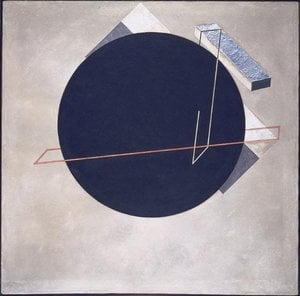
결정적인 순간은 카지미르 말레비치와의 만남과 초월주의 수용을 통해 찾아왔습니다. 순수한 기하학적 추상을 헌신한 이 급진적인 운동은 예술이 상징성을 초월하고 보편적인 시각 언어에 도달하고자 하는 리시츠키의 열망과 깊이 공명했습니다. 그는 비테브스크에서 설립된 초월주의 그룹인 UNovis의 핵심 멤버가 되어 가르침과 예술적 제작을 통해 그 원칙을 적극적으로 전파했습니다. 그러나 리시츠키는 단순히 말레비치의 스타일을 복제하지 않았습니다. 그는 프로운 개발로 자신의 독특한 길을 개척했습니다. 초월주의와 구성주의의 융합에서 태어난 이 독특한 시리즈는 역동적인 구성을 통해 공간 관계와 기하학적 형태를 탐구했으며 종종 건축 청사진이나 폭발 다이어그램과 유사합니다. 프로운은 단순한 그림이 아니었습니다. 그것은 공간 자체의 구조에 대한 조사였으며, 미래의 건축 가능성에 대한 예감입니다. 떠다니는 평면과 교차하는 선으로 구성된 이 작품들은 예술이 새로운 현실을 구축할 수 있는 힘을 믿는 리시츠키의 신념을 구현했습니다. 그의 기술적 배경의 영향은 분명하며 추상 형태에 구조적 논리를 부여합니다.예술로서의 선전과 사회 비판
리시츠키의 예술적 비전은 캔버스를 넘어 확장되었습니다. 그는 예술이 사회적 목적을 수행해야 한다고 열렬히 믿으며 정치 이념과 적극적으로 교류하고 일상생활에 디자인을 통합할 방법을 모색했습니다. 이러한 신념은 그를 소비에트 선전 노력에 깊이 관여하게 했고, 공공의 지지를 얻기 위해 고안된 강력한 포스터와 그래픽 디자인을 제작했습니다. 1941년 탱크 건설을 촉구하는 포스터는 그의 약속에 대한 증거이며, 전쟁의 긴급성을 반영하는 과감하고 영향력 있는 이미지입니다. 선전에 더해 리시츠키는 서체학, 전시 디자인 및 사진 콜라주를 혁신했습니다. 그는 효과적인 의사소통에는 혁신적인 시각적 전략이 필요하며 메시지를 전달하기 위해 새로운 기술을 실험하는 것을 두려워하지 않았음을 이해했습니다. 그의 사진 콜라주는 ‘건축가’(1924)와 같이 특히 인상적입니다. 사진과 기하학적 추상이 결합되어 정체성과 사회에서 예술가의 역할에 대한 복잡한 논평을 제공합니다.문화 대사: 구성주의 이상 전파
리시츠키의 영향력은 국경을 초월했습니다. 그는 소련 미술의 중요한 문화 대사가 되어 유럽 서부, 특히 독일 전역에 구성주의 아이디어를 전파했습니다. 그의 혁신적인 전시 디자인은 전통적인 갤러리 공간에 도전하여 관람객이 적극적으로 참여하는 몰입형 환경을 만들었습니다. 이러한 전시회는 단순한 예술 작품의 전시가 아니라 사고를 자극하고 행동을 영감 주기 위해 고안된 신중하게 구성된 경험이었습니다. 그의 작업은 바우하우스와 데 스틸 운동에 큰 영향을 미쳤으며, 기하학적 추상, 기능주의 및 사회적 책임에 대한 강조로 수많은 예술가와 디자이너에게 영감을 주었습니다. 그는 쿠르트 슈위터스와 테오 반 도스부르그 같은 인물들과 협력하여 예술계의 문화 간 교류를 풍요롭게 했습니다.유산과 지속적인 영향
엘 리시츠키는 1941년 모스크바에서 비극적으로 짧은 생을 마쳤지만 그의 유산은 오늘날까지 계속 울려 퍼지고 있습니다. 그는 예술과 건축, 추상과 사회적 목적 사이의 간격을 메웠으며 지적으로 자극적이고 시각적으로 매혹적인 작품을 남겼습니다. 2014년에 설립된 리시츠키 재단은 그의 예술 유산을 보존하고 그의 창조물에 대한 포괄적인 라이손네를 준비하기 위한 지속적인 약속을 강조합니다. 서체학, 전시 디자인 및 사진 콜라주에서의 혁신은 오늘날 현대 예술가와 디자이너에게 계속 영감을 주고 있으며, 예술이 사회 변화를 위한 힘으로서의 신념은 여전히 깊이 관련성이 있습니다.- 그의 작품은 수많은 국제 컬렉션에 소장되어 있습니다.
- 그의 작품을 소장하고 있는 박물관으로는 타간로그 미술관과 노보쿠즈네츠크 미술관 등이 있습니다.

엘 리시츠키
1890 - 1941 , 러시아
주요 정보
- 국적: 러시아
- 사망일: 1941년 12월 30일
- 영향을 받은 예술 사조:
- 바우하우스 (Bauhaus)
- 데 스틸 (De Stijl)
- 영향을 준 예술가: ['카지미르 말레비치 (Kazimir Malevich)']
- 예술 사조:
- 추상경험주의 (Suprematism)
- 구성주의 (Constructivism)
- 프라운 (Proun)
- 전체 이름: 엘 리시츠키 (El Lissitzky)
- 주요 작품:
- 건축가 (The Constructor)
- Chad Gadya 표지
- 프라운 시리즈
- 출생일: 1890년 11월 23일
- 출생지: 포친키, 러시아
관련 기사 더 보기

엘 그레코 걸작 25선: 영혼을 울리는 신성한 예술의 세계 | ArtsDot
엘 그레코의 영혼을 담은 걸작 25선을 만나보세요. 스페인 화가 엘 그레코의 종교화, 마니에리스모 스타일, 그리고 그의 대표작들을 ArtsDot에서 감상하고 특별한 인테리어 아트 아이디어를 얻으세요. 지금 바로 컬렉션을 탐험하세요!

기하학적 추상 미술을 정의한 명작 10가지 | ArtsDot.com
몬드리안, 말레비치 등 거장들의 기하학적 추상 미술 명작 10선을 만나보세요. 각 작품의 예술사적 의미와 색채, 구성을 탐구하고 ArtsDot.com에서 고품질 아트 프린트를 소장하세요. 지금 바로 온라인 컬렉션을 확인하세요!

Beyond Form & Color: Geometric Abstraction's Evolution in 20th/21st Century Art
Explore the evolution of geometric abstraction from Cubism to contemporary art. Discover key artists like Malevich & Mondrian, investment insights, and expert collecting advice at ArtsDot.

카지미르 말레비치 최고작 25선: 추상 미술의 혁신과 영감을 만나다 | ArtsDot
카지미르 말레비치의 최고작 25선을 만나보세요. 추상 미술의 혁신적인 세계, 슈프레마티즘의 정수를 담은 작품들의 이야기와 영감을 ArtsDot에서 경험하세요. 고품질 아트 프린트와 인테리어 데코 아이디어를 지금 바로 확인하세요! ArtsDot.com
Geometric Design in Art: A Historical Survey & Contemporary Appeal for Collectors
Explore the enduring legacy of geometric abstraction! Discover key artists, historical movements & investment insights for discerning art collectors. Expert guidance from ArtsDot.


