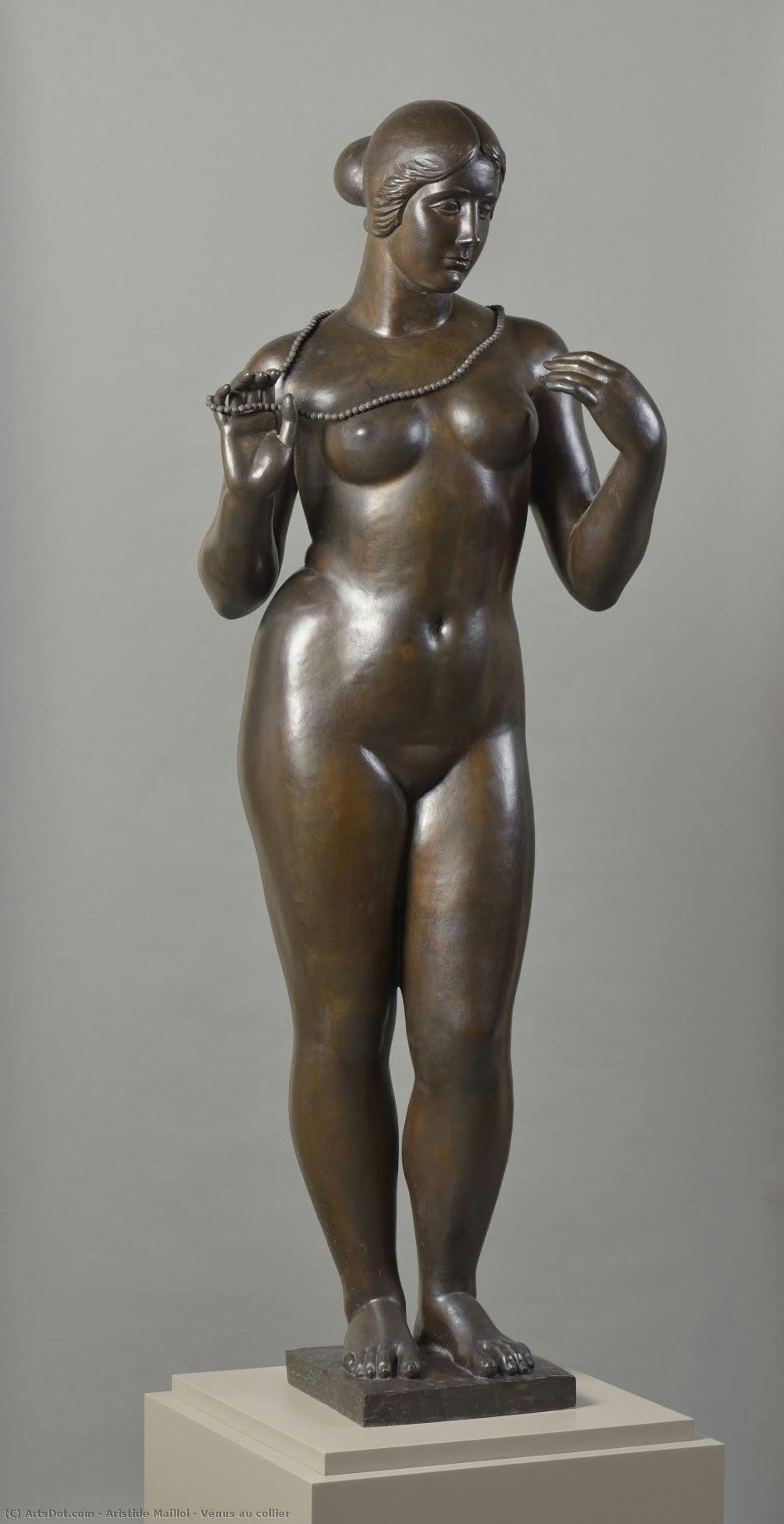
Discover Aristide Maillol's 'Vénus au collier,' a serene bronze sculpture embodying classical beauty and featuring a captivating necklace detail. Explore its artistic significance & history.
평온하고 기념비적인 여성 누드와 고전적 형태를 통해 찬사받는 프랑스 조각가 아리스티드 마이올(1861-1944)을 만나보세요. 그의 예술적 유산과 작품들을 지금 바로 탐험해 보세요!
리옹의 미술관 예술품, 프랑스 미술 명작 감상. 르네상스부터 인상주의까지, 고대 이집트 유물과 조각을 만나보는 리옹 문화 체험.
The Serene Power of Maillol’s *Vénus au Collier*
Aristide Maillol's *Vénus au Collier*, sculpted between 1918 and 1928, isn’t merely a depiction of a woman; it’s an embodiment of timeless grace and a profound meditation on the relationship between form, stillness, and the subtle poetry of gesture. Emerging from the fertile ground of early 20th-century French sculpture, this work represents a pivotal moment in Maillol's artistic evolution – a deliberate retreat from the overt naturalism of his earlier years towards a refined, almost austere aesthetic that would profoundly influence generations of artists. The piece, cast around 1930, captures a woman in a state of quiet contemplation, holding a mirror to her reflection, an act imbued with both vulnerability and self-awareness. It’s a scene stripped bare of extraneous detail, focusing instead on the exquisite curve of the body, the smooth planes of the skin, and the delicate suggestion of movement within the pose. Maillol's genius lies in his ability to evoke emotion not through dramatic narrative or overt expression, but through the sheer elegance of form itself.
A Sculptor’s Journey: From Painter to Master of Stone
Maillol’s artistic trajectory is a fascinating one, beginning with an initial passion for painting and a flirtation with the Symbolist movement – particularly evident in his early work alongside figures like Pierre Bonnard and Maurice Denis. However, it was through his encounter with Paul Gauguin that he began to question the limitations of representation, seeking instead a more symbolic language rooted in decorative arts and classical ideals. This shift is powerfully reflected in *Vénus au Collier*. He abandoned the vibrant colors and dynamic compositions of his earlier paintings, embracing the cool, muted tones of bronze and prioritizing the fundamental principles of sculpture: solidity, balance, and timelessness. The work demonstrates a deliberate rejection of academic conventions, favoring instead a simplified, almost geometric approach to form – a hallmark of Maillol’s mature style. The choice of bronze itself is significant; it lends an enduring quality to the piece, mirroring the artist's desire for works that transcend fleeting trends and speak across generations.
Symbolism in Stillness: The Mirror and the Gesture
At first glance, *Vénus au Collier* appears remarkably serene, almost meditative. Yet, closer observation reveals a subtle complexity of gesture. The woman’s hand holding the mirror is not simply an act of vanity; it's a deliberate engagement with self-reflection – a moment of quiet introspection within a world often defined by external demands. The placement of the necklace across her shoulders adds another layer of symbolic meaning, subtly altering the figure’s posture and creating a dynamic tension between stillness and movement. Interestingly, the original necklace was later removed from the sculpture, a decision that dramatically shifted its interpretation. The removal transformed the gesture into something more abstract, emphasizing the woman's pose and the inherent beauty of her form. This act highlights Maillol’s belief that art should be about capturing essence rather than replicating surface detail.
A Legacy in Bronze: Influence and Enduring Appeal
*Vénus au Collier* stands as a testament to Aristide Maillol’s profound impact on 20th-century sculpture. His work bridged the gap between Symbolism and Modernism, paving the way for artists like Henry Moore who would later explore similar themes of simplification and abstraction. The piece's enduring appeal lies in its ability to evoke a sense of quiet contemplation and timeless beauty – qualities that resonate deeply with viewers across cultures and generations. Reproductions of *Vénus au Collier* offer an accessible entry point into Maillol’s world, allowing individuals to experience the serenity and grace of this iconic sculpture within their own homes or spaces. Its elegant form and subtle symbolism make it a captivating addition to any collection, reflecting a timeless appreciation for beauty and introspection.