


1

Hand-painted oil reproduction from $400 28 × 36 cm
Same size as the original $401 29 × 36 cm Order at original size →
이 작품 주문하기
이 작품에 대해 더 알아보기


10월 2026 업데이트 · 인기 점수 기준 순위 (각 작품의 검색, 방문 및 주문 수) · 11점의 Hans Bollongier 작품 (당사 카탈로그 기준)
요약하자면
대중에게 가장 잘 알려진 Hans Bollongier의 작품은 Masquerade of Valentine and Orson (1628)이며, 로테르담에 위치한 Museum Boijmans Van Beuningen에서 감상하실 수 있습니다. 그 뒤를 이어 Still Life with Flowers and Fruit (1629)와 Flower Piece (1638)가 나옵니다. Hans Bollongier의 작품 11점 중 가장 잘 알려진 11점을 소개합니다. 각 작품에는 제작 연도, 소장 미술관, 그리고 작품의 특징에 대한 간략한 설명이 포함되어 있습니다.


The Flower Piece by Hans Bollongier (Jan Bollongier) is a stunning example of Dutch Golden Age art, characterized by its meticulous attention to detail and vibrant color palette. This beautiful still life painting, created in 1644, measures 27 x 20 cm and is executed on oil on panel. Composition and Style The composition of the Flower Piece is marked by a sense of harmony and balance, with the bouquet of…
이 작품들에서 가장 자주 등장하는 네 가지 주제와 각 주제를 대표하는 대표작입니다.
이 페이지에 있는 작품을 가장 많이 소장하고 있는 6개의 미술관
| 소장 미술관 | 도시 | Hans Bollongier의 작품 | 이 목록의 작품들 |
|---|---|---|---|
 Kunsthandel P. de Boer |
2 | Flowers in a glass vase, Still life of roses and fruit on a table | |
 Museum Boijmans Van Beuningen |
로테르담 | 1 | Masquerade of Valentine and Orson |
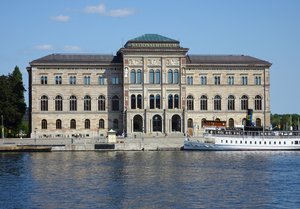 국립 미술관 |
스톡홀름 | 1 | Still Life with Flowers and Fruit |
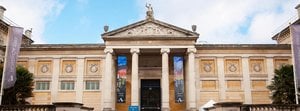 애슈몰린 미술관 |
옥스퍼드 | 1 | A Vase of Flowers |
 Frans Halsmuseum |
하렌 | 1 | Flower Piece |
 국립 미술관 |
암스테르담 | 1 | Still Life with Flowers |
시대별 대표 작품을 확인해 보세요.
리스트의 정점은 Museum Boijmans Van Beuningen, 로테르담의 Masquerade of Valentine and Orson (1628)입니다. 그 뒤를 이어 Still Life with Flowers and Fruit (1629), Flower Piece (1638)가 차지했습니다.
28세. Hans Bollongier은(는) 1600년에 태어났으며, Masquerade of Valentine and Orson은(는) 1628년의 작품입니다.
Masquerade of Valentine and Orson, Still Life with Flowers and Fruit, Flower Piece, Tulips and other flowers in a glass vase, Flowers in a glass vase, A Vase of Flowers, Still life of roses and fruit on a table, Flowers in a Vase, Still life with a pumpkin, peaches, grapes, cherries and other fruit 및 Flower Piece. 위 목록에서 각 작품의 제작 연도와 소장 미술관을 확인하실 수 있습니다.
저희 카탈로그에는 1628년부터 1664년 사이에 제작된 Hans Bollongier의 작품 11점이 있습니다.
대부분의 작품은 Kunsthandel P. de Boer, Museum Boijmans Van Beuningen (로테르담) 및 국립 미술관 (스톡홀름)에서 만나보실 수 있습니다. 자세한 목록은 상단의 박물관 목록을 확인해 주세요.
1640s 기간은 그 어느 때보다도 많은 작품이 포함되어 있습니다. 이 페이지의 총 11점 중 4점이 해당 시기의 작품이며, 그중 Tulips and other flowers in a glass vase점이 포함되어 있습니다.
가장 오래된 작품은 Masquerade of Valentine and Orson (1628)이며, 가장 최근 작품은 Still life with a pumpkin, peaches, grapes, cherries and other fruit (1664)입니다.
이 페이지의 총 11점 중 Flowers (2) 및 Vase (2)점
Kunsthandel P. de Boer에 있는 Flowers in a glass vase 및 Still life of roses and fruit on a table을(를) 포함하여 이 페이지에서 2점의 작품을 확인하실 수 있습니다.
네, 이 페이지에 있는 모든 작품은 원하시는 사이즈의 수작업 유화 복제화 또는 프린트로 구매하실 수 있습니다. 작품 상세 페이지에서 바로 주문해 보세요.
In the heart of the Dutch Golden Age, a period defined by unparalleled prosperity and an explosion of creative genius, the name Hans Bollongier—often known as Jan Bollongier—resonates with the delicate fragrance of a spring morning. Born in the vibrant city of Haarlem around 1600, Bollongier emerged as a master of the floral still life, a genre that allowed him to capture the fleeting essence of nature with breathtaking precision. Though his life was tragically brief, ending at approximately forty-five years of age, he left behind a body of work that serves as a window into the soul of seventeenth-century Netherlands. His artistry was not merely about decoration; it was an exploration of texture, light, and the profound beauty found in the ephemeral.
The foundations of Bollong and his technique were laid through rigorous training under the esteemed painters Hendrick van Balen I and II. These mentors were champions of the Baroque style, a movement that thrived on dramatic contrasts and opulent detail. From them, Bollongier inherited a profound understanding of chiaroscuro—the masterful manipulation of light and shadow to create depth and atmosphere. This training allowed him to transcend simple botanical illustration, transforming a mere bouquet into a theatrical event where every petal seemed to catch a stray beam of sunlight against a moody, darkened background.
To gaze upon a Bollongier masterpiece is to enter a world of sensory richness. His compositions often feature exquisite arrangements of tulips, roses, anemones, and carnations, meticulously rendered to showcase the subtle veins of a petal or the dewy moisture on a stem. Yet, beneath this surface-level beauty lies a deeper, more contemplative layer of meaning. During his era, the Dutch tulip mania had left a lasting mark on the collective psyche; thus, his vibrant bouquets often served as vanitas symbols—reminders of the transience of earthly life and the inevitability of decay. By painting flowers that bloom at different times of the year in a single, impossible arrangement, he captured a sense of eternal perfection that exists only within the realm of art.
His technical prowess is perhaps most evident in works such as "Flower Piece" and "Still Life with Flowers." In these canvases, one can observe:
Bollongier’s impact extended far beyond his own lifetime. As a prominent member of the Haarlem Guild of St. Luke, he was part of a flourishing community of artists that included luminaries like Johannes Vermeer. While his direct collaborations with such masters are subjects of scholarly fascination, the stylistic currents of Haarlem undoubtedly flowed through his brush. His ability to marry the scientific accuracy of botanical study with the emotional weight of the Baroque movement made him an essential figure in the evolution of Dutch genre painting.
His influence can be traced through the lineage of later flower painters, providing a blueprint for artists who sought to balance scientific observation with artistic drama. Today, his works reside in prestigious institutions such as the Frans Halsmuseum and the Rijksmuseum, where they continue to enchant modern audiences. Hans Bollongier remains a testament to the power of the small-scale masterpiece—a painter who, through the humble medium of a flower vase, captured the magnificent, fleeting splendor of an entire era.
