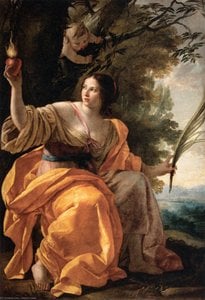
სიმონ ვუე პორტრეტი

სიმონ ვუე-ის ყველაზე ცნობილი ნახატები: ყველა 100, რეიტინგით

განახლდა ოქტომბერი 2026 · დალაგებულია ჩვენი პოპულარობის ქულების მიხედვით (ძიება, ნახვა და შეკვეთები თითოეული ნამუშწაროსთვის) · 166 ნამუშევარი სიმონ ვუე ჩვენს კატალოგში

მოკლედ რომ ვთქვათ

ყველაზე ცნობილი ნამუშწევრი, რომელიც სიმონ ვუე-ს ეკუთვნის, არის Venus and Adonis (1642), რომლის ნახვაც შეგიძლიათ ჟან პოლ გეტის მუზეუმი-ში, ლოს-ანჯელესი. და তৎके바로 მათ მოსდევს The Muses of Urania and Calliope (1634) და Annunciation (1640). ჩვენს კატალოგში არსებული სიმონ ვუე-ის 166 ნამუშწაროსგან, ეს 100 ყველაზე ცნობილია. თითოეულ მათგანს ახლავს შემოქმედების წელი, მუზეუმი და მოკლე აღწერა იმის შესახებ, თუ რატომ არის ის გამორჩეული.

1590 – 1649, პარიზი Baroque ყველაზე მეტი ნამشევრი: ლუვრი

სიმონ ვუე-ის ტოპ 10: ნამუშევრები, რომლებიც ყველამ იცის

1
Venus and Adonis (1642) ავტორის: სიმონ ვუე

Venus and Adonis

1642 · Acrylic On Canvas · ჟან პოლ გეტის მუზეუმი, ლოს-ანჯელესი

Simon Vouet’s “Venus and Adonis,” painted in 1642, is a striking example of French Baroque art, showcasing the artist’s mastery of color, composition, and his assimilation of Italian artistic trends. This evocative scene depicts the poignant moment from Ovid's *Metamorphoses* where the mortal Adonis, captivated by hunting, rejects Venus’s advances, foreshadowing his tragic demise. The painting isn't merely a depiction of mythology; it's an exploration of love, desire, and mortality…

2
The Muses of Urania and Calliope (1634) ავტორის: სიმონ ვუე

The Muses of Urania and Calliope

1634 · Acrylic On Canvas · National Gallery of Art, ვაშინგტონი

Simon Vouet’s “The Muses Urania and Calliope”: A Symphony of Baroque Grace Simon Vouet (1590-1649) stands as a pivotal figure in the artistic landscape of 17th-century France, marking the decisive transition from Mannerism to the opulent grandeur of the Baroque style. His legacy resides not merely in his prolific output but also in his unwavering dedication to mastering Italian influences—a pursuit that fundamentally reshaped French painting and cemented Vouet’s place…

3
Annunciation (1640) ავტორის: სიმონ ვუე

Annunciation

1640 · Oil On Canvas · უფიციების გალერეა, ფლორენცია

Simon Vouet's "Annunciation," painted in 1640, is more than just a religious depiction; it’s a masterful orchestration of light, shadow, and human emotion. This captivating work transports the viewer to an intimate interior space, where the momentous announcement of Mary’s divine conception unfolds with breathtaking drama. The painting immediately draws the eye to the kneeling figure of the Virgin Mary, bathed in a warm, golden glow emanating from the right…

4
The Fortuneteller (detail) (1617) ავტორის: სიმონ ვუე

The Fortuneteller (detail)

1617 · Oil On Canvas · Galleria Nazional d Art Antica, რომი

In the heart of 1617, amidst the vibrant and transformative atmosphere of Roman artistic circles, Simon Vouet captured a moment of profound human connection in his masterpiece, The Fortuneteller. This work, particularly when viewed in its intimate details, serves as much more than a mere portrait; it is an emblem of the burgeoning Baroque style that was beginning to reshape the visual landscape of Europe. The scene unfolds with a…

5
Sleeping Venus (1630) ავტორის: სიმონ ვუე

Sleeping Venus

1630 · Acrylic On Canvas · Szépművészeti Múzeum, ბუდაპეშტი

Simon Vouet's "Sleeping Venus," painted around 1630, is not merely a depiction of a reclining nude; it’s an exquisite distillation of Renaissance ideals and the burgeoning Baroque aesthetic. This captivating work transcends simple portraiture, offering instead a profound meditation on beauty, repose, and the delicate balance between earthly pleasure and spiritual contemplation. The painting immediately draws the viewer into a world of hushed tranquility, inviting us to share in the…

6
Allegory of Virtue (1634) ავტორის: სიმონ ვუე

Allegory of Virtue

1634 · Acrylic On Canvas · ლუვრი, პარიზი

Simon Vouet’s “Allegory of Virtue,” completed around 1634, stands as a testament to the burgeoning Baroque aesthetic infiltrating French artistic circles during Louis XIII's reign. More than just a portrait—though it undeniably depicts a woman radiating grace and authority—the painting delves into profound philosophical concepts rooted in humanist ideals prevalent at the time.

7
The Entombment (1638) ავტორის: სიმონ ვუე

The Entombment

1638 · Oil On Canvas · Fitzwilliam College, Cambridge

Simon Vouet's "The Entombment," painted in 1635–1638, is not merely a depiction of a biblical scene; it’s an exquisitely rendered meditation on grief, faith, and the profound dignity of sacrifice. This monumental work, currently residing within the collection of the Fitzwilliam Museum in Cambridge, transcends its subject matter to become a powerful testament to the Baroque era's ability to evoke intense emotion through masterful technique and carefully considered symbolism. Vouet,…

8
Angels with Attributes of the Passion: Angel Holding the Vessel and Towel for washing the hands of Pontius Pilate (1624) ავტორის: სიმონ ვუე

Angels with Attributes of the Passion: Angel Holding the Vessel and Towel for washing the hands of Pontius Pilate

1624 · Oil · Minneapolis Institute of Art, Minneapolis

A single celestial figure emerges from a deep, near-black void, commanding the space with an intimate and monumental presence. This angel, caught in a moment of profound spiritual devotion, gazes upward with eyes full of soulful contemplation or sorrow. The light descends from the upper left, carving the figure out of the darkness and casting soft, tender shadows across a face etched with emotion. Every detail feels immediate, from the…

9
Saint John (1623) ავტორის: სიმონ ვუე

Saint John

A young man turns his face toward a light that remains unseen. His eyes, wide and searching, catch a glimmer that pulls his gaze upward, away from the dark, murky depths of the background. Thick, dark curls frame a pale face, creating a sharp contrast against the heavy shadows that swallow the space around him. He is caught in a moment of sudden, quiet realization. The light does not merely…

10
Virgin and Child, with an Angel (1642) ავტორის: სიმონ ვუე

Virgin and Child, with an Angel

The light falls softly upon the skin of the Virgin Mary, catching the curve of her cheek and the small, smooth hands of the Christ Child. They sit within a triangular arrangement that anchors the composition, surrounded by the deep shadows of a dense woodland. An angel leans into this intimate circle, its robes glowing with warm yellows and golds that contrast against the heavy, dark trees behind them. At…

계Continue exploring სიმონ ვუე: 11 to 100

11Madonna with Child (1625) ავტორის: სიმონ ვუეMadonna with Child1625 · ერმიტაჟის მუზეუმი 12Time Discovering the Love of Venus and Mars (1640) ავტორის: სიმონ ვუეTime Discovering the Love of Venus and Mars1640 · John and Mable Ringling Museum of Art 13The Rapture of Saint Theodore (1627) ავტორის: სიმონ ვუეThe Rapture of Saint Theodore1627 · დრეზდენის სახელმწიფო ხელოვნების კოლექციები 14Heavenly Charity (1640) ავტორის: სიმონ ვუეHeavenly Charity1640 · ლუვრი 15Allegory (1640) ავტორის: სიმონ ვუეAllegory1640 · მუზეები კაპიტოლინური 16Parnassus or Apollo and the Muses (1640) ავტორის: სიმონ ვუეParnassus or Apollo and the Muses1640 · Szépművészeti Múzeum 17Sacrifice of Isaac (1642) ავტორის: სიმონ ვუეSacrifice of Isaac1642 · Milwaukee Art Museum 18Angels with Attributes of the Passion, the Superscription from the Cross (1624) ავტორის: სიმონ ვუეAngels with Attributes of the Passion, the Superscription from the Cross1624 · Minneapolis Institute of Art 19The Holy Family with the Infant Saint John the Baptist (1626) ავტორის: სიმონ ვუეThe Holy Family with the Infant Saint John the Baptist1626 · სან-ფრანცისკოს fine arts მუზეუმები 20Ceres and Harvesting Cupids (1634) ავტორის: სიმონ ვუეCeres and Harvesting Cupids1634 · ნაციონალური გალერეა 21Suicide of Lucrece (1625) ავტორის: სიმონ ვუეSuicide of Lucrece1625 · National Gallery Prague 22The Muse Clio (1640) ავტორის: სიმონ ვუეThe Muse Clio1640 · Staatliche Kunsthalle Karlsruhe 23Allegory with Venus, Mars, Cupid, and Time (1626) ავტორის: სიმონ ვუეAllegory with Venus, Mars, Cupid, and Time1626 · John and Mable Ringling Museum of Art 24Vanitas (1621) ავტორის: სიმონ ვუეVanitas1621 · National Museum in Warsaw 25Lovers (1614) ავტორის: სიმონ ვუეLovers1614 · პუშკინის სახელმწიფო ხელოვნების მუზეუმი 26Martyrdom of Saint Catherine (1620) ავტორის: სიმონ ვუეMartyrdom of Saint Catherine1620 · Musée Des Beaux 27The Halberdier (1617) ავტორის: სიმონ ვუეThe Halberdier1617 · Dayton Art Institute 28Saint Jerome (c.347–420) (1620) ავტორის: სიმონ ვუეSaint Jerome (c.347–420)1620 · National Library of Wales 29self-portrait (1620) ავტორის: სიმონ ვუეself-portrait1620 30Saint Agnes (1618) ავტორის: სიმონ ვუეSaint Agnes1618 · Blanton Museum of Art 31Annunciation to Mary (1617) ავტორის: სიმონ ვუეAnnunciation to Mary1617 · Gemäldegalerie 32Psyche and Cupid (1626) ავტორის: სიმონ ვუეPsyche and Cupid1626 · Museum of Fine Arts of Lyon 33The Nativity (1632) ავტორის: სიმონ ვუეThe Nativity1632 34Squire-at-arms - Saint Guillaume d'Aquitaine (1625) ავტორის: სიმონ ვუეSquire-at-arms - Saint Guillaume d'Aquitaine1625 · რიგას ბირჟის ხელოვნების მუზეუმი 35The Entombment (1635) ავტორის: სიმონ ვუეThe Entombment1635 · Fitzwilliam Museum 36Saint Catherine (1625) ავტორის: სიმონ ვუეSaint Catherine1625 · Slovak National Gallery 37Saint Sebastian (1625) ავტორის: სიმონ ვუეSaint Sebastian1625 · ჰიუსტონის fine arts მუზეუმი 38Model for Altarpiece in St. Peter's (1625) ავტორის: სიმონ ვუეModel for Altarpiece in St. Peter's1625 · লস অ্যাნჯელესის ოლეული ოლქის ხელოვნების მუზეუმი 39Model for Altarpiece in St. Peter's (1625) ავტორის: სიმონ ვუეModel for Altarpiece in St. Peter's1625 · লস অ্যাნჯელესის ოლეული ოლქის ხელოვნების მუზეუმი 40Saint Cecilia (1626) ავტორის: სიმონ ვუეSaint Cecilia1626 · Blanton Museum of Art 41Portrait of Virginia da Vezzo (1625) ავტორის: სიმონ ვუეPortrait of Virginia da Vezzo1625 · Gemäldegalerie 42The Charity (1635) ავტორის: სიმონ ვუეThe Charity1635 43Saint Sebastian (1623) ავტორის: სიმონ ვუეSaint Sebastian1623 44Christ at the Column (1637) ავტორის: სიმონ ვუეChrist at the Column1637 45The Holy Family with Saint Elizabeth and the young Saint John (1642) ავტორის: სიმონ ვუეThe Holy Family with Saint Elizabeth and the young Saint John1642 46The Four Seasons (1644) ავტორის: სიმონ ვუეThe Four Seasons1644 · National Gallery of Ireland 47Head of a Bearded Man (1639) ავტორის: სიმონ ვუეHead of a Bearded Man1639 · Hatchlands Park 48The Entombment (1637) ავტორის: სიმონ ვუეThe Entombment1637 · Musée d'Art Roger-Quilliot 49Artemisia Building the Mausolaeum (1640) ავტორის: სიმონ ვუეArtemisia Building the Mausolaeum1640 · Nationalmuseum 50Allegory of Prudence (1645) ავტორის: სიმონ ვუეAllegory of Prudence1645 · მუსეი ფაბრე 51The Rest of the Holy Family (1650) ავტორის: სიმონ ვუეThe Rest of the Holy Family1650 · Musée de Grenoble 52Christ Appearing to Saint Anthony Abbot, Falsely Called Christ Healing a Possessed Person (1650) ავტორის: სიმონ ვუეChrist Appearing to Saint Anthony Abbot, Falsely Called Christ Healing a Possessed Person1650 · Musée de Grenoble 53The Virgin Taking the Society of Jesus Under Her Protection (1650) ავტორის: სიმონ ვუეThe Virgin Taking the Society of Jesus Under Her Protection1650 54Olivier de Clisson (1650) ავტორის: სიმონ ვუეOlivier de Clisson1650 · Musée Départemental Dobrée 55The Muses Urania and Calliope (1634) ავტორის: სიმონ ვუეThe Muses Urania and Calliope1634 · National Gallery of Art 56Time Vanquished by Love, Hope and Fame, 1640-1645 ავტორის: სიმონ ვუეTime Vanquished by Love, Hope and Fame, 1640-1645გრანდ პალასი 57Portrait of a Young Man (Le Spadassin) (1617) ავტორის: სიმონ ვუეPortrait of a Young Man (Le Spadassin)1617 · ჰერცოგ ანტონ ულრიხის მუზეუმი 58POLYMNIE, MUSE DE L'ELOQUENCE ავტორის: სიმონ ვუეPOLYMNIE, MUSE DE L'ELOQUENCEლუვრი 59Angel with dice and tunic (1620) ავტორის: სიმონ ვუეAngel with dice and tunic1620 · კაპოდიმონტის მუზეუმი 60Saint Catherine of Alexandria (1620) ავტორის: სიმონ ვუეSaint Catherine of Alexandria1620 · დასავლეთው მხარეს ხელოვნების ეროვნული მუზეუმი 61Mary Adoring the Christ child (1623) ავტორის: სიმონ ვუეMary Adoring the Christ child1623 · Museum Boijmans Van Beuningen 62The Virgin and Child (of the Column) (1640) ავტორის: სიმონ ვუეThe Virgin and Child (of the Column)1640 · ეშმოლის ხელოვნებისა და არქეოლოგიის მუზეუმი 63Parnassus or Apollo and the Muses (detail) (1640) ავტორის: სიმონ ვუეParnassus or Apollo and the Muses (detail)1640 · Szépművészeti Múzeum 64Toilet of Venus (1628) ავტორის: სიმონ ვუეToilet of Venus1628 · სინსინატის სახელოვნების მუზეუმი 65Self-Portrait (1615) ავტორის: სიმონ ვუეSelf-Portrait1615 · Musée Réattu 66LA VICTOIRE ავტორის: სიმონ ვუეLA VICTOIREლუვრი 67The Rape of Europa (1640) ავტორის: სიმონ ვუეThe Rape of Europa1640 · თისენ-ბორნემიმზას მუზეუმი 68სოფონისა და პოისი ჩალის მიღება (1623) ავტორის: სიმონ ვუესოფონისა და პოისი ჩალის მიღება1623 · Staatliche Museen 69St Catherine (1614) ავტორის: სიმონ ვუეSt Catherine1614 · Quirinale Palace 70Prince Marcantonio Doria (1621) ავტორის: სიმონ ვუეPrince Marcantonio Doria1621 · ლუვრი 71The Holy Family with Sts Elizabeth, John the Baptist and Catherine (1614) ავტორის: სიმონ ვუეThe Holy Family with Sts Elizabeth, John the Baptist and Catherine1614 · პრადოს მუზეუმი 72Diana on the Hunt (1619) ავტორის: სიმონ ვუეDiana on the Hunt1619 · ბავარიის სახელმწიფო ფერწერის კოლექციები 73The Last Supper (1615) ავტორის: სიმონ ვუეThe Last Supper1615 · Palazzo Apostolico 74Birth of the Virgin (1620) ავტორის: სიმონ ვუეBirth of the Virgin1620 · San Francesco a Ripa 75The Triumph of Galatea (1642) ავტორის: სიმონ ვუეThe Triumph of Galatea1642 · კანადის ეროვნული გალერეა 76Virgin and Child ავტორის: სიმონ ვუეVirgin and Childლიონის ხელოვნების სახელოსნო 77Saturn, Conquered by Amor, Venus and Hope (1645) ავტორის: სიმონ ვუეSaturn, Conquered by Amor, Venus and Hope1645 · Musée du Berry 78Self-Portrait (1699) ავტორის: სიმონ ვუეSelf-Portrait1699 · Museum de Fundatie 79The Holy Family (1630) ავტორის: სიმონ ვუეThe Holy Family1630 · კუნსტჰალე ბრემენი 80Madonna and Child (1633) ავტორის: სიმონ ვუეMadonna and Child1633 · National Gallery of Art 81LA MISE AU TOMBEAU ავტორის: სიმონ ვუეLA MISE AU TOMBEAUლუვრი 82Allegory of Peace (1627) ავტორის: სიმონ ვუეAllegory of Peace1627 · Galleria Nazional d Art Antica 83Allegory of Wealth (1630) ავტორის: სიმონ ვუეAllegory of Wealth1630 · ლუვრი 84Eight Satyrs Admiring the Anamorphosis of an Elephant (1625) ავტორის: სიმონ ვუეEight Satyrs Admiring the Anamorphosis of an Elephant1625 · ჰესის სახელმწიფო მუზეუმი 85LA PRESENTATION AU TEMPLE ავტორის: სიმონ ვუეLA PRESENTATION AU TEMPLEლუვრი 86Parnassus or Apollo and the Muses (detail) (1640) ავტორის: სიმონ ვუეParnassus or Apollo and the Muses (detail)1640 · Szépművészeti Múzeum 87The Fortune Teller (1618) ავტორის: სიმონ ვუეThe Fortune Teller1618 · კანადის ეროვნული გალერეა 88Saint Guillaume d'Aquitaine ( ) ავტორის: სიმონ ვუეSaint Guillaume d'Aquitaine ( )ლუვრი 89Apollo and the Muses (1875) ავტორის: სიმონ ვუეApollo and the Muses1875 · Bratislava City Gallery 90LA PRUDENCE AMENE LA PAIX ET L'ABONDANCE ავტორის: სიმონ ვუეLA PRUDENCE AMENE LA PAIX ET L'ABONDANCEლუვრი 91Gaucher de Châtillon, Connétable (1632) ავტორის: სიმონ ვუეGaucher de Châtillon, Connétable1632 · ლუვრი 92Caritas Romana ავტორის: სიმონ ვუეCaritas RomanaNational Museum in Warsaw 93St Jerome and the Angel (1622) ავტორის: სიმონ ვუეSt Jerome and the Angel1622 · National Gallery of Art 94The Fortune Teller (1617) ავტორის: სიმონ ვუეThe Fortune Teller1617 · Galleria Nazional d Art Antica 95LE CHRIST EN CROIX ავტორის: სიმონ ვუეLE CHRIST EN CROIXლუვრი 96Adoration of the Shepherds (Adoration des bergers) ავტორის: სიმონ ვუეAdoration of the Shepherds (Adoration des bergers)La Sauvegarde de l'Art Francais 97David with the head of Goliath ავტორის: სიმონ ვუეDavid with the head of Goliathპალაციო ბიანკო 98The Continence of Scipio ავტორის: სიმონ ვუეThe Continence of ScipioShipley Art Gallery 99Phaethon in His Chariot with Time ავტორის: სიმონ ვუეPhaethon in His Chariot with Timeმანჩესტერის ხელოვნების გალერეა 100The Conversion of the Magdalen ავტორის: სიმონ ვუეThe Conversion of the MagdalenThe Hunterian Museum and Art Gallery

სიმონ ვუე-ის შემოქმედება, პერიოდების მიხედვით

რა ყველაზე ხშირად დახატა სიმონ ვუე-მა

ამ ნამუშევრებში ყველაზე ხშირად გავრცელებული 네 თემა და თითოეული მათგანის ყველაზე ცნობილი მაგალითი.

სადაც შეგიძლიათ ნახოთ სიმონ ვუე-ის ნახატები

ამ გვერდზე წარმოდგენილი მხატვრობის შედეგების უმეტესობას 8 მუზეუმი ინახავს.

მუზეუმი ქალაქი სიმონ ვუე შემოქმედებაలు ამ სიიდან მოპოვებული ნახატები
ლუვრი, პარიზილუვრი პარიზი 20 Allegory of Virtue, Heavenly Charity, POLYMNIE, MUSE DE L'ELOQUENCE
Szépművészeti Múzeum, ბუდაპეშტიSzépművészeti Múzeum ბუდაპეშტი 5 Sleeping Venus, Parnassus or Apollo and the Muses, Parnassus or Apollo and the Muses (detail)
National Gallery of Art, ვაშინგტონიNational Gallery of Art ვაშინგტონი 4 The Muses of Urania and Calliope, The Muses Urania and Calliope, Madonna and Child
Galleria Nazional d Art Antica, რომიGalleria Nazional d Art Antica რომი 4 The Fortuneteller (detail), Allegory of Peace, The Fortune Teller
National Museum in Warsaw, ვარშავაNational Museum in Warsaw ვარშავა 4 Vanitas, Caritas Romana
লস অ্যাნჯელესის ოლეული ოლქის ხელოვნების მუზეუმი, ლოს-ანჯელესიলস অ্যাნჯელესის ოლეული ოლქის ხელოვნების მუზეუმი ლოს-ანჯელესი 3 Model for Altarpiece in St. Peter's, Model for Altarpiece in St. Peter's
Minneapolis Institute of Art, MinneapolisMinneapolis Institute of Art Minneapolis 2 Angels with Attributes of the Passion: Angel Holding the Vessel and Towel for washing the hands of Pontius Pilate, Angels with Attributes of the Passion, the Superscription from the Cross
ფილადელფიის ხელოვნების მუზეუმი, ფილადელფიაფილადელფიის ხელოვნების მუზეუმი ფილადელფია 2 Saint John, Virgin and Child, with an Angel

თითოეული ათწლეულისთვის ერთი ცნობილი სიმონ ვუე ნამشევრი

ნამუშევრები ათწლეულების მიხედვით

შეარჩიეთ ათწლეული, რომლოსაც წარმოთქმაed მისი გამორჩეული ნამუშევრით.

სიმონ ვუე-ის შემოქმედება: რა გაინტერესებთ ყველაზე მეტად

რა ტილოთი არის ყველაზე ცნობილი სიმონ ვუე?ნახეთ პასუხი

სიის პირველია Venus and Adonis (1642), ჟან პოლ გეტის მუზეუმი, ლოს-ანჯელესი. მის შემდეგ მოჰყვები: The Muses of Urania and Calliope (1634) და Annunciation (1640).

რამდენად წლის იყო სიმონ ვუე Venus and Adonis-ის შექმნისას?ნახეთ პასუხი

52 წლის. სიმონ ვუე დაიბადა 1590, ხოლო Venus and Adonis შექმნილია 1642 წელს.

სიმონ ვუე-ის რომელი 10 ნახატია ყველაზე ცნობილი?ნახეთ პასუხი

Venus and Adonis, The Muses of Urania and Calliope, Annunciation, The Fortuneteller (detail), Sleeping Venus, Allegory of Virtue, The Entombment, Angels with Attributes of the Passion: Angel Holding the Vessel and Towel for washing the hands of Pontius Pilate, Saint John და Virgin and Child, with an Angel. ზემოთ მოცემულ სიაში ნახავთ თითოეულის შექმნის წელსა და მუზეუმს.

რამდენი სიმონ ვუე ნამشევრია?ნახეთ პასუხი

ჩვენს კატალოგში არის 166 ნამუშწევრი სიმონ ვუე-ისგან, თარიღებით 1614-დან 1645-მდე.

რომელ მუზეუმებშია სიმონ ვუე-ის ყველაზე ცნობილი ნახატები?ნახეთ პასუხი

მათგან უმეტესობას ლუვრი (პარიზი), Szépművészeti Múzeum (ბუდაპეშტი) და National Gallery of Art (ვაშინგტონი)-ში იპოვით. ზემოთ მოცემულ მუზეუმების სიაში წარმოდგენილია სრული ჩამონათვალი.

როდის შეიქმნა სიმონ ვუე-ის ყველაზე ცნობილი ნამუშევრები?ნახეთ პასუხი

1620s-ში, სხვა ნებისმიერ პერიოდთან შედარებით, მეტია: ამ გვერდზე წარმოდგენილი 100 ნამუშწაროსგან 31 სწორედ ამ დროს შეიქმნა, მათგან Angels with Attributes of the Passion: Angel Holding the Vessel and Towel for washing the hands of Pontius Pilate კი - Angels with Attributes of the Passion: Angel Holding the Vessel and Towel for washing the hands of Pontius Pilate.

რა არის სიმონ ვუე-ის ყველაზე ძველი და უახლესი ცნობილი ნახატები?ნახეთ პასუხი

აქ წარმოდგენილი ნამუშწაროებიდან უძველესი არის Lovers (1614), ხოლო უახლესი — Allegory of Prudence (1645).

რა იყო სიმონ ვუე-ის ყველაზე ხშირად დახატული?ნახეთ პასუხი

Woman (15), Renaissance (12) და Mythology (9), ამ გვერდზე წარმოდგენილი 100 ნამუშწაროსგან.

რა მასალებით ხშირად ხატავდა სიმონ ვუე?ნახეთ პასუხი

Oil On Canvas, გამოყენებულია ამ გვერდზე არსებული 100 ნამუშწაროსგან 40 ცিলে.

სიმონ ვუე-ს რომელ ხელოვნების მიმართულებასთან არის დაკავშირებული?ნახეთ პასუხი

Baroque, როგორც ამ გვერდზე წარმოდგენილ ნამუშევრებში შეგიძლიათ ნახოთ.

რა შეგიძლიათ ნახოთ სიმონ ვუე-ის ნამუშევრებიდან ლუვრი-ში?ნახეთ პასუხი

ამ გვერდზე ლუვრი, პარიზი-ში წარმოდგენილი ნამუშევრებისგან 12 შეგიძლიათ ნახოთ, მათ შორის: Allegory of Virtue, Heavenly Charity და POLYMNIE, MUSE DE L'ELOQUENCE.

შემიძლია თუ არა სიმონ ვუე-ის რეპროდუქციის შეკვეთა ჩემი სახლისთვის?ნახეთ პასუხი

დიახ. ამ გვერდზე წარმოდგენილი ყველა სურათი ხელნაკეთ ზეთწერილი რეპროდუქციით ან ბეჭდვით, თქვენთვის სასურველ ზომაშია ხელმისაწვდომი. შეკვეთისთვის უბრალოდ გადადით სურათის გვერდზე.

გაიცანით სიმონ ვუე

სიმონ ვუე და ფრანგული ბაროკოს პიონერი

  • დაბადება: 9 იანვარი, 1590, პარიზი, საფრანგეთი
  • სიცოცხლის ბოლომდე: 30 ივნისი, 1649, პარიზი, საფრანგეთი

სიმონ ვუე იყო გადამწყვეტი ფიგურა ფრანგული მხატვრობის მანიერიზმიდან ბაროკოს სტილში გარდამავალ პროცესში. ის დაიბადა ხელოვნების ოჯახში – მისი მამა, ლორანტი, მხატვარი იყო და ძმა, აუბინი, ასევე ხელოვნებას ეწეოდა – ვუემ ადრეული ტრენინგი მიიღო, რამაც საფუძველი ჩაუყარა მის მომავალ წარმატებას. მისი შვილიშვილი, ლუდოვიკო დორინი, გააგრძელებდა ოჯახის მხატვრულ მემკვიდრეობას.

ადრეული კარიერა და იტალიური გავლენები (1608-1627)

  • ადრეული პორტრეტები: ვუემ თავდაპირველად პორტრეტისტი იყო, რამაც ადრეულ ნიჭს გამოავლინა.
  • ጉზაგიკრები ინგლისში (1608): ახალგაზრდა ასაკში, 14 წლის ასაკში, ის ინგლისში გაემგზავრა და შეუკვეთა პორტრეტის დახატვა, რამაც გამოავლინა მისი მზარდი რეპუტაცია.
  • ოსმალეთსა და ვენეციაში: 1611 წელს, ვუე შეუერთდა ბარონ დე სანკის თანმرافკლებს, რომელიც ფრანგული ელჩი იყო ოსმალურ იმპერიაში, კვლავ პორტრეტების დასახატავად. ამ მოგზაურობამ გაიყვანა კონსტანტინოპოლში და შემდეგ ვენეციაში 1612 წელს.
  • რომი (1614-1627): რომში მისი ყოფნა გარდამქმნელი აღმოჩნდა. მან იქ დარჩა თრამეტი წლის განმავლობაში, ჩაფლული ახალგაზრდა ბაროკოს პერიოდის მდიდარი მხატვრულ სივრცეში.

იტალიურ ყოფნისას ვუემ შერწყმა სხვადასხვა გავლენის ნაკადებში. მან შეისწავლა კარავაჯოს მიერ დაწყებული დრამატული განათების ტექნიკები, გააცოცხლა იტალიური მანიერიზმის ელემენტები და ყურადღებით გაანალიზა პაოლო ვერონესის მიერ გამოყენებული ფერთა პალიტრები და di sotto in su (გადმოწეული პერსპექტივა). ის ასევე შთააგონდა კარაკჩის, გუერჩინოს, ლანフランკოსა და გუიდო რენის ნამუშევრებიდან, და ამ მრავალფეროვან სტილებს უნიკალურ მხატვრულ ხედვაში გააერთიანა.

ვუეს გამორჩეული სტილის განვითარება

  • მიღება სან ლუკოს აკადემიაში (1624): რომში მისი წარმატებამ წამოიწყო მის არჩევნად პრესტიჟულ სან ლუკოს აკადემიაში ხელმძღვანელად, რაც მისი უნარებისა და აღიარების დასტური იყო იტალიურ სამხატვრულ სამყაროში.
  • გავლენების სინთეზი: ვუეს სტილი გამოირჩეოდა სხვადასხვა მხატვრულ გავლენას შთანთქმისა და დახვეწის უნარით. მან უბრალოდ არ გააკოპირა; ამ ელემენტებს ინტეგრირდა კოჰეზიურ და განსაკუთრებით იტალიური ბაროკოს ესთეთიკაში.
  • ბაროკოს შემოტანა საფრანგეთში: 1627 წელს დაბრუნების შემდეგ, ვუემ გადამწყვეტი როლი ითამაშა იტალიური ბაროკოს სტილის ფრანგულ მხატვრობაში შემოტანაში, რამაც მნიშვნელოვნად დაარტყა ქვეყნის მხატვრულ ლანდშაფტს.

მთავარი მიღწევები და მემკვიდრეობა

  • ფრანგეთის მეფის პირველი მხატვარი: ვუე დანიშნეს Premier peintre du Roi (მეფის პირველ მხატვარად) – პოზიცია დიდი პრესტიჟისა და გავლენის მქონე.
  • პროდუქტიული სახელოსო: მან შენარჩუნდა დიდი და აქტიური სახელოსო, სადაც გაწვრთნა უამრავი მხატვარი, რომლებმაც ჩამოაყალიბეს ფრანგელი მხატვრების მომავალი თაობა.
  • შენიშნული მოწაფეები: მისი ყველაზე გავლენიანი მოწაფეებს შორის იყვნენ შარლ ლე ბრუნი (რომელმაც მოგვიანებით ორგანიზება გაუკეთა ყველა დეკორატიულ მხატვრობას ვერსალში), ვალენტინ დე ბულონი, შარლ ალფონსი დუ ფრენოი, პიერ მიგნარდი, ეუსტაშ ლე სური და კлод მელანი.
  • გავლენა ფრანგულ ხელოვნებაზე: ვუეს გავლენა არ შემოიფარგლებოდა საკუთარი ნამუშევრებით; მისმა სტუდენტებმა ესტილი და ტექნიკები მთელი საფრანგეთი გადაიტანეს, რამაც განსაკუთრებულად ბაროკოს სკოლა შექმნა. მისი გავლენა განსაკუთრებით თვალსაჩინოა ლუი XIV-ის მიერ დანიშნულ დიდ დეკორატიულ კომპლექსებში.

ისტორიული მნიშვნელობა

სიმონ ვუეს მემკვიდრეობა ეფუძნება მის გადამწყვეტ როლს იტალიურსა და ფრანგულ ხელოვნებას შორის ხიდის ფუნქციაში. მან წარმატებით იმპორტია იტალიური ბაროკოს დინამიურობა და დიდებულება, აქცევს მას ისეთ სტილად, რომელიც რეზონანსს უქმნიდა ფრანგული კორტისა და არისტოკრატიის გემოვნებას. მისი გავლენა უდავოა 17 საუკუნეში ფრანგული მხატვრობის განვითარებაზე და მისი წვლილი დღესაც აღიარებულია ხელოვნებათ ისტორიკოსების მიერ.

ყველა 166 ნამუშევარი, რომელიც შემოქმედებითად ეკუთვნის სიმონ ვუე →