


1of 100
ლეონარდო და ვინჩი 1452–1519
Italian From ვინჩი High Renaissance On Wikipedia in 32 of 32 languages

The Renaissance names to know
If you remember one Renaissance მხატვარი, make it ლეონარდო და ვინჩი (1452–1519), the name behind Isleworth Mona Lisa და The Last Supper (with names of Apostles labelled). After that come მიქელანჯელო ბუანაროტი, ალბრეხტ დიურერი, რაფაელ სანტი და ჯოტო დი ბონდონე. Our 100 picks go from ციმბუე (born 1240) to ლუკა ჯორდანო (born 1634), from 7 countries.
How we picked them. We list the artists our catalogue links to Renaissance, from the most famous down. Artists born after 1955 that we cannot yet check on Wikidata are left out. The Wikipedia number shows in how many of our 32 languages Wikipedia writes about them.
Quick facts
Meet them one by one
1of 100
Italian From ვინჩი High Renaissance On Wikipedia in 32 of 32 languages
2of 100
იტალიელი From კაპრეზე-მიქელანჯელო მაღალი რენესანსი, მანერიზმი On Wikipedia in 32 of 32 languages

Born in 1475, Michelangelo di Lodovico Buonarroti Simoni spent his early years near Settignano, where his father owned a quarry. By the time he reached Rome in 1496, he was already carving figures that possessed a heavy, palpable presence. The Pietà, completed in 1499, shows this early ability to make marble appear as soft as flesh, even as it carries the weight of a dead man.
3of 100
გერმანელი From ნიურნბერგი ჩრდილოეთ ევროპული რენესანსი On Wikipedia in 32 of 32 languages

His father, a goldsmith who had traveled from Hungary to find his fortune, brought with him a lineage of meticulous craftsmanship. From 1486 to 1490, he labored under Wolgemut, absorbing the secrets of composition and design.
See them at In London, the British Museum holds a vast assembly of sixty-seven of his works, offering a deep look into the precision of his vision.
4of 100
იტალიელი From ურბინო უმაღლესი რენესანსი On Wikipedia in 32 of 32 languages

His father, a painter for the Duke, ensured that the boy’s early years were steeped in the humanist traditions of the Italian courts. His formal artistic education took him to the workshop of Pietro Perugino in Perugia.
See them at The physical remnants of his prolific career are scattered across the major centers of European art.
5of 100
იტალიელი From ფლორენცია რანელესანსისწინასწარმდეგი On Wikipedia in 31 of 32 languages

His early years are often described through a story of a shepherd boy. This habit caught the attention of the master Cimabue, who took the boy on as an apprentice.
See them at The Scrovegni Chapel holds the large fresco cycles that changed how stories were told on walls.
6of 100
იტალიელი From პიევე-დი-კადორე ვენეციური რენესანსი On Wikipedia in 32 of 32 languages

The fame of Tiziano Vecellio eventually reached the highest courts of Europe. He became a favorite of powerful men, serving as a painter to Emperor Charles V, King Philip II of Spain, and Pope Paul III.
7of 100
იტალიელი From ფლორენცია ადრეული რენესანსი On Wikipedia in 31 of 32 languages

Born Alessandro di Mariano di Vanni Filipepi around 1445, he was the son of a tanner. His work emerged during the Early Renaissance, a time when the city was a center of intense creative activity.
See them at Walking through the halls of the Galleria degli Uffizi in Florence, one finds his most famous subjects.
8of 100
იტალიელი From სან-ჯოვანი-ვალდარნო რენესანსის ადრეული პერიოდი On Wikipedia in 31 of 32 languages

9of 100
Нидерландцы From ჰერტოგენბოსი Сюрреализм и Символизм On Wikipedia in 32 of 32 languages

His grandfather, Jan van Aken, was a painter who died in 1454. The transition from a student in a family studio to a recognized figure in the municipal records occurs in 1474.
See them at The weight of Bosch's legacy is concentrated heavily in Madrid.
10of 100
იტალიური From სან-სეპოლკრო ადრეული რენესანსი On Wikipedia in 30 of 32 languages

"ფედერიკო დე მონტეფელტროსა და მისი ცოლის, ბატი스타 სფორცას პორტრეტი" კიდევ ერთი შედევრია, რომელიც გამოირჩევა ფონების უნიკალური გამოყენებით, რაც მას განსაკუთრებულ სიღრმეს ანიჭებს.
11of 100
Flemish From ბრედა Northern Renaissance On Wikipedia in 32 of 32 languages

He was born in or near Breda, likely within the Duchy of Brabant, sometime between 1525 and 1530. His presence in these cities helped shape the visual language of the Dutch and Flemish Renaissance.
See them at In Vienna, the Kunsthistorisches Museum holds a vast assembly of his creations, preserving many of the scenes that once filled the halls of the powerful.
12of 100
იტალიელი From რუპესანა ადრეული რენესანსი On Wikipedia in 31 of 32 languages

Around 1395, he was known as Giovanni da Fiesole. Eventually, the young Giovanni entered the Dominican Order at Fiesole.
13of 100
იტალიელი From კარტურო ადრეული რენესანსი On Wikipedia in 30 of 32 languages

By the age of ten or eleven, he had been adopted by Francesco Squarcione, a local painter and collector of antiquities.
See them at The physical presence of Mantegna’s vision remains scattered across the major cultural centers of Europe and the Americas.
14of 100
იტალიელი From კასტელფრანკო ვენეტო ვენეციური სკოლა On Wikipedia in 31 of 32 languages

While the exact year of his birth remains a subject of debate, his presence in the Venetian art scene was established early. Records identify him as a colleague of the master Vincenzo Catena.
See them at His presence is felt most strongly in Vienna, where the Kunsthistorisches Museum houses several significant pieces, including the Portrait of Francesco Maria della Rovere.
15of 100
იტალიელი From პრატოვეკიო On Wikipedia in 31 of 32 languages

By 1414, his professional standing was formalized when he was admitted to the painters' guild, Compagnia di San Luca. A year later, in 1415, he joined the Arte dei Medici e degli Speziali, further cementing his place within the professional structures of Florence.
See them at In Florence, his presence remains deeply integrated into the city's architecture.
16of 100
გერმანელი From აუგსბურგი ჩრდილოეთის რენესანსი On Wikipedia in 29 of 32 languages

Born around 1497 in Augsburg, Germany, the artist was born into a lineage of technical rigor. His development moved from the domestic sphere of the Augsburg workshop to the structured professional environment of Basel.
See them at The National Gallery in London maintains a significant presence of his output, providing a direct link to the Tudor era through several of his portraits.
17of 100
იტალიელი From სიენა სიონის სკოლა, ტრენტოს გოთიკური სტილი On Wikipedia in 31 of 32 languages

Born in Siena, Italy, around 1255, Duccio di Buoninsegna lived a life deeply intertwined with the religious and civic pulse of Tuscany. His professional output was extensive, spanning from his first documented references in 1278 until his death around 1319.
See them at The physical remnants of Duccio's career are scattered across several major institutions, offering a way to encounter his specific approach to light and form.
18of 100
ประเทศ อิตาลี From ფლორენცია แบบ บายเซนต์ และ เรเนสซองส์ On Wikipedia in 28 of 32 languages

He was a child of the Florentine streets, growing up in a landscape where the heavy, golden formality of the East met a new, restless desire for something more human.
See them at To follow the path of his brush is to travel across the great cities of Europe and beyond.
19of 100
იტალიელი From ვერონა რენესანსი, მანერიზმი On Wikipedia in 31 of 32 languages

In the city of Verona, the son of a stonecutter named Gabriele began a life that would eventually drape the grandest halls of Venice in color. Born in 1528, the boy known as Paolo Caliari grew up amidst the heavy, sculpted forms of his father's trade. He began his training under Antonio Badile and later studied with Giovanni Francesco Caroto, learning the foundational mechanics of his craft.
20of 100
Italian From ვენეცია Venetian Renaissance On Wikipedia in 30 of 32 languages

For many years, it was believed that Jacopo was his father, though modern inquiries into the family lineage suggest a different connection, perhaps that of an elder half-brother. In 1443, the young apprentice accompanied his father on a working trip to Padua.
See them at To walk through the halls of the Gallerie dell'Accademia di Venezia is to encounter the very heart of his legacy, for this collection holds twenty-four of his works.
21of 100
იტალიელი From ფლორენცია ადრეული რენესანსი On Wikipedia in 31 of 32 languages

22of 100
German From კრონახი German Renaissance On Wikipedia in 31 of 32 languages

While the Protestant Reformation fractured Europe, Cranach provided the imagery that defined the new order. His association with Martin Luther was not a matter of mere friendship, but a functional partnership that transformed religious thought into tangible, reproducible art. Cranach managed a massive output through a system of assistants and apprentices, including his son, Lucas Cranach the Younger.
23of 100
იტალიური From პერუჯა რენესანსი On Wikipedia in 30 of 32 languages

24of 100
იტალიელი From ვენეცია ვენეციური რენესანსი On Wikipedia in 26 of 32 languages

25of 100
იტალიელი From კრემონა რენესანსი, მანერიზმი On Wikipedia in 29 of 32 languages

26of 100
იტალიელი From ფლორენცია ადრეული რენესანსი On Wikipedia in 30 of 32 languages

27of 100
იტალიური From კორეგიო მაღალი რენესანსიო On Wikipedia in 29 of 32 languages

28of 100
გერმანელი From ვიურცბურგი გერმანული რენესანსი, გვიანდელი გოთიკა On Wikipedia in 29 of 32 languages

In Würzburg, Germany, a man named Mathis Gothart Neithardt—later known by the name Matthias Grünewald—is beginning to shape a vision that rejects the calm of the south. By 1503, the tension is palpable in his Mocking of Christ. In the hospital chapel of the Monastery of St Anthony in Isenheim, Alsace, a massive polyptych is being realized.
29of 100
ფლანგრიული From ბრიუსელი ნიდერლანდური ოქროს ხანა On Wikipedia in 27 of 32 languages

Born in Brussels around 1564, his life was inextricably woven into the very fabric of the Northern Renaissance. His early years were shaped by a household steeped in creativity, nurtured by his mother, Mayken Coceke van Aelst —an accomplished miniature painter—and guided by the foundational artistic wisdom of his grandmother, Mayken Verhulst.
30of 100
იტალიელი From ფლორენცია მაღალი რენესანსი და მანიერიზმი On Wikipedia in 28 of 32 languages

By 1494, at the age of eight, he began his training as an apprentice to a goldsmith. He spent time training under Gian Barile, a painter and wood sculptor, until 1498.
See them at To see his hand in person, one often begins in Florence.
31of 100
გერმანელი From რეგენსბურგი დუნაის სკოლა, რენესანსი On Wikipedia in 28 of 32 languages

Works to know · Their 100 best-known works
 The Large Spruce
 ალბრეხტ ალtdორferi
, რომელიც დაიბადა დაახლოებით 1480 წელს რეგენსბურგში, გერმანიაში, არის მნიშვნელოვანი ფიგურა, რომელიც აკავშირებს თხუთხუთასა და განვითარებად გერმანულ რენესანსს. ის არ იყო მხოლოდ თავისი დროის მხატვარი; მან აქტიურად შეცვალ
 The Battle of Alexander
32of 100
Italian From მესინა Early Renaissance, Flemish influence

“სალტის მადონა” (დაახლოებით 1460), რომელიც ამ შეხვედრის შემდეგ შეიქმნა, მაგნიტურად წარმოადგენს ამ ცვლილებას, აჩვენებს უფრო ჰარმონიულ ფერწერულ სქემას და ადრეულ ნამუშევრებზე მეტ ელეგანტურობას. ანტონელოს ყველაზე სახელოვანი ნახატები – მათ შორის “სწ. იერონიმი თავის კაბინეტში” (დაახლოებით 1475) და “განცხადება” (დაახლოებით 1475) – მისი მხატვრული უმაღლესობის 증거ა.
33of 100
იტალიელი From პრატო უმაღლესი რენესანსი On Wikipedia in 26 of 32 languages

35of 100
იტალიელი From სიენა სიენური სკოლა On Wikipedia in 29 of 32 languages

36of 100
ფლამანდიური From გენტი რანაissance-ის ადრეული ეტაპი On Wikipedia in 25 of 32 languages

37of 100
ფლამანდიური From ლევენი ანტვერპის სკოლა On Wikipedia in 23 of 32 languages

38of 100
იტალიელი From ფლორენცია ადრეული რენესანსი On Wikipedia in 31 of 32 languages

Born in Florence, Italy, Donatello grew up in a city that acted as the primary epicenter for the burgeoning Renaissance. His connection to the Florentine landscape was deep, as the city's evolving values shaped his early approach to form and figure.
39of 100
იტალიელი From ფლორენცია ად Frühe Renaissance (ადრეული რენესანსი) On Wikipedia in 31 of 32 languages

40of 100
იტალიელი From ვენეცია რენესანსი, მანერიზმი On Wikipedia in 29 of 32 languages

41of 100
იტალიელი From ფლორენცია რენესანსის სკულპტურა On Wikipedia in 24 of 32 languages

42of 100
იტალიელი From ვენეცია რენესანსი On Wikipedia in 29 of 32 languages

43of 100
იტალიელი From ფლორენცია რენესანსი On Wikipedia in 23 of 32 languages

44of 100
გერმანელი From შვებიშ-გმიუნდი რენესანსი, მანერიზმი On Wikipedia in 25 of 32 languages

National Gallery of Art, ვაშინგტონი, აშშ: NGA ინახავს ბალდუნგის რამდენიმე მნიშვნელოვან ხეზე ნაკვეთსა და ნახატს, რაც გვაწვდის ინფორმაციას მისი გრავირების ტექნიკისა და შემოქმედებითი პროცესის შესახებ. Paul Getty Museum, ლოს-ანჯელესი: წარმოადგენს ნამუშევრებს, რომლებიც აჩვენებენ ბალდუნგის ნიჭის მასშტაბებს. Kunstmuseum Basel, შვეიცარია: მუზეუმი მდიდარი კოლექციით, რომელიც მოიცავს სხვადასხვა პერიოდს და გვთავაზობს ევროპული რენესანსის უფრო ფართო გაგებას. ეს ინსტიტუტები იძლევა შესაძლებლობას, პირადად შეიგრძნოთ ჰანს ბალდუნგ გრიენის მომხიბვლელი ხელოვნება და მისი მარადიული მემკვიდრეობა.
45of 100
Italian From ფლორენცია International Gothic, Early Renaissance On Wikipedia in 25 of 32 languages

Born Benozzo di Lese, the man who would become known as Benozzo Gozzoli entered the world around 1421.
See them at There, within the Palazzo Medici-Riccardi, the walls of the Magi Chapel hold the details of the procession of the Magi.
46of 100
იტალიელი From ნეაპოლი უ late ბაროკო On Wikipedia in 23 of 32 languages

The influence of Ribera is heavy, visible in the dramatic chiaroscuro and the realistic, often stark, portrayal of figures that characterize his first efforts. He absorbs the master's dark manner, a style rooted in the intense shadows of the Neapolitan tradition.
See them at The physical presence of Giordano’s output remains scattered across the major repositories of Europe.
47of 100
იტალიელი From სიენა ადრეული რენესანსი On Wikipedia in 27 of 32 languages

48of 100
ფლამენდიელი From მაუბეჟი რომანისტული ფერწერის სტილი On Wikipedia in 23 of 32 languages

49of 100
იტალიელი From ფლორენცია რენესანსის ხელოვნება On Wikipedia in 27 of 32 languages

50of 100
იტალიური From ვენეცია მაღალი რენესანსიო, მანერიზმი On Wikipedia in 23 of 32 languages

51of 100
იტალიელი From პანიკალე ადრეული რენესანსი On Wikipedia in 23 of 32 languages

52of 100
ჰოლანდიელი From ლეიდენი ადრეული რენესანსი On Wikipedia in 23 of 32 languages

53of 100
ნიდერლანდური From ოუდევერი რანაissance-ის ადრეული ხანა On Wikipedia in 22 of 32 languages

View in a Forest-ის ტილოზე, რომელიც ტრიპტიქის გარეთა ფრთას წარმოადგენს, ეს მხოლოდ ფონი არ არის, არამედ საკუთარი სამყაროა, რომელიც ზუსტი დეტალებითა და ატმოსფერული პერსპექტივით არის შესრულებული. რელიგიურ ნამუშევრებში David-მა ღრმა სულიერებათა და ადამიანური ემოციების გამოხატვის უნიკალური უნარი წარმოაჩინა.
54of 100
ინგლისელი From ექსეტერი ელიზაბეტის ეპოქის მინიატურისტი On Wikipedia in 19 of 32 languages

56of 100
იტალიელი From ვერჩელი უმაღლესი რენესანსი და მანერიზმი On Wikipedia in 25 of 32 languages

57of 100
იტალიელი From ფერარა რენესანსის ადრეული პერიოდი On Wikipedia in 24 of 32 languages

58of 100
Italian From პიზა Baroque, Caravaggism On Wikipedia in 22 of 32 languages

Major Works: “danae”, "the annunciation", "the virgin mary".
59of 100
ფრანგი From ტური რენესანსის პორტრეტული ჟანრი On Wikipedia in 21 of 32 languages

60of 100
იტალიელი From ვენეცია ად Frühe Renaissance (ადრეული რენესანსი) On Wikipedia in 21 of 32 languages

61of 100
ტიროლისელი From ბოლზანო რენესანსი და გოთიკა On Wikipedia in 18 of 32 languages

62of 100
იტალიელი From ფლორენცია ად Frühe Renaissance (ადრეული რენესანსი) On Wikipedia in 23 of 32 languages
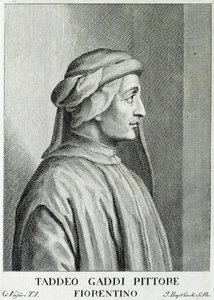
63of 100
გერმანული From როტვაილი გვიანი გოთური რეალიზმი On Wikipedia in 18 of 32 languages

64of 100
იტალიელი From სერინა უმაღლესი რენესანსი On Wikipedia in 22 of 32 languages

Jacopo Negretti, known to history as Palma Vecchio – “Palma the Elder” – emerged from the artistic landscape of early 16th-century Venice as a pivotal figure bridging the High Renaissance and the burgeoning Mannerist styles. Born around 1480 in Serina Alta near Bergamo, his career unfolded entirely within the vibrant Republic of Venice, a city already steeped in artistic innovation.
65of 100
იტალიური From ფერარა იტალიური რენესანსიო On Wikipedia in 17 of 32 languages

66of 100
ფრანგი From ტური რენესანსის ადრეული პერიოდი On Wikipedia in 24 of 32 languages

67of 100
ნიდერლანდელი From ჰარლემი რანგული ნიდერლანდური On Wikipedia in 22 of 32 languages

Dieric Bouts was an Early Netherlandish painter who worked in Leuven from 1457 until his death in 1475. Born in Haarlem, Netherlands, he was a painter and draftsperson. His career included serving as the city painter of Leuven, a position he attained in 1468.
68of 100
Flemish From ანტვერპენი Northern Mannerism On Wikipedia in 18 of 32 languages

Bartholomäus Spranger (1546-1611), a name that resonates through the halls of Northern Mannerism, was more than just a painter; he was a pivotal figure in shaping artistic sensibilities during his time.
69of 100
იტალიელი From კორტონა იტალიური რენესანსი On Wikipedia in 27 of 32 languages

Cortona, Tuscany, provides the setting for the beginning of Luca Signorelli. His maternal uncle, Lazzaro Vasari, facilitates an apprenticeship under Piero della Francesca.
70of 100
იტალიელი From სიენა უგვიანდელი გოთიკა, სიენური სკოლა On Wikipedia in 17 of 32 languages

71of 100
Italian From კონელიანო Venetian Renaissance Art On Wikipedia in 19 of 32 languages

Giovanni Battista Cima da Conegliano (c. 1459 – 1517) stands as a pivotal figure within the Venetian Renaissance, renowned for his masterful depictions of Madonna and Child compositions imbued with an unparalleled sense of tranquility and elegant symmetry.
72of 100
გერმანიელი From ვიტენბერგი რენესანსის მხატვრობა On Wikipedia in 25 of 32 languages

73of 100
იტალიელი From ფლორენცია ადრეული რენესანსი On Wikipedia in 24 of 32 languages

74of 100
იტალიელი From ვენეცია გვიანდელი გოთიკა, ვენეციის გოთიკური სტილი On Wikipedia in 23 of 32 languages

Born in Venice, Carlo Crivelli emerged from a family of painters, a lineage that likely shaped his early understanding of the craft. His formative years were spent absorbing the stylistic currents of the Veneto, drawing from the Vivarini school and the linear precision of the Paduan tradition. While his contemporaries moved toward the naturalism of the early Renaissance, Crivelli maintained a devotion to the decorative exuberance of the Late Gothic.
75of 100
იტალიელი From სიენა გოთიკა, რენესანსი On Wikipedia in 22 of 32 languages

Pietà, რომელიც ფლორენციის Galleria dell'Accademia-ში ინახება, მისი ადრეული უსწავლავეობის ტესტამენტია, წარმოადგენს ნერვოზულ ენერგიას მის ხაზებში და ხელშესახებ ემოციურ დაძაბულობას. Coronation of the Virgin, რომელიც ახლა Uffizi Gallery-ში არის განთავსებული, მაგალითად ასახულია მისი მომწიფებული სტილი - მკვეთრი ფორმებითა და გაბრწყინებულ ფერებით რენდერირებული წმინდანების თვალწარმტაცი ტაპესტრი.
76of 100
Italian From ფერმინჯანო High Renaissance On Wikipedia in 30 of 32 languages

Donato Bramante stands as one of the most transformative figures in the history of Western architecture, a visionary who bridged the gap between the late Gothic traditions and the luminous dawn of the High Renaissance. Born as Donato di Pascuccio d'Antonio in Fermignano, Italy, his journey through the artistic landscapes of Milan and Rome allowed him to reshape the very fabric of sacred and secular spaces.
77of 100
იტალიელი From პრატო უმაღლესი რენესანსი On Wikipedia in 27 of 32 languages

78of 100
ვენეციის From ბასანო-დელ-გრაპა ვენეციის რენესანსი On Wikipedia in 24 of 32 languages

80of 100
იტალიელი From ფლორენცია ვენეციის სკოლა On Wikipedia in 22 of 32 languages

81of 100
იტალიელი From სიენა რენესანსი On Wikipedia in 19 of 32 languages

82of 100
იტალიელი From ფლორენცია გოთიკა, ადრეული რენესანსი On Wikipedia in 20 of 32 languages

83of 100
ფრანგული From ბრიუსელი რენესანსის პორტრეტული მხატვრობა On Wikipedia in 20 of 32 languages

84of 100
იტალიელი From რუნო რენესანსი, მანერიზმი On Wikipedia in 20 of 32 languages

Bernardino Zenale-ს Cantù Polyptych-ის გავლენაც ჩანს ნამუშევრებში, როგორიცაა St. Anthony of Padua (1510s), რაც აჩვენებს ლუინის უნარს სინთეზირდეს მრავალფეროვანი გავლენა ერთიან მხატვრულ ხედვაში.
85of 100
იტალიელი From კასტანოლი ადრეული რენესანსი On Wikipedia in 24 of 32 languages

86of 100
იტალიური რენესანსი From ფერარა ფერარას და ბოლონიის სკოლები On Wikipedia in 22 of 32 languages

87of 100
From ლეიდენი რ frühen ნიდერლანდური ფერწერის სტილი On Wikipedia in 20 of 32 languages

გერტგენ ტოტ სინტ იანსის სახელი ნაზად ეხმიანება ადრეული ნიდერლანდური ფერწერის ანალებს; ეს არის ბრწყინვალების ჩურჩული იმ ხელოვანისა, რომლის ცხოვრებაც დღემდე შემაწუხებლად ბუნდოვანი რჩება.
88of 100
ფლანდრიელი From ანტვერპენი რომაიზმი On Wikipedia in 19 of 32 languages

In the vibrant, intellectual landscape of the 16th-century Low Countries, few figures loomed as large or as influential as Frans Floris. Known to history as Frans Floris the Elder, this Flemish Renaissance pioneer acted as a vital bridge between the Northern traditions of his homeland and the monumental grandeur of the Italian High Renaissance.
90of 100
From აუგსბურგი Renaissance portraiture On Wikipedia in 19 of 32 languages

Hans Holbein the Elder, a name synonymous with meticulous detail and profound psychological insight, stands as one of the most important figures in the transition from late Gothic to High Renaissance art.
91of 100
იტალიელი From ბოლონია სიენური სალთლწერლობის სტილი On Wikipedia in 19 of 32 languages

92of 100
ფლანდრიელი From ბუვინ-სურ-მეზ რენესანსის პეიზაჟი On Wikipedia in 18 of 32 languages

Joachim Patinir, a name often whispered alongside that of Albrecht Altdorfer as a foundational figure in landscape painting, emerged from the artistic milieu of the Low Countries during the early 16th century. Born around 1480, likely in either Bouvignes or Dinant – towns nestled within present-day Belgium’s Wallonia region – Patinir's life remains shrouded in a degree of mystery.
93of 100
ფლანდრიელი From დინანტი ფლანდრიული რენესანსი

Joachim Patenier, born around 1480 in Dinant or Bouvignes, was at the center of this change. While his predecessors like Jan van Eyck and Rogier van der Weyden focused on the sharp precision of textures and figures, Patenier looked toward the horizon. He was a man who lived and worked in Antwerp, eventually becoming a member of the city's Guild of Saint Luke in 1515.
94of 100
იტალიელი From Florence ად Frühe Renaissance (ადრეული რენესანსი) On Wikipedia in 28 of 32 languages

95of 100
Dutch From უტრეხტი Renaissance Portraiture On Wikipedia in 20 of 32 languages

Anthonis Mor van Dashorst (1517-1577) stands as a cornerstone of Dutch Renaissance portraiture, embodying the meticulous realism and symbolic depth characteristic of his era. However, he studied under Pieter Bruegel the Elder in Antwerp, absorbing Bruegel’s masterful observation of human nature and landscape—influences that would permeate Mor’s own artistic vision.
96of 100
იტალიელი From ბრეშა რენესანსის ხელოვნება On Wikipedia in 16 of 32 languages

97of 100
From ანტვერპენი On Wikipedia in 13 of 32 languages

De Vos’s formal training remains somewhat shrouded in mystery, but it is widely believed that he apprenticed with Pieter Bruegel the Elder, a towering figure of Northern Renaissance painting.
98of 100
ჰოლანდიელი From შორილ რომანისტული, რენესანსი On Wikipedia in 20 of 32 languages

99of 100
იტალიელი From მილანი უმაღლესი რენესანსი On Wikipedia in 15 of 32 languages

100of 100
გერმანელი From აუგსბურგი უმაღლესი რენესანსი On Wikipedia in 20 of 32 languages

Born in Augsburg, Germany, around 1473, Hans Burgkmair the Elder emerged as a pivotal figure in the transition between late Gothic and early Renaissance art. His life coincided with a period of intense artistic exchange between Northern Europe and Italy, and he skillfully absorbed the innovations of the Italian Renaissance while retaining a distinctly German sensibility.
Pictures worth knowing
When it happened
Fun figures
| იტალია | 68 |
|---|---|
| გერმანია | 10 |
| ბელგია | 9 |
| ნიდერლანდები | 8 |
| საფრანგეთი | 3 |
| გაერთიანებული სამეფო | 1 |
| Italy | 1 |
| 13th საუკუნე | 5 |
|---|---|
| 14th საუკუნე | 11 |
| 15th საუკუნე | 69 |
| 16th საუკუნე | 14 |
| 17th საუკუნე | 1 |
| უფიციების გალერეა | 20 |
|---|---|
| ნაციონალური გალერეა | 16 |
| კუნსტისტორიშეს მუზეუმი | 15 |
| ბერლინის შტატული მუზეუმები | 11 |
| ლუვრი | 10 |
| National Gallery of Art | 9 |
| Pinacoteca di Brera | 7 |
| მეტროპოლიტენის ხელოვნების მუზეუმი | 7 |
Just the names
ლეონარდო და ვინჩიItalian · 1452–1519მიქელანჯელო ბუანაროტიიტალიელი · 1475–1564ალბრეხტ დიურერიგერმანელი · 1471–1528რაფაელ სანტიიტალიელი · 1483–1520ჯოტო დი ბონდონეიტალიელი · 1267–1337ტიციანიიტალიელი · 1490–1576სანდრო ბოტიჩელიიტალიელი · 1445–1510მასაჩიოიტალიელი · 1401–1428ჰიერონიმუს ბოსხიНидерландцы · 1450–1516პიერო დელა ფრანჩესკაიტალიური · 1415–1492პიტერ ბრეიგელიFlemish · 1525–1569ფრა ანჯელიკოიტალიელი · 1395–1455Andrea Manteniaიტალიელი · 1431–1506ჯორჯონეიტალიელი · 1478–1510პაოლო უჩელოიტალიელი · 1397–1475ჰანს ჰოლბაინ უმცროსიგერმანელი · 1497–1543დუჩო დი ბუონინსენიაიტალიელი · 1255–1319ციმბუეประเทศ อิตาลี · 1240–1302ვერონეზეიტალიელი · 1528–1588ჯოვანი ბელინიItalian · 1430–1516დომენიკო გირლანდაიოიტალიელი · 1448–1494ლუკას კრანახი უფროსიGerman · 1472–1553პიეტრო პერუჯინოიტალიური · 1448–1523ვიტორი კარპაციოიტალიელი · 1465–1526სოფონისბა ანგისოლაიტალიელი · 1532–1625ფილიპო ლიპიიტალიელი · 1406–1469ანტონიო ალეგრი და კორრეგიოიტალიური · 1489–1534მათის ნაითჰარდტიგერმანელი · 1480–1528პიტერ ბრუგელი უმცროსიფლანგრიული · 1564–1638ანდრეა დელ სარტოიტალიელი · 1486–1530ალბრეხტ ალტდორფერიგერმანელი · 1480–1538ანტონელო და მესინაItalian · 1430–1479ფილიპინო ლიპიიტალიელი · 1457–1504 პინტურიკიო1454–1513ამბროჯო ლორენცეტიიტალიელი · 1290–1348ჰუგო ვან დერ გოესიფლამანდიური · 1440–1482კანტენ მასისიფლამანდიური · 1466–1530დონატელოიტალიელი · 1386–1466ანდრეა დელ ვეროკიოიტალიელი · 1435–1488ლორენცო ლոտტოიტალიელი · 1480–1556ლუკა დელა რობიაიტალიელი · 1399–1482ჯენტილე ბელინიიტალიელი · 1429–1507ანტონიო დელ პოლაიუოლოიტალიელი · 1429–1498ჰანს ბალდუნგიგერმანელი · 1485–1545ბენოცო გოცოლიItalian · 1420–1497ლუკა ჯორდანოიტალიელი · 1634–1705პიეტრო ლორენცეტიიტალიელი · 1280–1348იან გოსერტი (მაბუზე)ფლამენდიელი · 1478–1532პიერო დი კოსიმო (პიერო დი ლორენცო)იტალიელი · 1462–1522სებასტიანო დელ პიომბოსიტალიური · 1485–1547მასოლინო და პანიკალეიტალიელი · 1383–1447ლუკას ვან ლეიდენიჰოლანდიელი · 1494–1533ჟერარ დევიდინიდერლანდური · 1460–1523ნიკოლას ჰილიარდიინგლისელი · 1547–1619
 ჯაკაპო ბელინიიტალიელი · 1400–1470ილ სოდომა (ჯოვანი ანტონიო ბაცი)იტალიელი · 1477–1549კოსმე ტურაიტალიელი · 1430–1495ორაციო ჯენტილესკიItalian · 1563–1639ფრანსუა კლუეფრანგი · 1510–1572დომენიკო ვენეციანოიტალიელი · 1410–1461მიქაელ პახერიტიროლისელი · 1435–1498ტადეო გადიიტალიელი · 1300–1366კონრად ვიცგერმანული · 1400–1445პალმა ვეკიოიტალიელი · 1480–1528ფრან체სკო დელ კოსაიტალიური · 1436–1477ჟან ფუკეფრანგი · 1420–1478დირიკ ბოუსინიდერლანდელი · 1415–1475ბარტოლომეუს სპრანგერიFlemish · 1546–1611ლუკა სინიორელიიტალიელი · 1450–1523სასეტაიტალიელი · 1392–1450ჯოვანი ბატისტა চিმა და კონელიანოItalian · 1459–1517ლუკას კრანახი უმცროსიგერმანიელი · 1515–1586კოზიმო როსელიიტალიელი · 1439–1507კარლო კრიველიიტალიელი · 1435–1495ლორენცო მონაკოიტალიელი · 1370–1425დონატო ბრამანტეItalian · 1444–1514ფრა ბარტოლომეოიტალიელი · 1472–1517ჯაკპო ბასანოვენეციის · 1510–1592
 ფილიპო ბრუნელესკიიტალიელი · 1377–1446ლორენცო დი კრედიიტალიელი · 1459–1537ფრანჩესკო დი ჯორჯიო მარტინიიტალიელი · 1439–1501ანიოლო გადიიტალიელი · 1350–1396ჟან კლუეფრანგული · 1480–1541ბერნარდინო ლუინიიტალიელი · 1480–1532ანდრეა დელ კასტანიოიტალიელი · 1420–1457ლორენცო კოსტა (უფრო უფროსი)იტალიური რენესანსი · 1460–1535გერტგენ ტოტ სინტ იანს1460–1490ფრანს ფლოჩიფლანდრიელი · 1517–1570
 პარი ბორდონეიტალიელი · 1500–1571ჰანს ჰოლბაინ უფროსი1465–1524ფრანჩესკო ფრანჩია (ფრანჩესკო რაიბოლინი)იტალიელი · 1447–1517ჯოაきიმ პატინირიფლანდრიელი · 1480–1524იოახიმ პატენიერიფლანდრიელი · 1481–1524ლორენცო გიბერტიიტალიელი · 1378–1455ანტონის მორიDutch · 1519–1575ალესანდრო ბონვიჩინო (მორეტო და ბრესია)იტალიელი · 1498–1554მარტენ დე ვოსი1532–1603იან ვან სკორელიჰოლანდიელი · 1495–1562ფრანჩესკო მელზიიტალიელი · 1491–1570ჰანს ბურგკმაირი უფროსიგერმანელი · 1473–1531
Good questions
ლეონარდო და ვინჩი (#1) is first in this ranking, followed by მიქელანჯელო ბუანაროტი (#2) and ალბრეხტ დიურერი (#3).
ლეონარდო და ვინჩი (#1), მიქელანჯელო ბუანაროტი (#2), ალბრეხტ დიურერი (#3), რაფაელ სანტი (#4) და ჯოტო დი ბონდონე (#5).
The museums holding the most key works of this list are უფიციების გალერეა (20), ნაციონალური გალერეა (16) და კუნსტისტორიშეს მუზეუმი (15).
იტალია: 68 of the 100 მესმენები in this list were born there, then გერმანია (10) და ბელგია (9).
The highest-ranked მესმენები born in იტალია are ლეონარდო და ვინჩი (#1), მიქელანჯელო ბუანაროტი (#2), რაფაელ სანტი (#4), ჯოტო დი ბონდონე (#5) და ტიციანი (#6).
The earliest-born მხატვარი in this list is ციმბუე (#18), born in 1240.
ფლორენცია: 17 of the მესმენები in this list were born there.
The highest-ranked მესმენები born in გერმანია are ალბრეხტ დიურერი (#3), ჰანს ჰოლბაინ უმცროსი (#16), ლუკას კრანახი უფროსი (#22), მათის ნაითჰარდტი (#28) და ალბრეხტ ალტდორფერი (#31).
1 women are in this ranking: სოფონისბა ანგისოლა (#25).
“He spent hours in difficult positions, his body strained by the reach and the heavy application of fresco technique.” — from our biography of მიქელანჯელო ბუანაროტი (#2).
Most მესმენები in this list were born in the 15th საუკუნე (69 of 100), between 1240 and 1634 overall.
Our catalogue holds 19,218 works by these მესმენები. Each one can be ordered as a hand-painted oil reproduction or a print.
Read more
Other styles
 ცნობილი Baroque ხელოვანებიმოხევე მცველი · რემბრანდტი
 ცნობილი Contemporary Realist ხელოვანებიმოსაკრებლები · ჟან-ფრანსუა მილე
 ცნობილი Impressionist ხელოვანებივარსკვლავების ღამე (ნიუ-იორკი, MoMA) · ვინსენტ ვან გოგი
 ცნობილი Romanticist ხელოვანებისატურნმა თავისი ვაჟი შეყაზჷნა · ფრანსისკო გოია
 ცნობილი Neoclassicist ხელოვანებიThe Death of Marat · ჟაკ-ლუი დავიდი
 ცნობილი Realist ხელოვანებიმშვიდობის წყარო · გიუსტავ კურბე
 ცნობილი Dutch Golden Age ხელოვანებიმარგარიტა ერთ მარგალითიან ყელსით · იან ვერმეერი
 ცნობილი Expressionist ხელოვანებიკომპოზიცია VII · ვასილი კანდინსკი
 ცნობილი Rococo ხელოვანებიცითერის გასეირნება · ჟან-ანტუან ვატო
 ცნობილი Pop Art ხელოვანებიკამბელის სუპის ქილები · ენდი უორჰოლი
Other eras
 ცნობილი Early Medieval ხელოვანებიSnowy River · ვან ვეი
 ცნობილი High Medieval ხელოვანებირუჩელაის მადონნა · დუჩო დი ბუონინსენია
 ცნობილი Late Medieval ხელოვანებიგესტუა და ორი წმინდა · სიმონე მარტინი
 ცნობილი Early Modern ხელოვანებიწმინდა მატევის მოძახებA · კარავაჯო
 ცნობილი 19th Century ხელოვანებიყვავილების ბუჩქები (ან ნიმფეები) · კლოდ მონე
 ცნობილი Modern ხელოვანებიგერნიკა · პაბლო პიკასო
 ცნობილი Contemporary ხელოვანებიWind Sculpture III (one in a series of nine) · Yinka Shonibare
Keep exploring


