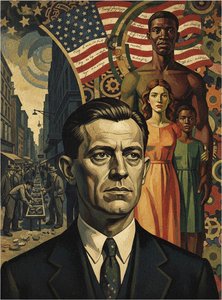
A Life Etched in Shadow: The Enduring Legacy of Pran
Pran Krishan Sikand, known to the world simply as Pran, wasn’t merely an actor; he was a phenomenon woven into the very fabric of Indian cinema. Born in Lahore on February 12th, 1920, his journey began not with aspirations of stardom but within a prosperous Punjabi Hindu family. His early life unfolded across several cities – Dehradun, Kapurthala, Meerut, and finally Old Delhi’s Ballimaran – shaped by his father's profession as a civil engineer and government contractor. Though academically gifted, particularly in mathematics, fate steered him towards the captivating world of performance. It was a world that would ultimately define him, not as a hero, but as the most iconic villain Bollywood has ever known. His initial foray into acting wasn’t driven by ambition, but necessity; a chance encounter with a film producer led to his debut in 1940, marking the beginning of a six-decade-long odyssey through the golden age and beyond of Hindi cinema.From Hero to Harbinger of Darkness
Pran's early career saw him cast as the leading man, roles he occupied from 1940 to 1947. However, it was his transition into negative characters in 1942 that irrevocably altered his trajectory and cemented his place in film history. This wasn’t a descent into typecasting; it was a deliberate choice, a recognition of his unique ability to embody complexity and menace. The late 1940s through the 70s witnessed the zenith of Pran's villainous reign. He didn’t simply play villains; he *became* them. His interpretations were groundbreaking – the first true personification of “evil” on the Indian screen, a chilling intensity that resonated deeply with audiences. The very name "Pran" became synonymous with wickedness, so much so that his given name fell into disuse, eclipsed by the persona he had so powerfully created. He wasn’t just an antagonist; he was a force of nature, a captivating embodiment of moral ambiguity in a world often painted in stark black and white.A Master of Character: Beyond the Villain
While forever linked with villainy, to define Pran solely as such would be a profound disservice. His range extended far beyond menacing glares and calculated schemes. From 1967 onwards, he seamlessly transitioned into supporting and character roles, showcasing an extraordinary versatility that few actors possess. He wasn’t merely playing characters; he was inhabiting them, breathing life into each role with nuance and depth. Films like Upkar (1967), Ram Aur Shyam (1967), Aansoo Ban Gaye Phool (1969) and Purab Aur Paschim (1970) demonstrated his ability to evoke empathy, humor, and pathos. He could be the loyal friend, the wise mentor, or the tragic figure with equal conviction. This remarkable adaptability allowed him to remain relevant and respected across generations of filmmakers and audiences. His performances weren’t just about delivering lines; they were about conveying emotions, motivations, and a profound understanding of the human condition.Recognition and Remembrance: A Legacy Honored
Pran's contributions to Indian cinema didn’t go unnoticed. He garnered numerous accolades throughout his illustrious career, including three Filmfare Awards for Best Supporting Actor in 1967, 1969, and 1972. In 1997, he received a special Filmfare Award recognizing his lifetime achievements. The pinnacle of recognition arrived in 2000 when he was bestowed with the title of “Villain of the Millennium” by Stardust Awards – a testament to his enduring impact on the genre. However, perhaps the most significant honor came from the Government of India, which conferred upon him the Padma Bhushan Award in 2001 for his exceptional contributions to the arts. In 2013, he was posthumously awarded the Dadasaheb Phalke Award, the highest national award for cinema artists, a fitting tribute to a life dedicated to the craft. He was also celebrated as one of the Top 25 Asian actors of all time by CNN in 2010.A Lasting Impression: The Man Behind the Mask
Pran’s death on July 12th, 2013, at the age of 93, marked the end of an era. But his legacy continues to thrive, etched into the collective memory of Indian cinema lovers. He appeared in over 362 films, each performance a testament to his dedication and artistry. His son, Sunil Sikand, followed in his footsteps as a film director, further cementing the family’s connection to the world of cinema. Pran wasn't just an actor; he was a cultural icon, a symbol of both fear and respect. He redefined villainy, elevated character acting, and left an indelible mark on the landscape of Indian entertainment. His story is a reminder that true artistry lies not in conforming to expectations but in embracing complexity, challenging conventions, and captivating audiences with authenticity and passion.კითხვები და პასუხები
სად შეიძლება Pran Krishan Sikand-ის ნამუშევრების ნახვა ტექნიკის მიხედვით დაჯგუფებულად?
Pran Krishan Sikand-ის ყველა ნამუშევრის მოსაძებნად კონკრეტულ ტექნიკაში, ეწვიეთ ხელოვანის ყველა ტექნიკა გვერდს.
რა სხვა სახელებით არის ცნობილი Pran Krishan Sikand?
Pran Krishan Sikand ასევე ცნობილია შემდეგი ალტერნატიული სახელებით: Paran.
როგორ არის დაყოფილი Pran Krishan Sikand-ის კარიერა პერიოდებად?
Pran Krishan Sikand-ის შემოქმედების ქრონოლოგიური მიმოხილვა ხელოვანის ქრონიკა გვერდზეა წარმოდგენილი, სადაც ნამუშევრები შექმნის თანმიმდევრობით, თავსებადობის მიხედვით არის დაჯგუფებული.