Gustaf Söderberg-ის პორტრეტი

თქვენი გზამკვლევი Gustaf Söderberg-ის 5 ყველაზე ცნობილი ნახატისკენ

განახლდა ნოემბერი 2026 · დალაგებულია ჩვენი პოპულარობის ქულების მიხედვით (ძიება, ნახვა და შეკვეთები თითოეული ნამუშწაროსთვის) · 5 ნამუშევარი Gustaf Söderberg ჩვენს კატალოგში

მოკლედ რომ ვთქვათ

Gustaf Söderberg-ის ყველაზე ცნობილი ნაწარმოებია The Grotto of Posillipo, Naples (1820). მას შეგიძლიათ ნახოთ მეტროპოლიტენის ხელოვნების მუზეუმი-ში, ნიუ-იორკი-ში. სიაში შემდეგებია View over the Tiber to the Aventine, Rome (1820) და A Temple in Agrigento, Sicily. ჩვენს კატალოგში წარმოდგენილია Gustaf Söderberg-ის 5 ნამუშევარი; მოცემული გზამკვლევი გამოყოფს 5 ყველაზე ცნობილს, თითოეულის შექმნის წლით, მუზეუმითა და ისტორიით.

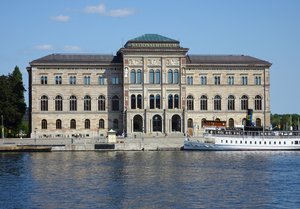
1799 – 1875, Norrköping ყველაზე დიდი კოლექცია: Nationalmuseum

პირველი 10 ნახატი Gustaf Söderberg-ის, რომლებიც უნდა იცოდეთ

1
The Grotto of Posillipo, Naples (1820) ავტორი: Gustaf Söderberg

The Grotto of Posillipo, Naples

The Grotto of Posillipo, Naples is an oil study by the Swedish artist Gustaf Söderberg, executed in 1820. This work captures a specific geological and historical site located in southern Italy. The subject is a nearly half-mile-long tunnel carved through the rocky promontory that separates the city of Naples from the town of Posillipo. This passage dates back to the first century.

ხელით ნაკletი ზეთისფერი რეპროდუქცია: $183 25 × 39 cm
შეიძინეთ ხელით ნაKEREDINEBILI წაიკითხეთ მისი ისტორია

სადაც შეგიძლიათ ნახოთ Gustaf Söderberg-ის ნახატები

ამ გვერდზე წარმოდგენილი მხატვრობის შედეგების უმეტესობას 2 მუზეუმი ინახავს.

მუზეუმები ქალაქი Gustaf Söderberg შემოქმედება ამ სიიდან ნახატები
Nationalmuseum, სტოქჰოლმიNationalmuseum სტოქჰოლმი 4 View over the Tiber to the Aventine, Rome, A Temple in Agrigento, Sicily, Vesuvius Seen from St January Bridge, Naples
მეტროპოლიტენის ხელოვნების მუზეუმი, ნიუ-იორკიმეტროპოლიტენის ხელოვნების მუზეუმი ნიუ-იორკი 1 The Grotto of Posillipo, Naples

წელიწადიდან წლამდე: Gustaf Söderberg-ის ყველაზე ცნობილი ნამუშევრები

ამ გვერდზე წარმოდგენილი Gustaf Söderberg-ის ნამუშევრები თარიღით 1820 წელს მიეკუთვნება. ისინი აქ პოპულარობის მიხედვითაა განლაგებული.

ნამუშევრები წლების მიხედვით

შეარჩიეთ წელი, რომ ნახოთ მისი ნამუშევრები.

Gustaf Söderberg: მოკლე პასუხები ნახატებზე

რა არის Gustaf Söderberg-ის ყველაზე ცნობილი ნახატი?ნახეთ პასუხი

სიის პირველია The Grotto of Posillipo, Naples (1820), მეტროპოლიტენის ხელოვნების მუზეუმი, ნიუ-იორკი. მის შემდეგ მოჰყვები: View over the Tiber to the Aventine, Rome (1820) და A Temple in Agrigento, Sicily.

რამდენage იყო Gustaf Söderberg The Grotto of Posillipo, Naples-ის შექმნისას?ნახეთ პასუხი

21 წლის. Gustaf Söderberg დაიბადა 1799, ხოლო The Grotto of Posillipo, Naples შექმნილია 1820 წელს.

რამდენი ნამუშწარებია Gustaf Söderberg-ის კატალოგში?ნახეთ პასუხი

ჩვენს კატალოგში Gustaf Söderberg-ის 5 ნამუშევრია.

რა მუზეუმებში შეგიძლიათ ნახოთ Gustaf Söderberg-ის ცნობილი ნამუშევრები?ნახეთ პასუხი

მათგან უმეტესობას Nationalmuseum (სტოქჰოლმი) და მეტროპოლიტენის ხელოვნების მუზეუმი (ნიუ-იორკი)-ში იპოვით. ზემოთ მოცემულ მუზეუმების სიაში წარმოდგენილია სრული ჩამონათვალი.

როდის შექმნა Gustaf Söderberg-მა ყველაზე ცნობილი ნამუშევრები?ნახეთ პასუხი

1820-ში, სხვა ნებისმიერ პერიოდთან შედარებით, მეტია: ამ გვერდზე წარმოდგენილი 5 ნამუშწაროსგან 2 სწორედ ამ დროს შეიქმნა, მათგან The Grotto of Posillipo, Naples კი - The Grotto of Posillipo, Naples.

Nationalmuseum-ში რომელი ცნობილი Gustaf Söderberg-ის ნამუშევრებია?ნახეთ პასუხი

ამ გვერდზე Nationalmuseum, სტოქჰოლმი-ში წარმოდგენილი ნამუშევრებისგან 4 შეგიძლიათ ნახოთ, მათ შორის: View over the Tiber to the Aventine, Rome, A Temple in Agrigento, Sicily და Vesuvius Seen from St January Bridge, Naples.

სად შემიძლია შევუკვეთო Gustaf Söderberg-ის რეპროდუქცია?ნახეთ პასუხი

დიახ. ამ გვერდზე წარმოდგენილი ყველა სურათი ხელნაკეთ ზეთწერილი რეპროდუქციით ან ბეჭდვით, თქვენთვის სასურველ ზომაშია ხელმისაწვდომი. შეკვეთისთვის უბრალოდ გადადით სურათის გვერდზე.

Gustaf Söderberg-ის ისტორია

A Life of Service and Sketching

Gustaf Söderberg lived a life defined by the dualities of Swedish military discipline and the quiet observation of the natural world. Born in Norrköping, Östergötland, he was the son of a clothing manufacturer, Johan Söderberg, and Agnes Arosenius. While his career path led him through the ranks of the military, his eyes remained fixed on the landscapes of Europe. He trained as a military draftsman, a skill that provided a precise foundation for his later explorations in light and atmosphere.

His professional trajectory was marked by steady advancement. He served as an Adjutant at the Expeditionary General for the Army in Stockholm and eventually attained the rank of Colonel. In 1827, he held the position of ordination officer to the Crown Prince, and by 1833, he had become Adjutant to the Crown Prince himself. Even amidst these official duties, his artistic inclinations found expression through lithographic work, specifically in creating posters for Swedish and Norwegian military uniforms completed in 1828.

The Pursuit of Light

Söderberg holds a specific place in Swedish art history as the first painter from his nation to embrace plein-air painting. This shift toward painting outdoors was not an isolated impulse but a learned technique. He studied under the French landscapist Achille-Etna Michallon, whose influence helped him move beyond the rigid confines of studio work. His travels provided the necessary canvas for this new approach.

In 1819, he traveled to Italy, and by 1820, his sketches began to capture the specific geometries of foreign locales. During a journey through southern Italy and Sicily, he produced studies such as The Grotto of Posillipo, Naples. His time in Rome also yielded works like Houses, Rome, where he utilized an extraordinary disparity of scale to depict architectural fragments against the sky. These early excursions were followed by time spent in Paris in 1821 and a painting tour through Norway in 1824.

Final Years and Quiet Observations

The later decades of Söderberg's life saw him moving through the various stages of European travel while maintaining his military obligations. He participated regularly in the Academy of Fine Arts exhibitions from 1822 onwards, bringing his observations to a wider audience. After retiring from military service in 1864, he spent his remaining years traveling across the continent.

He passed away in Stockholm in 1875. His legacy is found not in grand historical narratives, but in the meticulous oil studies on paper that remain in collections such as The Metropolitan Museum of Art. These works preserve a specific moment of transition in Swedish art, capturing the light of Naples and the structures of Rome through the lens of a man who understood both the precision of a soldier and the sensitivity of a draftsman.