ადრეული ცხოვრება და სახელოვნებო დასაბამისი
დუაიტ უილიამ ტრაიონი 1849 წელს კონექტიუტის მშვიდი პეიზაჟებიდან წარმოიშვა; იგი ჰარტფორდში, ანსონ ტრაიონისა და დელია ო. რობერტსის შვილიშვილა იყო. მამამისის ნაადრევი გარდაცვალებამ მისი ბავშვობა ჩრდილით დაფარა, რამაც ბებია-ბაბუის ფერმაში, ეგრეთ წოდებულ ইস্ট ჰარტფორდში ყოფნა და განვითარების საფუძვლებად აქცია. სოფლის ცხოვრებაში ეს სრული შთعთბმა გადამწყვეტი როლი ითამაშა და მასში ბუნებასთან ის ღრმა კავშირი ჩამოუყალიბა, რომელიც მოგვიანებით მისი მხატვრული ხედვის განუყოფელი ნაწილი გახდა. მიუხედავად იმისა, რომ თავდაპირველად ფორმალური განათლება არ ჰქონდა, ტრაონის თანდაყოლილმა მიდრეკილებამ ხელოვნებისკენ ბუნებრივად გაღვიძდა. იგი ხშირად სტუმრობდა ადგილობრივ წიგნის მაღაზიას, არა მხოლოდ როგორც მყიდველი, არამედ როგორც თანამშრომელი, სადაც აღმოაჩინა სასწავლო სახელმძღვანელოები, რომლებმაც თვითგანათლების პროცესი დაუწყეს მას. ეს ადრეული ძიებები მხოლოდ თეორიით არ შემოიფარგლებოდა; იგი უთვლელ საათებს ატარებდა მიმდებარე სოფლის風景ის ესკიზების შექმნაში, ფურცელზე გადასცემდა სინათლისა და ჩრდილის ნატიფ ნიუანსებს. ამ თავდადებას 1870 წელს პირველი გაყიდვა მოჰყვა, რასაც მოჰყვა ადგილობრივი გამოფენები, რომლებმაც მიანიშნეს მზარდ ტალანტზე, რომელიც მოგვიანებით, 1873 წელს, დიზაინის ეროვნულ აკადემიაში მიღებით უფრო ფართო აღიარებას მოჰყვებოდა.ევროპული გავლენები და სტილის ჩამოყალიბება
ფორმალური სწავლების სურვილით გამოწვეულმა მოტივით, 1876 წელს ტრაიონი საფრანგეთში გადავიდა, რაც მის ცხოვრებაში გარდამტეხი მოგზაურობა აღმოჩნდა. მან École des Beaux-Arts-ში ჟაკესონ დე ლა შევრუზეს მეთოდოლოგიით სწავლა დაიწყო და ევროპის მხატვრულ ნაკადებში ჩაერთო. თუმცა, მისი განათლება მხოლოდ საკლასო ოთახებით არ შემოიფარგლებოდა; იგი ეძებდა დახმარებას ისეთ ლეგენდარულ პერსონებიდან, როგორებიც იყვნენ შარლ-ფრანსუა დუბენი, ენრი ჰარპინი და ჟან ბაპტისტ-アンტუან გიიემ, რომელთა ტექნიკებისა და ფილოსოფიის შთანთქმაც მოახდინა მასზე დიდი გავლენა. თავდაპირველად ტრაონის სტილი ლუმინიზმისკენ იხრებოდა, რაც ხასიათდებოდა ატმოსფერული ეფექტებითა და მანათობელი სინათლის ხაზგასმით. თუმცა, მისი მხატვრული გზა მალე შეიცვალა და ბარბიზონის სკოლის პრინციპებს მიუჯდა — მოძრაობისა, რომელიც ბუნების პირდაპირ დაკვირვებასა და უფრო დამშვიდებულ პალიტრას ანიჭებდა უპირატესობას. მიუხედავად იმისა, რომ საფრანგეთში იმ დროისთვის იმპრესიონიზმის მზარდი ტალღა ტრიუმფირებდა, ტრაიონი მტკიცედ რჩებოდა ბარბიზონის ესთეტიკის ერთგული, რადგან მასში უფრო მეტი რეზონანსი ჰპოვა კონტემპლატიურ განწყობასა და ბუნებრივი სამყაროს რეალისტურ აღწერაში. ამ პერიოდის განსაკუთრებით მნიშვნელოვანი გავლენა იქონია ჯეიმს მაკნელ უისლერმა, რომლის ტონალისტურმა სტილმაც — ფერების ჰარმონიული განლაგებისა და ტონის ნატიფი გრადაციების ხაზგასმით — წარუშლელი კვალი დატოვა ტრაონის შემოქმედებით განვითარებაზე.მფარველობა, აღიარება და მარადიული მემკვიდრეობა
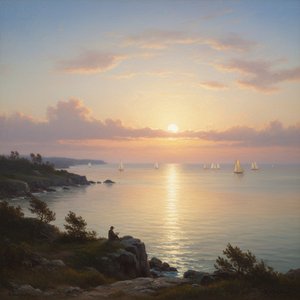
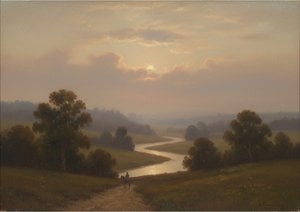
ტრაონის კარიერის ტრაექტორიას მნიშვნელოვნად გაუღრმავდა ურთიერთობა ჩარლზ ლანგ ფრიერთან, გამორჩეულ კოლექციონერთან, რომელიც მისი ყველაზე მნიშვნელოვანი მფარველი გახდა. ფრიერმა შეიძინა ტრაონის ქმნებების ათობით ნიმუში და მხატვართან ერთად იმუშავა დეტროიტის მისი სახლის ინტერიერის დიზაინზეც კი. ამ გულგრილმა მხარდაჭერამ ტრაიონს საშუალება მისცა, სრულად ეძღვნა თავისი ხელოვნება, რის შედეგადაც ბევრი ეს ნახატი დღეს სმიტსონის ინსტიტუტის შემადგენლობაში, ფრიერის სახელობის ხელოვნების გალერეაში ინახება. შემდგომი აღიარება 1908 წელს მოჰყვა, როდესაც მან კარნეგის პრემია მიიღო კარნეგის გამოფენაზე, რითაც განამტკიცა თავისი ადგილი თავის ეპოქის წამყვან ხელოვანთა შორის. მთელი კარიერის განმავლობაში ტრაონი იყო რამდენიმე პრესტიჟული ორგანიზაციის აქტიური წევრი, მათ შორის ამერიკელი ხელოვანების საზოგადოებისა და ამერიკის აკადემიის. 1887 წელს მან მოწყო საზაფხულო სახლი მასაჩუსეტსის შუა დარტმითში, რომელიც მისი სიცოცხლის ბოლომდე ძირითად რეზიდენციას წარმოადგენდა. იგი ასევე ეძღვნებოდა განათლებას და 1886 წლიდან 1923 წლამდე ასწავლიდა სმიტის კოლეჯში, სადაც დაფუძნა ტრაონის სახელობის ხელოვნების გალერეა. დუაიტ უილიამ ტრაიონი 1925 წელს გარდაიცვალა, დატოვა მდიდარი მხატვრული მემკვიდრეობა, რომელიც განსაზღვრულია ამერიკული ტონალიზმისადმი მისი წვლიდით და ატმოსფერული პეიზაჟებისა და ზღვის სურათების ნატიფი ფერებითა და დახვეწილი გრძნობით გადაცემის გამორჩეული უნარით. მისი ნამუშევრები დღემდე აღიარებულია და ინახება ისეთ მნიშვნელოვან კოლექციებში, როგორიცაა სმიტსონის ამერიკული ხელოვნების მუზეუმი და ფრიერის გალერეა, რაც უზრუნველყოფს მისი ხედვის შენარჩუნებას მომავალი თაობებისთვის.კითხვები და პასუხები
როგორ ვიპოვო დუაიტ უილიამ ტრაიონი-ის ნამუშევრები კონკრეტული პალიტრის მიხედვით?
დუაიტ უილიამ ტრაიონი-ის ნამუშევრების კონკრეტულ პალიტრაში მოსაძებნად გამოიყენეთ ხელოვანის ფერების პალიტრის მიხედვით გვერდი.
შესაძლებელია თუ არა დუაიტ უილიამ ტრაიონი-ის ნამუშევრების ფერების სპექტრის მიხედვით დათვალიერება?
სპექტრული ინდექსი გვერდი დუაიტ უილიამ ტრაიონი-ის ნამუშევრებს ფერების მიხედვით აჯგუფებს.
სად არის დუაიტ უილიამ ტრაიონი-ის ნამუშევრები ტექნიკის მიხედვით დაჯგუფებული?
დუაიტ უილიამ ტრაიონი-ის ნამუშევრების დათვალიერება ტექნიკის მიხედვით შესაძლებელია ხელოვანის ყველა ტექნიკა გვერდზე.