
1


განახლდა ნოემბერი 2026 · დალაგებულია ჩვენი პოპულარობის ქულების მიხედვით (ძიება, ნახვა და შეკვეთები თითოეული ნამუშწაროსთვის) · 1 ნამუშევარი Bas Meerman ჩვენს კატალოგში
მოკლედ რომ ვთქვათ
თუ რომელიმე Bas Meerman ჩანაწერი გაქვთ ცნობილი, ეს ალბათ არის Sebastian (2009), რომელიც უთრექტი-ში, Museum Catharijneconvent-ში hangs. ჩვენს კატალოგში წარმოდგენილია 1 ნამუშწევრი Bas Meerman-ისგან. ქვემოთ მოცემულია 1 ყველაზე ცნობილი ნამუშწევრი, თითოეული მათგანის წლით, ადგილმდებარეობითა და მისი განსაკუთრებული მახასიათებლებით.
მუზეუმი, რომელიც ამ გვერდზე წარმოდგენილი მოდგმების უმეტესობას ინახავს.
| მუზეუმი | ქალაქი | Bas Meerman შემოქმედება | ამ სიიდან მოპოვებული ნახატები |
|---|---|---|---|
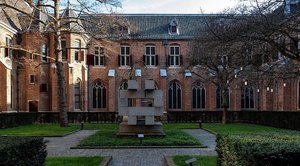 Museum Catharijneconvent |
უთრექტი | 1 | Sebastian |
ამ გვერდზე წარმოდგენილი Bas Meerman-ის ყველა დათარიღებული ნამუშწევრი ერთი წლის, 2009, შედგება. აი ისინი.
შეარჩიეთ წელი, რომ ნახოთ მისი ნამუშევრები.
სიის პირველია Sebastian (2009).
39 წლის. Bas Meerman დაიბადა 1970, ხოლო Sebastian შექმნილია 2009 წელს.
We have 1 works by Bas Meerman in our catalogue.
მათგან უმეტესობას Museum Catharijneconvent (უთრექტი)-ში იპოვით. ზემოთ მოცემულ მუზეუმების სიაში წარმოდგენილია სრული ჩამონათვალი.
Born in Hilversum, Netherlands, in 1970, Bas Meerman has spent much of his life exploring the subtle textures of existence through oil on canvas. His work often feels like a quiet observation, a way of looking at the world that avoids the loud or the obvious. For a decade, his life was centered in Berlin, a period that shaped much of his artistic development and led to projects like Introspektakel. This time in Germany marked a significant chapter, acting as a bridge between his earlier explorations and the more settled, reflective works seen in his later years.
His practice is deeply rooted in the physical act of painting, often involving a meticulous approach to his subjects. Whether he is working on a portrait or a more abstract composition, there is a sense of stillness that permeates his canvases. He has a habit of documenting his process, sometimes through journals or diaries, which suggests a man who is as interested in the act of seeing as he is in the final image produced on the support.
Meerman’s work often navigates the space between the recognizable and the felt. His subjects are frequently stripped of unnecessary distraction, allowing the viewer to focus on the weight of the paint and the light hitting a surface. His output includes a variety of themes and formats, such as:
In pieces like Hollywood, he uses oil on canvas to ground his subjects in a tangible reality. There is a certain weight to his brushwork, a way of building up layers that gives the surface a physical presence. He does not shy away from the imperfections of the medium, allowing the nature of the oil and the canvas to speak for itself.
The evolution of his style is visible in the way he handles his materials over the years. From his early days in the Netherlands to his residency in Berlin, his work has maintained a consistent focus on the essence of his subjects. He has been known to sign and date his works, often on the reverse, marking his place in time through the simple act of notation. His paintings have found their way into private collections and museum settings, including the Stedelijk, where his contributions are held as part of a larger narrative of contemporary Dutch art.
His approach remains deeply personal. By treating his art as a continuous dialogue with his own observations, he creates a body of work that feels lived-in and honest. He remains an active figure in the contemporary scene, continuing to refine his vision through a dedicated, quiet persistence.