


 წინასწარი ნახვა
 გაგზავნა
 გაზიარება
 დეტალები
 გზამკვლევი

 ჩამოტვირთვა
 მსგავსები
 რენტგენოგრაფიული კვლევა
 სლაიდშოუ
 სტატისტიკა
Herkულეს და ლერნეან ჰიდარას სურათი
 აკრილი ტილოზე
- კედლის დეკორი
- Renaissance Classicism
 1490
1490 32.0 x 32.0 cm
 Музео Национале дел Барджелло
 გადასართად დაწვრილებით ნახეთ
ხელით ნაკვეთი ზეთის ტილოს რეპროდუქცია
ტილოზე შესრულებული ფერწერიანი ზეთប្រდათი, თქვენთვის სასურველი ზომისა და ჩარჩოსთვის, ჩვენი ხელოვანების მიერ შეკვეთის საფუძველზე დამზადებული. ( გადართვა ბეჭდზე გადასვლა ციფრულ გამოსახულებაზე)




P118B C$10

P118H C$10

P118W C$10

P438Z C$10

P508JH C$12

P508YH C$12

P805H C$10

P805Z C$10

P919BZ C$10

P919G C$10

P919XJ C$10

P959ZH C$10

P968JZ C$12

W106C C$8

W218G C$10

W218JH C$8

W218Y C$10

W307PJ C$10

W316G C$10

W316PJ C$8

W316Y C$10

W398PJ C$8

W4111J C$10

W500HY C$15

W500JH C$15

W692G C$12

W849H C$8

W940BG C$15

W953PJ C$8




აირჩიეთ ჩვენს მიერ წინასწარ განსაზღვრული ზომებიდან, რომლებიც ნაწარმოების ორიგინალურ პროპორციებს შეესაბამება.

თქვენ შეგიძლიათ მიუთითოთ თქვენთვის სასურველი ზომები კონკრეტული ჩარჩოს ან სივრცის შესაბამისად. თუ თქვენ მიერ არჩეული ზომა არ შეესაბამება ორიგინალი გამოსახულების პროპორციებს, ჩვენ ან შევაჭრებთ ნაწარმოებს, ან ტილოზე დავამატებთ ხელით მოხატულ ელემენტებს. წარმოების დაწყებამდე, დამტკიცებისთვის გამოგეგზავნებათ ციფრული მაკეტი.
გთხოვთ, გაითვალისწინოთ, რომ ეკრანზე ნაჩვენები წინასწარი შეხედულება არ ასახავს რეალურ შეჭრას ან გაფართოებას. საბოლოო კომპოზიციას ზუსტად მხოლოდ მაკეტი წარმოაჩენს.
მიუხედავად იმისა, რომ შესაძლებელია ინდივიდუალური ზომების შერჩევა, ორიგინალური პროპორციების შენარჩუნებისათვის გირჩევთ, გამოიყენოთ წინასწარ განსაზღვრული სიის ზომები.
შეკვეთის შემდეგ, ArtsDot.com გუნდი დაგიკავშირდებათ ელექტრონული ფოსტით ინსტრუქციებისთვის და გამოგიგზავნით წინასწარ ნახაზს (mockup).
მიწოდება მსოფლიო მასშტაბით -ში 3/4 კვირაში, სტანდარტული 5 კვირის ნაცვლად. (23 სექტემბერი). ხარისხზე კომპრომისის გაკეთება არ მოხდება.

უფასო ექსპრეს მიწოდება მთელ მსოფლიოში

საბამად მაღალი ხარისხის ტილო

სრული ტრანსპორტირების დაზღვევა

საბაჟო გადასახადების დაბრუნების გარანტია

ფერების სრული შესაბამისობის გარანტია

დაბრუნების 100-დღიანი პოლიტიკა (მხოლოდ დეფექტის შემთხვევაში)

100% თანხის დაბრუნების გარანტია

ფასდაკლება დიდი რაოდენობით შეკვეთისას
 მინის ჩარჩოს არჩევანი ხელმისაწვდომია მხოლოდ 110 სმ-ზე ნაკლები ზომისთვის

Herkულეს და ლერნეან ჰიდარას სურათი
რეკლამაციის ტექნიკა
რეკლამაციის ზომა
-


საბოლოო ფასი
C$ 364
Hercules and the Lernaean Hydra – A Testament to Classical Grace
Pier Jacopo Alari Bonacolsi, affectionately known as “l’Antico” – meaning “the Ancient One” – stands as a cornerstone of Renaissance sculpture in Italy. Born around 1460 in Gazzuolo, Lombardy, he embodies the humanist spirit of his time and relentlessly pursues inspiration from the grandeur of Roman artistic tradition. While biographical details remain elusive, Bonacolsi’s legacy is indelibly etched in stone—specifically, in the monumental marble busts and statuettes that solidified his reputation as one of the era's most distinguished sculptors. His work speaks volumes about a profound understanding of form and proportion, reflecting the ideals championed by thinkers like Michelangelo Buonarroti.The Subject Matter: Mythological Triumph
This captivating depiction portrays Hercules confronting the Lernaean Hydra – a monstrous serpent with multiple heads that plagued Eurystheus, King of Mycenae. The scene captures the pivotal moment of battle, showcasing Hercules’ unwavering determination as he wrestles with the hydra's venomous serpents. Bonacolsi skillfully renders the heroic posture of Hercules, emphasizing his muscular physique and resolute gaze—a deliberate homage to idealized Roman sculpture where strength and nobility were paramount. The Hydra itself is depicted with meticulous detail, conveying its terrifying presence and formidable challenge.Style and Technique: Embracing Antiquity
Bonacoli’s artistic approach aligns perfectly with the “all'antica” style prevalent during his time – Latin for "in the manner of antiquity." This stylistic preference demanded an unwavering commitment to replicating the aesthetic principles of Classical sculpture, particularly those established by sculptors like Michelangelo Buonarroti. The sculptor meticulously studied Roman marble sculptures, painstakingly analyzing their anatomical accuracy and expressive dynamism. He achieved this through a masterful combination of observation and technical skill, utilizing chiseling and polishing techniques to coax forth the subtle nuances of texture and surface finish—resulting in a breathtakingly realistic portrayal that evokes the spirit of Rome’s golden age.Historical Context: Renaissance Humanism and Artistic Revival
The Renaissance witnessed an unprecedented resurgence of interest in Classical art and philosophy, fueled by rediscovered texts from Greece and Rome. Artists like Bonacolsi sought to emulate the artistic achievements of antiquity, believing that it represented the pinnacle of human creativity and moral virtue. This humanist impulse permeated all aspects of intellectual life, inspiring artists to depict figures with anatomical precision and psychological depth—a departure from medieval conventions that prioritized spiritual symbolism over naturalistic representation. The Hydra myth served as a powerful metaphor for overcoming obstacles and achieving victory through courage and perseverance – themes deeply resonant within the broader Renaissance worldview.Symbolism: Strength, Resilience, and Divine Favor
The sculpture’s iconography is laden with symbolic significance. Hercules embodies physical strength and moral fortitude—qualities revered throughout antiquity and celebrated in Renaissance art. The Hydra represents evil and adversity, demanding unwavering resolve to vanquish. Furthermore, the surrounding birds – often interpreted as messengers of Apollo – symbolize divine protection and guidance, underscoring Hercules’ triumph over darkness and reaffirming faith in a benevolent cosmos. Bonacoli's deliberate inclusion of these elements elevates the artwork beyond mere depiction; it communicates profound ideas about human heroism and spiritual aspiration.Emotional Impact: Capturing Ideal Beauty
Ultimately, Bonacolsi’s masterpiece transcends its mythological subject matter to convey an enduring sense of beauty and nobility. The sculpture’s serene composure—despite the dramatic confrontation depicted—reflects the Renaissance ideal of harmonious balance between form and spirit. Viewing this reproduction allows one to appreciate not only the technical brilliance of Bonacoli's craft but also the profound emotional resonance of his artistic vision – a testament to the enduring power of Classical grace.დაკავშირებული ნამუშევრები


მხატვრის ბიოგრაფია
The Sculptor of Classical Grace: The Life of l'Antico
In the vibrant, intellectual atmosphere of the Italian Renaissance, few names evoke the serene majesty of antiquity as poignantly as Pier Jacopo Alari Bonacolsi. Known to history by his evocative moniker, l’Antico—the Ancient One—this master sculptor dedicated his life to a singular, noble pursuit: the resurrection of the classical spirit through the medium of bronze and marble. Born around 1460 in the quiet town of Gazzuolo, Lombardy, Bonacolsi emerged from a period where the shadows of the Middle Ages were retreating, making way for a profound humanist rebirth. His very identity was inextricably linked to the Roman past, as he sought to bridge the gap between the forgotten grandeur of ancient empires and the burgeoning brilliance of the Renaissance.
While the biographical records of his early years remain somewhat shrouded in the mists of time, the trajectory of his artistic soul is clearly traced through his stylistic evolution. His formative training is believed to have been shaped by a deep connection to the Florentine tradition, specifically through associations that emphasized anatomical precision and the revolutionary approach to the human form pioneered by masters like Michelangelo. This exposure allowed him to move beyond mere imitation, fostering a technique where every muscle, every fold of drapery, and every subtle expression served a higher purpose: the embodiment of all’antica—the style of the ancients.
A Mastery of Form and Roman Idealism
The essence of Bonacolsi’s work lies in its profound devotion to Roman sculptural traditions. Unlike many of his contemporaries who drifted toward the theatrical distortions of Mannerism, l’Antico remained anchored in a pursuit of balance, proportion, and nobility. His workshop became a sanctuary for the study of classical antiquity, where he meticulously analyzed the musculature and serene countenances of unearthed Roman statues to replicate their timeless dignity. This dedication is most vibrantly realized in his bronze works, which often feature exquisite silver-inlaid details that catch the light, lending a lifelike vitality to his subjects.
His repertoire of subjects reflects the humanist obsession with mythology and the heroic ideal. Through his hands, legendary figures were breathed into life once more:
- Eros: A stunning bronze creation from approximately 1490 that showcases his ability to capture delicate classical detail and a sense of eternal youth.
- Hercules and the Lernaean Hydra: A masterful depiction of strength and struggle, where the artist utilizes Roman portraiture techniques to imbue the mythological hero with a palpable, muscular presence.
- Bust of a Youth: An intimate exploration of the human visage, demonstrating his skill in capturing the quiet, contemplative grace characteristic of his style.
Legacy and Historical Significance
The historical significance of Pier Jacopo Alari Bonacolsi extends far beyond the physical objects he left behind. He served as a vital conduit through which the aesthetic values of ancient Greece and Rome were transmitted to the Renaissance world. By prioritizing anatomical accuracy and an idealized serenity, he helped define a visual language that celebrated the inherent dignity of human existence. His work stands as a testament to a period when art was not merely decoration, but a profound philosophical inquiry into the nature of beauty and the continuity of civilization.
Though his life ended in 1528, the legacy of l’Antico remains etched in the bronze and marble of his masterpieces. He remains a pivotal figure for any student of the Renaissance, representing that rare moment in history when the artist became an archaeologist of the soul, unearthing the classical past to illuminate the brilliance of the present. His ability to marry the rugged strength of mythological combat with the refined elegance of Roman portraiture ensures his place as one of the most distinctive voices of the Italian Renaissance.

pier jacopo alari bonacolsi (antico)
1460 - 1528 , Italy
მოკლე ინფორმაცია
- Artistic Movement Or Style: All'antica
- Artists Who Influenced This Artist:
- Donatello
- Michelangelo
- Date Of Birth: c. 1460
- Date Of Death: 1528
- Full Name: Pier Jacopo Alari Bonacolsi
- Nationality: Italian
- Notable Artworks:
- Venus Felix
- Meleager
- Place Of Birth: Gazzuolo, Italy
დაკავშირებული სტატიები

Bronze Sculptures That Defined Art History | ArtsDot
Journey through art history with our Top 10 bronze sculptures! Explore masterpieces by Rodin, Michelangelo & more. Discover stories behind iconic statues and find museum-quality reproductions for your home decor at ArtsDot.com.

The Enduring Form: Sculpture Across History, Technique & Emotional Resonance
Explore the rich history of sculpture with ArtsDot. Discover key techniques, influential artists & investment potential for discerning collectors. Expert insights into valuing and collecting timeless masterpieces.

Bronze Age to Modern Masters: 10 Sculptures That Redefined Art | ArtsDot
Journey through art history with 10 legendary bronze sculptures – from Michelangelo's David to Rodin’s Thinker. Explore the stories, techniques & timeless beauty of these masterpieces. Find museum-quality reproductions & elevate your home decor on ArtsDot.com.
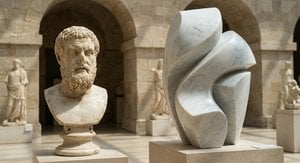
The Enduring Allure of Marble in Art History: From Classical Sculpture to Modern Abstraction
Explore the captivating history of marble sculpture from ancient Greece to modern art. Discover renowned artists like Canova & Michelangelo, carving techniques, and investment insights at ArtsDot.

The Enduring Form: Exploring Themes & Techniques in Sculpture Across Historical Periods
Explore the rich history of sculpture from ancient masterpieces to contemporary innovations. Discover key techniques, influential artists & investment potential for discerning art collectors.
