


 წინასწარი ნახვა
 გაგზავნა
 გაზიარება
 დეტალები
 გზამკვლევი

 ჩამოტვირთვა
 მსგავსები
 რენტგენოგრაფიული კვლევა
 სლაიდშოუ
 სტატისტიკა
აგნეს მიიაკავა


 გადასართად დაწვრილებით ნახეთ
ხელით ნაკვეთი ზეთის ტილოს რეპროდუქცია
ტილოზე შესრულებული ფერწერიანი ზეთប្រდათი, თქვენთვის სასურველი ზომისა და ჩარჩოსთვის, ჩვენი ხელოვანების მიერ შეკვეთის საფუძველზე დამზადებული. ( გადართვა ბეჭდზე გადასვლა ციფრულ გამოსახულებაზე)




P118B $10

P118H $10

P118W $10

P438Z $10

P508JH $12

P508YH $12

P805H $10

P805Z $10

P919BZ $10

P919G $10

P919XJ $10

P959ZH $10

P968JZ $12

W106C $8

W218G $10

W218JH $8

W218Y $10

W307PJ $10

W316G $10

W316PJ $8

W316Y $10

W398PJ $8

W4111J $10

W500HY $15

W500JH $15

W692G $12

W849H $8

W940BG $15

W953PJ $8




აირჩიეთ ჩვენს მიერ წინასწარ განსაზღვრული ზომებიდან, რომლებიც ნაწარმოების ორიგინალურ პროპორციებს შეესაბამება.

თქვენ შეგიძლიათ მიუთითოთ თქვენთვის სასურველი ზომები კონკრეტული ჩარჩოს ან სივრცის შესაბამისად. თუ თქვენ მიერ არჩეული ზომა არ შეესაბამება ორიგინალი გამოსახულების პროპორციებს, ჩვენ ან შევაჭრებთ ნაწარმოებს, ან ტილოზე დავამატებთ ხელით მოხატულ ელემენტებს. წარმოების დაწყებამდე, დამტკიცებისთვის გამოგეგზავნებათ ციფრული მაკეტი.
გთხოვთ, გაითვალისწინოთ, რომ ეკრანზე ნაჩვენები წინასწარი შეხედულება არ ასახავს რეალურ შეჭრას ან გაფართოებას. საბოლოო კომპოზიციას ზუსტად მხოლოდ მაკეტი წარმოაჩენს.
მიუხედავად იმისა, რომ შესაძლებელია ინდივიდუალური ზომების შერჩევა, ორიგინალური პროპორციების შენარჩუნებისათვის გირჩევთ, გამოიყენოთ წინასწარ განსაზღვრული სიის ზომები.
შეკვეთის შემდეგ, ArtsDot.com გუნდი დაგიკავშირდებათ ელექტრონული ფოსტით ინსტრუქციებისთვის და გამოგიგზავნით წინასწარ ნახაზს (mockup).
მიწოდება მსოფლიო მასშტაბით -ში 3/4 კვირაში, სტანდარტული 5 კვირის ნაცვლად. (22 სექტემბერი). ხარისხზე კომპრომისის გაკეთება არ მოხდება.

უფასო ექსპრეს მიწოდება მთელ მსოფლიოში

საბამად მაღალი ხარისხის ტილო

სრული ტრანსპორტირების დაზღვევა

საბაჟო გადასახადების დაბრუნების გარანტია

ფერების სრული შესაბამისობის გარანტია

დაბრუნების 100-დღიანი პოლიტიკა (მხოლოდ დეფექტის შემთხვევაში)

100% თანხის დაბრუნების გარანტია

ფასდაკლება დიდი რაოდენობით შეკვეთისას
 მინის ჩარჩოს არჩევანი ხელმისაწვდომია მხოლოდ 110 სმ-ზე ნაკლები ზომისთვის

აგნეს მიიაკავა
რეკლამაციის ტექნიკა
რეკლამაციის ზომა
-


საბოლოო ფასი
$ 263
Agnes Miyakawa – Alban Maria Johannes Berg: A Portrait of Elegance Amidst Innovation
Sacramento Japantown native Agnes Miyakawa (1911-1995) represents more than just an individual likeness; she embodies a pivotal moment in artistic expression—the intersection of classical tradition and groundbreaking experimentalism. This striking black and white portrait photograph, executed around 1931 by Alban Maria Johannes Berg, captures her serene gaze and refined posture against a subtly blurred backdrop, reflecting the stylistic sensibilities of the Second Viennese School. The image isn’t merely aesthetically pleasing; it's imbued with layers of meaning that speak to Berg’s profound understanding of both artistic heritage and revolutionary musical thought.- Composition & Technique: Berg skillfully employs a centered compositional arrangement, placing Miyakawa squarely in the frame’s middle—a deliberate choice mirroring the formal conventions prevalent in portrait photography of the era. The soft lines dominating her face and hair underscore the artist's meticulous attention to detail, while the fan introduces graceful curves that contrast with the structured folds of her kimono. Berg utilized traditional darkroom processes for developing and printing the photograph, ensuring a faithful reproduction of the original tonal range—from deep blacks highlighting shadows to bright whites illuminating Miyakawa’s complexion.
- Color Palette & Lighting: The grayscale palette eschews vibrant hues, prioritizing subtlety and nuance. Berg masterfully manipulates light—soft and diffused—to sculpt Miyakawa's features without creating harsh contrasts. This technique evokes a sense of quiet dignity and invites contemplation, mirroring the emotional depth characteristic of Berg’s musical compositions.
- Symbolism & Context: Miyakawa’s pose exudes confidence and poise, reflecting Berg’s admiration for classical ideals while simultaneously acknowledging the influence of Schoenberg's revolutionary twelve-tone technique. The photograph serves as a visual anchor to Berg’s broader artistic vision—a fusion of Romantic lyricism with modernist innovation. It speaks to the enduring power of portraiture to capture not only physical appearance but also inner character.
- Historical Significance: Created during Berg's formative years, coinciding with his mentorship under Schoenberg and the burgeoning influence of twelve-tone music, this image encapsulates the artistic ferment of Vienna in the early 20th century. It exemplifies Berg’s commitment to exploring new musical languages while honoring the traditions of his predecessors—a duality that defines his oeuvre.
- ArtsDot Article: Alban Berg - ArtsDot – Delve deeper into Berg’s musical achievements and artistic philosophy.
- Artist Database: Alban Berg - Wikipedia – Discover biographical details about Berg's life, influences, and groundbreaking compositions.
- Reproductions Available: Explore high-quality reproductions of Agnes Miyakawa—a captivating piece embodying Berg’s artistic vision. Order a print of Agnes Miyakawa - Alban Maria Johannes Berg
დაკავშირებული ნამუშევრები


მხატვრის ბიოგრაფია
A Life Immersed in Sound and Emotion
Alban Maria Johannes Berg, born February 9, 1885, in Vienna, Austria, was a composer whose relatively brief life yielded a body of work that profoundly reshaped the landscape of 20th-century music. Though initially drawn to literature, a path he seriously considered pursuing, Berg’s destiny lay within the realm of sound. His father, Konrad Berg, managed a successful export business, providing a comfortable upbringing that allowed for early musical exploration – though largely self-directed at first. He began composing at fifteen, receiving piano lessons from his sister's governess, but it was a pivotal encounter in 1904 with Arnold Schoenberg that irrevocably altered the course of his artistic development. This mentorship wasn’t merely instructional; it was an immersion into a new musical language, one built on principles of developing variation and, later, the revolutionary twelve-tone technique. A complex personal life unfolded alongside his burgeoning career, including the birth of a daughter, Albine, in 1902 to Marie Scheuchl, a family maid – a circumstance that speaks to the societal complexities of the time. In 1911 he married Helene Nahowski, a union that brought both joy and social challenges.Forging a Unique Musical Voice
Berg’s genius wasn't in simply adopting Schoenberg’s innovations but in *transforming* them. He didn’t merely apply the twelve-tone technique as an intellectual exercise; he infused it with a deeply Romantic sensibility, a lyrical expressiveness that distinguished his work from that of his mentor and fellow Second Viennese School member, Anton Webern. His early compositions – five drafts for piano sonatas and a collection of songs including the evocative *Seven Early Songs* (first publicly performed in 1907) – already hinted at this unique blend. The Piano Sonata, Op. 1, completed around 1908-1909, stands as a remarkably mature debut, demonstrating an astonishing mastery of musical structure and foreshadowing the emotional depth that would characterize his later works. Berg wasn’t isolated in his artistic pursuits; he thrived within Vienna's vibrant cultural circle, associating with figures like Alexander von Zemlinsky, the iconic Gustav Klimt, and the incisive writer Karl Kraus. These interactions undoubtedly enriched his perspective and fueled his creative fire. He absorbed influences from Mahler and Wagner, retaining a connection to the Romantic tradition even as he ventured into atonality.Landmark Operas and Chamber Masterpieces
Berg’s most enduring legacy lies in his operas and chamber works. *Wozzeck* (1924), a landmark achievement of 20th-century opera, is a harrowing portrayal of a soldier exploited and driven to despair. Its fragmented scenes, dissonant harmonies, and intensely psychological characterizations broke with operatic conventions and established Berg as a major force in the genre. The *Lyric Suite* (1926), a chamber work for string sextet, showcases his ability to distill profound emotions into concise forms, revealing layers of meaning through subtle motivic development. The Violin Concerto (1935), dedicated to Louis Krasner, is a fascinating synthesis of twelve-tone technique and tonal references, incorporating elements of Bach chorales and Carinthian folk songs – a testament to Berg’s ability to bridge seemingly disparate musical worlds. Perhaps his most ambitious undertaking was *Lulu*, an opera exploring themes of sexuality, power, and societal corruption. Tragically unfinished at his death in 1935, it was later completed by Friedrich Cerha, allowing audiences to experience the full scope of Berg’s vision. The Chamber Concerto (1925) further exemplifies his skill in weaving diverse musical elements into a cohesive and emotionally resonant whole.A Lasting Impact on Modern Music
Alban Berg's untimely death on December 24, 1935, from sepsis following an insect bite robbed the world of a composer at the height of his powers. Yet, despite his relatively short life, he left behind a musical legacy that continues to resonate today. He profoundly influenced the development of modern music, demonstrating the expressive potential of atonality and twelve-tone techniques while simultaneously retaining a commitment to emotional depth and humanism. As a key member of the Second Viennese School, alongside Schoenberg and Webern, Berg contributed to a revolutionary shift in musical aesthetics. His operas, particularly *Wozzeck* and *Lulu*, remain staples of the operatic repertoire, frequently performed worldwide and captivating audiences with their dramatic intensity and psychological insight. His works are not merely studied by musicologists; they continue to inspire composers seeking new ways to express complex emotions through innovative musical structures. Theodor W. Adorno’s observation – that Berg believed “everything was supposed to develop out of something else and yet be intrinsically different” – encapsulates the essence of his compositional philosophy, a principle that continues to guide musicians today. Berg's music stands as a powerful testament to the enduring power of artistic expression in a rapidly changing world.
Alban Maria Johannes Berg
1885 - 1935 , Austria
მოკლე ინფორმაცია
- Artistic Movement Or Style: Expressionism, Atonal music
- Artists Or Movements Influenced By This Artist:
- Modern music
- Second Viennese School
- Artists Who Influenced This Artist:
- Arnold Schoenberg
- Mahler
- Wagner
- Date Of Birth: February 9, 1885
- Date Of Death: December 24, 1935
- Full Name: Alban Maria Johannes Berg
- Nationality: Austrian
- Notable Artworks:
- Wozzeck
- Lulu
- Lyric Suite
- Violin Concerto
- Place Of Birth: Vienna, Austria
დაკავშირებული სტატიები

Beyond the Lens: Photography's Enduring Influence on Modern & Contemporary Art
Explore photography's pivotal role in shaping modern & contemporary art. Discover key movements, influential artists like Stieglitz, and expert collecting advice from ArtsDot.

White on Canvas: 10 Masterpieces & Timeless Elegance for Your Home Decor
Explore 10 iconic white paintings by Monet, Whistler & Rothko! Discover the stories behind these serene masterpieces and their impact on art history. Find museum-quality reproductions for your home decor at .

Monochrome Visions: Exploring the Aesthetic & Historical Significance of Black & White Photography
Explore the rich history & artistic power of black and white photography. From early techniques to iconic masters like Ansel Adams, discover why monochrome continues to captivate art lovers today. Expert insights for collectors.
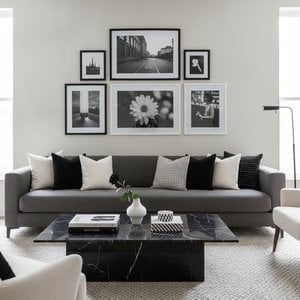
Timeless & Chic: Elevating Your New Home with the Sophistication of Black and White Photography
Transform your new home with the timeless allure of black and white photography. ArtsDot.com specializes in elegant monochrome decor and custom hand-painted wedding portraits that turn cherished milestones into lasting, soulful masterpieces. Elevate your space with ease.

Dark Masterpieces: 10 Iconic Paintings Dominated by Black Tones |
Explore 10 iconic paintings dominated by black tones, from Rembrandt’s chiaroscuro to Goya's dark expressions. Discover the stories behind these masterpieces & find museum-quality art reproductions for your home at .
