 წინასწარი ნახვა
 გაგზავნა
 გაზიარება
 დეტალები

 ჩამოტვირთვა
 მსგავსები
 რენტგენოგრაფიული კვლევა
 სლაიდშოუ
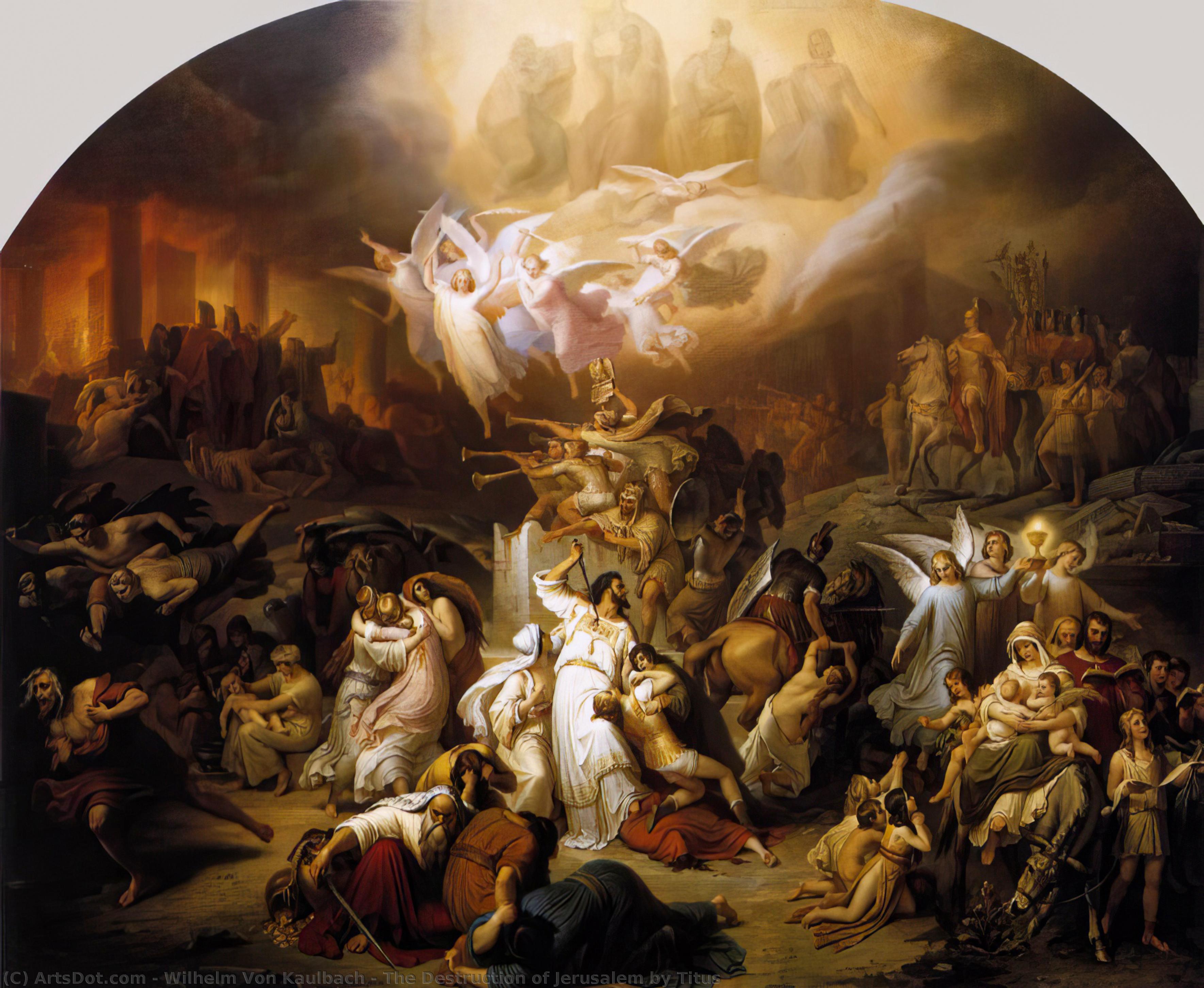
ისრაელის განადგურება ტიტাসের მიერ
 ზეთი ტილოზე
- კედლის დეკორი
- Romanticism
 1846
1846- მე-19 საუკუნე
 585.0 x 705.0 cm
 Νέα Πινακοθήκη
 გადასართად დაწვრილებით ნახეთ
ხელით ნაკვეთი ზეთის ტილოს რეპროდუქცია
ტილოზე შესრულებული ფერწერიანი ზეთប្រდათი, თქვენთვის სასურველი ზომისა და ჩარჩოსთვის, ჩვენი ხელოვანების მიერ შეკვეთის საფუძველზე დამზადებული. ( შეიძინეთ პრინტი შეიძინეთ გამოსახულება)




P118B $10

P118H $10

P118W $10

P438Z $10

P508JH $12

P508YH $12

P805H $10

P805Z $10

P919BZ $10

P919G $10

P919XJ $10

P959ZH $10

P968JZ $12

W106C $8

W218G $10

W218JH $8

W218Y $10

W307PJ $10

W316G $10

W316PJ $8

W316Y $10

W398PJ $8

W4111J $10

W500HY $15

W500JH $15

W692G $12

W849H $8

W940BG $15

W953PJ $8




აირჩიეთ ჩვენს მიერ წინასწარ განსაზღვრული ზომებიდან, რომლებიც ნაწარმოების ორიგინალურ პროპორციებს შეესაბამება.

თქვენ შეგიძლიათ მიუთითოთ თქვენთვის სასურველი ზომები კონკრეტული ჩარჩოს ან სივრცის შესაბამისად. თუ თქვენ მიერ არჩეული ზომა არ შეესაბამება ორიგინალი გამოსახულების პროპორციებს, ჩვენ ან შევაჭრებთ ნაწარმოებს, ან ტილოზე დავამატებთ ხელით მოხატულ ელემენტებს. წარმოების დაწყებამდე, დამტკიცებისთვის გამოგეგზავნებათ ციფრული მაკეტი.
გთხოვთ, გაითვალისწინოთ, რომ ეკრანზე ნაჩვენები წინასწარი შეხედულება არ ასახავს რეალურ შეჭრას ან გაფართოებას. საბოლოო კომპოზიციას ზუსტად მხოლოდ მაკეტი წარმოაჩენს.
მიუხედავად იმისა, რომ შესაძლებელია ინდივიდუალური ზომების შერჩევა, ორიგინალური პროპორციების შენარჩუნებისათვის გირჩევთ, გამოიყენოთ წინასწარ განსაზღვრული სიის ზომები.
შეკვეთის შემდეგ, ArtsDot.com გუნდი დაგიკავშირდებათ ელექტრონული ფოსტით ინსტრუქციებისთვის და გამოგიგზავნით წინასწარ ნახაზს (mockup).
მიწოდება მსოფლიო მასშტაბით -ში 3/4 კვირაში, სტანდარტული 5 კვირის ნაცვლად. (12 აგვისტო). ხარისხზე კომპრომისის გაკეთება არ მოხდება.

უფასო ექსპრეს მიწოდება მთელ მსოფლიოში

საბამად მაღალი ხარისხის ტილო

სრული ტრანსპორტირების დაზღვევა

საბაჟო გადასახადების დაბრუნების გარანტია

ფერების სრული შესაბამისობის გარანტია

60-დღიანი დაბრუნების პოლიტიკა (მხოლოდ დეფექტის შემთხვევაში)

100% თანხის დაბრუნების გარანტია

ფასდაკლება დიდი რაოდენობით შეკვეთისას
 მინის ჩარჩოს არჩევანი ხელმისაწვდომია მხოლოდ 110 სმ-ზე ნაკლები ზომისთვის

ისრაელის განადგურება ტიტাসের მიერ
რეკლამაციის ტექნიკა
რეკლამაციის ზომა
-


საბოლოო ფასი
$ 438
ნაწარმოების აღწერა
ვილისიმ ვონ კაულბახის "იერუსალიმის განადგურება" – ისტორიული და მხატვრული ძალა
ვილისიმ ვონ კაულბახის "იერუსალიმის განადგურება" (The Destruction of Jerusalem) არის არა მხოლოდ ტილო, არამედ ისტორიის, რელიგიისა და ადამიანური cảm xúcების მძლავრი შეხ permation. 1846 წელს შექმნილი ეს ნაწარმობა, რომელიც იერუსალიმის მეორე ტაძრის განადგურებას ასახავს, წარმოადგენს გერმანული მხატვობის đỉnhสุด ხერხნს და გამოხდა კაულბახის უდიდესი ნამუშევრებიდან. ტილო მოქმედებს როგორც ისტორიული დოკუმენტი, ასევე მèdentალური გამოთქმა ადამიანური ბედისწერისა და ღმერთის სასამართლოს შესახებ.
- ისტორიული კონტექსტი: "იერუსალიმის განადგურება" ითვლება ტიტাসের მიერ მეორე ტაძრის განადგურების შედეგად მომხ borned სტრა და ის არის მნიშვნელოვანი მოვლენა იუდეველ-რომაულ chiến tranhში. კაულბახი არა მხოლოდ გადასაღებულია ისტორიული ფაქტის, არამედ შეიმჩნევა ადამიანის ბედისწერას, რომელიც მართლდარღვევასთან დაკავშირებული იყო.
- მხატვარი: ვილისიმ ვონ კაულბახი (1805-1874) იყო გერმანული მხატვობის უდიდესი წარმომადგენელი, რომელიც ცნობილია თავისი მართლდარღვევებით და მისი ნამუშევრები ხშირად ასახავდნენ ისტორიულ მოვლენებს.
- სტილი და ტექნიკა: ტილო არის "რომანტიკული" სტილის ნიმუში, რომელიც გამოირჩევა მძლავრი cảm xúcებით, დრამატული განათებით და დიდი მასშტბルの კომპოზიციით. კაულბახი გამოიყენა ზეთით ფერებზე, რაც უზრუნველყოფდა მდიდარი ფერების დაფარვისას, ნათურებსა და ჩრდილებს, რაც ხაზს უსვამდა მოქმედების ძალას.
მხატვრობის სიმ볼ლური მნიშვნელობა
"იერუსალიმის განადგურება" არის მდიდარი სიმ볼ლებით სავსე ნაწარმოები, რომელიც ასახავს რელიგიურ და ფილოსოფიურ კონცეფციებს. ტილოში შეტანილი ანგელოზები, რომლებიც მიბრმავებენ სასაალმადლობლად, სიმპათიას უხდიდებენ ადამიანების ტანჯულ მდგომარეობას, ხოლო ცეცხლის და ნანგრევები – განადგურებისა და სასამართლოს სიმპტომს. კაულბახი შეიმჩნევა ადამიანის ბედისწერას, რომელიც მართლდარღვევასთან დაკავშირებული იყო.
- დიდი განათება: მთიანი განათების გამოყენება, განსაკუთრებით ანგელოზების მიერ, სიმპათიის და სასაალმადლობლად ხაზს უსვამს.
- ხმოვანი ფერები: ნარცისის, წითლის და ოქროს ტონები, რომლებიც გამოიყენება, ხაზს უსვამს სიძნელასა და სასამართლოს.
감 xúcების მოქმედი ძალა და ხელოვნება
კაულბახის ნაწარმოებობა არის არა მხოლოდ ისტორიული დოკუმენტი, არამედ მძლავრი cảm xúcების გამოთქმა. ტილო იწვევს შეხ permationს ადამიანის ბედისწერას, ტანჯულ მდგომარეობას, სასამართლოს და ღმერთის სასამართლოს შესახებ. ნათურები და ჩრდილები ხაზს უსვამენ მოქმედების ძალას, რაც იძლევა მèdentალური გამოთქმა ადამიანური ბედისწერისა და ღმერთის სასამართლოს შესახებ.
უნიკალური ნაწარმოები კოლექციონერებისთვის და ინტერიერის დიზაინერებისთვის
"იერუსალიმის განადგურება" არის არა მხოლოდ ტილო, არამედ ისტორიის, რელიგიისა და ადამიანური cảm xúcების მძლავრი შეხ permation. ნაწარმოებობა, რომელიც მოიცავს 585 x 705 სმ-ს, არის ხელოვნება და ისტორიის ძალა. ტილო შესანიშნავია დიდი, ელეგანტური ინტერიერებისთვის, ხოლო მისი სიმძლავრე და cảm xúcების გამოთქმა იწვევს კოლექციონერებს, რომლებიც ეძებენ მნიშვნელოვანი, მაღალი ხარისხის ნაწარმოებებს. ვილისიმ ვონ კაულბახის "იერუსალიმის განადგურება" არის ისტორიული მნიშვნელობით და ხელოვნების ბრწყინვალებით მდიდარი ნამუშევარი, რომელიც შეძლებს იზრცნოს bất kỳ გარემოსდაც.
დაკავშირებული ნამუშევრები


მხატვრის ბიოგრაფია
The Architect of German Grandeur: The Life of Wilhelm von Kaulbach
In the sweeping landscape of nineteenth-century German art, few figures loom as large or as dramatically as Wilhelm von Kaulbach. Born in 1805 in the quiet town of Bad Arolsen, Kaulbach’s early years were far from the gilded halls of academia; instead, they were defined by a profound struggle against poverty and the harsh realities of rural life. This early exposure to hardship did not stifle his ambition but rather forged a resilient spirit that would later allow him to tackle the most monumental canvases of his era. His journey into the heart of the art world began with a transformative opportunity at the Düsseldorf Academy of Fine Arts, where the mentorship of luminaries like Peter von Cornelius would fundamentally reshape his artistic trajectory.
Kaulbach’s development was inextricably linked to the rise of the Düsseldorf School, a movement characterized by its pursuit of classical ideals blended with a distinctly German emotional depth. Under the guidance of Cornelius, Kaulbach learned to navigate the complex intersection of historical narrative and allegorical symbolism. His time at the academy was marked by intense dedication, often persevering through periods of hunger and deprivation to master the intricate techniques required for large-scale compositions. This period of rigorous training prepared him for his most significant professional undertaking: the creation of massive frescoes that would breathe life into the walls of Munich’s Glyptothek. Working alongside fellow artists like Schweitzer, Kaulbach participated in a painstaking process of translating detailed cartoons into vibrant, permanent displays of color and history.
Mastery of Narrative and Symbolism
The true essence of Kaulbach’s genius lies in his ability to weave complex historical and biblical narratives into visually arresting compositions. He possessed a rare talent for capturing the chaotic energy of human conflict while maintaining a sense of divine order or tragic inevitability. His works often serve as windows into the soul of Romanticism, where the line between the earthly and the eternal becomes blurred. To understand his impact, one must look at the thematic breadth of his repertoire:
- Biblical Catastrophe: In masterpieces such as The Destruction of Jerusalem by Titus, Kaulbach utilizes dramatic lighting and sweeping movement to evoke a sense of profound emotional impact and historical weight.
- Historical Allegory: His engravings and paintings, including works like Die Hunnenschlacht Raab, showcase his ability to depict moments of intense struggle, utilizing detailed linework to convey the chaos of battle and the presence of divine intervention.
- Satire and Illustration: Beyond the monumental, Kaulbach was a skilled book illustrator, capable of shifting from the epic scale of mural painting to the sharp, biting wit found in satirical works like Narrenhaus.
His technical prowess was not limited to a single medium; whether working in the delicate precision of an engraving or the expansive reach of a fresco, Kaulbach maintained a signature style characterized by rich symbolism and a profound sense of drama. His ability to utilize Baroque-inspired elements—such as the dramatic shadows seen in his depictions of the Fall of Babylon—allowed him to create works that felt both ancient and urgently contemporary to his nineteenth-century audience.
A Lasting Legacy in German Art
The historical significance of Wilhelm von Kaulbach extends far beyond the physical boundaries of the murals he painted. He was a pivotal figure who helped revitalize German art, moving it away from mere imitation of foreign styles toward a robust, self-assured aesthetic that celebrated national history and classical myth. By bridging the gap between the academic rigor of the Düsseldorf School and the emotive power of Romanticism, he provided a visual language for a generation seeking identity in a changing Europe.
Though the era of monumental mural painting eventually gave way to new artistic movements, Kaulbach’s influence remains etched in the annals of art history. He transformed the walls of museums and the pages of books into stages for the grandest human dramas, ensuring that his vision of history, faith, and struggle would endure. Today, he is remembered not just as a painter, but as a titan of his age—a man who took the hardships of his youth and transmuted them into a legacy of unparalleled artistic grandeur.

Wilhelm von Kaulbach
1805 - 1874 , Germany
მოკლე ინფორმაცია
- Artistic Movement Or Style: Düsseldorfs Schule
- Artists Or Movements Influenced By This Artist: ['Middle Ages']
- Artists Who Influenced This Artist: ['Peter von Cornelius']
- Date Of Birth: 1805
- Full Name: Wilhelm von Kaulbach
- Nationality: German
- Notable Artworks:
- Die Zerstorung Jerusalems
- Homer Und Die Griechen
- Die Reformation
- Place Of Birth: Bad Arolsen, Germany
დაკავშირებული სტატიები

Romantic Realism's Finest: 10 Masterpieces for Your Home | ArtsDot
Explore 10 defining masterpieces of Romantic Realism! Discover Courbet, Millet & Daumier's powerful paintings—capturing emotion and social realities. Find museum-quality reproductions for your home at ArtsDot.com.

როμανტიზმის ეპოქის ტენდერება: საუკეთესო 10 შედევრი, რომელმაც განსაზღვრა ლანშაფტური მხატვრობა
აღმოფრთოვანდით რომანტიზმის ეპოქის 10 საუკეთესო ლანშაფტური შედევრით! ტერნერი, კორტო და სხვა მხატვრების ნაწარმოებები. იხილეთ მათი ისტორია და აღმოგეყვინებათ ხელოვნების márgali. შეიძინეთ მაღალი ხარისბის რესტავრაციული ასლები ArtsDot.com-ზე!

Romantic Masterpieces: 10 Artworks for a Timeless Home Decor Aesthetic
Fall in love with art! Explore 10 iconic romantic paintings – from Monet & Bouguereau to Fragonard. Discover the stories behind these masterpieces and find museum-quality reproductions for your home decor at .

Illuminating Faith: Biblical Narrative & Artistic Expression Through the Ages
Explore the rich history of biblical art from Giotto to the Renaissance masters with ArtsDot. Discover symbolism, techniques & enduring legacies. Museum-quality reproductions & expert insights.

Romantic Masterpieces: 10 Artworks to Stir Your Soul |
Fall in love with art! Explore 10 iconic romantic paintings – from Renaissance classics to Impressionist masterpieces. Discover the stories behind artists like Monet & Klimt, and find museum-quality reproductions for your home at .