


სურათი შეესაბამება თქვენს არჩევანს: , .
კოლექციონირებადი ნივთის აღწერა
A Life Shrouded in Shadow: The World of Edvard MunchEdvard Munch, born in 1863 amidst the stark landscapes of Norway, was an artist whose work became synonymous with the anxieties and emotional turmoil of the modern age. His life, deeply marked by loss and a pervasive sense of melancholy, served as the wellspring for his profoundly expressive art.
 გააგრძელეთ კითხვა
მხატვრის ბიოგრაფია
Expressionist pioneer Edvard Munch created the iconic The Scream. Discover his haunting masterpieces of anxiety and emotion today.
შეუკვეთეთ თქვენი ოთხ მარტივ ნაბიჯში
არ იჩქაროთ. ნებისმიერი არჩევანის შეცვლა შეგიძლიათ; თქვენს შეკვეთაში თითოეულ ვარიანტს თავისი ფასი აქვს.
1 პირველი ნაბიჯი ოთხიდან
რომელი ზომა გსურთ?
ეს ზომები ინარჩუნებს ორიგინალი ნახატის პროპორციებს. ილუსტრაციაზე ნაჩვენებია თქვენი არჩეული ზომა კედელზე, ორმეტრიანი სავარძლის ზემოთ.
ან მიუთითეთ თქვენი საკუთარი ზომები
აირჩიეთ ჩვენს მიერ წინასწარ განსაზღვრული ზომებიდან, რომლებიც ნაწარმოების ორიგინალურ პროპორციებს შეესაბამება.

შეიყვანეთ თქვენთვის საჭირო სიგანე და სიმაღლე, რათა ნახატი მოერგოს თქვენს ჩარჩოს ან კედელს. ვინაიდან ეს ნამუშევარი ხელით არის შესრულებული, სხვა ფორმის ზომის შემთხვევაში, მხატვარმა შესაძლოა სურათის გარშემო ოდნავ მეტი დატოვოს ან შეამციროს — არჩევანი თქვენზეა. დაწყებამდე, დასამტკიცებლად, ჩვენ გამოგიგზავნით ციფრულ მაკეტს. ამ გვერდზე ნაჩვენები სურათი არ ასახავს რეალურ შედეგს — რეალური სახე მხოლოდ მაკეტზე ჩანს.
2 მეორე ნაბიჯი ოთხიდან
როგორ უნდა იყოს მომზადებული: დახვეული, დაჭიმული თუ ჩარჩოში ჩასმული?
ქვემოთ მოცემული ფასები თქვენ მიერ პირველ საფეხურზე არჩეული ზომისთვისაა.
შეარჩიეთ დაჭიმული ტილოს კიდეები
შეარჩიეთ ჩარჩო

თეთრი კიდეები ₾1

ბუნდოვანი კიდეები ₾1

გაფართოებული კიდეები ₾1

P118B ₾10

P118H ₾10

P118W ₾10

P438Z ₾10

P508JH ₾12

P508YH ₾12

P805H ₾10

P805Z ₾10

P919BZ ₾10

P919G ₾10

P919XJ ₾10

P959ZH ₾10

P968JZ ₾12

W106C ₾8

W218G ₾10

W218JH ₾8

W218Y ₾10

W307PJ ₾10

W316G ₾10

W316PJ ₾8

W316Y ₾10

W398PJ ₾8

W4111J ₾10

W500HY ₾15

W500JH ₾15

W692G ₾12

W849H ₾8

W940BG ₾15

W953PJ ₾8

H24-GOLD ₾30

H24-SILVER ₾30

H36-GOLD ₾45

H36-SILVER ₾45
ჩარჩოჩენილი
ბაკეტის დეკორი: . ზომა ჩარჩოსთან ერთად: .
3 ნაბიჯი სამი ოთხიდან
გსურთ ნახატში რაიმე ცვლილების შეტანა?
ადამიანთა უმეტესობა უარს პასუხობს. ვინაიდან თითოეული ნახატი ხელით იქმნება, ჩვენს მხატვარს მისი თქვენთვის ადაპტირებაც შეუძლია.
შეკვეთის შემდეგ, ArtsDot.com გუნდი გამოგსტავთ ელექტრონულ წერილს ინსტრუქციებისთვის და მოგაწვდით წინასწარ ნახატის (mockup) პრევიუსს
4 ბოლო ნაბიჯი ოთხიდან ოთხი
დასრულების რამდენიმე ვარიანტი
ყველაფერი არჩევითია. უკვე შერჩეულ პასუხებს დამატებითი საფასური არ მოსთხოვს.
ვინ არის ავტორი?
მიწოდება მსოფლიო მასშტაბით -ში 3/4 კვირაში, სტანდარტული 5 კვირის ნაცვლად. (20 ნოემბერი). ხარისხზე კომპრომისის გაკეთება არ მოხდება.
სარდაფი, როგორც მუზეუმში?
ბრინჯაოს ამოკვეთილი ფირფიტის დეტალები
This elegant plaque features the artist's name and the title of the artwork, finely engraved for a timeless presentation.
It is made from bronze with a refined, elegant finish. The text is precisely laser-engraved for a sharp and permanent result. Measuring 9x2 cm, the plaque is compact yet easy to read. It's built to be durable and scratch-resistant, offering a professional, museum-quality look. Mounting is simple thanks to the included adhesive backing.
აკრილის გამჭვირვალე ფირფიტის დეტალები
The plaque includes essential engraved details such as the artist's name, the title of the artwork, the date it was created, the type of media used-like oil on canvas or watercolor-a brief description of the piece, and a QR code that links to the complete artwork information.
It is crafted from clear acrylic, offering a sleek, modern appearance. The text is UV-engraved in black to ensure strong visual contrast. With a size of 10x15 cm, it ensures optimal readability. It comes equipped with two metal hooks for secure wall mounting. The plaque is designed to be weather-resistant, making it suitable for various environments, and it includes interactive features that work seamlessly with smartphone scanning.
შავი აკრილის ფირფიტის დეტალები
This elegant plaque includes engraved information such as the artist's name, the title of the artwork, the date it was created, the type of media used (like oil on canvas or watercolor), a short description of the artwork, and a QR code for quick access to more information.
The plaque itself is made from refined black acrylic with a premium finish. The text is laser-engraved in white for high contrast and readability. Its size is 10x15 cm, designed to be easy to read. It comes with two metal hooks for professional mounting. The design is sleek and fits any interior style. It is also weather-resistant and durable, with built-in digital integration for mobile compatibility.
დამცავი ლაქის შერჩევა?
რა თარიღში გესაჭიროებათ?
✓ გადახედვა და შეკვეთა
თქვენი ნახატი ზუსტად ისეთი, როგორ შეუკვეთეთ

red creeper
რეპროდუქციის მასალა
რეპროდუქციის ზომა
-

ელიტური უფროსი ხელოვანი
უფრო მეტი დეტალიზაცია, დახვეწილობა და დამატებითი დამუშავების დრო
-

რეკლამაციის ჩარჩო
-
-
ნებისმიერი მხარისთვის 105 სმ-ზე (დაახლოებით 41 ინჩი) მეტი ზომის ხელოვნებული ნამუშევრების ან რეპროდუქციებისთვის, ჩარჩო მოგზავნდება დაშლილ კომპლექტში. ეს მეთოდი უზრუნველყოფს უსაფრთხო მიწოდებას და თავიდან აგაცილებთ ტრანსპორტირებისას შესაძლო დაზიანებას.
საჭიროა პროფესიონალური აწყობა — ეს არ არის თვითმომსახურების (DIY) პროდუქტი.
კომპლექტის აწყობა და ტილოს დაჭიმვა უნდა განახორციელოს გამოცდილმა პროფესიონალმა ჩარჩოს დამამზადებელმა, ხის წებოს (არ შედის კომპლექტში), ტილოს დაჭიმვის ბერჭებისა და საკრამების გამოყენებით, რათა წებოს გასაშრობად ღერძები სწორად და სტაბილურად დაფიქსირდეს. არასწორი აწყობა ან ტილოს არათანაბარი დაჭიმვა შეიძლება გამოიწვიოს ნამუშევრის სამუდამო დაზიანება, რაც არ იფარება ჩვენი გარანტიით.
 ნებისმიერი მხარისთვის 105 სმ-ზე (დაახლოებით 41 ინჩი) მეტი ზომის ხელოვნებული ნამუშევრების ან რეპროდუქციებისთვის, ჩარჩო მოგზავნდება დაშლილ კომპლექტში. ეს მეთოდი უზრუნველყოფს უსაფრთხო მიწოდებას და თავიდან აგაცილებთ ტრანსპორტირებისას შესაძლო დაზიანებას.
კომპლექტში შედის მყარი ხის ყველა ღერძი, ზუსტად გაზომილი და საჭირო ზომაზე დაჭრილი.
აწყობისთვის გამოიყენება კომპლექტში არსებული ხრახნები; ასევე დაგჭირდებათ ხის წებო კუთხეების დასაკავშირებლად, რომელიც კომპლექტში არ შედის და მისი შეძენა ჩარჩოს დამამზადებელს დამოუკიდებლად მოუწევს.
საჭიროა პროფესიონალური ხელსაწყოები, რომლებიც არ შედის კომპლექტში: ტილოს დაჭიმვის ბრჭყალი (დამჭერი) და სამჭედლები, რათა წებოს გასაშრობ პროცესში რამკოს კუთხეები სწორად ფიქსირდეს.
მნიშვნელოვანია:
კუთხეების დასაკავშირებლად საჭიროა ხის წებო; სანამ წებო სრულად გაშრება, ღერძები დაფიქსირებული უნდა იყოს საკავშირეებით, ხოლო აწყობილ ჩარჩოზე ტილოს დასჭიმად საჭიროა ტილოს დასჭიმელი ბრჭჭვალი. არცერთი ეს ნივთი არ შედის კომპლექტში. გთხოვთ, ამ ზომის შეკვეთამდე წინასწარ დაგეგმოთ გამოცდილი პროფესიონალი ჩარჩოს დამზადებელი.

სახელოვანი ფირფიტა
-
-

დამცავი ლაქი
ბზინვარე ლაქი (აფერსკვიატებს ფერებს და იცავს სინათლისა და ტენისგან)
-

ნამუშევრის პერსონალიზაცია
რა შეიძლება შეიცვალოს (მაგალითები): სახის შეცვლა მომხმარებლის ფოტოთი; შინაური ცხოველის დამატება (მაგალითად, კატის დგებით შეცვლა); ფონზე ფარული შეტყობინების დამატება; ფონის ლანდშაფტის ან ელემენტების შეცვლა.
-

სასწრაფო
მიწოდება მსოფლიო მასშტაბით () 3-4 კვირაში, სტანდარტული 5 კვირის ნაცვლად. (20 ნოემბერი). ხარისხზე კომპრომისის გაკეთება არ მოხდება.
-
სწრაფი მიწოდება
მიწოდება მსოფლიოს მასშტაბით () 5 კვირაში. (27 ნოემბერი).
მოყვება
საბოლოო ღირებულება
₾ 683
მინის ჩარჩოს არჩევანი შესაძლებელია მხოლოდ 110 სმ-მდე ზომისთვის
თითოეულ შეკვეთასთან ერთად მოყვება
- უფასო ექსპრეს მიწოდება მთელ მსოფლიოში
- მაღალი ხარისხის ტილოს ქსოვილი
- ტრანსპორტირების სრული დაზღვევა
- საბაჟო გადასახადების დაბრუნების გარანტია
- ფერების სრული შესაბამისობის გარანტია
- დაბრუნების 100-დღიანი პოლიტიკა (მხოლოდ დეფექტის შემთხვევაში)
- 100% თანხის სრული დაბრუნების გარანტია
- ფასდაკლება დიდი რაოდენობით შეკვეთისას


A Window Into Munch’s Soul: Exploring Edvard Munch's ‘Red Creeper’
Edvard Munch’s “Red Creeper,” painted in 1900, isn’t merely a landscape; it’s a visceral distillation of anxiety and longing—a cornerstone of Expressionism and arguably one of Munch’s most hauntingly beautiful works. This oil on canvas, measuring 32.5 cm by 48 cm, resides within the National Gallery in Oslo, Norway, offering visitors a direct connection to the artist's profound psychological exploration.The Landscape as Mirror: Style and Technique
Munch’s approach defies conventional realism. Instead of striving for accurate representation, he employs bold brushstrokes—a hallmark of Expressionist technique—to convey emotion rather than observation. The palette is deliberately muted, dominated by earthy greens and browns that serve as a grounding counterpoint to the dominant crimson hue enveloping the building's façade. These colors aren’t chosen arbitrarily; they reflect Munch’s preoccupation with illness and decay – themes recurring throughout his oeuvre. Notice how the artist utilizes impasto—thickly applied paint—to create textural surfaces that heighten the sense of unease and dynamism, mirroring the turbulent inner state he sought to capture.Historical Context: The Birth of Expressionism
“Red Creeper” emerged during a period of significant artistic upheaval – the genesis of Expressionism in Europe. Artists like Munch were reacting against Impressionism’s focus on capturing fleeting moments of beauty, rejecting instead the pursuit of objective truth in favor of subjective experience. Influenced by Nietzsche's philosophy and fueled by anxieties surrounding societal change and personal trauma, Expressionists aimed to depict inner turmoil and psychological distress with uncompromising honesty. Munch himself wrestled with mental illness throughout his life, and “Red Creeper” embodies this struggle—a visual manifestation of the artist’s own emotional landscape.Symbolism Beyond Sight: Decoding the Imagery
The building itself is laden with symbolic significance. Often interpreted as representing a dwelling place burdened by sorrow or perhaps even death – mirroring Munch's own familial tragedies – its stark red walls stand in contrast to the verdant foliage creeping upwards, symbolizing encroaching decay and inescapable fate. The tree positioned before the house reinforces this motif of vulnerability against overwhelming forces. Munch’s masterful use of color isn’t simply decorative; it communicates profound emotional resonance—fear, grief, and a yearning for transcendence.Emotional Resonance: A Legacy of Anxiety
“Red Creeper” continues to captivate viewers today precisely because it transcends mere visual representation. It speaks directly to the human condition – our inherent vulnerability to suffering and our inescapable confrontation with mortality. Munch’s ability to translate psychological anguish into artistic form remains unparalleled, cementing “Red Creeper”'s place as an enduring emblem of Expressionism’s legacy and a testament to the power of art to evoke profound emotional responses. Its unsettling beauty resides in its unflinching portrayal of inner turmoil—a reminder that true artistry lies not in depicting what we see but in conveying what we feel.- Explore more about Edvard Munch's artistic journey on Edvard Munch’s Masterpieces: 25 Iconic Paintings for Art Lovers | ArtsDot.
- Discover similar works by Munch, including “Three Girls on the Bridge” and “Virginia Creeper Red 2,” at Edvard Munch: Three Girls on the Bridge and Edvard Munch: Virginia Creeper Red 2.
- Admire the Groeninge Museum’s impressive collection of Belgian art spanning centuries, featuring reproductions of masterpieces like “Red Creeper.” Visit Groeninge Museum, Bruges, France for inspiration.
კითხვები და პასუხები
გამოიყენებს თუ არა ედვარდ მუნკი-ის „red creeper“ მკვეთრ კონტრასტებს თუ რბილ ჰარმონიებს?
ედვარდ მუნკი-ის „red creeper“-ის ფერების ანალიზი გამოკვეთს Balanced კონტრასტსა და Strong Color Unity ჰარმონიას.
შესაძლებელია თუ არა "red creeper-ის" ნახვა სრულეკრანის სლაიდშოუ რეჟიმში?
ხელმისაწვდომია სლაიდშო: ედვარდ მუნკი-ის „red creeper“-ის სლაიდშოუ გვერდი.
როგორ უკავშირდება ედვარდ მუნკი-ის „red creeper“-ის ფერები მის ემოციურ განწყობას?
ედვარდ მუნკი-ის „red creeper“ აერთიანებს Dark პალიტრასა და Melancholic ტონალობას.
მეტი ამ ნამუშევრის შესახებ
 წინასწარი ნახვა
 ბეჭდვის რეჟიმზე გადართვა
 გაგზავნა
 გაზიარება
 დეტალები
 გზამკვლევი

 ჩამოტვირთვა
 მსგავსები
 რენტგენოგრაფიული კვლევა
 სლაიდშოუ
 კითხვა-პასუხი
 სტატისტიკა
დაკავშირებული ნამუშევრები


ედვარდ მუნკი
1863 - 1944, შვედეთი


დაკავშირებული სტატიები
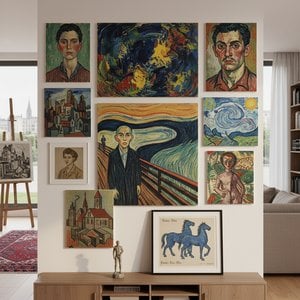
ექსპრესიონიზმის 10 შედევრი: ხელოვნება, რომელიც განაჩაღებს გრძნობებს
აღმოფრთოვანდით ექსპრესიონიზმის შედევრებით! ვან გოგი, მუნკი და სხვა ოსტატების 10 ყველაზე მნიშვნელოვანი ტილო. შეიგრძენემოციები, ფერები და ისტორია. იხილეთ ხელოვნების შესანიშნავი კოლექცია ArtsDot.com-ზე!

Unveiling Inner Worlds: Exploring Psychological Depth in 20th & 21st Century Art
Explore the profound psychological themes within 20th & 21st-century art. Discover Expressionism, Surrealism & more – and learn how to collect impactful pieces with confidence. Expert insights for discerning collectors.

Edvard Munch: Anxiety, Modernity & the Dawn of Expressionism
Explore the profound world of Edvard Munch, pioneer of Expressionism. Discover the origins of 'The Scream' & his haunting depictions of anxiety, mortality, and love. Expert analysis & high-quality reproductions at ArtsDot.