მოკლედ რომ ვთქვათ
ყველაზე ცნობილი ნამუშწევრი, რომელიც Hans Bollongier-ს ეკუთვნის, არის Masquerade of Valentine and Orson (1628), რომლის ნახვაც შეგიძლიათ Museum Boijmans Van Beuningen-ში, როტერდამი. და তৎके바로 მათ მოსდევს Still Life with Flowers and Fruit (1629) და Flower Piece (1638). ჩვენს კატალოგში არსებული Hans Bollongier-ის 11 ნამუშწაროსგან, ეს 11 ყველაზე ცნობილია. თითოეულ მათგანს ახლავს შემოქმედების წელი, მუზეუმი და მოკლე აღწერა იმის შესახებ, თუ რატომ არის ის გამორჩეული.
Hans Bollongier-ის ტოპ 10: ნამუშევრები, რომლებიც ყველამ იცის
Flower Piece
The Flower Piece by Hans Bollongier (Jan Bollongier) is a stunning example of Dutch Golden Age art, characterized by its meticulous attention to detail and vibrant color palette. This beautiful still life painting, created in 1644, measures 27 x 20 cm and is executed on oil on panel. Composition and Style The composition of the Flower Piece is marked by a sense of harmony and balance, with the bouquet of…
계Continue exploring Hans Bollongier: 11 to 11
რა ყველაზე ხშირად დახატა Hans Bollongier-მა
ამ ნამუშევრებში ყველაზე ხშირად გავრცელებული 네 თემა და თითოეული მათგანის ყველაზე ცნობილი მაგალითი.
Flowers 2 ნამუშევარი
Vase 2 ნამუშევარი
სადაც შეგიძლიათ ნახოთ Hans Bollongier-ის ნახატები
ამ გვერდზე წარმოდგენილი მხატვრობის შედეგების უმეტესობას 6 მუზეუმი ინახავს.
| მუზეუმი | ქალაქი | Hans Bollongier შემოქმედებაలు | ამ სიიდან მოპოვებული ნახატები |
|---|---|---|---|
| 2 | Flowers in a glass vase, Still life of roses and fruit on a table | ||
| როტერდამი | 1 | Masquerade of Valentine and Orson | |
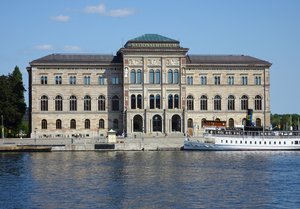
| სტოქჰოლმი | 1 | Still Life with Flowers and Fruit | |
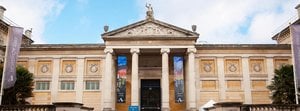
| ოქსფორდი | 1 | A Vase of Flowers | |
| ჰარენი | 1 | Flower Piece | |
| ამსტერდამი | 1 | Still Life with Flowers |
თითოეული ათწლეულისთვის ერთი ცნობილი Hans Bollongier ნამشევრი
ნამუშევრები ათწლეულების მიხედვით
შეარჩიეთ ათწლეული, რომლოსაც წარმოთქმაed მისი გამორჩეული ნამუშევრით.
Hans Bollongier-ის შემოქმედება: რა გაინტერესებთ ყველაზე მეტად
რა ტილოთი არის ყველაზე ცნობილი Hans Bollongier?ნახეთ პასუხი
სიის პირველია Masquerade of Valentine and Orson (1628), Museum Boijmans Van Beuningen, როტერდამი. მის შემდეგ მოჰყვები: Still Life with Flowers and Fruit (1629) და Flower Piece (1638).
რამდენად წლის იყო Hans Bollongier Masquerade of Valentine and Orson-ის შექმნისას?ნახეთ პასუხი
28 წლის. Hans Bollongier დაიბადა 1600, ხოლო Masquerade of Valentine and Orson შექმნილია 1628 წელს.
Hans Bollongier-ის რომელი 10 ნახატია ყველაზე ცნობილი?ნახეთ პასუხი
Masquerade of Valentine and Orson, Still Life with Flowers and Fruit, Flower Piece, Tulips and other flowers in a glass vase, Flowers in a glass vase, A Vase of Flowers, Still life of roses and fruit on a table, Flowers in a Vase, Still life with a pumpkin, peaches, grapes, cherries and other fruit და Flower Piece. ზემოთ მოცემულ სიაში ნახავთ თითოეულის შექმნის წელსა და მუზეუმს.
რამდენი Hans Bollongier ნამشევრია?ნახეთ პასუხი
ჩვენს კატალოგში არის 11 ნამუშწევრი Hans Bollongier-ისგან, თარიღებით 1628-დან 1664-მდე.
რომელ მუზეუმებშია Hans Bollongier-ის ყველაზე ცნობილი ნახატები?ნახეთ პასუხი
მათგან უმეტესობას Kunsthandel P. de Boer, Museum Boijmans Van Beuningen (როტერდამი) და Nationalmuseum (სტოქჰოლმი)-ში იპოვით. ზემოთ მოცემულ მუზეუმების სიაში წარმოდგენილია სრული ჩამონათვალი.
როდის შეიქმნა Hans Bollongier-ის ყველაზე ცნობილი ნამუშევრები?ნახეთ პასუხი
1640s-ში, სხვა ნებისმიერ პერიოდთან შედარებით, მეტია: ამ გვერდზე წარმოდგენილი 11 ნამუშწაროსგან 4 სწორედ ამ დროს შეიქმნა, მათგან Tulips and other flowers in a glass vase კი - Tulips and other flowers in a glass vase.
რა არის Hans Bollongier-ის ყველაზე ძველი და უახლესი ცნობილი ნახატები?ნახეთ პასუხი
აქ წარმოდგენილი ნამუშწაროებიდან უძველესი არის Masquerade of Valentine and Orson (1628), ხოლო უახლესი — Still life with a pumpkin, peaches, grapes, cherries and other fruit (1664).
რა იყო Hans Bollongier-ის ყველაზე ხშირად დახატული?ნახეთ პასუხი
Flowers (2) და Vase (2), ამ გვერდზე წარმოდგენილი 11 ნამუშწაროსგან.
რა შეგიძლიათ ნახოთ Hans Bollongier-ის ნამუშევრებიდან Kunsthandel P. de Boer-ში?ნახეთ პასუხი
ამ გვერდზე Kunsthandel P. de Boer-ში წარმოდგენილი ნამუშევრებისგან 2 შეგიძლიათ ნახოთ, მათ შორის: Flowers in a glass vase და Still life of roses and fruit on a table.
შემიძლია თუ არა Hans Bollongier-ის რეპროდუქციის შეკვეთა ჩემი სახლისთვის?ნახეთ პასუხი
დიახ. ამ გვერდზე წარმოდგენილი ყველა სურათი ხელნაკეთ ზეთწერილი რეპროდუქციით ან ბეჭდვით, თქვენთვის სასურველ ზომაშია ხელმისაწვდომი. შეკვეთისთვის უბრალოდ გადადით სურათის გვერდზე.
გაიცანით Hans Bollongier
The Luminous Legacy of Hans Bollongier
In the heart of the Dutch Golden Age, a period defined by unparalleled prosperity and an explosion of creative genius, the name Hans Bollongier—often known as Jan Bollongier—resonates with the delicate fragrance of a spring morning. Born in the vibrant city of Haarlem around 1600, Bollongier emerged as a master of the floral still life, a genre that allowed him to capture the fleeting essence of nature with breathtaking precision. Though his life was tragically brief, ending at approximately forty-five years of age, he left behind a body of work that serves as a window into the soul of seventeenth-century Netherlands. His artistry was not merely about decoration; it was an exploration of texture, light, and the profound beauty found in the ephemeral.
The foundations of Bollong and his technique were laid through rigorous training under the esteemed painters Hendrick van Balen I and II. These mentors were champions of the Baroque style, a movement that thrived on dramatic contrasts and opulent detail. From them, Bollongier inherited a profound understanding of chiaroscuro—the masterful manipulation of light and shadow to create depth and atmosphere. This training allowed him to transcend simple botanical illustration, transforming a mere bouquet into a theatrical event where every petal seemed to catch a stray beam of sunlight against a moody, darkened background.
A Symphony of Petals and Symbolism
To gaze upon a Bollongier masterpiece is to enter a world of sensory richness. His compositions often feature exquisite arrangements of tulips, roses, anemones, and carnations, meticulously rendered to showcase the subtle veins of a petal or the dewy moisture on a stem. Yet, beneath this surface-level beauty lies a deeper, more contemplative layer of meaning. During his era, the Dutch tulip mania had left a lasting mark on the collective psyche; thus, his vibrant bouquets often served as vanitas symbols—reminders of the transience of earthly life and the inevitability of decay. By painting flowers that bloom at different times of the year in a single, impossible arrangement, he captured a sense of eternal perfection that exists only within the realm of art.
His technical prowess is perhaps most evident in works such as "Flower Piece" and "Still Life with Flowers." In these canvases, one can observe:
- Meticulous Realism: A commitment to portraying the natural world exactly as it appeared, avoiding idealized forms in favor of authentic textures.
- Atmospheric Depth: The use of dark, earthy tones to push the vibrant reds, whites, and yellows of the blossoms toward the viewer.
- Narrative Details: The inclusion of small, often overlooked elements like snails or insects, which add a layer of biological realism and reinforce the theme of life's cycle.
Historical Significance and Lasting Influence
Bollongier’s impact extended far beyond his own lifetime. As a prominent member of the Haarlem Guild of St. Luke, he was part of a flourishing community of artists that included luminaries like Johannes Vermeer. While his direct collaborations with such masters are subjects of scholarly fascination, the stylistic currents of Haarlem undoubtedly flowed through his brush. His ability to marry the scientific accuracy of botanical study with the emotional weight of the Baroque movement made him an essential figure in the evolution of Dutch genre painting.
His influence can be traced through the lineage of later flower painters, providing a blueprint for artists who sought to balance scientific observation with artistic drama. Today, his works reside in prestigious institutions such as the Frans Halsmuseum and the Rijksmuseum, where they continue to enchant modern audiences. Hans Bollongier remains a testament to the power of the small-scale masterpiece—a painter who, through the humble medium of a flower vase, captured the magnificent, fleeting splendor of an entire era.