


1

白鳥の姫
ロシアの巨匠 ミハイル・ヴルーベリ による「白鳥の姫」は、彼の芸術家としての足跡を語る上で欠かせない極めて重要な作品です。1900年に描かれたこの 油彩画 は、深い変容の瞬間を鮮やかに捉えています。その主題の源流は、アレクサンドル・プーシキンの民話、特に『サルタン王の物語』にまで遡り、文学的な神話の世界と演劇的な舞台芸術との境界を鮮やかに繋ぎ合わせる、稀有な作品となっています。


10月 2026 更新 · 当サイトの人気スコア(各作品の検索数、閲覧数、注文数)に基づくランキング · 211点の ミハイル・ヴルーベリの作品がカタログにあります
要約すると
ミハイル・ヴルーベリの最も有名な作品は白鳥の姫で、モスクワのトレトヤコフ美術館で鑑賞することができます。 その直後にThe Seated Demon、そしてSwan-Princess (1904)が続きます。 ミハイル・ヴルーベリの全211作品のうち、特に有名な100作品をご紹介します。各作品には制作年、所蔵美術館、そしてその作品の魅力についての解説が添えられています。
ロシアの巨匠 ミハイル・ヴルーベリ による「白鳥の姫」は、彼の芸術家としての足跡を語る上で欠かせない極めて重要な作品です。1900年に描かれたこの 油彩画 は、深い変容の瞬間を鮮やかに捉えています。その主題の源流は、アレクサンドル・プーシキンの民話、特に『サルタン王の物語』にまで遡り、文学的な神話の世界と演劇的な舞台芸術との境界を鮮やかに繋ぎ合わせる、稀有な作品となっています。

In the hauntingly beautiful masterpiece The Seated Demon, created in 1890, Mikhail Vrubel invites us into a realm where the boundaries between reality and the supernatural dissolve. This quintessential work of the Symbolist movement captures a moment of profound introspection, presenting a demonic figure not as a creature of pure malice, but as an embodiment of spiritual longing and cosmic sorrow. The subject sits in a contemplative, almost heavy pose,…

To gaze upon Mikhail Vrubel's Swan-Princess is to step across a threshold into a realm woven from myth, moonlight, and profound introspection. This captivating oil on canvas, dating from 1904, is not merely a depiction of a woman by a river; it is an embodiment of the Symbolist spirit itself. The air around the figure seems thick with unspoken narratives—a delicate balance between ethereal beauty and deep, submerged mystery. Vrubel,…

A man sits draped in red, his presence heavy with the weight of a silent history. He wears a turban, a crown of folded fabric, and a gold belt cinches his waist like a line of sunlight. One arm rests over his shoulder, a gesture of casual authority or perhaps a weary stillness. In his hand, he holds a large book or a heavy scroll, a vessel for words and…

In the quiet, evocative depths of Mikhail Vrubel’s 1883 watercolor, Hamlet and Ophelia, we are invited into a world that transcends the boundaries of mere illustration. This masterpiece does not simply depict a scene from William Shakespeare’s most famous tragedy; rather, it captures the very essence of the Symbolist movement through a lens of profound intimacy. The painting presents two women seated in an old-fashioned, perhaps timeless, interior, facing one…

In Mermaid, Mikhail Vrubel presents a mythological creature adrift in a natural setting. The figure reclines within the water, a pale shape amidst a cluster of lily pads and reeds. This scene, painted about 1891, captures a moment of quietude. The mermaid rests where the surface meets the depths, surrounded by the organic geometry of the aquatic plants.

The air feels heavy with the scent of ancient dust and magic as the scene unfolds. High above a sleeping town, the boundary between the physical and the supernatural thins to a translucent veil. A man rides a horse through the sky, his form caught in a moment of frantic, soaring motion. Beside him, the presence of Mephistopheles looms, a shadow cast against the heavens. They are not merely traveling;…

The air feels heavy with the weight of ancient melody as Sadko stands at the center of a swirling human ring. He is a merchant of Novgorod, yet here he seems more a conduit for something supernatural than a man of commerce. Around him, friends and musicians lean in, their instruments poised to catch the notes that seem to ripple through the very atmosphere. The scene is alive with a…

In the quiet intimacy of his studio, Mikhail Vrubel approached the delicate medium of watercolor to compose Red Azaleas. Created about 1886, this work captures a specific moment in the artist's development. At this stage, Vrubel was refining a way of seeing that moved away from the rigid constraints of academic realism. He sought instead to find a more personal, idiosyncratic language through form and line.

The eyes meet you first. They are piercing, heavy with an unsettling intensity that seems to pull the viewer into a private, dark encounter. This close-up portrait focuses tightly on the head and shoulders of a demonic figure, creating a sense of immediate, almost claustrophobic intimacy. The face is defined by sharp features and a gaze that conveys both power and menace. Around this central presence, thick, swirling brushstrokes move…
これらの作品に最も頻繁に登場する4つの主題と、それぞれの代表的な例。
このページに掲載されている絵画を最も多く所蔵している 5 の美術館
| 美術館 | 都市 | ミハイル・ヴルーベリの作品 | このリストの絵画 |
|---|---|---|---|
 トレトヤコフ美術館 |
モスクワ | 15 | 白鳥の姫, Swan-Princess, After the Concert, at the Fireplace |
 ロシア国立美術館 |
サンクトペテルブルク | 3 | Bogatyr, The Demon Flying |
 Tereshchenko Museum |
キエフ | 1 | Head of Demon with mountains |
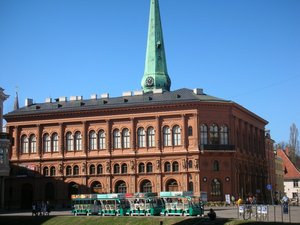 Art Museum Riga Bourse |
リガ | 1 | Spring |
 アムステルダム博物館 |
アムステルダム | 1 | Odessa harbour |
年代を選択して、その時代の代表作をご覧ください。

A man sits draped in red, his presence heavy with the weight of a silent history. He wears a turban, a crown of folded fabric, and a gold belt cinches his waist like a line of sunlight. One arm rests over his shoulder, a gesture of casual authority or perhaps a weary stillness. In his hand, he holds a large book or a heavy scroll, a vessel for words and…
In Mermaid, Mikhail Vrubel presents a mythological creature adrift in a natural setting. The figure reclines within the water, a pale shape amidst a cluster of lily pads and reeds. This scene, painted about 1891, captures a moment of quietude. The mermaid rests where the surface meets the depths, surrounded by the organic geometry of the aquatic plants.
To gaze upon Mikhail Vrubel's Swan-Princess is to step across a threshold into a realm woven from myth, moonlight, and profound introspection. This captivating oil on canvas, dating from 1904, is not merely a depiction of a woman by a river; it is an embodiment of the Symbolist spirit itself. The air around the figure seems thick with unspoken narratives—a delicate balance between ethereal beauty and deep, submerged mystery. Vrubel,…
リストのトップはトレトヤコフ美術館, モスクワの白鳥の姫です。それに続くのはThe Seated Demon、そしてSwan-Princess (1904)です。
白鳥の姫, The Seated Demon, Swan-Princess, Persian Prince, Hamlet and Ophelia, Mermaid, Flight of Faust and Mephisto, Sadko, Red Azaleas と Head of Demon with mountains。制作年および所蔵美術館については、上記のリストをご参照ください。
当カタログにはミハイル・ヴルーベリによる作品が211点あり、制作時期は1878から1905にわたります。
その多くはトレトヤコフ美術館 (モスクワ), ロシア国立美術館 (サンクトペテルブルク) と Tereshchenko Museum (キエフ)で見ることができます。上記の美術館リストに詳細が記載されています。
1880sは、他のどの時期よりも多くの作品が集中しています。このページにある全100点のうち42点がその時代の作品であり、そのうちPersian Prince点が含まれます。
ここにある最も古い作品はAnna Karenina meets her son (1878)、最新の作品はAfter the Concert, at the Fireplace (1905)です。
このページに掲載されている100点のうち、Characters (12), Men (10) と Portraits (8)点
このページに掲載されている全100点のうち、5点にOil On Canvasが使用されています。
このページに掲載されている作品をご覧いただければわかる通り、Symbolism
トレトヤコフ美術館, モスクワにある白鳥の姫, Swan-Princess と After the Concert, at the Fireplaceを含む3点の作品を、このページでご覧いただけます。
はい。このページに掲載されているすべての絵画は、お手持ちのスペースに合わせたサイズで、手描きの油彩複製画またはプリントとしてご購入いただけます。作品のページを開いてご注文ください。
ミハイル・アレクサンドロヴィチ・ヴルーベリは、ロシアのオムスクに生を受けました。貴族の血筋を引く家族の中で、軍人であった父の影響を受けながら育った彼の幼少期は、後の芸術的感性の礎となりました。1880年にサンクトペテルブルク大学の法学部を卒業したものの、彼の魂は常にキャンバスの上にありました。帝国美術アカデミーに入学し、パヴェル・チスチャコフに師事したことで、彼は同時代の画家たちが追求していた伝統的なリアリズムとは一線を画す、独自のスタイルを築き始めます。その初期の修行時代において、形や線に対する独特で独創的なアプローチは、すでに彼の芸術家としての個性を鮮明に示していました。
1884年、彼の芸術人生における重大な転換点が訪れます。キエフの聖シリウス教会における、12世紀の壁画とモザイクの復元という重要な任務を任されたのです。このプロジェクトは、彼に中世キリスト教美術を深く研究することを強いました。ヴェネツィアへの旅を含む、これらの古代美術との出会いは、彼の色彩感覚を劇的に変容させました。それまでのアカデミックな伝統に見られる落ち着いた色調から脱却し、見る者に宝石を彷彿とさせるような、強烈で彩度の高い色彩を用いるようになったのです。
ヴルーベリの作品は、しばしば現実世界と神話の世界の境界線上に存在しています。彼はペルシャ絨毯の質感やオリエンタルな芸術の文様に強く惹かれ、それらをモザイクのテッセラ(破片)を模したような独自の技法によって絵画へと昇華させました。ペインティングナイフを用い、大胆で平坦な筆致を重ねることで、鋭く面を成したエッジを作り出すその手法は、油彩画に結晶のような質感を与えました。まるで絵具そのものが、ステンドグラスや宝石で構成されているかのような錯覚を抱かせるのです。
民話や超自然的なものへの情熱は、神話的な登場人物を描いた作品において最も顕著に現れています。彼の描く世界は、しばしば孤独や切望といった深いテーマを内包していました。彼の代表的な傑作には、以下のような作品が挙げられます。
これらの作品において、彼は厳格な写実主義を目指したわけではありません。むしろ、装飾的な空間構成と非日常的な形態を用いることで、精神的、あるいは心理的な深淵を捉えようとしたのです。また、オペラ歌手ナデジダ・ザベラとの交流も彼の創作に影響を与え、舞台装置や衣装のデザインを手がけるなど、その芸術性は演劇の世界へとまで広がっていきました。
ヴルーベリの晩年は、個人的な苦闘の連続でした。1906年、病状の悪化とともに深刻な神経衰弱に陥り、彼は筆を置かざるを得なくなります。最期を精神科のクリニックで過ごし、1910年にその生涯を閉じました。人生の最後の10年間は困難に満ちたものでしたが、ロシア象徴主義とアール・ヌーヴォーに与えた彼の多大な影響は、今なお近代美術史の核心として輝き続けています。彼はロシア絵画の焦点を、より表現主義的でモダニズム的な語法へと移行させ、後に続くアヴァンギャルド運動への道を切り拓いたのです。


