要約すると
Barnaba Da Modenaの作品として最も有名なものといえば、おそらくアヴィニョンのMusée du Petit Palaisに展示されているThe Virgin and Child between Saint John the Baptist and Saint Michael (1350)でしょう。 Madonna and Child (1367)とPentecost (1371)が、人々がすぐにそれと分かる3つの作品を完成させています。 Barnaba Da Modenaによる作品は、当カタログに9点あります。以下に、最もよく知られている9作品を、制作年、所蔵先、およびその特徴とともにご紹介します。
まずはここから:Barnaba Da Modenaの代表作トップ10
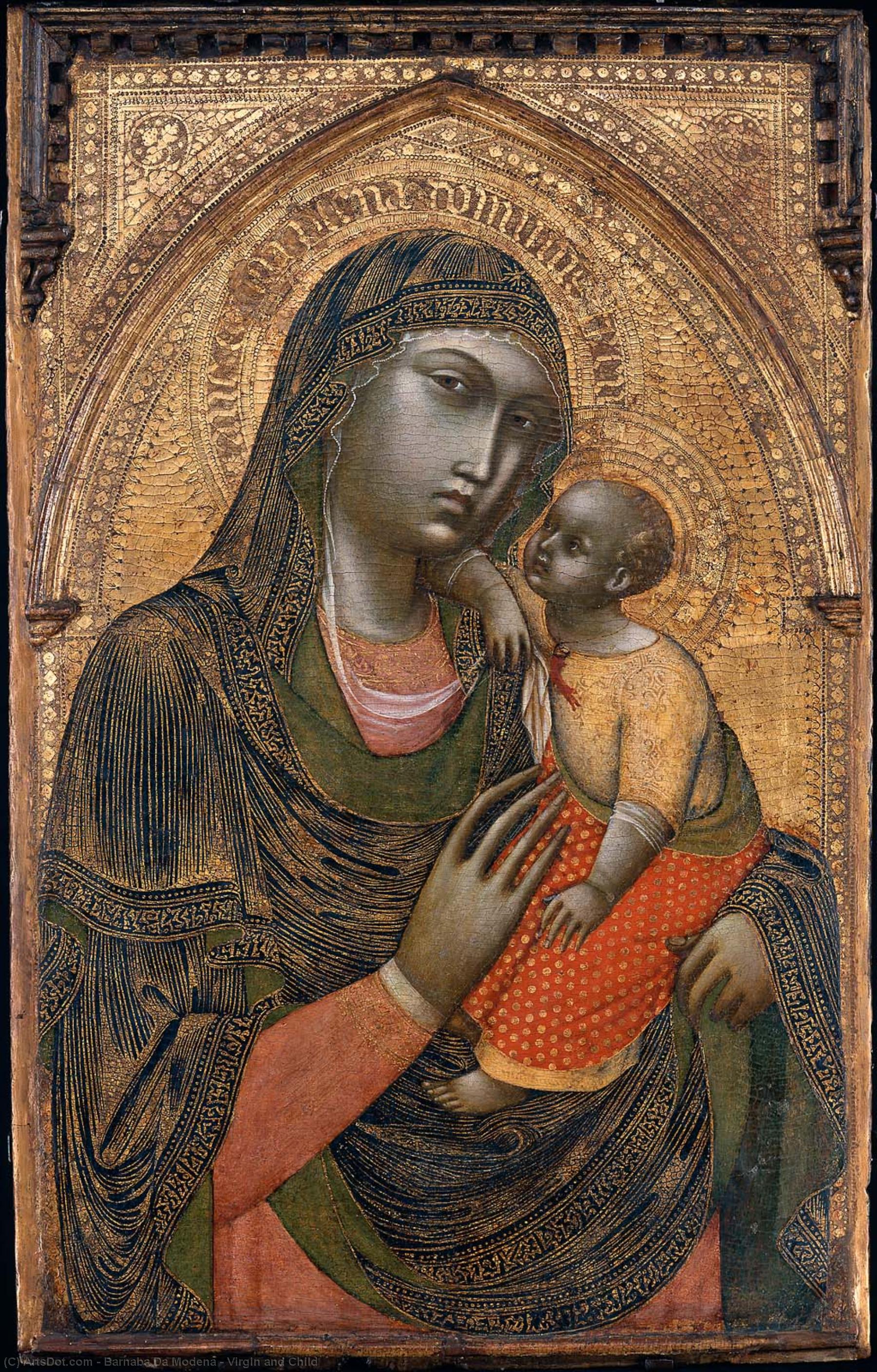
Virgin and Child
To gaze upon this depiction of the Virgin and Child is to step directly into the devotional heart of fourteenth-century Italy. The scene unfolds with an almost palpable intimacy; the Virgin Mary, adorned in rich blue robes and crowned with regal grace, cradles her infant son close to her breast. It is a moment suspended in time—a tender communion that speaks volumes of maternal love intertwined with divine mystery. Barnaba…
Virgin and Child
In the quiet intimacy of Barnaba da Modena’s Virgin and Child, we are invited into a sacred moment that transcends the centuries. Created around 1360, this masterpiece serves as a profound window into the spiritual heart of the Trecento period. The painting captures a deeply human connection between the Virgin Mary and her infant son, presenting a scene where divine majesty meets maternal tenderness. As she cradles the young boy,…
Crucifixion
In the quiet sanctity of the Museum of Art in Indianapolis, there exists a window into the fourteenth century that transcends the mere passage of time. The Crucifixion by Barnaba da Modena, executed around 1375, is not merely a painting but a profound spiritual encounter. As one gazes upon this tempera on wooden panel, the viewer is immediately enveloped by the solemnity of the late medieval period. The composition centers…
Barnaba Da Modena の代表作
これらの作品に最も頻繁に登場する4つの主題と、それぞれの代表的な例。
Byzantine style 3点
Virgin mary 2点
Madonna and child 2点
Religious art 2点
Barnaba Da Modenaの作品を見る
このページに掲載されている絵画を最も多く所蔵している 8 の美術館
| 美術館 | 都市 | Barnaba Da Modenaの作品 | このリストの絵画 |
|---|---|---|---|
| ロンドン | 2 | Pentecost, Scenes of the Virgin; The Trinity; The Crucifixion | |
| アヴィニョン | 1 | The Virgin and Child between Saint John the Baptist and Saint Michael | |
| フランクフルト | 1 | Madonna and Child | |
| ベルリン | 1 | Madona and Child | |
| パリ | 1 | Virgin and Child | |
| ニューヘイブン | 1 | Mourning Virgin | |
| ボストン | 1 | Virgin and Child | |
| インディアナポリス | 1 | Crucifixion |
Barnaba Da Modenaの年代別名作:各年代から1点ずつ
年代別作品数
年代を選択して、その時代の代表作をご覧ください。
The Virgin and Child between Saint John the Baptist and Saint Michael
Barnaba Da Modenaの絵画に関するご質問
Barnaba Da Modenaの最も有名な絵画は何ですか?答えを見る
リストのトップはMusée du Petit Palais, アヴィニョンのThe Virgin and Child between Saint John the Baptist and Saint Michael (1350)です。それに続くのはMadonna and Child (1367)、そしてPentecost (1371)です。
The Virgin and Child between Saint John the Baptist and Saint Michaelが制作されたとき、Barnaba Da Modenaは何歳でしたか?答えを見る
22歳。Barnaba Da Modenaは1328に生まれ、The Virgin and Child between Saint John the Baptist and Saint Michaelは1350年の作品です。
Barnaba Da Modenaの作品数は?答えを見る
当カタログにはBarnaba Da Modenaによる作品が9点あり、制作時期は1350から1375にわたります。
Barnaba Da Modenaの代表作はどこで見ることができますか?答えを見る
その多くはナショナル・ギャラリー (ロンドン), Musée du Petit Palais (アヴィニョン) と シュテデル美術館 (フランクフルト)で見ることができます。上記の美術館リストに詳細が記載されています。
Barnaba Da Modenaが最も有名な作品を描いたのはいつ頃でしょうか?答えを見る
1370sは、他のどの時期よりも多くの作品が集中しています。このページにある全9点のうち4点がその時代の作品であり、そのうちPentecost点が含まれます。
有名なBarnaba Da Modenaの絵画のうち、最初と最後に描かれたものはどれですか?答えを見る
ここにある最も古い作品はThe Virgin and Child between Saint John the Baptist and Saint Michael (1350)、最新の作品はCrucifixion (1375)です。
Barnaba Da Modenaの作品に最も多く登場するモチーフは何ですか?答えを見る
このページに掲載されている9点のうち、Byzantine style (3), Virgin mary (2) と Madonna and child (2)点
Barnaba Da Modenaが最も多く使用した画材は何ですか?答えを見る
このページに掲載されている全9点のうち、2点にTempera On Panelが使用されています。
ナショナル・ギャラリーでは、どのBarnaba Da Modenaの作品を見ることができますか?答えを見る
ナショナル・ギャラリー, ロンドンにあるPentecost と Scenes of the Virgin; The Trinity; The Crucifixionを含む2点の作品を、このページでご覧いただけます。
Barnaba Da Modenaの絵画の複製を入手することはできますか?答えを見る
はい。このページに掲載されているすべての絵画は、お手持ちのスペースに合わせたサイズで、手描きの油彩複製画またはプリントとしてご購入いただけます。作品のページを開いてご注文ください。
Barnaba Da Modenaについて知る
Barnaba da Modena (c. 1328 – c. 1386): A Byzantine Echo in Lombard Painting
Barnaba da Modena stands as a singular figure in the artistic landscape of fourteenth-century Italy—a pioneer who bravely championed a stylistic tradition largely abandoned by his contemporaries, firmly rooted in the grandeur and spirituality of Byzantium. Born around 1328 in Modena (Emilia), he emerged from obscurity to become arguably the first Lombard painter of considerable renown, leaving behind an impressive oeuvre that testifies to his unwavering devotion to this venerable artistic heritage. His activity spanned Lombardy, Piedmont, and Pisa in Tuscany, establishing him as a pivotal artist within the burgeoning cultural dynamism of the era.- Early Life & Training: Precise biographical details surrounding Barnaba’s formative years remain elusive. Records indicate he was active in Genoa from approximately 1364, where he secured patronage and honed his craft amidst a vibrant artistic milieu. This Genoese engagement undoubtedly exposed him to the prevailing stylistic currents of the time—a stark contrast to the increasingly naturalistic tendencies gaining traction elsewhere in Italy.
- Byzantine Influence: Barnaba’s distinctive style is undeniably indebted to Byzantine painting, particularly its use of gold leaf and shimmering backgrounds. He meticulously replicated techniques perfected centuries earlier, prioritizing luminous color palettes and compositional schemes that emphasized symbolic grandeur rather than realistic representation. This commitment to tradition speaks volumes about his artistic sensibilities and reflects a profound understanding of the visual language of religious art.
- Notable Works & Patronage: Barnaba’s prolific output encompassed around fifty paintings—a remarkable achievement considering the period—primarily focused on depictions of the Virgin Mary and Christ, often framed within elaborate architectural settings reminiscent of Byzantine churches. His commissions included prominent roles in Genoa’s Palazzo Ducale and contributed significantly to the artistic embellishment of ecclesiastical spaces throughout Lombardy.
- Technique & Innovation: Despite adhering to Byzantine conventions, Barnaba demonstrated considerable technical skill—a testament to his meticulous attention to detail and masterful manipulation of pigment. His paintings exhibit a remarkable level of refinement, achieved through painstaking layering of glazes and incorporating subtle gradations of color that imbue the images with an ethereal quality.
- Legacy & Influence: Barnaba’s artistic vision profoundly impacted subsequent generations of Lombard painters. Notably, Nicolò da Voltri continued his stylistic trajectory in Liguria until circa 1420, perpetuating Barnaba's Byzantine aesthetic and solidifying his position as a foundational figure in the development of Lombard painting. His enduring legacy resides not merely in his individual masterpieces but also in his contribution to shaping the artistic landscape of his time—a beacon of spiritual contemplation amidst the burgeoning complexities of the Renaissance.
Major Achievements & Artistic Style
Barnaba’s most celebrated achievements lie in his masterful execution of monumental frescoes adorning churches throughout Lombardy and Genoa. These works exemplify the pinnacle of Byzantine influence, characterized by:- Gold Leaf Backgrounds: Extensive use of gold leaf created radiant surfaces that evoked the splendor of imperial cathedrals—a deliberate stylistic choice reflecting Barnaba’s reverence for Byzantine iconography.
- Symbolic Composition: Paintings prioritized conveying theological concepts through carefully orchestrated visual narratives, emphasizing spiritual significance over mere aesthetic beauty.
- Luminous Color Palette: Barnaba skillfully employed vibrant hues—particularly blues and reds—to illuminate biblical scenes and imbue them with emotional intensity.
Connections & Artistic Context
Barnaba’s artistic milieu was shaped by the prevailing stylistic trends of his time, yet he steadfastly resisted the emerging naturalism championed by artists like Giotto di Bondone. He remained firmly committed to Byzantine principles—a conscious decision that distinguished him from many of his contemporaries and cemented his reputation as a champion of tradition. His work stands apart as an exceptional example of artistic integrity—a testament to his unwavering devotion to conveying spiritual truths through visual art.Further Exploration
For deeper insights into Barnaba da Modena’s life and oeuvre, consult the following resources:- tiraboschi, Giuseppe Maria.Storia della letteratura lombarda dal secolo IX al XVI. Milano: Boccaveri Editore, 1867.