From Form to Fluidity: The Sculptural Genesis
Born in Dearborn, Michigan, Sondra Freckelton’s artistic odyssey began not with the brush, but with the tactile manipulation of form. During her formative years at the Art Institute of Chicago in the 1960s, she emerged as a rising star in the world of abstract sculpture. Working under her married name, Sondra Beal, she possessed an uncanny ability to breathe life into rigid materials like wood and plastic. Her early triumphs were nothing short of extraordinary; by 1959, her sculptures were showcased at the Museum of Modern Art in New York, and she soon established herself with a solo exhibition at the prestigious Tibor de Nagy Gallery. These years were defined by an exploration of volume and texture, a period where her creative identity was forged through the bold, structural language of abstraction.
The Luminous Shift: Embracing the Watercolor Medium
A profound metamorphosis occurred in the early 1970s, marking one of the most significant stylistic pivots in contemporary American realism. Moving away from the assertive, three-dimensional presence of sculpture, Freckelton turned her gaze toward the delicate, translucent possibilities of watercolor. This transition was far more than a change in medium; it was a redirection of her artistic soul toward the capture of light and ephemeral detail. Influenced by luminaries like Jack Beal, she developed a technique characterized by meticulous layering and a breathtaking command of luminosity. The heavy textures of her sculptural past gave way to a soft, atmospheric precision that allowed her to find extraordinary beauty in the most subtle nuances of her surroundings.
The Art of the Ordinary: Celebrating Domesticity
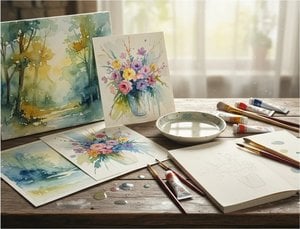
Freckelton’s true mastery lay in her ability to elevate the mundane into the monumental. Her subject matter became a quiet celebration of domestic life, focusing on the "quiet work" of artisans and the simple elegance of the household. Through her lens, everyday objects—a quilted cushion, a cluster of garden vegetables, or a single vase of flowers—were transformed into profound studies of texture and light.
- The Beauty of Texture: She utilized the fluidity of watercolor to replicate the softness of petals and the intricate weaves of handmade quilts.
- A Tribute to Tradition: Her work honors the domestic sphere, finding dignity in garden implements and household items.
- Light as a Protagonist: Every composition is anchored by a masterful use of light that breathes life into still lifes.
A Lasting Legacy in American Realism
The significance of Sondra Freckelton’s contribution to American art is etched into the permanent collections of the world's most esteemed institutions. From the Smithsonian American Art Museum to the Art Institute of Chicago, her work serves as a testament to the power of observation and the enduring relevance of realism. Her journey from the bold abstractions of the 1960s to the tender, luminous watercolors of her later years remains an inspiring narrative of artistic evolution. She leaves behind a body of work that does not merely depict objects, but captures the very essence of a life lived with profound appreciation for the beauty found in the quietest corners of existence.
Q&A
Sondra Freckeltonの作品はどのくらい人気がありますか?
Sondra Freckeltonの統計情報ページでは、当サイトに掲載されているアーティストの作品から算出された統計データをご覧いただけます。
Sondra Freckeltonの作品を3Dギャラリーで鑑賞できる場所はどこですか?
Sondra Freckeltonの3Dミュージアムは、アーティストの作品をバーチャルな3Dギャラリーで鑑賞できるページです。
Sondra Freckeltonは、どの芸術運動に属していましたか?
Sondra Freckeltonが活動した各ムーブメント(芸術運動)は、作品をムーブメント別に分類しているアーティストのすべてのムーブメントページでご覧いただけます。