

1



11月 2026 更新 · 当サイトの人気スコア(各作品の検索数、閲覧数、注文数)に基づくランキング · 5点の Peter Wichmannの作品がカタログにあります
要約すると
Peter Wichmannの代表作はNicolai Frederik Reichwein (1734)です。 次に続くのは、Juliane Marie, Frederik V's anden dronning (1745)とChristopher Friderich Ingenhaeff (1752)です。 当カタログにはPeter Wichmannによる作品が5点収められています。本ガイドでは、その中から最も有名な5作品を厳選し、制作年、所蔵美術館、そして各作品にまつわる物語とともにご紹介します。


このページに掲載されている絵画を最も多く所蔵している 1 の美術館
| 美術館 | 所在都市 | Peter Wichmannの作品 | このリストの絵画 |
|---|---|---|---|
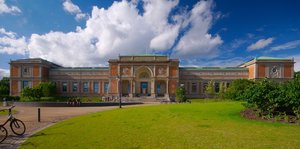 Statens Museum For Kunst |
コペンハーゲン | 1 | Juliane Marie, Frederik V's anden dronning |
年代を選択して、その時代の代表作をご覧ください。
リストのトップはNicolai Frederik Reichwein (1734)です。それに続くのはJuliane Marie, Frederik V's anden dronning (1745)、そしてChristopher Friderich Ingenhaeff (1752)です。
28歳。Peter Wichmannは1706に生まれ、Nicolai Frederik Reichweinは1734年の作品です。
当カタログにはPeter Wichmannによる作品が5点あり、制作時期は1734から1759にわたります。
その多くはStatens Museum For Kunst (コペンハーゲン)で見ることができます。上記の美術館リストに詳細が記載されています。
1750sは、他のどの時期よりも多くの作品が集中しています。このページにある全5点のうち3点がその時代の作品であり、そのうちChristopher Friderich Ingenhaeff点が含まれます。
ここにある最も古い作品はNicolai Frederik Reichwein (1734)、最新の作品はGudlov Mølmann (1759)です。
はい。このページに掲載されているすべての絵画は、お手持ちのスペースに合わせたサイズで、手描きの油彩複製画またはプリントとしてご購入いただけます。作品のページを開いてご注文ください。
In the golden era of Danish portraiture, few names resonate with the quiet dignity and technical mastery of Peter Wichmann. Born in Copenhagen in 1706, Wichmann was a child of artistic lineage, the son of Sara Jensdatter Foght and Nicolai Wichmann, a man who had already secured his place in history as a court painter to Queen Louise. Growing up within the vibrant, creative atmosphere of a household dedicated to the fine arts, Peter was destined for a life defined by the brush and the canvas. His early years were steeped in the traditions of his father’s craft, yet he possessed an individual spark that would eventually lead him far beyond the borders of his native Denmark.
The year 1730 marked a pivotal turning point in Wichmann's burgeoning career. With a royal passport in hand, he embarked on a transformative journey across Europe to refine his skills and absorb the evolving aesthetics of the continent. This period of travel was not merely an educational excursion but a profound immersion into the diverse artistic currents of the eighteenth century. By wandering through the great art centers of Europe, Wichmann integrated foreign influences with his Danish roots, developing a sophisticated style that blended classical precision with a burgeoning sense of character and life.
Upon his return to Copenhagen, Wichmann established himself as a premier specialist in portraiture. His work is characterized by an exquisite ability to capture not only the physical likeness of his subjects but also their inner essence and social standing. To look upon a Wichmann portrait is to witness a delicate dance of light and shadow, where every fold of silk, every glint of jewelry, and every subtle expression is rendered with meticulous care. He possessed a rare talent for conveying the dignity of the aristocracy while maintaining a sense of human warmth that prevented his subjects from appearing as mere statues.
His technical prowess was deeply rooted in the traditions of his upbringing, yet he moved with the grace of an artist who understood the changing tides of taste. His compositions often utilized a refined palette, employing soft tones and smooth transitions that lent a luminous quality to the skin of his sitters. This mastery of texture and light allowed him to create works that felt both timeless and immediate, capturing a specific moment in the lives of the Danish elite with an enduring elegance.
Though his life came to an end in Copenhagen in 1769, the impact of Peter Wichmann’s artistry continues to be felt within the annals of Northern European art history. He stands as a vital link in the chain of Danish painters, representing a period of significant cultural growth and international connection. His ability to bridge the gap between local tradition and broader European movements helped elevate the standard of portraiture in his homeland.
Today, the works of Wichmann serve as precious windows into the social fabric of the mid-eighteenth century. Through his eyes, we glimpse the fashions, the poise, and the profound sense of identity held by those who lived during his era. His legacy is preserved not just in museums, but in the very way we perceive the history of Danish portraiture—as a period defined by grace, technical brilliance, and an unwavering commitment to the art of capturing the human spirit.