
1



11月 2026 更新 · 当サイトの人気スコア(各作品の検索数、閲覧数、注文数)に基づくランキング · 1点の Per Estenbergの作品がカタログにあります
要約すると
Per Estenbergの作品として最も有名なものといえば、おそらくストックホルムの国立美術館に展示されているScenografi för en opera (1796)でしょう。 Per Estenbergによる作品は、当カタログに1点あります。以下に、最もよく知られている1作品を、制作年、所蔵先、およびその特徴とともにご紹介します。
このページに掲載されている絵画を最も多く所蔵している 1 の美術館
| 美術館 | 所在都市 | Per Estenbergの作品 | このリストの絵画 |
|---|---|---|---|
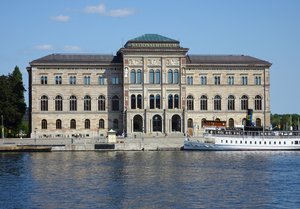 国立美術館 |
ストックホルム | 1 | Scenografi för en opera |
このページにあるPer Estenbergによる日付入りの作品はすべて、1796年のものです。一覧はこちらです。
年を選択して作品を見る
リストのトップはScenografi för en opera (1796)です。
24歳。Per Estenbergは1772に生まれ、Scenografi för en operaは1796年の作品です。
カタログにはPer Estenbergによる作品が1点あります。
その多くは国立美術館 (ストックホルム)で見ることができます。上記の美術館リストに詳細が記載されています。
はい。このページに掲載されているすべての絵画は、お手持ちのスペースに合わせたサイズで、手描きの油彩複製画またはプリントとしてご購入いただけます。作品のページを開いてご注文ください。
In the annals of Swedish art history, certain names resonate with a soft, enduring light, much like the subtle brushstrokes found in the works of Per Estenberg. Born in Stockholm on September 12, 1772, Estenberg emerged during a period of profound cultural transition in Northern Europe. While his life and career may not possess the thunderous notoriety of the era's most radical revolutionaries, there exists within his historical footprint a dedicated commitment to the visual language of his time. His journey, rooted in the vibrant atmosphere of Stockholm, reflects a deep connection to the Swedish aesthetic traditions that sought to capture both the grandeur and the intimacy of the late eighteenth and early nineteenth centuries.
The artistry of Estenberg is often viewed through the lens of his contributions to the visual landscape of his era, particularly in works that touched upon the theatrical and the scenic. His ability to evoke atmosphere suggests a mind deeply attuned to the interplay of light and shadow, a skill essential for an artist navigating the complexities of scenography and painting. To study his work is to glimpse a period where the boundaries between fine art and functional design were often beautifully blurred, allowing for a sense of drama to permeate even the most delicate compositions.
To understand the significance of Estenberg, one must consider the historical tapestry of Sweden during his lifetime. Living through the turn of the century, he witnessed a world moving from the structured elegance of the classical period toward more emotive expressions. His work, much of which is preserved in esteemed collections such as the Nationalmuseum, serves as a vital link to this transformative epoch. The traces of his hand can be found in pieces that explore the concept of stage design and operatic scenery, where the artist's role was to build entire worlds upon a canvas, inviting the viewer into a realm of pure imagination.
The development of his style was likely influenced by the burgeoning interest in romanticism and the meticulous attention to detail required by the academic standards of the time. There is an inherent grace in his approach, a way of handling form that suggests a profound respect for the classical foundations while subtly embracing the atmospheric depth that would define the coming decades. His legacy is not merely found in individual paintings, but in the way he contributed to the visual vocabulary of Swedish cultural life, helping to shape the aesthetic sensibilities of a nation.
As we reflect on the life of Per Estenberg, we find an artist whose true achievement lies in his enduring presence within the archives of art history. His contributions remain a testament to the power of subtle mastery, reminding us that the most lasting impacts are often made by those who work with quiet, persistent brilliance. Through his eyes, we continue to view a vanished era, preserved through the delicate and evocative medium of his art.