


1

Hand-painted oil reproduction from $175 29 × 35 cm
Same size as the original $225 47 × 57 cm Order at original size →
あなたのコレクションに
詳しく見る


10月 2026 更新 · 当サイトの人気スコア(各作品の検索数、閲覧数、注文数)に基づくランキング · 13点の David Beckの作品がカタログにあります
要約すると
David Beckの最も有名な作品はThomas Hobbes, 1588 - 1679. Philosopher (1650)で、Edinburghのスコットランド国立肖像画館で鑑賞することができます。 その直後にQueen Christina (1651)、そしてChancellor of the Realm, Count Axel Oxenstierna (1649)が続きます。 David Beckの全13作品のうち、特に有名な13作品をご紹介します。各作品には制作年、所蔵美術館、そしてその作品の魅力についての解説が添えられています。


このページに掲載されている絵画を最も多く所蔵している 6 の美術館
| 美術館 | 都市 | David Beckの作品 | このリストの絵画 |
|---|---|---|---|
 Royal Armoury |
Stockholm | 2 | Chancellor of the Realm, Count Axel Oxenstierna, Kristina, Queen of Sweden |
 National Portrait Gallery of Sweden |
Strängnäs | 2 | Gustav Horn af Björneborg, 1592-1657, Johan Kasimir, 1589-1652, Count Palatine of Zweibrücken |
 国立美術館 |
ストックホルム | 2 | Louis De Geer the Elder (1587 - 1652), Queen Christina of Sweden (1626 - 1689) |
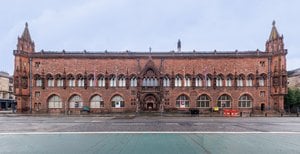 スコットランド国立肖像画館 |
Edinburgh | 1 | Thomas Hobbes, 1588 - 1679. Philosopher |
 Statens Museum For Kunst |
コペンハーゲン | 1 | Queen Christina |
 Skokloster Castle |
Skokloster | 1 | Per Brahe the Younger |
このページでは、1649年から1651年までのわずか3年間に制作されたDavid Beckの作品を年代別に分類しています。各年のハイライトはこちらです。
年を選択して作品を見る
リストのトップはスコットランド国立肖像画館, EdinburghのThomas Hobbes, 1588 - 1679. Philosopher (1650)です。それに続くのはQueen Christina (1651)、そしてChancellor of the Realm, Count Axel Oxenstierna (1649)です。
29歳。David Beckは1621に生まれ、Thomas Hobbes, 1588 - 1679. Philosopherは1650年の作品です。
Thomas Hobbes, 1588 - 1679. Philosopher, Queen Christina, Chancellor of the Realm, Count Axel Oxenstierna, Gustav Horn af Björneborg, 1592-1657, Johan Kasimir, 1589-1652, Count Palatine of Zweibrücken, Louis De Geer the Elder (1587 - 1652), Chancellor of the Realm, Count Axel Oxenstierna, Per Brahe the Younger, Movie Palace と MVSEVM。制作年および所蔵美術館については、上記のリストをご参照ください。
当カタログにはDavid Beckによる作品が13点あり、制作時期は1649から1651にわたります。
その多くはRoyal Armoury (Stockholm), National Portrait Gallery of Sweden (Strängnäs) と 国立美術館 (ストックホルム)で見ることができます。上記の美術館リストに詳細が記載されています。
1650は、他のどの時期よりも多くの作品が集中しています。このページにある全13点のうち6点がその時代の作品であり、そのうちThomas Hobbes, 1588 - 1679. Philosopher点が含まれます。
ここにある最も古い作品はChancellor of the Realm, Count Axel Oxenstierna (1649)、最新の作品はQueen Christina (1651)です。
Royal Armoury, StockholmにあるChancellor of the Realm, Count Axel Oxenstierna と Kristina, Queen of Swedenを含む2点の作品を、このページでご覧いただけます。
はい。このページに掲載されているすべての絵画は、お手持ちのスペースに合わせたサイズで、手描きの油彩複製画またはプリントとしてご購入いただけます。作品のページを開いてご注文ください。
In the golden era of Dutch portraiture, few names evoke as much wonder regarding technical prowess and sheer velocity as David Beck. Known to his contemporaries simply as Beek, this master of the seventeenth century possessed a rare, almost supernatural ability to translate the human soul onto canvas with breathtaking speed. Born in the illustrious city of Delft on May 25, 1621, Beck was a child of profound artistic lineage. He carried the intellectual weight of an uncle who was a celebrated poet from Arnhem, a connection that likely fostered his deep appreciation for the marriage of visual elegance and literary depth. Raised by a father who served as a schoolmaster, Beck’s early education was steeped in the disciplined observation required of a true master.
His formative years were defined by the mentorship of Michiel Jansz. van Mierevelt, a titan of Delft portraiture. Under Van Mierevelt’s tutelage, Beck mastered the intricate nuances of light and shadow, learning to capture not just the physical likeness of his subjects, but their very essence. This foundation allowed him to develop a style characterized by an unparalleled ability to seize fleeting expressions and movements. It was this remarkable efficiency that earned him legendary status; even Anthony van Dyck, one of the greatest painters of the age, famously remarked upon Beck's rapid execution, suggesting with playful awe that the artist could perhaps paint while riding post.
The trajectory of Beck’s career took a dramatic turn in 1640 when he traveled to London. His intention was to join the studio of Van Dyck as a pupil and assistant, a move that promised to place him at the very heart of European artistic innovation. However, fate intervened with tragic timing; shortly after his arrival, Van Dyck fell ill and passed away, leaving Beck to navigate the shifting political landscape of England on his own. Despite this loss, his talent was impossible to ignore. The English court, under Charles I, recognized his extraordinary "freedom of hand." In a moment that cemented his reputation among the elite, Charles I himself was so impressed by Beck's expeditious manner that he requested the artist teach drawing to his sons, including the future Charles II and James II.
As the tremors of the English Civil War reshaped the continent, Beck’s artistry became a vessel for diplomacy and prestige. He transitioned from the halls of London to the grand courts of Europe, eventually finding himself in the service of Queen Christina of Sweden. In 1647, he was appointed portrait painter and valet de chambre to the Queen in Stockholm. This period marked one of his most significant achievements, as he executed magnificent portraits of European sovereigns to adorn her royal gallery. His travels were not merely artistic but political, as Christina often utilized Beck’s presence on her tours through Europe to bolster her influence.
Beck's life was a whirlwind of movement, much like the brushstrokes that defined his work. His later years saw him navigating the complexities of the European courts, moving from Stockholm to Rome, and eventually following Queen Christina to France. His life was marked by near-miraculous resilience; during a period of illness in Germany, he was even thought to have died and prepared for burial, only to revive and return to his duties. Yet, the same intensity that fueled his creativity seemed to exhaust his physical form. His death at The Hague in 1656 remains shrouded in the shadows of history, with whispers of poisoning adding a layer of tragic mystery to his passing.
The historical significance of David Beck lies in his ability to bridge the gap between the meticulous traditions of the Dutch masters and the more fluid, expressive style of the Baroque era. His work stands as a testament to:
Today, when we look upon the portraits attributed to Beck, we do not merely see faces of the past; we see the captured energy of a man who lived and painted with a velocity that few could ever hope to match.


