

1



11月 2026 更新 · 当サイトの人気スコア(各作品の検索数、閲覧数、注文数)に基づくランキング · 6点の Alan Sutherlandの作品がカタログにあります
要約すると
Alan Sutherlandの作品として最も有名なものといえば、おそらくエディンバラのエディンバラ王立外科医学院に展示されているSir James Fraser (1924–1997), FRCSEd (1953), PRCSEd (1982–1985) (1992)でしょう。 Thomas Jaffrey McNair (1927–1994), FRCSEd (1955), PRCSEd (1985–1988) (1992)とProfessor Sir Robert Shields (1930–2008), FRCSEd (1959), PRCSEd (1994–1997) (1997)が、人々がすぐにそれと分かる3つの作品を完成させています。 Alan Sutherlandによる作品は、当カタログに6点あります。以下に、最もよく知られている6作品を、制作年、所蔵先、およびその特徴とともにご紹介します。


このページに掲載されている絵画を最も多く所蔵している 2 の美術館
| 美術館 | 所在都市 | Alan Sutherlandの作品 | このリストの絵画 |
|---|---|---|---|
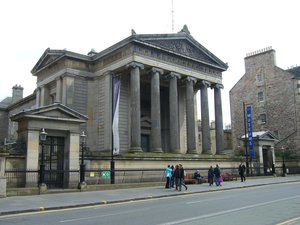 エディンバラ王立外科医学院 |
エディンバラ | 4 | Sir James Fraser (1924–1997), FRCSEd (1953), PRCSEd (1982–1985), Thomas Jaffrey McNair (1927–1994), FRCSEd (1955), PRCSEd (1985–1988), Professor Sir Robert Shields (1930–2008), FRCSEd (1959), PRCSEd (1994–1997) |
 Heriot-Watt University |
エディンバラ | 1 | Hugh Bryan Nisbet (1902–1969) |
10年間にわたる、1992年から2001年までの作品。これらがAlan Sutherlandの作品の全期間です。年ごとに辿ってみましょう。
年を選択して作品を見る
リストのトップはエディンバラ王立外科医学院, エディンバラのSir James Fraser (1924–1997), FRCSEd (1953), PRCSEd (1982–1985) (1992)です。それに続くのはThomas Jaffrey McNair (1927–1994), FRCSEd (1955), PRCSEd (1985–1988) (1992)、そしてProfessor Sir Robert Shields (1930–2008), FRCSEd (1959), PRCSEd (1994–1997) (1997)です。
当カタログにはAlan Sutherlandによる作品が6点あり、制作時期は1992から2001にわたります。
その多くはエディンバラ王立外科医学院 (エディンバラ) と Heriot-Watt University (エディンバラ)で見ることができます。上記の美術館リストに詳細が記載されています。
1992は、他のどの時期よりも多くの作品が集中しています。このページにある全6点のうち2点がその時代の作品であり、そのうちSir James Fraser (1924–1997), FRCSEd (1953), PRCSEd (1982–1985)点が含まれます。
ここにある最も古い作品はSir James Fraser (1924–1997), FRCSEd (1953), PRCSEd (1982–1985) (1992)、最新の作品はWilliam Alistair D'Arcy Adamson (1903–1966), FRCSEd (1931) (2001)です。
エディンバラ王立外科医学院, エディンバラにあるSir James Fraser (1924–1997), FRCSEd (1953), PRCSEd (1982–1985), Thomas Jaffrey McNair (1927–1994), FRCSEd (1955), PRCSEd (1985–1988) と Professor Sir Robert Shields (1930–2008), FRCSEd (1959), PRCSEd (1994–1997)を含む4点の作品を、このページでご覧いただけます。
The story of Alan Sutherland begins in the heat of Bombay, India, where he was born in 1931. His presence in that distant land was brief, for he spent only the first three years of his life there. Shortly after his third birthday, his parents made the decision to return to Scotland, settling in Edinburgh. This transition from the warmth of India to the cooler, more tempered climate of his homeland would shape the early years of his life and the perspective he eventually brought to his craft.
As he grew, Alan Sutherland received his education at Loretto School in Musselburgh. It was within these halls that his intellectual curiosity began to take root, providing a classical grounding that would support his later pursuits. His talent for visual expression appeared remarkably early; by the age of thirteen, he had already seen his first picture accepted for the Society of Scottish Artists. This early recognition suggested a natural inclination toward the arts that would only deepen with formal study.
His path led him toward the Edinburgh College of Art, where he sought to refine his innate abilities through disciplined training. He entered the college in 1952, immersing himself in the study of sculpture. By the time he graduated that same year, he had established the technical foundation necessary to pursue a professional career. This period of study transformed a youthful talent into a disciplined mastery of form, preparing him for the significant commissions that would follow in his later years.
As his reputation grew, Sutherland found himself called upon by a diverse array of notable figures who sought to capture their likeness through his hand. He moved through circles of influence, accepting commissions from individuals such as Quentin Crisp and Lord Cameron. His ability to translate character into form led to further work for Sir Conolly Abel Smith and Sir Nicholas Fairbairn QC. These encounters were more than mere business; they were the meetings of minds and personalities that shaped the direction of his career.
Perhaps the most significant moment in his professional life arrived with a commission of a most distinguished nature. He was tasked with executing a portrait of His Royal Highness Prince Philip, Duke of Edinburgh. The sittings for this work took place within the walls of Holyrood Palace, a setting that lent a certain gravity to the undertaking. This project required a steady hand and a deep understanding of the dignity required for such a subject, a challenge he met with quiet resolve.
His reach extended beyond private studies into the realm of public memory and institutional honor. He was entrusted with creating the Commando Memorial in Plymouth, a work that sought to honor the bravery of British Commandos during the Second World War. Through such monumental tasks, his work moved from the intimate space of the portrait studio to the open air of public commemoration.
Sutherland possessed a hand that sought the very truth of a subject through meticulous detail. He did not merely aim for a likeness; he pursued an atmospheric realism that sought to capture the weight of a moment and the spirit of the sitter. This devotion to precision required a disciplined approach to form, ensuring that every line and contour contributed to a sense of living presence. He looked backward to the classical sculpture traditions to understand the fundamental language of the human figure, yet he was never a prisoner to the past. Instead, he found a way to marry those ancient principles with the expressive potential of modern materials. He moved between the heavy permanence of stone and the fluid, enduring grace of bronze, choosing the medium that best served the character he intended to reveal.
His work often felt deeply rooted in the soil of his home, reflecting a profound connection to the Scottish Highlands. This bond was visible in the ruggedness and the quiet strength he imparted to his subjects, mirroring the landscape that shaped his sensibilities. There was a certain gravity in his approach, a sense that his sculptures were meant to endure alongside the history they commemorated. He sought to translate complex human narratives into visual forms that spoke of both individual dignity and a broader, collective memory.
The weight of history often found its form through his hands, most notably in the Commando Memorial in Plymouth. This work commemorates the bravery of British Commandos during the Second World War, translating their courage into a permanent visual presence. It remains a powerful example of how he could handle large-scale narratives, turning the memory of conflict into a physical reality that commands the space around it.
His skill in capturing the individual was frequently sought by the medical community in Edinburgh. Around 1992, he turned his attention to the likeness of Sir James Fraser, and during that same period, he completed a portrait of Thomas Jaffrey McNair. These studies of character continued into the following decade, as seen in his 1997 portrait of Professor Sir Robert Shields. Each piece sought to find the man behind the title, focusing on the quiet dignity of the subject.
As his career progressed, his ability to render specific personalities led to further significant commissions. In about 2001, he produced a portrait of William Alistair D'Arcy Adamson, a work that remains part of the collections held by The Royal College of Surgeons of Edinburgh. Through these various subjects, from soldiers to surgeons, he maintained a steady focus on the human presence and the legacy of those who shaped their era.