Alan Clutton-Brock: A Pioneer of British Landscape Painting
Alan Francis Clutton-Brock (8 October 1904 – 18 December 1976) was an English art critic and essayist whose profound understanding of British landscape painting profoundly shaped the artistic discourse of post-war Britain. Born in Weybridge, Surrey, he descended from a family steeped in artistic tradition—his father, Arthur Clutton-Brock, was himself a respected art historian—influencing his intellectual trajectory from a young age. Educated at Eton College and Cambridge University, where he studied at Westminster School of Art, Clutton-Brock embarked on a distinguished journalistic career culminating in his tenure as art critic for ‘The Times’ between 1945 and 1955. This role cemented his reputation as a formidable voice within the British cultural landscape.
- Early Life & Education: Clutton-Brock's formative years were marked by exposure to influential thinkers like Roger Fry, fostering an appreciation for modernist aesthetics and challenging conventional artistic perspectives.
- Career Highlights: His appointment as Slade Professor of Fine Art at Cambridge (1955–1958) represented a pivotal moment in his academic life, establishing him as a leading figure in British art education and scholarship.
- Literary Contributions: Beyond his critical writings, Clutton-Brock penned a captivating detective novel, *Murder at Liberty Hall*, demonstrating versatility beyond the realm of artistic analysis.
A Deep Engagement with Landscape Impressionism
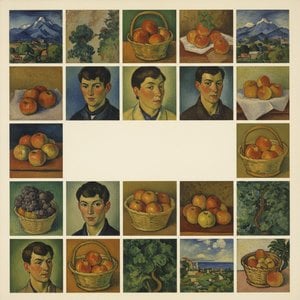
Clutton-Brock’s artistic vision was fundamentally rooted in the stylistic principles championed by John Constable—a connection that would define his oeuvre. He meticulously studied Constable's techniques, absorbing his masterful use of atmospheric perspective and capturing fleeting moments of natural beauty with remarkable sensitivity. This influence is palpable throughout his paintings, characterized by luminous color palettes and a deliberate avoidance of harsh outlines. His canvases strive to convey not merely visual representation but rather an emotional response to the grandeur and tranquility of the English countryside.
- Notable Paintings: Among his most celebrated works are ‘Christmas Roses,’ a serene depiction of winter flora bathed in soft light, and ‘At the Piano,’ which portrays domestic interiors with understated elegance. These paintings exemplify Clutton-Brock’s commitment to portraying everyday life imbued with artistic nuance.
- Technique & Style: Clutton-Brock employed a distinctive Impressionistic style—characterized by broken brushstrokes and subtle tonal gradations—to achieve his desired effects. He prioritized capturing the ephemeral qualities of light and color, mirroring Constable’s pioneering approach to landscape painting.
Influence & Legacy
Clutton-Brock's critical writings exerted considerable sway over subsequent generations of art historians and critics. His astute observations on artistic trends and his unwavering defense of modernist ideals contributed significantly to shaping the intellectual climate surrounding British art in the decades following World War II. Furthermore, his bequest of Chastleton House to the National Trust ensured that this historic estate would continue to inspire artists and scholars for years to come—a testament to Clutton-Brock’s enduring appreciation for both artistic creativity and cultural preservation.
Further Exploration
For a more comprehensive understanding of Alan Clutton-Brock's life and work, consult the Wikipedia article:
https://en.wikipedia.org/wiki/Alan_Clutton-Brock. Also explore his artistic output at Derbyshire Library:
/en/art/alan-francis-clutton-brock-christmas-roses-AQUMVP-en/ and discover ‘At the Piano’ at Derbyshire Library:
/en/art/alan-francis-clutton-brock-at-the-piano-AQUMTR-en/. Finally, delve into his literary contribution:
/en/articles/alan-clutton-brock-a-study-in-british-landscape-painting-atmospheric-realism-en/.