


選択した条件に基づいた画像: , .
 詳細を表示
詳細を表示
を注文する4つの簡単なステップ
ゆっくりとお選びください。回答はいつでも変更可能です。選択内容に応じて、注文カート内の価格が随時更新されます。
1 全4ステップ中のステップ1
On which medium should it be printed?
Canvas is printed with giclée inks and can be stretched or framed like a painting; paper comes flat, or framed behind glass.
2 4ステップ中の2番目
サイズをご選択ください。
これらのサイズは、原画の比率を維持しています。図は、高さ2メートルのソファの上の壁に、選択したサイズを配置した際のイメージです。
または、ご希望のサイズを指定する
作品のオリジナル比率に合わせた、当店の規定サイズからお選びください。

額縁や壁のスペースに合わせて、ご希望の幅と高さを入力してください。プリントはカットすることは可能ですが、元の画像より大きくすることはできないため、異なる比率のサイズを選択された場合は、画像の一部が欠けることになります。印刷を開始する前に、内容を確認していただくためのデジタルモックアップをお送りいたします。このページに表示されている画像は、実際のカット後の状態を示すものではありません。実際の仕上がりはモックアップにてご確認ください。
3 4ステップ中の3ステップ目
どのような状態での配送をご希望ですか:ロール状、キャンバス張り、または額装済み?
以下の価格は、ステップ1で選択されたサイズに基づいています。
キャンバスの側面仕上げを選択
フレームを選択

白の側面仕上げ ¥1

エッジぼかし仕上げ ¥1

回り込み仕上げ ¥1

P118B ¥10

P118H ¥10

P118W ¥10

P438Z ¥10

P508JH ¥12

P508YH ¥12

P805H ¥10

P805Z ¥10

P919BZ ¥10

P919G ¥10

P919XJ ¥10

P959ZH ¥10

P968JZ ¥12

W106C ¥8

W218G ¥10

W218JH ¥8

W218Y ¥10

W307PJ ¥10

W316G ¥10

W316PJ ¥8

W316Y ¥10

W398PJ ¥8

W4111J ¥10

W500HY ¥15

W500JH ¥15

W692G ¥12

W849H ¥8

W940BG ¥15

W953PJ ¥8

H24-GOLD ¥30

H24-SILVER ¥30

H36-GOLD ¥45

H36-SILVER ¥45
額装済み
額縁の形状: . 額縁を含む全体サイズ: .
4 4ステップ中、第4ステップ
仕上げのオプション(数種類)
すべて任意です。すでに選択されている回答に追加料金はかかりません。
世界中への配送()は、標準の4〜5週間ではなく、2週間でお届けいたします。(21 11月)
美術館にあるような、銘板(ネームプレート)を。
刻印入りブロンズプレートの詳細
This elegant plaque features the artist's name and the title of the artwork, finely engraved for a timeless presentation.
It is made from bronze with a refined, elegant finish. The text is precisely laser-engraved for a sharp and permanent result. Measuring 9x2 cm, the plaque is compact yet easy to read. It's built to be durable and scratch-resistant, offering a professional, museum-quality look. Mounting is simple thanks to the included adhesive backing.
透明アクリル銘板の詳細
The plaque includes essential engraved details such as the artist's name, the title of the artwork, the date it was created, the type of media used-like oil on canvas or watercolor-a brief description of the piece, and a QR code that links to the complete artwork information.
It is crafted from clear acrylic, offering a sleek, modern appearance. The text is UV-engraved in black to ensure strong visual contrast. With a size of 10x15 cm, it ensures optimal readability. It comes equipped with two metal hooks for secure wall mounting. The plaque is designed to be weather-resistant, making it suitable for various environments, and it includes interactive features that work seamlessly with smartphone scanning.
黒アクリル製銘板の詳細
This elegant plaque includes engraved information such as the artist's name, the title of the artwork, the date it was created, the type of media used (like oil on canvas or watercolor), a short description of the artwork, and a QR code for quick access to more information.
The plaque itself is made from refined black acrylic with a premium finish. The text is laser-engraved in white for high contrast and readability. Its size is 10x15 cm, designed to be easy to read. It comes with two metal hooks for professional mounting. The design is sleek and fits any interior style. It is also weather-resistant and durable, with built-in digital integration for mobile compatibility.
保護用ニスをご希望ですか?
お届け希望日をお選びください
✓ 内容を確認して注文する
Your print, as you ordered it

So called
再現技法
複製画サイズ一覧
-

複製画用フレーム
-
-
いずれかの辺が105 cm(約41インチ)を超えるアートワークまたは複製画の場合、フレームは分解されたキットの状態でお届けいたします。この方法は、輸送中の破損を防ぎ、安全に配送するために採用しております。
組み立てには専門知識が必要です(DIY用製品ではありません)。
本キットは、経験豊富なプロの額装師が、木工用ボンド(別売)、キャンバス用プライヤー、およびボンドの乾燥時に桟を直角に保持するためのクランプを使用して、組み立ておよびキャンバスの張り作業を行う必要があります。不適切な組み立てやキャンバスの張りの不均一は、作品に永久的な損傷を与える恐れがあり、弊社の保証対象外となります。
 いずれかの辺が105 cm(約41インチ)を超えるアートワークまたは複製画の場合、フレームは分解されたキットの状態でお届けいたします。この方法は、輸送中の破損を防ぎ、安全に配送するために採用しております。
すべての無垢材のパーツが含まれており、組み立てに最適なサイズに正確にカットされています。
付属のネジを使用し、角の接合部には別途木工用ボンドをご用意ください(ボンドは付属しておりません)。ボンドは額装業者様にてご手配をお願いいたします。
プロ仕様の道具が必要ですが、キットには含まれていません:キャンバス用ストレッチングプライヤー(テンショナー)、および接着剤が乾燥するまで木枠を直角に固定するためのクランプ。
重要:
コーナーの接合部には木工用ボンドが必要です。また、ボンドが完全に乾くまでクランプでバーを固定しておく必要があり、組み立てたフレームにキャンバスを張るにはキャンバス用ストレッチングプライヤーが必要となります。これらの道具はキットに含まれておりません。このサイズをご注文される前に、経験豊富なプロの額装師(フライマー)の手配をお願いいたします。

キャプション
-
-

保護用ワニス
光沢ワニス(色彩を鮮やかに引き立て、光や湿気から保護します)
-

お急ぎ便
通常4〜5週間かかる世界中への配送()を、今回は2週間でお届けします。(21 11月)
-
お急ぎ便
世界中への配送()は、約4〜5週間でお届けします。(28 11月)。
込み
合計金額
¥ 9881
ガラスオプションは、110cm未満のサイズでのみご利用いただけます。
すべての注文に同梱
- 世界中へ無料エクスプレス配送
- 高品質なリネンキャンバス
- 配送時完全保険付
- 関税・輸入税の払い戻し保証
- 真の色彩再現に関する保証
- 100日間返品保証(製造上の欠陥がある場合のみ)
- 100% 全額返金保証
- まとめ買い割引のご案内


The Echoes of the Arts and Crafts Movement
Within the walls of the Museum of Applied Arts in Budapest resides a fragment of Victorian eccentricity – a section of wallpaper, dubbed “So Called,” that offers a captivating glimpse into the world of Walter Crane and the burgeoning aesthetic sensibilities of late 19th-century Europe. More than just decorative surface, this vibrant panel is a testament to Crane’s mastery of color, pattern, and his deep engagement with the Arts and Crafts movement, a reaction against the perceived soullessness of industrialization and a fervent return to handcrafted beauty.
Crane, born in Liverpool in 1845, was a pivotal figure bridging the gap between traditional illustration and modern design. His early apprenticeship with William James Linton instilled within him a profound respect for wood-engraving – a painstaking process demanding meticulous observation and an understanding of line and texture. This foundation proved crucial as he evolved into a celebrated artist, producing not only intricate children’s books but also ambitious wallpaper designs that sought to infuse the domestic sphere with artistic merit. The “Peacock Garden” is a prime example of this ambition, showcasing Crane's ability to translate complex ideas – in this case, the revival of decorative arts – into a visually arresting and emotionally resonant surface.
A Symphony of Color and Form
The wallpaper’s design immediately commands attention. Bold peacock feathers dominate the composition, their iridescent blues, greens, and hints of gold cascading across a background of swirling floral motifs and geometric patterns. Crane's use of color is particularly noteworthy; it’s not merely decorative but imbued with a sense of movement and vitality. The layering of hues creates an illusion of depth, drawing the eye into the intricate details of each feather and blossom. The border itself, meticulously rendered in a contrasting palette, further enhances the overall impact, establishing a clear visual hierarchy that guides the viewer’s gaze.
Technically, Crane employed a sophisticated approach to pattern creation. The individual elements – the feathers, flowers, and geometric shapes – are not simply repeated identically; instead, they are subtly varied in scale, orientation, and color, generating a dynamic and engaging visual experience. This careful attention to detail speaks to Crane’s artistic rigor and his desire to elevate wallpaper from a mere functional element to a work of art.
A Window into Budapest's Artistic Soul
The story behind the “Peacock Garden” is as compelling as the design itself. It’s believed that Jenő Radisics, the Museum of Applied Arts’ director at the time, acquired the wallpaper in or around 1898, reflecting his admiration for Walter Crane and the English Arts & Crafts movement. Radisics's conviction that this movement represented a model for Hungarian applied arts is evident not only in his acquisition of the wallpaper but also in the museum’s subsequent exhibitions featuring Crane’s work. The small, windowless room where the wallpaper was originally installed – a director’s residence – further underscores its significance as a symbol of artistic patronage and cultural exchange.
The wallpaper's survival is a remarkable testament to the Museum’s dedication to preserving its collection. It offers a tangible link to a pivotal moment in Hungarian art history, demonstrating how European artistic trends were embraced and adapted within the local context. It also provides a fascinating insight into the personal tastes of a prominent cultural figure – Jenő Radisics – and his commitment to fostering a vibrant and innovative artistic environment.
Symbolism and Emotional Resonance
Beyond its aesthetic qualities, the “Peacock Garden” is rich in symbolism. The peacock itself has long been associated with beauty, pride, and immortality—a fitting emblem for a decorative surface designed to adorn a space of importance. The swirling floral motifs evoke notions of abundance, fertility, and the cyclical nature of life. The overall composition suggests a harmonious blend of natural and artificial elements, reflecting the Arts & Crafts movement’s desire to reconcile industrial production with handcrafted artistry.
Ultimately, “So Called” is more than just a wallpaper; it's an evocative work of art that captures the spirit of its time. It invites us to step into a world of vibrant color, intricate detail, and artistic aspiration—a window into the dreams of Walter Crane and the cultural landscape of Budapest at the turn of the 20th century.
Q&A
ウォルター・クレイン作「So called」の技法と制作年はいつですか?
「So called」は、1900年にAcrylic On Canvas技法を用いて制作されました。技法と制作年は、原画がどのような手法で、いつ描かれたかを示すものです。
「So called」のプリントは、どのような用途でのご利用がおすすめですか?
「So called」のプリントのおすすめの使い方は、Statementです。
「So called」において、素材と動きはどのように融合しているのでしょうか?
ウォルター・クレイン作「So called」は、Acrylic On Canvasの技法とArts and Craftsの様式を融合させた作品です。技法(テクニック)は制作手法を、様式(ムーブメント)はその作品のスタイルを表しています。
この絵画の詳細を見る
 設置イメージを表示
 手描き複製画を注文する
 シェアする
シェアする シェアする
シェアする
 詳細を見る
詳細を見る ガイドを表示

 ダウンロード
 似ている作品
 X線調査
X線調査 スライドショーを表示
 Q&A
Q&A 統計情報
統計情報関連作品


![Title Page [plate 1] — ウォルター・クレイン, Victorian Illustration](/media/artworks/images-thumb/70/a8/70a851d7c4bdf723720771564f322ccb.jpg)


ウォルター・クレイン
1845 - 1915, イギリス
作家プロフィール
幼年期と芸術的基盤
1845年8月15日、リバプールで生まれたウォルター・クレーンは、ヴィクトリア朝イングランドの芸術界に深く根ざした家庭環境の中で育ちました。彼の父、トーマス・クレーンは尊敬される肖像画家であり、ミニチュア画家でもあり、幼いウォルターに形式と細部への理解を早い段階から植え付けました。さらに、兄のトーマスもイラストレーションの世界に進み、芸術が単なる職業ではなく、生き方そのものである創造的な雰囲気を醸成しました。当初からクレーンの道は同様の軌跡を辿るよう運命づけられていたように見えましたが、彼はやがて勃興する英国美術界で独自のアイデンティティを確立することになります。彼の初期の訓練は油絵や水彩画ではなく、ウィリアム・ジェームズ・リントンの下での木版画という厳格な規律から始まりました。この厳しいプロセスは観察力を磨き、線、テクスチャ、構成に対する深い理解を培い、それが彼の独特なスタイルの特徴となるでしょう。プレラファエライト兄弟団の影響もまた、これらの形成期に深く感じられました。彼らの物語性へのコミットメント、鮮やかな色彩、細部へのこだわりは、クレーンの発達する美的感覚と共鳴しました。彼はジョン・ラスキンの熱心な生徒となり、ラスキンが提唱する職人技の重視や芸術を日常生活に統合するという理想は、彼の芸術哲学を数十年にわたって形作ることになります。開花するキャリア:イラストレーションとアーツ&クラフツ運動
クレーンの芸術的旅程は絵画、イラストレーション、装飾美術と驚くほど多様でした。しかし、彼が真に頭角を現したのは児童書イラストレーションの分野であり、ジャンルを今日の形にする上で重要な役割を果たしました。1865年にエドマンド・エヴァンスとのコラボレーションは特に実り多く、若い読者を魅了し、児童文学への期待を再定義する一連の美しくイラストされた本が生まれました。これらは単なる気まぐれな描写ではありませんでした。それらは複雑なディテール、鮮やかな色彩、そして目に見える想像力に満ちた丁寧に作られた芸術作品でした。クレーンのイラストレーションにおける反復的なモチーフは、「庭の中の子供」というテーマでした。これはヴィクトリア朝時代の英国児童文学を象徴する無邪気さと自然とのつながりのロマンチックなビジョンです。エヴァンスとの仕事を超えて、クレーンは彼の芸術的範囲を様々な装飾分野に広げ、セラミックタイルや壁紙などのデザインを作成し、アーツ&クラフツ運動の原則を反映しました。ラスキンの教えと完全に一致する芸術を日常生活に統合するというコミットメントは、この影響力のある美的運動におけるクレーンの地位を確固たるものにしました。主要な作品と芸術的スタイル
クレーンで最も有名な作品には、「W to Z by Walter Crane」、アルファベットのイラストを通して彼の芸術的な範囲を示す楽しいコレクション、若い少年の生活を描写し、微妙な社会評論を組み込んだ「The Sweep」、そして自然と子供時代の喜びの鮮やかな描写で「庭の中の子供」というモチーフを完璧に体現した「Summer」などがあります。これらの作品とともに数多くの他の作品は、クレーンの独特なスタイルを明らかにしています。それは細部へのこだわり、平坦な色彩、強いデザイン感覚、そしてエレガントなシンプルさが特徴です。彼は独自の視覚効果を実現するために木版画やリトグラフィー技術を頻繁に採用し、しばしば日本の要素を構成に取り入れました。ヴィクトリア朝イングランドで蔓延していたこのジャポニスムの影響は、大胆な輪郭線、簡略化された形、装飾的なパターンに見られます。- 彼の作品は美的美しさだけではなく、社会意識も込められていました。
- クレーンは芸術はエリートだけでなく、すべての人々にとってアクセス可能であるべきだと信じていました。
- 彼は積極的に自身の芸術的才能を社会主義の理想を促進し、社会改革を提唱するために活用しました。
遺産と永続的な影響
ウォルター・クレーンの遺産は彼の豊富な作品を超えて広がっています。彼は児童書イラストレーションのパイオニアとして正当に考えられており、ジャンルの発展を大きく形作り、より広範なアートの世界における独自の分野として確立しました。デザインと細部への重点はイラスト付き書籍の地位を高め、単純な教育ツールから貴重な芸術作品へと変えました。クレーンはランドルフ・カルデコットやケイト・グリーナウェイなど、何世代にもわたるアーティストやイラストレーターに影響を与え、彼らはイラスト付き児童書をさらに普及させ、品質と革新への彼のコミットメントを引き継ぎました。アーツ&クラフツ運動への貢献もまた重要でした。芸術を日常生活に統合し、より全体的なデザインアプローチを提唱しました。今日でもクレーンの作品は世界中の美術館で展示され、クリストス・ホスピタル博物館(英国ホーシャム)、大英博物館、ヴィクトリア&アルバート博物館などで展示されており、彼の永続的な芸術的影響の証となっています。ウォルター・クレーンは1915年3月14日に亡くなりました。彼は世界中の聴衆に共鳴し続ける豊かで多様な作品を残しました。関連記事

Walter Crane: Aestheticism, Socialism & the Evolution of British Decorative Art
Explore the life & work of Walter Crane, a pivotal figure in Aestheticism & the Arts & Crafts movement. Discover his socialist ideals, stunning illustrations, and lasting impact on British art & design.
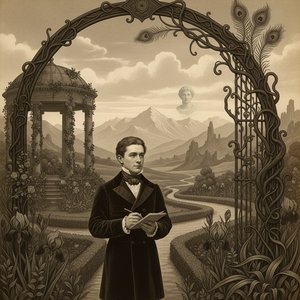
Francis Ferdinand Maurice Cook: A Study in Victorian Aestheticism & Landscape Evolution
Explore the captivating art of Sir Francis Ferdinand Maurice Cook – a British artist bridging Victorian traditions & Aestheticism. Discover his landscapes, collection history, and unique style. Expert analysis for collectors.

The Allure of Elegance in Art: A Historical & Aesthetic Exploration of Refined Beauty
Explore the history of elegance in art! Discover Rococo masterpieces & key artists. Expert insights for discerning collectors seeking investment-worthy artworks and custom reproductions at ArtsDot.