

 プレビュー
プレビュー
 プリントを購入
 シェアする
シェアする シェアする
シェアする
 詳細を見る
詳細を見る

 ダウンロード
 似ている作品
 X線調査
X線調査 スライドショー
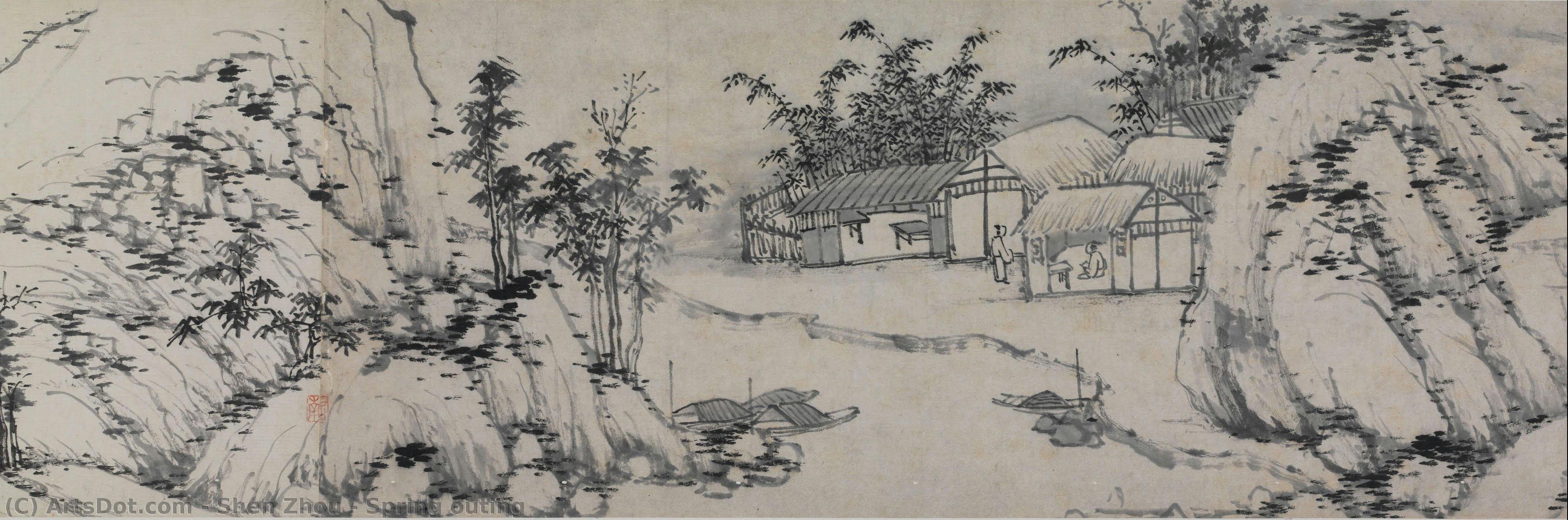
春行訪友圖
 キャンバスにアクリル絵具
- ウォールアート
- Chinese Landscape Painting
 356.0 x 34.0 cm
 香港藝術館
香港藝術館
 詳細を見る
詳細を見る




P118B $10

P118H $10

P118W $10

P438Z $10

P508JH $12

P508YH $12

P805H $10

P805Z $10

P919BZ $10

P919G $10

P919XJ $10

P959ZH $10

P968JZ $12

W106C $8

W218G $10

W218JH $8

W218Y $10

W307PJ $10

W316G $10

W316PJ $8

W316Y $10

W398PJ $8

W4111J $10

W500HY $15

W500JH $15

W692G $12

W849H $8

W940BG $15

W953PJ $8




作品のオリジナル比率に合わせた、当店の規定サイズからお選びください。

特定のフレームやスペースに合わせて、ご希望のサイズをご入力いただけます。選択されたサイズが元の画像の比率と異なる場合、アートワークをトリミングするか、手描きで要素を追加して絵画を拡張いたします。デジタルモックアップ を制作し、制作開始前にご確認(承認)をいただきます。
画面上のプレビューは、実際のトリミングや拡張を正確に反映しているものではありません。最終的な構図は、モックアップによってのみ正確にご確認いただけます。
カスタムサイズもご利用いただけますが、元の比率を維持するためには、あらかじめ用意されたリストからサイズを選択することをお勧めいたします。
ご注文後、ArtsDot.com チームより詳細な指示をお送りするとともに、仕上がりイメージ(モックアップ)をご提供いたします。


 ガラスオプションは、110cm未満のサイズでのみご利用いただけます。

春行訪友圖
複製技法
複製画のサイズ
-


合計金額
$ 288
作品解説
春行訪友圖:沈周の静寂と伝統の融合
この絵画は、宋代美術における四大家の一人である沈周(1427年生まれ)のスタイルを強く反映しており、特に彼の代表作「湖山風景図」に共通する要素が目に飛び込んでくる。画家は、豊かな経済力を持つ家族の中で育ち、官僚試験を受ける代わりに芸術に没頭することを決意した人物だ。彼はその後の人生において、仏教的な思想と芸術活動を両立させながら、静謐な生活を送った。この絵画は、彼の芸術的探求の軌跡を象徴していると言えるだろう。特に注目すべき点は、画家が取り入れた伝統的な技法と構成だ。彼は元代美術家たちの影響を受けつつも、独自の表現方法を見出し、宋代美術における新たな潮流を築いた。この絵画は単なる風景描写にとどまらず、当時の社会情勢や価値観を反映した作品である。沈周の芸術は、その繊細な筆致と色彩感覚によって、見る人に深い感動を与えることができる。彼の作品は、現代においても多くの人々から愛され続けている。- 主題: 山水風景
- スタイル: 中国伝統美術(特に呉派)
- 技法: 水墨画、長筆と細筆の組み合わせ、重ね塗りと滲み技法など
- 色彩: モノクロームで構成され、主に黒色のインクを使用。しかし、微妙な陰影表現のために、淡い灰色から濃い黒色まで幅広いトーンを効果的に用いている。
- 構成: 水墨画の伝統的な水平構図を採用し、遠近感を表現している。画面中央には建物と人物が配置され、左右には岩や山を描き込むことで奥行きのある風景を作り出している。
- 歴史的背景: 宋代は中国文化の中心であり、文学や芸術が繁栄した時代であった。沈周の作品は、当時の社会情勢や価値観を反映しており、特に仏教的な思想の影響を受けている。
- 象徴性: 山水風景は、自然の美しさや人間の精神性を表現するだけでなく、宇宙の調和や人生の営みを象徴する。沈周の絵画における岩や山は、堅実さと力強さを表しており、また建物と人物は、人間の活動や社会生活を反映している。
- 感情的効果: この絵画は見る人に静寂と安らぎを与え、心の奥底にある美しさを呼び起こすことができる。沈周の作品は、その繊細な筆致と色彩感覚によって、見る人に深い感動を与えることができる。
関連作品


アーティストの略歴
A Life Dedicated to Art and Contemplation
Shen Zhou, a name synonymous with the flourishing of scholar-artist ideals in Ming dynasty China, was born in 1427 near Suzhou into a family whose wealth stemmed from both land ownership and service as tax collectors. This fortunate circumstance afforded him an upbringing steeped in learning and cultural refinement, yet he consciously chose a path diverging from the conventional expectations of his social standing. Rather than pursuing official examinations and a career within the imperial bureaucracy, Shen Zhou dedicated himself to filial piety, caring for his widowed mother, Chang Su-wan. This decision wasn’t one of resignation but rather a deliberate embrace of a reclusive life centered on artistic pursuits, intellectual exchange, and quiet contemplation – a lifestyle that would profoundly shape both his art and legacy. He lived a long life, dying in 1509, witnessing significant shifts within the Chinese political and artistic landscape, and ultimately becoming a pivotal figure in defining a new aesthetic direction.The Rise of the Wu School and a Revivalist Spirit
Shen Zhou’s artistic development unfolded during a period of considerable transition in Chinese painting history. The relocation of the Ming capital from Nanjing to Beijing created a cultural distance, lessening the direct influence of imperial tastes and allowing for regional styles to flourish. It was within this environment that Shen Zhou emerged as the founder of the Wu School, based in Suzhou. This wasn’t merely a geographical designation; it represented a conscious revival of artistic principles championed by scholar-painters of the preceding Yuan dynasty. These artists viewed painting not as a profession or a means to courtly favor, but as an integral part of self-cultivation – a meditative practice reflecting one's inner world and understanding of the universe. The Wu School painters deliberately distanced themselves from the more formal, technically precise style favored by the Ming court, seeking instead a return to the expressive freedom and individualistic spirit of earlier masters.Mastering Tradition, Forging a Unique Style
Shen Zhou’s artistic foundations were deeply rooted in the legacy of Yuan dynasty painters like Wang Meng, Huang Gongwang, and Wu Zhen. He meticulously studied their techniques, absorbing their compositional strategies and brushwork nuances. However, he wasn't simply an imitator; he possessed a remarkable ability to synthesize these influences with his own innovative sensibilities. His landscapes are particularly celebrated for their meticulous detail, reflecting both a reverence for Chinese history and the philosophical underpinnings of Confucianism. He also became renowned for his distinctive “boneless” flower paintings – delicate renderings of blossoms and foliage achieved without strong outlines, echoing the ethereal quality found in the works of Yuan masters. This technique demanded exceptional control over ink wash and an intuitive understanding of form. Beyond technical skill, Shen Zhou’s work is characterized by a harmonious integration of painting, poetry, and calligraphy. He frequently collaborated with fellow artists, engaging in gatherings where these art forms intertwined, creating holistic expressions of artistic vision. The accompanying poems were not mere embellishments but integral components of the artwork itself, adding layers of meaning and emotional resonance.A Lasting Legacy: The Four Masters and Beyond
Shen Zhou’s impact on Chinese art history is immeasurable. His establishment of the Wu School fostered a new generation of scholar-artists who carried forward his ideals of artistic independence and expressive freedom. He is rightfully regarded as one of the “Four Masters of Ming,” alongside Wen Zhengming, Tang Yin, and Qiu Ying – a testament to his enduring influence and exceptional talent. His art continues to be studied and admired for its technical brilliance, profound philosophical depth, and embodiment of the scholar-artist ideal. Shen Zhou’s work represents not just a revival of past traditions but a vital contribution to the ongoing evolution of Chinese painting, shaping the course of Ming dynasty aesthetics and leaving an indelible mark on subsequent generations of artists. He remains a significant figure whose serene landscapes and delicate floral studies continue to captivate and inspire.
Shen Zhou
1427 - 1509 , China
基本情報
- Artistic Movement Or Style: Wu School
- Artists Or Movements Influenced By This Artist:
- Wen Zhengming
- Tang Yin
- Qiu Ying
- Wu School
- Artists Who Influenced This Artist:
- Wang Meng
- Huang Gongwang
- Wu Zhen
- Date Of Birth: 1427
- Date Of Death: 1509
- Full Name: Shen Zhou
- Nationality: Chinese
- Notable Artworks:
- Landscape with Four Pines
- Marsh Scene with Birds
- Autumn Colors among Streams…
- Place Of Birth: Xiangcheng, China
関連記事

The Beauty of Ink Wash: Discover Serene & Soulful Art for Your Home
Discover the tranquil beauty of ink wash painting. Explore how Sumi-e and monochrome landscapes bring Zen-inspired serenity and soulful elegance to your home decor through expert curation and timeless East Asian aesthetics.

Ephemeral Expressions: Exploring the Nuances of Ink on Paper Through History & Contemporary Art
Explore the captivating world of ink wash painting – from its ancient origins to contemporary masters. Discover techniques, symbolism & conservation insights with ArtsDot.com.

Beyond the Horizon: 10 Landscape Masterpieces for Your Home Decor
Journey through 10 breathtaking landscape paintings by Monet, Van Gogh & more! Explore iconic artworks, artistic techniques & find inspiration for your home decor. Museum-quality reproductions at ArtsDot.com. Discover all masterpieces on ArtsDot.com

葛飾北斎:25の傑作が語る浮世絵の世界 - ArtsDot
葛飾北斎の25選:『神奈川沖浪裏』や『富嶽三十六景』など、浮世絵の世界を深く探求。木版画の技法と日本美術の美をArtsDotで。高品質なアートプリントで空間に感動を。コレクションはこちら。

Xie Zhiliu: A Legacy of Ink Wash Painting & Modern Chinese Literati Tradition
Explore the legacy of Xie Zhiliu, a master of Chinese ink wash painting & prominent figure in modern art. Discover his techniques, influences, and contributions to literati tradition. A guide for discerning collectors.


