

 プレビュー
プレビュー
 シェアする
シェアする シェアする
シェアする
 詳細を見る
詳細を見る

 ダウンロード
 似ている作品
 X線調査
X線調査 スライドショー
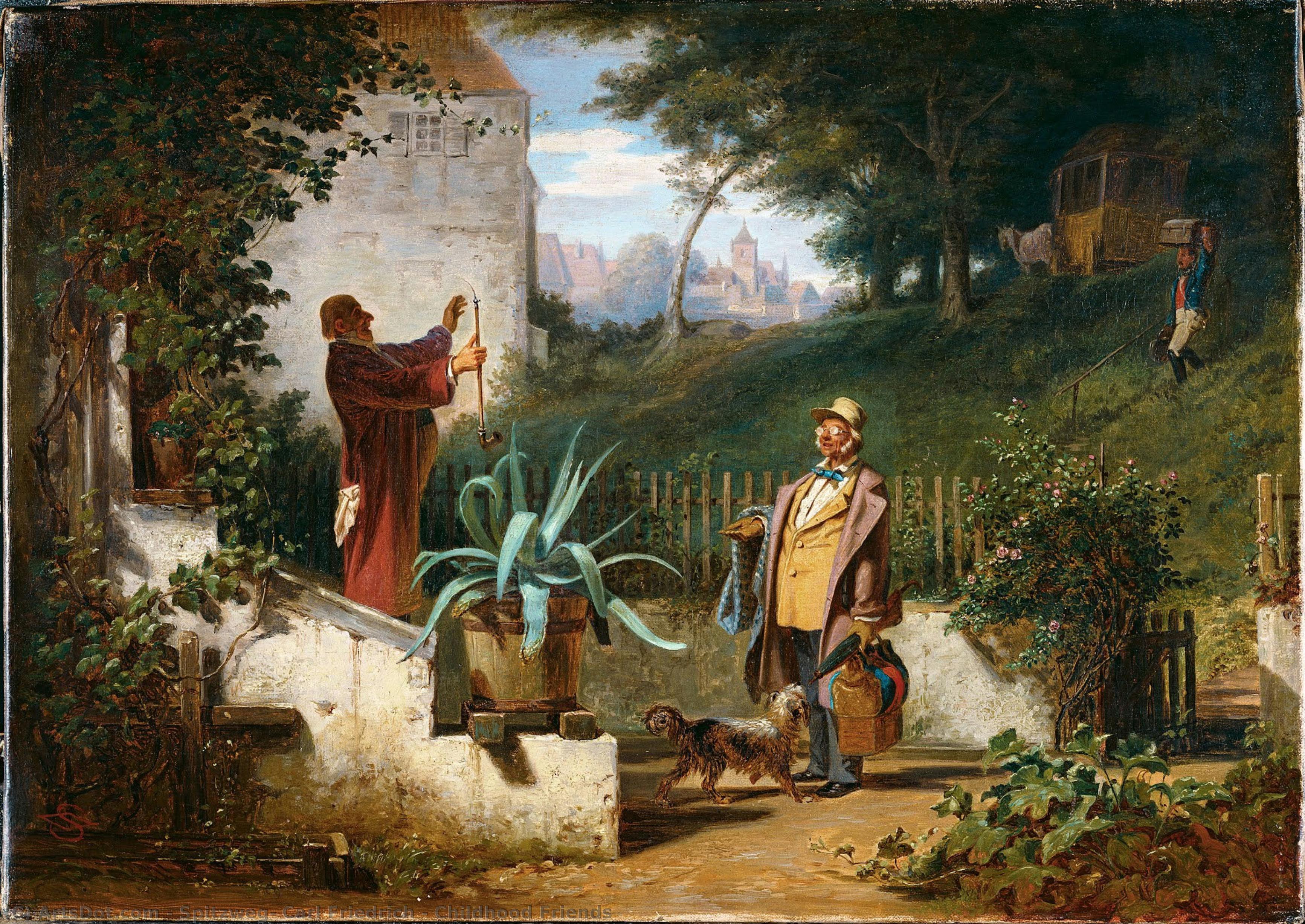
Childhood Friends
 Oil On Canvas
- WallArt
- Romanticism
 1855
1855 42.0 x 30.0 cm
 レンバッハハウス
 詳細を見る
詳細を見る
手描き油彩複製画
当社のアーティストが、お客様のご希望のサイズと額縁に合わせて、キャンバスに手描きで制作する油彩画です。 ( プリント版に切り替え 画像に切り替え)




P118B $10

P118H $10

P118W $10

P438Z $10

P508JH $12

P508YH $12

P805H $10

P805Z $10

P919BZ $10

P919G $10

P919XJ $10

P959ZH $10

P968JZ $12

W106C $8

W218G $10

W218JH $8

W218Y $10

W307PJ $10

W316G $10

W316PJ $8

W316Y $10

W398PJ $8

W4111J $10

W500HY $15

W500JH $15

W692G $12

W849H $8

W940BG $15

W953PJ $8




作品のオリジナル比率に合わせた、当店の規定サイズからお選びください。

特定のフレームやスペースに合わせて、ご希望のサイズをご入力いただけます。選択されたサイズが元の画像の比率と異なる場合、アートワークをトリミングするか、手描きで要素を追加して絵画を拡張いたします。デジタルモックアップ を制作し、制作開始前にご確認(承認)をいただきます。
画面上のプレビューは、実際のトリミングや拡張を正確に反映しているものではありません。最終的な構図は、モックアップによってのみ正確にご確認いただけます。
カスタムサイズもご利用いただけますが、元の比率を維持するためには、あらかじめ用意されたリストからサイズを選択することをお勧めいたします。
ご注文後、ArtsDot.com チームより詳細な指示をお送りするとともに、仕上がりイメージ(モックアップ)をご提供いたします。


 ガラスオプションは、110cm未満のサイズでのみご利用いただけます。

Childhood Friends
複製技法
複製画のサイズ
-


合計金額
$ 288
作品解説
A Moment of Quiet Contemplation: Carl Spitzweg's "Childhood Friends"
Carl Spitzweg’s “Childhood Friends,” painted in 1855, is more than just a depiction of two gentlemen engaged in conversation within a picturesque garden; it’s a poignant distillation of the Biedermeier aesthetic – a movement deeply rooted in capturing the quiet beauty and understated emotions of everyday life. This intimate scene, rendered with meticulous detail and imbued with a subtle sense of melancholy, offers a window into the sensibilities of 19th-century Germany, reflecting a desire for solace and connection amidst societal change.
Technical Mastery and Biedermeier Style
The artwork’s strength lies in Spitzweg's masterful technique. Executed in oil on canvas, “Childhood Friends” demonstrates a layered approach to building form and color, characteristic of the Biedermeier style. Visible brushstrokes contribute significantly to the texture, particularly evident in the richly rendered clothing – the clergyman’s robes display a complex interplay of light and shadow – and the weathered stonework of the distant cityscape. The artist skillfully employs atmospheric perspective, fading the background elements to create depth and draw the viewer's eye towards the central figures. The predominantly organic lines, mirroring the natural contours of the garden and its inhabitants, further enhance the painting’s sense of realism while maintaining a distinctly romantic sensibility. Spitzweg’s use of diffused lighting – suggesting an overcast day – adds to the scene’s contemplative mood.
Symbolism and Social Context
Beyond its technical brilliance, “Childhood Friends” is rich in symbolic potential. The clergyman, dressed in clerical robes, likely represents authority, perhaps even religious guidance or moral instruction – a common theme within Biedermeier art. The gentleman, engaged in conversation, embodies worldly pursuits and intellectual engagement. The dog at their feet adds an element of domesticity and companionship, reinforcing the painting’s focus on human connection. Painted during a period of significant social and political upheaval, this scene offers a quiet retreat from the anxieties of the era, reflecting the Biedermeier movement's desire for personal reflection and appreciation of simple pleasures.
A Legacy of Quiet Beauty
Measuring 42 x 30 cm, this reproduction captures the essence of Spitzweg’s artistic vision. Created in 1855, it stands as a testament to his skill and sensitivity, offering a glimpse into a bygone era. “Childhood Friends” is not merely a beautiful painting; it's an invitation to pause, reflect, and appreciate the quiet moments of connection that define human experience – a timeless theme expertly rendered by one of Germany’s most beloved Romantic artists.
関連作品


アーティストの略歴
early life and training
carl spitzweg, a renowned german romantic painter, was born in unterpfaffenhofen, near munich, bavaria, on february 5, 1808. he was the second of three sons to franziska (née schmutzer) and simon spitzweg, a wealthy merchant who had carl trained as a pharmacist.artistic career
spitzweg is considered one of the most important artists of the biedermeier era, a period characterized by its focus on the domestic and the everyday. he was self-taught as an artist, starting out by copying the works of flemish masters. his early contributions to satirical magazines marked the beginning of his artistic career.notable works
some of spitzweg's most notable works include:- the bookworm (1850), a humorous genre work that showcases his ability to capture the essence of everyday life.
- the hypochondriac (c. 1865, in the neue pinakothek, munich), a painting that exemplifies his skill in depicting sharply characterized eccentrics.
museums and collections
spitzweg's works can be found in various museums and collections, including:- the museum collection hugo fischer (bühl, germany), a remarkable collection of artworks that showcases the evolution of german and european painting from the 19th to the early 20th century.
- kunstsalon franke schenk (germany), an art dealership and gallery located in munich, germany, which presents works of art from the 16th to the 20th centuries, with a focus on german artists.
legacy
spitzweg's paintings inspired the musical comedy das kleine hofkonzert by edmund nick. he is buried in the alter südfriedhof in munich. view more of carl spitzweg's works on ArtsDot.com: [https://ArtsDot.com/@/spitzweg, carl friedrich](https://ArtsDot.com/@/spitzweg-carl-friedrich) explore german art and its rich history on wikipedia: [https://en.wikipedia.org/wiki/german_art](https://en.wikipedia.org/wiki/german_art)
spitzweg, carl friedrich
1808 - 1885 , Germany
基本情報
- Artistic Movement Or Style: Romanticism, Neoclassicism
- Artists Or Movements Influenced By This Artist:
- Picasso
- Dalí
- Artists Who Influenced This Artist:
- Tiepolo
- Mengs
- Date Of Birth: March 30, 1746
- Date Of Death: April 16, 1828
- Full Name: Francisco José de Goya y Lucientes
- Nationality: Spanish
- Notable Artworks:
- The Third of May, 1808
- Saturn Devouring His Son
- The Naked Maja
- Place Of Birth: Fuendetodos, Spain
関連記事

Cultivating Paradise: A Historical & Artistic Exploration of Gardens in Painting
Explore the rich history of gardens in painting! Discover masterpieces from Renaissance to Impressionism & beyond. Learn about symbolism, artists like Monet & Klimt, and find your perfect artwork at ArtsDot.

19th Century Masterpieces: 10 Paintings That Defined an Era | ArtsDot
Journey through 19th century art with ArtsDot! Explore 10 iconic paintings – from Monet & Renoir to Courbet – and discover the stories behind Romanticism, Realism & Impressionism. Find museum-quality reproductions for your home decor. Explore the full collection online!

The Enduring Legacy of Oil on Canvas: Technique, History & Aesthetic Impact
Explore the rich history & techniques of oil painting – from Renaissance masters to Impressionism. Discover pigments, layering methods, and why this timeless medium endures. Expert insights for artists & art enthusiasts.

Oil on Canvas: A Historical & Technical Exploration of a Timeless Artistic Medium
Explore the rich history & enduring techniques of oil painting on canvas. Discover the science behind its longevity, conservation practices, and contemporary relevance. Expert insights for art enthusiasts.

The Enduring Power of Painting: A Historical & Contemporary Exploration of Form and Emotion
Explore the rich history & enduring techniques of oil painting with ArtsDot. Discover masterpieces, learn about art collecting, and find authentic handmade reproductions crafted by skilled artists.

