


 プレビュー
プレビュー
 シェアする
シェアする シェアする
シェアする
 詳細を見る
詳細を見る ガイド
ガイド

 ダウンロード
 似ている作品
 X線調査
X線調査 スライドショー
 統計情報
統計情報アゲネス・ミヤカワ


 詳細を見る
詳細を見る
手描き油彩複製画
当社のアーティストが、お客様のご希望のサイズと額縁に合わせて、キャンバスに手描きで制作する油彩画です。 ( プリント版に切り替え デジタル画像販売へ切り替え)




P118B $10

P118H $10

P118W $10

P438Z $10

P508JH $12

P508YH $12

P805H $10

P805Z $10

P919BZ $10

P919G $10

P919XJ $10

P959ZH $10

P968JZ $12

W106C $8

W218G $10

W218JH $8

W218Y $10

W307PJ $10

W316G $10

W316PJ $8

W316Y $10

W398PJ $8

W4111J $10

W500HY $15

W500JH $15

W692G $12

W849H $8

W940BG $15

W953PJ $8




作品のオリジナル比率に合わせた、当店の規定サイズからお選びください。

特定のフレームやスペースに合わせて、ご希望のサイズをご入力いただけます。選択されたサイズが元の画像の比率と異なる場合、アートワークをトリミングするか、手描きで要素を追加して絵画を拡張いたします。デジタルモックアップ を制作し、制作開始前にご確認(承認)をいただきます。
画面上のプレビューは、実際のトリミングや拡張を正確に反映しているものではありません。最終的な構図は、モックアップによってのみ正確にご確認いただけます。
カスタムサイズもご利用いただけますが、元の比率を維持するためには、あらかじめ用意されたリストからサイズを選択することをお勧めいたします。
ご注文後、ArtsDot.com チームより詳細な指示をお送りするとともに、仕上がりイメージ(モックアップ)をご提供いたします。


 ガラスオプションは、110cm未満のサイズでのみご利用いただけます。

アゲネス・ミヤカワ
複製技法
複製画のサイズ
-


合計金額
$ 263
アガネス・ミヤカワ - アルバン・マリア・ヨハネス・ベルク 作品解説
アガネス・ミヤカワは、サクラメントのジャパantown出身のオペラ歌手でありながら、パリで歌唱を学ぶために家を出ました。1931年に彼女はオペラ・コメックでデビューを果たし、マドモアゼル・バトゥットのオペラにおけるシオ・シオ・サン役において、批評家と観客の両方から絶賛されました。彼女は日本やロサンゼルスなどで演奏を続けました。また映画出演やラジオ番組にも出演しました。この作品は、アルバン・マリア・ヨハネス・ベルクによる黒白写真であり、約1931年に撮影されたもので、スタジオ設定で主題の顔と上半身に焦点が当てられています。画像にはクラシックな雰囲気があり、初期の音楽写真の特徴的な色合いがあります。 背景はぼやけており、主題を際立たせるように設計されています。ベルクの作品は、オペラにおけるシオ・シオ・サン役で国際的に有名なイタリア人歌手でありました。彼女はフランスで歌唱を学びました。この作品は、音楽家アルバン・マリア・ヨハネス・ベルクが作曲した黒白写真です。彼は音楽理論と対位法をアーヴォルド・シュホエンバーグのもとで学びました。彼の音楽スタイルは、ロマン主義的な抒情性と十二音技法の組み合わせでした。彼の作品は比較的少ないものの、20世紀の音楽において最も重要な作曲家の一人として記憶されています。彼は「人間の価値観」をより多く取り入れた十二音技法に貢献しました。彼の音楽はシュホエンバークの音楽よりも感情豊かであります。ベルクは音楽理論と対位法をアーヴォルド・シュホエンバーグのもとで学びました。彼の音楽スタイルは、ロマン主義的な抒情性と十二音技法の組み合わせでした。彼は「人間の価値観」をより多く取り入れた十二音技法に貢献しました。彼の音楽はシュホエンバークの音楽よりも感情豊かであります。ベルクは音楽理論と対位法をアーヴォルド・シュホエンバーグのもとで学びました。彼の音楽スタイルは、ロマン主義的な抒情性と十二音技法の組み合わせでした。彼は「人間の価値観」をより多く取り入れた十二音技法に貢献しました。彼の音楽はシュホエンバークの音楽よりも感情豊かであります。ベルクは音楽理論と対位法をアーヴォルド・シュホエンバーグのもとで学びました。彼の音楽スタイルは、ロマン主義的な抒情性と十二音技法の組み合わせでした。彼は「人間の価値観」をより多く取り入れた十二音技法に貢献しました。彼の音楽はシュホエンバークの音楽よりも感情豊かであります。ベルクは音楽理論と対位法をアーヴォルド・シュホエンバーグのもとで学びました。彼の音楽スタイルは、ロマン主義的な抒情性と十二音技法の組み合わせでした。彼は「人間の価値観」をより多く取り入れた十二音技法に貢献しました。彼の音楽はシュホエンバークの音楽よりも感情豊かであります。ベルクは音楽理論と対位法をアーヴォルド・シュホエンバーグのもとで学びました。彼の音楽スタイルは、ロマン主義的な抒情性と十二音技法の組み合わせでした。彼は「人間の価値観」をより多く取り入れた十二音技法に貢献しました。彼の音楽はシュホエンバークの音楽よりも感情豊かであります。ベルクは音楽理論と対位法をアーヴォルド・シュホエンバーグのもとで学びました。彼の音楽スタイルは、ロマン主義的な抒情性と十二音技法の組み合わせでした。彼は「人間の価値観」をより多く取り入れた十二音技法に貢献しました。彼の音楽はシュホエンバークの音楽よりも感情豊かであります。ベルクは音楽理論と対位法をアーヴォルド・シュホエンバーグのもとで学びました。彼の音楽スタイルは、ロマン主義的な抒情性と十二音技法の組み合わせでした。彼は「人間の価値観」をより多く取り入れた十二音技法に貢献しました。彼の音楽はシュホエンバークの音楽よりも感情豊かであります。ベルクは音楽理論と対位法をアーヴォルド・シュホエンバーグのもとで学びました。彼の音楽スタイルは、ロマン主義的な抒情性と十二音技法の組み合わせでした。彼は「人間の価値観」をより多く取り入れた十二音技法に貢献しました。彼の音楽はシュホエンバークの音楽よりも感情豊かであります。ベルクは音楽理論と対位法をアーヴォルド・シュホエンバーグのもとで学びました。彼の音楽スタイルは、ロマン主義的な抒情性と十二音技法の組み合わせでした。彼は「人間の価値観」をより多く取り入れた十二音技法に貢献しました。彼の音楽はシュホエンバークの音楽よりも感情豊かであります。ベルクは音楽理論と対位法をアーヴォルド・シュホエンバーグのもとで学びました。彼の音楽スタイルは、ロマン主義的な抒情性と十二音技法の組み合わせでした。彼は「人間の価値観」をより多く取り入れた十二音技法に貢献しました。彼の音楽はシュホエンバークの音楽よりも感情豊かであります。ベルクは音楽理論と対位法をアーヴォルド・シュホエンバーグのもとで学びました。彼の音楽スタイルは、ロマン主義的な抒情性と十二音技法の組み合わせでした。彼は「人間の価値観」をより多く取り入れた十二音技法に貢献しました。彼の音楽はシュホエンバークの音楽よりも感情豊かであります。ベルクは音楽理論と対位法をアーヴォルド・シュホエンバーグのもとで学びました。彼の音楽スタイルは、ロマン主義的な抒情性と十二音技法の組み合わせでした。彼は「人間の価値観」をより多く取り入れた十二音技法に貢献しました。彼の音楽はシュホエンバークの音楽よりも感情豊かであります。ベルクは音楽理論と対位法をアーヴォルド・シュホエンバーグのもとで学びました。彼の音楽スタイルは、ロマン主義的な抒情性と十二音技法の組み合わせでした。彼は「人間の価値観」をより多く取り入れた十二音技法に貢献しました。彼の音楽はシュホエンバークの音楽よりも感情豊かであります。ベルクは音楽理論と対位法をアーヴォルド・シュホエンバーグのもとで学びました。彼の音楽スタイルは、ロマン主義的な抒情性と十二音技法の組み合わせでした。彼は「人間の価値観」をより多く取り入れた十二音技法に貢献しました。彼の音楽はシュホエンバークの音楽よりも感情豊かであります。ベルクは音楽理論と対位法をアーヴォルド・シュホエンバーグのもとで学びました。彼の音楽スタイルは、ロマン主義的な抒情性と十二音技法の組み合わせでした。彼は「人間の価値観」をより多く取り入れた十二音技法に貢献しました。彼の音楽はシュホエンバークの音楽よりも感情豊かであります。ベルクは音楽理論と対位法をアーヴォルド・シュホエンバーグのもとで学びました。彼の音楽スタイルは、ロマン主義的な抒情性と十二音技法の組み合わせでした。彼は「人間の価値観」をより多く取り入れた十二音技法に貢献しました。彼の音楽はシュホエンバークの音楽よりも感情豊かであります。ベルクは音楽理論と対位法をアーヴォルド・シュホエンバーグのもとで学びました。彼の音楽スタイルは、ロマン主義的な抒情性と十二音技法の組み合わせでした。彼は「人間の価値観」をより多く取り入れた十二音技法に貢献しました。彼の音楽はシュホエンバークの音楽よりも感情豊かであります。ベルクは音楽理論と対位法をアーヴォルド・シュホエンバーグのもとで学びました。彼の音楽スタイルは、ロマン主義的な抒情性と十二音技法の組み合わせでした。彼は「人間の価値観」をより多く取り入れた十二音技法に貢献しました。彼の音楽はシュホエンバークの音楽よりも感情豊かであります。ベルクは音楽理論と対位法をアーヴォルド・シュホエンバーグのもとで学びました。彼の音楽スタイルは、ロマン主義的な抒情性と十二音技法の組み合わせでした。彼は「人間の価値観」をより多く取り入れた十二音技法に貢献しました。彼の音楽はシュホエンバークの音楽よりも感情豊かであります。ベルクは音楽理論と対位法をアーヴォルド・シュホエンバーグのもとで学びました。彼の音楽スタイルは、ロマン主義的な抒情性と十二音技法の組み合わせでした。彼は「人間の価値観」をより多く取り入れた十二音技法に貢献しました。彼の音楽はシュホエンバークの音楽よりも感情豊かであります。ベルクは音楽理論と対位法を関連作品


アーティストの略歴
A Life Immersed in Sound and Emotion
Alban Maria Johannes Berg, born February 9, 1885, in Vienna, Austria, was a composer whose relatively brief life yielded a body of work that profoundly reshaped the landscape of 20th-century music. Though initially drawn to literature, a path he seriously considered pursuing, Berg’s destiny lay within the realm of sound. His father, Konrad Berg, managed a successful export business, providing a comfortable upbringing that allowed for early musical exploration – though largely self-directed at first. He began composing at fifteen, receiving piano lessons from his sister's governess, but it was a pivotal encounter in 1904 with Arnold Schoenberg that irrevocably altered the course of his artistic development. This mentorship wasn’t merely instructional; it was an immersion into a new musical language, one built on principles of developing variation and, later, the revolutionary twelve-tone technique. A complex personal life unfolded alongside his burgeoning career, including the birth of a daughter, Albine, in 1902 to Marie Scheuchl, a family maid – a circumstance that speaks to the societal complexities of the time. In 1911 he married Helene Nahowski, a union that brought both joy and social challenges.Forging a Unique Musical Voice
Berg’s genius wasn't in simply adopting Schoenberg’s innovations but in *transforming* them. He didn’t merely apply the twelve-tone technique as an intellectual exercise; he infused it with a deeply Romantic sensibility, a lyrical expressiveness that distinguished his work from that of his mentor and fellow Second Viennese School member, Anton Webern. His early compositions – five drafts for piano sonatas and a collection of songs including the evocative *Seven Early Songs* (first publicly performed in 1907) – already hinted at this unique blend. The Piano Sonata, Op. 1, completed around 1908-1909, stands as a remarkably mature debut, demonstrating an astonishing mastery of musical structure and foreshadowing the emotional depth that would characterize his later works. Berg wasn’t isolated in his artistic pursuits; he thrived within Vienna's vibrant cultural circle, associating with figures like Alexander von Zemlinsky, the iconic Gustav Klimt, and the incisive writer Karl Kraus. These interactions undoubtedly enriched his perspective and fueled his creative fire. He absorbed influences from Mahler and Wagner, retaining a connection to the Romantic tradition even as he ventured into atonality.Landmark Operas and Chamber Masterpieces
Berg’s most enduring legacy lies in his operas and chamber works. *Wozzeck* (1924), a landmark achievement of 20th-century opera, is a harrowing portrayal of a soldier exploited and driven to despair. Its fragmented scenes, dissonant harmonies, and intensely psychological characterizations broke with operatic conventions and established Berg as a major force in the genre. The *Lyric Suite* (1926), a chamber work for string sextet, showcases his ability to distill profound emotions into concise forms, revealing layers of meaning through subtle motivic development. The Violin Concerto (1935), dedicated to Louis Krasner, is a fascinating synthesis of twelve-tone technique and tonal references, incorporating elements of Bach chorales and Carinthian folk songs – a testament to Berg’s ability to bridge seemingly disparate musical worlds. Perhaps his most ambitious undertaking was *Lulu*, an opera exploring themes of sexuality, power, and societal corruption. Tragically unfinished at his death in 1935, it was later completed by Friedrich Cerha, allowing audiences to experience the full scope of Berg’s vision. The Chamber Concerto (1925) further exemplifies his skill in weaving diverse musical elements into a cohesive and emotionally resonant whole.A Lasting Impact on Modern Music
Alban Berg's untimely death on December 24, 1935, from sepsis following an insect bite robbed the world of a composer at the height of his powers. Yet, despite his relatively short life, he left behind a musical legacy that continues to resonate today. He profoundly influenced the development of modern music, demonstrating the expressive potential of atonality and twelve-tone techniques while simultaneously retaining a commitment to emotional depth and humanism. As a key member of the Second Viennese School, alongside Schoenberg and Webern, Berg contributed to a revolutionary shift in musical aesthetics. His operas, particularly *Wozzeck* and *Lulu*, remain staples of the operatic repertoire, frequently performed worldwide and captivating audiences with their dramatic intensity and psychological insight. His works are not merely studied by musicologists; they continue to inspire composers seeking new ways to express complex emotions through innovative musical structures. Theodor W. Adorno’s observation – that Berg believed “everything was supposed to develop out of something else and yet be intrinsically different” – encapsulates the essence of his compositional philosophy, a principle that continues to guide musicians today. Berg's music stands as a powerful testament to the enduring power of artistic expression in a rapidly changing world.
Alban Maria Johannes Berg
1885 - 1935 , Austria
基本情報
- Artistic Movement Or Style: Expressionism, Atonal music
- Artists Or Movements Influenced By This Artist:
- Modern music
- Second Viennese School
- Artists Who Influenced This Artist:
- Arnold Schoenberg
- Mahler
- Wagner
- Date Of Birth: February 9, 1885
- Date Of Death: December 24, 1935
- Full Name: Alban Maria Johannes Berg
- Nationality: Austrian
- Notable Artworks:
- Wozzeck
- Lulu
- Lyric Suite
- Violin Concerto
- Place Of Birth: Vienna, Austria
関連記事

Beyond the Lens: Photography's Enduring Influence on Modern & Contemporary Art
Explore photography's pivotal role in shaping modern & contemporary art. Discover key movements, influential artists like Stieglitz, and expert collecting advice from ArtsDot.

White on Canvas: 10 Masterpieces & Timeless Elegance for Your Home Decor
Explore 10 iconic white paintings by Monet, Whistler & Rothko! Discover the stories behind these serene masterpieces and their impact on art history. Find museum-quality reproductions for your home decor at .

Monochrome Visions: Exploring the Aesthetic & Historical Significance of Black & White Photography
Explore the rich history & artistic power of black and white photography. From early techniques to iconic masters like Ansel Adams, discover why monochrome continues to captivate art lovers today. Expert insights for collectors.
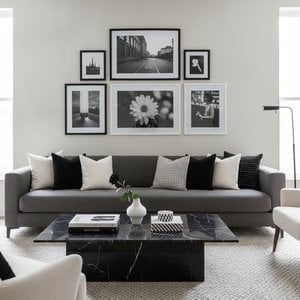
Timeless & Chic: Elevating Your New Home with the Sophistication of Black and White Photography
Transform your new home with the timeless allure of black and white photography. ArtsDot.com specializes in elegant monochrome decor and custom hand-painted wedding portraits that turn cherished milestones into lasting, soulful masterpieces. Elevate your space with ease.

Dark Masterpieces: 10 Iconic Paintings Dominated by Black Tones |
Explore 10 iconic paintings dominated by black tones, from Rembrandt’s chiaroscuro to Goya's dark expressions. Discover the stories behind these masterpieces & find museum-quality art reproductions for your home at .
