
- ホーム

- キャンバスプリント用
- パウル・クレー
- Six species

 手描き複製画を注文する
 シェアする
シェアする シェアする
シェアする
 詳細を見る
詳細を見る

 ダウンロード
 似ている作品
 X線調査
X線調査 スライドショー
Six species


 詳細を見る
詳細を見る




P118B $10

P118H $10

P118W $10

P438Z $10

P508JH $12

P508YH $12

P805H $10

P805Z $10

P919BZ $10

P919G $10

P919XJ $10

P959ZH $10

P968JZ $12

W106C $8

W218G $10

W218JH $8

W218Y $10

W307PJ $10

W316G $10

W316PJ $8

W316Y $10

W398PJ $8

W4111J $10

W500HY $15

W500JH $15

W692G $12

W849H $8

W940BG $15

W953PJ $8




作品のオリジナル比率に合わせた、当店の規定サイズからお選びください。

特定のフレームやスペースに合わせて、ご自身でサイズを指定することも可能です。選択されたサイズが元の画像の比率と一致しない場合、作品をトリミングするか、鏡面反射または単色での塗りつぶしによって画像を拡張いたします。制作を開始する前に、ご確認用のデジタルモックアップをお送りいたします。
画面上のプレビューには、実際のトリミングや拡張は反映されませんのでご注意ください。最終的な構図を正確に確認できるのは、モックアップのみとなります。
カスタムサイズも承っておりますが、元の比率を維持するためには、あらかじめ用意されたリストからサイズを選択することをお勧めいたします。


 ガラスオプションは、110cm未満のサイズでのみご利用いただけます。

Six species
ジークレー/アートプリント
複製画のサイズ
-


合計金額
-
作品詳細説明
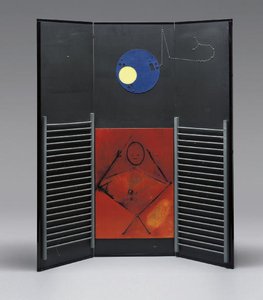
The Enigmatic World of “Six Species” by Paul Klee
Paul Klee’s “Six Species,” painted in 1921 during a period of intense experimentation and exploration within his artistic practice, is far more than a simple depiction of abstract forms. It's a visual poem, a meditation on the relationship between nature, humanity, and the subconscious – a key that unlocks much of Klee’s unique and profoundly affecting oeuvre. Created in the wake of his time in Tunisia, where he was deeply influenced by the vibrant colors and rhythms of North African life, the painting embodies a shift towards greater abstraction while retaining the artist's characteristic blend of childlike wonder and intellectual rigor.
The composition itself is deceptively simple. Six distinct shapes – squares, triangles, circles, and more complex geometric arrangements – dominate the canvas. Each element is rendered in muted tones: browns, reds, blues, and greys, applied with Klee’s signature layering technique, creating a sense of depth and luminosity. These aren't meticulously defined forms; rather, they possess an inherent ambiguity, inviting the viewer to project their own interpretations onto them. They resemble stylized creatures, fragments of landscapes, or perhaps even symbolic representations of human emotions – deliberately open to multiple readings.
A Surrealist Exploration & Bauhaus Roots
While often categorized alongside Surrealism due to its dreamlike quality and departure from strict realism, “Six Species” is firmly rooted in Klee’s broader artistic development. The influence of the Bauhaus movement, which he taught at during this period, is evident in his emphasis on form, color theory, and the integration of art with design. Klee was deeply interested in exploring the relationship between music and visual art; he often described painting as a kind of musical arrangement, carefully balancing elements to create a harmonious whole. This compositional sensibility is clearly reflected in the balanced yet dynamic arrangement of the shapes within “Six Species.”
The painting’s creation coincided with Klee's exploration of automatism – a technique where artists attempt to bypass conscious control and allow their subconscious to guide the creative process. This approach, combined with his fascination with mythology and folklore, fueled his desire to create images that were both familiar and utterly strange. The forms in “Six Species” possess an almost primitive quality, reminiscent of ancient symbols and tribal art – a deliberate nod to the universal language of imagery.
Decoding Symbolism & Emotional Resonance
The precise meaning of each shape remains deliberately elusive, contributing significantly to the painting’s enduring appeal. Some scholars suggest that they represent different aspects of human experience—perhaps joy, sorrow, curiosity, or even the fundamental forces of nature. The central circle, with its radiating lines, could be interpreted as a symbol of life itself, constantly expanding and evolving. The triangles might evoke mountains or ancient structures, while the squares could represent stability or confinement.
Beyond specific interpretations, “Six Species” evokes a profound sense of mystery and wonder. The muted color palette creates an atmosphere of quiet contemplation, inviting viewers to lose themselves in the painting’s intricate details. Klee's masterful use of layering and transparency imbues the work with a dreamlike quality, suggesting that we are glimpsing something beyond our everyday perception – a hidden world of symbols and emotions.
A Timeless Masterpiece: Reproduction & Display
ArtsDot is proud to offer meticulously hand-painted reproductions of Paul Klee’s “Six Species,” capturing the essence of this iconic work with unparalleled fidelity. Our artists recreate Klee's delicate layering, nuanced color palette, and characteristic brushwork, ensuring that your reproduction will be a stunning addition to any art collection or interior space.
Whether displayed in a gallery, a study, or a living room, “Six Species” will serve as a constant source of inspiration and contemplation. Consider framing the artwork within a simple, elegant frame to allow its intricate details to shine through, or opt for a museum-quality canvas wrap for a more contemporary look. Let this enigmatic masterpiece transport you to the world of Paul Klee – a world where art is both a reflection of our inner selves and a window into the mysteries of the universe.
関連作品




アーティストの略歴
パウル・クレー:色彩と形が生み出す夢幻の世界
パウル・クレー。その名は、遊び心溢れる抽象表現と深遠な感情の交錯を象徴する存在として、20世紀美術史に燦然と輝いています。1879年12月18日、スイスのミュンヘンブッシュゼーで生まれ、彼の芸術的遍歴は、常に探求を続け、表現主義、立方主義、シュルレアリスムといった様々な潮流の影響を受けつつも、独自の視覚言語を構築していくものでした。音楽教師である父と歌手の母のもとに育まれた幼少期からの芸術への親しみは、彼の作品に色彩と音の調和をもたらす基盤となり、絵画を単なる再現ではなく、感情や思想を抽象的に表現する手段として捉えることへと繋がっていきます。ミュンヒェンの美術アカデミーでの学びを通して、彼は写実的な表現の限界を見抜き、内面世界への扉を開くべく、独自の芸術的探求を開始したのです。初期の試行錯誤と北アフリカ体験
クレーの初期作品には、アール・ヌーヴォーや象徴主義の影響が見られますが、その中でも既に彼の未来的なスタイルを予感させる要素が垣間見えます。1914年のチュニジアへの旅は、彼の芸術的発展における転換点となりました。北アフリカの強烈な光と鮮やかな色彩は、彼に抑制された色調から大胆で表現豊かなパレットへと移行する勇気を与えました。この経験を通して、彼は単なる表面的な模倣ではなく、知覚の本質を捉えるための抽象化へのコミットメントを深めていったのです。クレーにとって、チュニジアとは、単に風景を描写する対象ではなく、感情の共鳴を視覚的形態へと翻訳する媒体だったと言えるでしょう。彼は様々な芸術運動と関わりながらも、決して特定のイデオロギーに囚われることなく、独自の道を歩み続けました。音楽との深い結びつきは、彼の作品における構成のアプローチだけでなく、芸術を音響的な配置と同様の抽象表現の一形態として捉える理論的理解にも影響を与えました。バウハウス時代:創造性の花開く園
1921年から1933年にかけて、クレーはヴァルター・グロピウスによって招聘され、ドイツのバウハウスで教鞭を執るという輝かしい時期を迎えます。この期間は、彼の芸術的発展において極めて重要なものでした。革新的な思想家や芸術家たちに囲まれた環境の中で、彼は色彩理論と形式の関係性をさらに深く探求し、抽象的な形態と感情表現の相互作用を探求しました。しかし、1933年、ナチス政権が台頭すると、彼の作品は「退廃的」であるとして非難され、バウハウスからの解雇という憂き目に遭います。故郷のスイスへと帰還したクレーは、ますます深刻化する政治情勢と自身の健康悪化の中で、不安を抱えながらも創作活動を続けました。作品に込められた象徴性と普遍性
パウル・クレーの作品は、遊び心と深遠な思索が織り交ざった魅惑的な世界です。彼はしばしば子供のようなイメージや気まぐれな構成を用いながらも、それらに多層的な象徴的意味を込めました。彼の作品に登場する庭園、風景、肖像画、抽象的な形態の配置は、人間の経験の複雑さを探求するための手段として機能しています。「パウル・クレーノート」には、色彩とデザインに関する広範な理論的考察が記されており、芸術創造に対する綿密かつ知的なアプローチを垣間見ることができます。ハママット、兄弟たち、六つの閾は、彼の色彩感覚と形態構成の卓越性を象徴する作品です。クレーの影響は絵画の世界にとどまらず、デザインや建築、音楽といった分野にも及んでいます。彼の作品が持つ普遍的な魅力は、見る者を驚きと感動で包み込み、芸術に対する感情的・知的関与を促す力にあります。美術館とさらなる探求
- ツェントルム・パウル・クレー(ベルン): クレーの作品を世界最大規模で所蔵し、彼の芸術的遍歴を包括的に紹介しています。
- ベルン州立美術館: ピカソなどの名画とともに、クレーの重要な作品も展示されています。
- ベルン美術館: スイス最古の美術館であり、クレーを含む多くの近代美術の巨匠の作品を所蔵しています。

パウル・クレー
1879 - 1940 , スイス
基本情報
- フルネーム: パウル・クレー
- 主な作品:
- ハマメット
- 兄弟
- エン・ラ・コレンテ・セイス・ウンブラレス
- 出生地: ミュンヘンブッシュゼー, スイス
- 国籍: スイス・ドイツ系
- 影響を与えた芸術家/運動: ['現代美術']
- 影響を受けたアーティスト: ['ワシリー・カンディンスキー']
- 死亡年月日: 1940年6月29日
- 生年月日: 1879年12月18日
- 芸術運動/スタイル: 表現主義、構成主義、シュルレアリスム
関連記事

パウル・クレー傑作25選:色彩と象徴に満ちた芸術の世界 | ArtsDot
パウル・クレーの傑作25選🎨 色彩と象徴に満ちた抽象絵画の世界を旅。ドイツ表現主義からバウハウスまで、クレーの革新的な技法と感動的な作品群をArtsDotで。高品質な美術品複製やインテリアアートも豊富です。オンラインストアで全コレクションをご覧ください。

Paul Klee: A Poetics of Form and Color – Exploring the Inner Landscape of a Modern Master
Explore the captivating world of Paul Klee! Discover his innovative art, Bauhaus influence, & unique symbolic language. Expert analysis & high-quality reproductions at ArtsDot.

Orphism: A Symphony of Color and Form – Exploring the Abstract Roots of Modern Art
Explore Orphism, the vibrant abstract art movement pioneered by Robert & Sonia Delaunay. Discover its unique color theory, lasting influence on modern art, and how to bring this 'symphony of color' into your home with ArtsDot.

色彩の心理的パレット:芸術における感情、意味、そして表現力
芸術における色彩の心理を徹底解説。感情、意味、表現力を深掘りし、作品選びや鑑賞に役立つ知識を提供します。ArtsDotで高品質な油絵やカスタムアートをお楽しみください。

Beyond Form & Color: Geometric Abstraction's Evolution in 20th/21st Century Art
Explore the evolution of geometric abstraction from Cubism to contemporary art. Discover key artists like Malevich & Mondrian, investment insights, and expert collecting advice at ArtsDot.



