


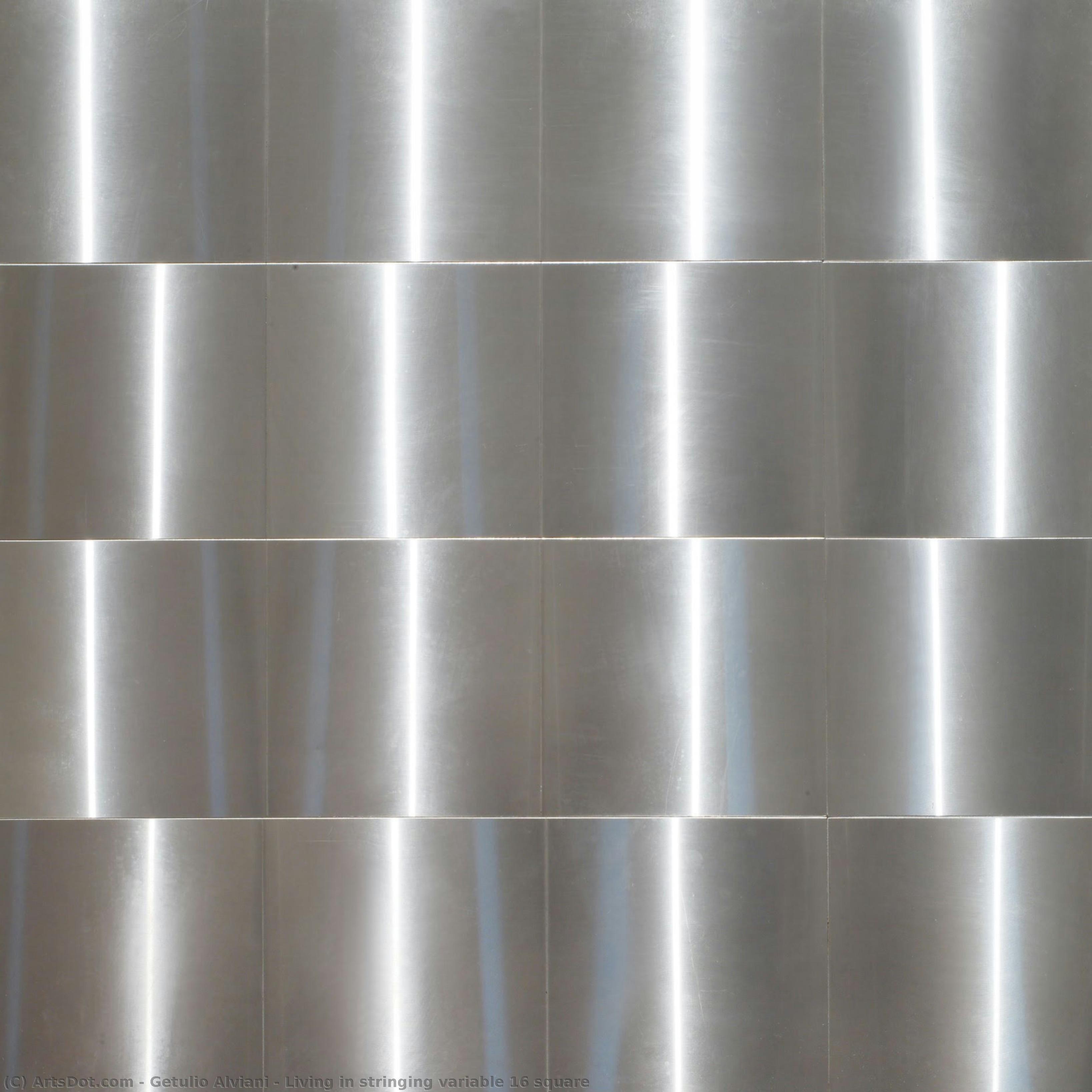
選択した条件に基づいた画像: , .
アーティストの略歴
Explore Getulio Alviani's innovative optical & kinetic art! Known for 'Superficie a testura vibratile,' his work blends illusion, aluminum, and dynamic visual experiences.
 詳細を表示
本作品の著作権について
このページに掲載されている作品は著作権法によって保護されており、当社の許可なく同一の複製物を制作または販売することは法律で禁じられています。この保護は、以下のような国際条約に基づき執行されます。 ベルヌ条約 および、以下の条項に定められたものを含む各国の法律により、 米国著作権法 第17編。
敬意を払った法的な代替手段として、私たちはオリジナルにインスピレーションを与えられた、カスタムの手描きアートワークを提供しています。私たちの熟練したプロのアーティストは、元の作品が持つスタイル、情緒、そして芸術的なエッセンスを注意深く研究し、独自の創作物でありながら、同じ感性を呼び起こすような、新しくユニークな作品を作り上げます。
この手法は、著作権で保護された作品の複製や複写を伴わないため、著作権法に完全に準拠しています。これは単なる模倣ではなく、創造的な再解釈です。元の作品からインスピレーションを受けつつも、それとは異なる、全く新しい絵画を生み出すものです。
を注文する4つの簡単なステップ
ゆっくりとお選びください。回答はいつでも変更可能です。選択内容に応じて、注文カート内の価格が随時更新されます。
1 全4ステップ中のステップ1
On which medium should it be printed?
Canvas is printed with giclée inks and can be stretched or framed like a painting; paper comes flat, or framed behind glass.
2 4ステップ中の2番目
サイズをご選択ください。
これらのサイズは、原画の比率を維持しています。図は、高さ2メートルのソファの上の壁に、選択したサイズを配置した際のイメージです。
または、ご希望のサイズを指定する
作品のオリジナル比率に合わせた、当店の規定サイズからお選びください。

額縁や壁のスペースに合わせて、ご希望の幅と高さを入力してください。プリントはカットすることは可能ですが、元の画像より大きくすることはできないため、異なる比率のサイズを選択された場合は、画像の一部が欠けることになります。印刷を開始する前に、内容を確認していただくためのデジタルモックアップをお送りいたします。このページに表示されている画像は、実際のカット後の状態を示すものではありません。実際の仕上がりはモックアップにてご確認ください。
3 4ステップ中の3ステップ目
どのような状態での配送をご希望ですか:ロール状、キャンバス張り、または額装済み?
以下の価格は、ステップ1で選択されたサイズに基づいています。
キャンバスの側面仕上げを選択
フレームを選択

白の側面仕上げ ¥1

エッジぼかし仕上げ ¥1

回り込み仕上げ ¥1

P118B ¥10

P118H ¥10

P118W ¥10

P438Z ¥10

P508JH ¥12

P508YH ¥12

P805H ¥10

P805Z ¥10

P919BZ ¥10

P919G ¥10

P919XJ ¥10

P959ZH ¥10

P968JZ ¥12

W106C ¥8

W218G ¥10

W218JH ¥8

W218Y ¥10

W307PJ ¥10

W316G ¥10

W316PJ ¥8

W316Y ¥10

W398PJ ¥8

W4111J ¥10

W500HY ¥15

W500JH ¥15

W692G ¥12

W849H ¥8

W940BG ¥15

W953PJ ¥8

H24-GOLD ¥30

H24-SILVER ¥30

H36-GOLD ¥45

H36-SILVER ¥45
額装済み
額縁の形状: . 額縁を含む全体サイズ: .
4 4ステップ中、第4ステップ
仕上げのオプション(数種類)
すべて任意です。すでに選択されている回答に追加料金はかかりません。
世界中への配送()は、標準の4〜5週間ではなく、2週間でお届けいたします。(22 11月)
美術館にあるような、銘板(ネームプレート)を。
刻印入りブロンズプレートの詳細
This elegant plaque features the artist's name and the title of the artwork, finely engraved for a timeless presentation.
It is made from bronze with a refined, elegant finish. The text is precisely laser-engraved for a sharp and permanent result. Measuring 9x2 cm, the plaque is compact yet easy to read. It's built to be durable and scratch-resistant, offering a professional, museum-quality look. Mounting is simple thanks to the included adhesive backing.
透明アクリル銘板の詳細
The plaque includes essential engraved details such as the artist's name, the title of the artwork, the date it was created, the type of media used-like oil on canvas or watercolor-a brief description of the piece, and a QR code that links to the complete artwork information.
It is crafted from clear acrylic, offering a sleek, modern appearance. The text is UV-engraved in black to ensure strong visual contrast. With a size of 10x15 cm, it ensures optimal readability. It comes equipped with two metal hooks for secure wall mounting. The plaque is designed to be weather-resistant, making it suitable for various environments, and it includes interactive features that work seamlessly with smartphone scanning.
黒アクリル製銘板の詳細
This elegant plaque includes engraved information such as the artist's name, the title of the artwork, the date it was created, the type of media used (like oil on canvas or watercolor), a short description of the artwork, and a QR code for quick access to more information.
The plaque itself is made from refined black acrylic with a premium finish. The text is laser-engraved in white for high contrast and readability. Its size is 10x15 cm, designed to be easy to read. It comes with two metal hooks for professional mounting. The design is sleek and fits any interior style. It is also weather-resistant and durable, with built-in digital integration for mobile compatibility.
保護用ニスをご希望ですか?
お届け希望日をお選びください
✓ 内容を確認して注文する
Your print, as you ordered it

Living in stringing variable 16 square
再現技法
複製画サイズ一覧
-

複製画用フレーム
-
-
いずれかの辺が105 cm(約41インチ)を超えるアートワークまたは複製画の場合、フレームは分解されたキットの状態でお届けいたします。この方法は、輸送中の破損を防ぎ、安全に配送するために採用しております。
組み立てには専門知識が必要です(DIY用製品ではありません)。
本キットは、経験豊富なプロの額装師が、木工用ボンド(別売)、キャンバス用プライヤー、およびボンドの乾燥時に桟を直角に保持するためのクランプを使用して、組み立ておよびキャンバスの張り作業を行う必要があります。不適切な組み立てやキャンバスの張りの不均一は、作品に永久的な損傷を与える恐れがあり、弊社の保証対象外となります。
 いずれかの辺が105 cm(約41インチ)を超えるアートワークまたは複製画の場合、フレームは分解されたキットの状態でお届けいたします。この方法は、輸送中の破損を防ぎ、安全に配送するために採用しております。
すべての無垢材のパーツが含まれており、組み立てに最適なサイズに正確にカットされています。
付属のネジを使用し、角の接合部には別途木工用ボンドをご用意ください(ボンドは付属しておりません)。ボンドは額装業者様にてご手配をお願いいたします。
プロ仕様の道具が必要ですが、キットには含まれていません:キャンバス用ストレッチングプライヤー(テンショナー)、および接着剤が乾燥するまで木枠を直角に固定するためのクランプ。
重要:
コーナーの接合部には木工用ボンドが必要です。また、ボンドが完全に乾くまでクランプでバーを固定しておく必要があり、組み立てたフレームにキャンバスを張るにはキャンバス用ストレッチングプライヤーが必要となります。これらの道具はキットに含まれておりません。このサイズをご注文される前に、経験豊富なプロの額装師(フライマー)の手配をお願いいたします。

キャプション
-
-

保護用ワニス
光沢ワニス(色彩を鮮やかに引き立て、光や湿気から保護します)
-

お急ぎ便
通常4〜5週間かかる世界中への配送()を、今回は2週間でお届けします。(22 11月)
-
お急ぎ便
世界中への配送()は、約4〜5週間でお届けします。(29 11月)。
込み
合計金額
¥ 9881
ガラスオプションは、110cm未満のサイズでのみご利用いただけます。
すべての注文に同梱
- 世界中へ無料エクスプレス配送
- 高品質なリネンキャンバス
- 配送時完全保険付
- 関税・輸入税の払い戻し保証
- 真の色彩再現に関する保証
- 100日間返品保証(製造上の欠陥がある場合のみ)
- 100% 全額返金保証
- まとめ買い割引のご案内


この絵画の詳細を見る
 設置イメージを表示

 手描き複製画を注文する
 シェアする
 シェアする
 詳細を見る
 ガイドを表示


 ダウンロード
 似ている作品
 X線調査
 スライドショーを表示
 Q&A
 統計情報
関連作品


Getulio Alviani
1939 - 2018, Italy
作家プロフィール
A Pioneer of Optical Dynamics: The Life and Art of Getulio Alviani
Getulio Alviani, born in Udine, Italy, in 1939 and passing away in Milan in 2018, stands as a pivotal figure in the evolution of post-war abstract art. He wasn’t merely a painter or sculptor; he was an ‘inventor in plasticity,’ as he described himself—a relentless explorer of visual perception, light, and movement. His early life hinted at his future path, demonstrating a keen aptitude for design and geometric drawing even as a child. While initially enrolled at the Venice Art School, Alviani quickly found traditional academic approaches limiting, preferring instead to immerse himself in the study of classical masterpieces and practical work assisting local architects with technical projects like etchings. This blend of artistic appreciation and hands-on experience laid the foundation for his unique approach. He began working within industrial design, a realm that would profoundly shape his aesthetic sensibilities and provide crucial insights into the relationship between form, function, and perception.From Industrial Design to Kinetic Exploration
The late 1950s marked a turning point in Alviani’s career as he delved deeper into the complexities of “production” and “construction.” His initial foray into art involved designing electric pipes, winning a competition that showcased his innovative thinking. This led to a position as artistic director for Ave, a prominent company, where he honed his skills in graphic design and visual communication. However, it was during this period that Alviani’s fascination with the interplay of light and reflective surfaces began to take hold. Working within a factory environment, he observed polished aluminum surfaces and recognized their potential to create dynamic visual effects through manipulation—polishing and abrasion became tools for unlocking new perceptual experiences. This experimentation culminated in his landmark series, “Superfici a testura vibratile” (Vibrating Texture Surfaces), which would propel him onto the international art stage. These weren’t static objects but rather carefully constructed surfaces designed to interact with light, shifting and changing depending on the viewer's angle of observation. In 1961, his invitation to the Zagreb exhibition “Nove Tendencije” connected him with a network of like-minded artists exploring optical and kinetic art—Julio Le Parc, François Morellet, and Enrico Castellani among them. This exchange of ideas was crucial in solidifying Alviani’s commitment to a dynamic art that actively engaged the viewer.The Milan Years: Dialogue with Masters and International Recognition
Alviani's move to Milan in 1962 proved transformative. The city became his base, fostering collaborations and dialogues with some of Italy’s most influential artists—Lucio Fontana, Piero Manzoni, Max Bill, and Bruno Munari. Fontana, particularly, recognized the potential in Alviani’s work, acquiring several “surfaces” and demonstrating a keen understanding of their innovative qualities. This period saw Alviani refine his techniques and explore new avenues within optical art. He wasn't simply interested in creating illusions; he sought to understand *how* perception itself functioned. His participation in the 1964 Venice Biennale, sharing space with Enrico Castellani, further cemented his reputation. The pinnacle of early recognition came in 1965 with an invitation to William C. Seitz’s groundbreaking exhibition “The Responsive Eye” at MoMA in New York. This show, dedicated to Kinetic and Programmed Art, brought Alviani's work to a global audience, and the museum’s acquisition of one of his pieces—used as a poster image for subsequent exhibitions—underscored its significance. His inclusion in Documenta 4 in Kassel in 1968 further solidified his position within the international art community.A Legacy of Interaction: Beyond Painting and Sculpture
Throughout the 1970s, Alviani expanded his artistic horizons, traveling to South America and accepting a directorship at the Jesús Soto Museum of Modern Art in Ciudad Bolívar, Venezuela. This period broadened his perspective and reinforced his commitment to fostering dynamic art experiences. While primarily known for his “Superfici a testura variabile” – polished aluminum works that reflected light in ever-changing hues – Alviani’s artistic output was remarkably diverse. He explored “chromodynamic surfaces,” investigating primary color interactions, and created mesmerizing “mirrors” with their illusion of rings formed on reflective metal. His work consistently challenged the boundaries between painting, sculpture, and design. Alviani wasn't content to simply create objects; he aimed to create experiences. He authored a book on Josef Albers in 1988, demonstrating his deep engagement with art theory and history, and collaborated with Giancarlo Pauletto on a volume dedicated to Michel Seuphor. His work continues to be actively traded in international auctions, prized for its intellectual rigor, formal precision, and captivating visual effects. Getulio Alviani’s legacy lies not only in his stunning creations but also in his unwavering commitment to exploring the fundamental principles of perception and interaction—a pursuit that continues to inspire artists today.関連記事
Beyond Representation: Exploring the Radical Geometry of Suprematism & Its Spiritual Foundations
Explore the revolutionary world of Suprematism with our expert guide. Discover Kazimir Malevich's groundbreaking art, its spiritual foundations & lasting influence on modern design. Learn about collecting this iconic movement.

幾何学的抽象絵画を定義した傑作10選|アート、アーティスト、インテリア装飾
モンドリアン、マレーヴィチ…幾何学的抽象絵画を代表する傑作10選。各作品の背景や色彩構成、アーティストの情熱に迫ります。美術館品質の複製画はArtsDot.comで。オンラインでアートコレクションをご覧ください。

Pietro da Cortona: Baroque Grandeur & the Synthesis of Roman Painting
Explore the life & masterpieces of Pietro da Cortona, a defining figure of the Italian Baroque. Discover his stunning frescoes at Palazzo Barberini and lasting influence on Roman art history. Learn more with ArtsDot.