

選択した条件に基づいた画像: , .
アーティストの略歴
Explore the exquisite Baroque flower paintings of Ernst Stuven (1657-1712), a German master known for his detailed still lifes & Dutch influence.
 詳細を表示
詳細を表示
Order your in four simple steps
ゆっくりとお選びください。回答はいつでも変更可能です。選択内容に応じて、注文カート内の価格が随時更新されます。
1 全4ステップ中のステップ1
サイズをご選択ください。
これらのサイズは、原画の比率を維持しています。図は、高さ2メートルのソファの上の壁に、選択したサイズを配置した際のイメージです。
または、ご希望のサイズを指定する
作品のオリジナル比率に合わせた、当店の規定サイズからお選びください。

フレームや壁のスペースに合わせて、ご希望の幅と高さを入力してください。本作品は手描きのため、異なる比率のサイズをご希望の場合、絵画の周囲を少し広げて描くか、あるいは端を少しカットして調整することが可能です。お客様のご要望に合わせます。制作を開始する前に、仕上がりを確認するためのデジタルモックアップをお送りいたします。このページに表示されている画像は完成品の実物ではなく、あくまでモックアップによるイメージです。
2 4ステップ中の2番目
どのような状態での配送をご希望ですか:ロール状、キャンバス張り、または額装済み?
以下の価格は、ステップ1で選択されたサイズに基づいています。
キャンバスの側面仕上げを選択
フレームを選択

白の側面仕上げ ¥1

エッジぼかし仕上げ ¥1

回り込み仕上げ ¥1

P118B ¥10

P118H ¥10

P118W ¥10

P438Z ¥10

P508JH ¥12

P508YH ¥12

P805H ¥10

P805Z ¥10

P919BZ ¥10

P919G ¥10

P919XJ ¥10

P959ZH ¥10

P968JZ ¥12

W106C ¥8

W218G ¥10

W218JH ¥8

W218Y ¥10

W307PJ ¥10

W316G ¥10

W316PJ ¥8

W316Y ¥10

W398PJ ¥8

W4111J ¥10

W500HY ¥15

W500JH ¥15

W692G ¥12

W849H ¥8

W940BG ¥15

W953PJ ¥8

H24-GOLD ¥30

H24-SILVER ¥30

H36-GOLD ¥45

H36-SILVER ¥45
額装済み
額縁の形状: . 額縁を含む全体サイズ: .
3 4ステップ中の3ステップ目
絵画の内容に変更をご希望されますか?
ほとんどの方は「いいえ」と答えます。一枚一枚が手描きであるため、アーティストがお客様のご要望に合わせて調整することも可能です。
ご注文後、ArtsDot.com のチームより詳細な手順についてメールをお送りし、仕上がりイメージ(モックアップ)をご提示いたします。
4 4ステップ中、第4ステップ
仕上げのオプション(数種類)
すべて任意です。すでに選択されている回答に追加料金はかかりません。
作者は誰?
美術館にあるような、銘板(ネームプレート)を。
刻印入りブロンズプレートの詳細
This elegant plaque features the artist's name and the title of the artwork, finely engraved for a timeless presentation.
It is made from bronze with a refined, elegant finish. The text is precisely laser-engraved for a sharp and permanent result. Measuring 9x2 cm, the plaque is compact yet easy to read. It's built to be durable and scratch-resistant, offering a professional, museum-quality look. Mounting is simple thanks to the included adhesive backing.
透明アクリル銘板の詳細
The plaque includes essential engraved details such as the artist's name, the title of the artwork, the date it was created, the type of media used-like oil on canvas or watercolor-a brief description of the piece, and a QR code that links to the complete artwork information.
It is crafted from clear acrylic, offering a sleek, modern appearance. The text is UV-engraved in black to ensure strong visual contrast. With a size of 10x15 cm, it ensures optimal readability. It comes equipped with two metal hooks for secure wall mounting. The plaque is designed to be weather-resistant, making it suitable for various environments, and it includes interactive features that work seamlessly with smartphone scanning.
黒アクリル製銘板の詳細
This elegant plaque includes engraved information such as the artist's name, the title of the artwork, the date it was created, the type of media used (like oil on canvas or watercolor), a short description of the artwork, and a QR code for quick access to more information.
The plaque itself is made from refined black acrylic with a premium finish. The text is laser-engraved in white for high contrast and readability. Its size is 10x15 cm, designed to be easy to read. It comes with two metal hooks for professional mounting. The design is sleek and fits any interior style. It is also weather-resistant and durable, with built-in digital integration for mobile compatibility.
保護用ニスをご希望ですか?
お届け希望日をお選びください
✓ 内容を確認して注文する
ご注文通りの絵画内容

Fruit Study
再現技法
複製画サイズ一覧
-

至高の熟練アーティスト
より細部までこだわった表現、洗練された技術、そして十分な制作時間
-

複製画用フレーム
-
-
いずれかの辺が105 cm(約41インチ)を超えるアートワークまたは複製画の場合、フレームは分解されたキットの状態でお届けいたします。この方法は、輸送中の破損を防ぎ、安全に配送するために採用しております。
組み立てには専門知識が必要です(DIY用製品ではありません)。
本キットは、経験豊富なプロの額装師が、木工用ボンド(別売)、キャンバス用プライヤー、およびボンドの乾燥時に桟を直角に保持するためのクランプを使用して、組み立ておよびキャンバスの張り作業を行う必要があります。不適切な組み立てやキャンバスの張りの不均一は、作品に永久的な損傷を与える恐れがあり、弊社の保証対象外となります。
 いずれかの辺が105 cm(約41インチ)を超えるアートワークまたは複製画の場合、フレームは分解されたキットの状態でお届けいたします。この方法は、輸送中の破損を防ぎ、安全に配送するために採用しております。
すべての無垢材のパーツが含まれており、組み立てに最適なサイズに正確にカットされています。
付属のネジを使用し、角の接合部には別途木工用ボンドをご用意ください(ボンドは付属しておりません)。ボンドは額装業者様にてご手配をお願いいたします。
プロ仕様の道具が必要ですが、キットには含まれていません:キャンバス用ストレッチングプライヤー(テンショナー)、および接着剤が乾燥するまで木枠を直角に固定するためのクランプ。
重要:
コーナーの接合部には木工用ボンドが必要です。また、ボンドが完全に乾くまでクランプでバーを固定しておく必要があり、組み立てたフレームにキャンバスを張るにはキャンバス用ストレッチングプライヤーが必要となります。これらの道具はキットに含まれておりません。このサイズをご注文される前に、経験豊富なプロの額装師(フライマー)の手配をお願いいたします。

キャプション
-
-

保護用ワニス
光沢ワニス(色彩を鮮やかに引き立て、光や湿気から保護します)
-

作品をカスタマイズ
カスタマイズの例:顔をお客様の写真に差し替える、ペットを追加する(例:猫を犬に変更)、背景に隠しメッセージを入れる、背景の風景や要素を変更する。
-

お急ぎ便
世界中への配送()は、通常の5週間ではなく、3〜4週間でお届けいたします。(17 11月)。品質には一切の妥協を許しません。
-
お急ぎ便
世界中への配送()は、5週間ほどでお届けします。(24 11月)。
込み
合計金額
¥ 41670
ガラスオプションは、110cm未満のサイズでのみご利用いただけます。
すべての注文に同梱
- 世界中へ無料エクスプレス配送
- 高品質なリネンキャンバス
- 配送時完全保険付
- 関税・輸入税の払い戻し保証
- 真の色彩再現に関する保証
- 100日間返品保証(製造上の欠陥がある場合のみ)
- 100% 全額返金保証
- まとめ買い割引のご案内


この絵画の詳細を見る
 設置イメージを表示
 プリント版に切り替え
 シェアする
シェアする シェアする
シェアする
 詳細を見る
詳細を見る ガイドを表示

 ダウンロード
 似ている作品
 X線調査
X線調査 スライドショーを表示
 Q&A
Q&A 統計情報
統計情報関連作品


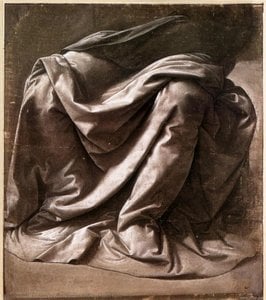


Ernst Stuven
1657 - 1712, Germany
作家プロフィール
The Botanical Soul of the Baroque: The Life of Ernst Stuven
In the grand, sweeping narrative of the seventeenth century, where the dramatic shadows of the Baroque era met the meticulous precision of the Dutch Golden Age, the name Ernst Stuven emerges as a master of the delicate and the ephemeral. Born in 1657 in the industrious city of Hamburg, Germany, Stuven’s early life was shaped by the rigorous traditions of Northern European craftsmanship. His initial artistic foundations were laid under the watchful eye of Georg Hainz, a mentor who instilled in him the discipline required to capture the minute complexities of the natural world. Yet, the true metamorphosis of his talent occurred when, at the age of eighteen, he ventured toward the vibrant artistic pulse of Amsterdam. This relocation was more than a mere change of scenery; it was an immersion into a culture where light, texture, and botanical splendor were celebrated with unparalleled fervor.
The trajectory of Stuven’s career was profoundly influenced by his time in the studios of some of the era's most esteemed masters. After studying under Johannes Voorhout, he found himself drawn to the specialized allure of flower painting, leading him into the prestigious studio of Willem van Aelst. It was here that Stuven refined his ability to render the velvety texture of a petal and the translucent shimmer of dew. His artistic evolution continued as he later sought the guidance of Abraham Mignon, further honing a style that balanced scientific accuracy with an almost poetic atmospheric perspective. Through these associations, Stulen became a vital link in the chain of Dutch-influenced botanical art, blending German precision with the lush, emotive qualities of the Amsterdam school.
A Mastery of Bloom and Decay
To gaze upon a Stuven masterpiece is to enter a silent, fragrant world where time seems to suspend itself. His work was never merely about the depiction of flora; it was an exploration of vanitas—the profound meditation on the fleeting nature of life. While his canvases often featured vibrant arrangements of roses, tulips, and primroses, there was always an underlying tension between the peak of blossom and the inevitable onset of decay. He utilized a sophisticated palette of muted tones—deep greens, earthy browns, and rich reds—to create a sense of profound tranquility and understated elegance. Unlike contemporaries who relied on jarring contrasts, Stuven mastered the art of tonal gradation, allowing each element of his compositions to emerge softly from the shadows.
His technical prowess extended beyond the petals themselves to the surrounding elements that grounded his compositions. He possessed an uncanny ability to render the cold, hard surface of a stone slab or the fragile transparency of a glass vase with equal conviction. This interplay between the organic and the inorganic served to heighten the sensory experience of his viewers, making the flowers feel tangibly present within the viewer's space. His achievements in this genre were not merely measured by technical skill but by his ability to evoke an emotional response—a quiet reverence for the intricate beauty found in the smallest corners of nature.
Legacy and the Shadows of a Turbulent Life
Despite the serene beauty of his canvases, the personal history of Ernst Stuven was marked by periods of significant turbulence. The annals of art history, particularly the writings of Houbraken, reveal a life that was not without its darker chapters. His relationship with his pupil, Willem Grasdorp, was famously fraught with conflict, leading to legal repercussions and a period of incarceration in Amsterdam's Rasphuis. Such dramatic shifts in fortune—from the heights of artistic success to the depths of social isolation—add a layer of poignant complexity to his legacy. In his later years, moving through Haarlem and eventually settling in Rotterdam, he lived a life supported by patrons who recognized the enduring value of his hand.
Ultimately, the historical significance of Ernst Stuven lies in his contribution to the enduring tradition of the still life. He remains a pivotal figure for anyone seeking to understand the intersection of German training and Dutch aesthetic innovation. His works continue to serve as windows into a lost era of botanical wonder, reminding us that even the most fleeting bloom can be rendered immortal through the dedicated brush of a master. Through his meticulous observation and soulful execution, Stuven ensured that the delicate dance of light and life would never truly fade from the halls of art history.
関連記事

Karl Blossfeldt's 'Urformen der Kunst': Pioneering Botanical Photomicrography & Aesthetic Form
Explore Karl Blossfeldt's groundbreaking *Urformen der Kunst* & pioneering botanical photography. Discover the aesthetic power of nature, New Objectivity influences, and his lasting impact on modern art. Learn about collecting key works.

The Precision of Perception: Scientific Illustration as Art & Epistemology
Explore the fascinating history of scientific illustration – where art meets accuracy. Discover key artists like Karl Blossfeldt & Maud H. Purdy, and delve into its profound epistemological roots. ArtsDot offers museum-quality reproductions.
The Flourishing Canvas: A Historical & Artistic Exploration of Botanical Illustration
Explore the rich history of botanical illustration! Discover key artists like Havell & Barraband, learn about scientific accuracy & aesthetic beauty. Shop museum-quality reproductions at ArtsDot.