Zentrum Paul Klee: A Sanctuary of Color and Form
The Zentrum Paul Klee in Bern, Switzerland, isn’t merely a repository for an artist’s oeuvre; it is an immersive experience—a vibrant testament to the boundless imagination of one of the 20th century’s most innovative figures. To step within its walls is to enter the very landscape of Klee’s mind, a realm where color sings, lines dance, and form transcends representation. The museum holds approximately 40% of Paul Klee's entire artistic production—nearly 400 works—spanning his entire creative journey, offering an unparalleled opportunity to trace the evolution of a truly singular vision. From early figurative explorations rooted in observation to the mature abstract compositions that define his legacy, the Zentrum presents a comprehensive panorama of Klee’s stylistic diversity and intellectual curiosity. Beyond the celebrated paintings, visitors encounter a wealth of drawings, watercolors, sculptures, architectural designs, and even writings, revealing the multifaceted nature of Klee's creative process—a holistic view of an artist who believed in the interconnectedness of all art forms.
### Architecture as Inspiration
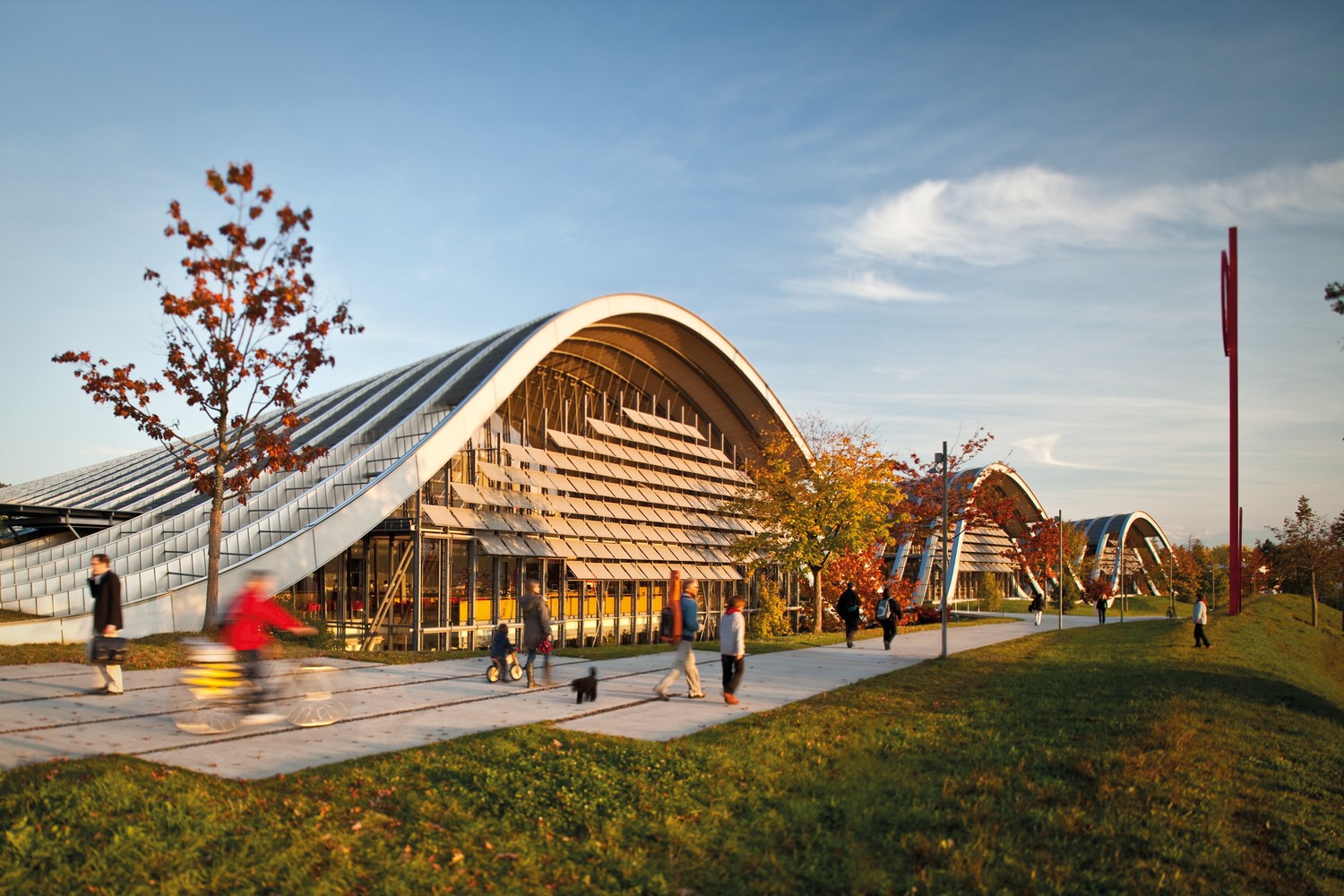
The building itself, designed by Italian architect Renzo Piano, is integral to the experience. Completed in 2005, it’s a masterpiece of modern architecture that doesn’t overshadow the art within but rather enhances it. The structure comprises three undulations of glass and steel, seamlessly blending into the surrounding landscape. This deliberate integration with nature isn’t accidental; Klee himself was deeply influenced by the natural world, and Piano’s design echoes this sensibility. Natural light floods the interior spaces, creating a harmonious environment that allows Klee’s delicate color palettes and nuanced compositions to truly resonate. The architecture is not simply a container for art but an active participant in the dialogue, fostering a sense of tranquility and contemplation. It feels less like entering a museum and more like stepping into a living extension of Klee’s artistic universe.
### A Legacy Forged Through Generosity
The story of the Zentrum Paul Klee is one deeply rooted in familial devotion and civic pride. The museum's very existence stems from an extraordinary act of generosity: in 1997, Livia Klee-Meyer, Paul Klee’s daughter-in-law, donated nearly 690 works to the city and canton of Bern. This foundational gift was then enriched by further contributions from the family, the Paul-Klee-Foundation, and discerning private collections, culminating in the remarkably comprehensive collection we see today. The decision to construct a dedicated museum followed swiftly in 1998, with Renzo Piano entrusted with bringing this ambitious vision to life. This wasn’t merely about showcasing art; it was about creating a lasting tribute to an artist who had profoundly impacted Swiss culture and the broader landscape of modern art. It was a dream realized—a testament to the power of art to inspire generations.
### Collection Highlights: Exploring Klee's Artistic Universe
The Zentrum Paul Klee’s collection is organized around several thematic areas, allowing visitors to delve into the breadth of Klee’s artistic explorations. Approximately 40% of his entire oeuvre—nearly 400 paintings—are housed here, representing every stage of his creative evolution. From early landscapes and portraits imbued with a palpable sense of observation to monumental abstract canvases that grapple with fundamental questions about color, form, and perception, the collection showcases Klee’s unwavering commitment to experimentation and innovation. Key artworks include “Architettura Coloreata” (1917), a vibrant cubist depiction of urban architecture bathed in bold hues—a testament to Klee's pioneering use of color theory—and “The Great Mountain” (1928), an ambitious sculptural installation that embodies his fascination with geometric forms and spatial relationships.
### Beyond Display: A Cultural Hub
The Zentrum Paul Klee distinguishes itself as more than just a museum; it’s a dynamic cultural center, a vibrant hub for artistic exploration and intellectual exchange. Regularly changing exhibitions delve into specific facets of Klee’s work—his travels in Italy and Tunisia, his time at the Bauhaus school, or his engagement with particular themes and motifs—while also exploring his enduring influence on contemporary artists. The museum hosts a diverse program of concerts, lectures, workshops, and events, fostering a sense of community and encouraging dialogue around art. A dedicated research center supports scholarly study of Klee’s work, attracting researchers from around the globe, while educational programs cater to visitors of all ages, ensuring that Klee’s legacy continues to inspire future generations. It is this commitment to accessibility, education, and ongoing engagement that truly sets the Zentrum Paul Klee apart—making it an essential destination for art lovers, scholars, and anyone seeking a deeper understanding of one of the 20th century’s most influential artists.