Pier Francesco Cittadini: Un Maestro Bolognese della Natura Morta Barocca
Pier Francesco Cittadini (1616 – 1681) si staglia come una figura di spicco nel panorama artistico del Barocco italiano, riconosciuto principalmente per le sue squisite raffigurazioni di nature morte e ritratti che incarnano la fascinazione dell'epoca per l'osservazione meticolosa e l'opulenta ornamentazione. Nato a Milano, gli anni formativi di Cittadini furono dedicati al perfezionamento della sua arte sotto la tutela di Daniele Crespi, stabilendo un legame fondamentale con le tradizioni artistiche milanesi prima di trasferirsi a Bologna in giovane età – una decisione cruciale che cementò la sua associazione con Guido Reni e plasmò profondamente la sua traiettoria stilistica.
- Prime Influenze: La formazione iniziale con Crespi gli trasmise un profondo apprezzamento per il realismo e il dettaglio, rispecchiando le sensibilità estetiche prevalenti dell'epoca. Tuttavia, fu l'immersione nella bottega di Reni a incendiare veramente la sua visione artistica, come emerge chiaramente in tele monumentali quali “La lapidazione di San Stefano” e “La flagellazione”, eseguite nel 1641 – opere infuse della solenne grandezza tipica di Reni e del suo magistrale uso del chiaroscuro.
- L'Esperienza Romana: Riconoscendo il dinamismo del contesto artistico romano, Cittadini intraprese un viaggio trasformativo verso la Città Eterna intorno al 1645. Questo incontro con altri artisti — inclusi maestri francesi e fiamminghi — lo espose a tecniche innovative e ampliò i suoi orizzonti creativi. Le opere che ne derivarono, come “Lot e le sue figlie” e “Agar e l'angelo”, dimostrano una nascente indipendenza stilistica caratterizzata da tavolozze cromatiche vibranti e composizioni dinamiche.
- Tecnica e Stile: Lo stile distintivo di Cittadini è definito da un incrollabile impegno verso il naturalismo — tratto distintivo dell'arte barocca — combinato con un comando magistrale della prospettiva e del dettaglio materico. Egli rese le superfici con straordinaria accuratezza, catturando le sottili sfumature di luce e ombra per creare scene immersive capaci di trasmetrebbe sia splendore visivo che profondità psicologica.
- Commissioni Illustri e Mecenatismo: La reputazione artistica di Cittadini ottenne notevole prestigio a Bologna, assicurandogli commissioni prestigiose da committenti influenti — tra cui spicca Luigi XIV — che riconobbero il suo talento nel produrre paesaggi e ritratti affascinanti. Tra i suoi successi più duraturi si ricorda il monumentale ciclo di affreschi che adorna il Palazzo Ducale di Sassuolo, testimonianza della sua capacità di elevare l'arte decorativa a forma espressiva di altissimo valore artistico.
Opere Maggiori
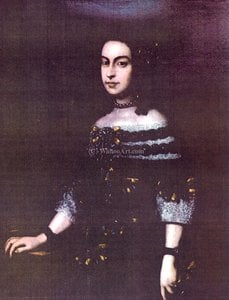
L'opera di Cittadini comprende numerosi dipinti che esemplificano la preoccupazione dell'estetica barocca per le narrazioni drammatiche e la bellezza idealizzata. Il suo celebre “Ritratto di Lucrezia Barberini” incarna l'attenzione meticolosa al dettaglio e l'eleganza regale tipica dei suoi ritratti, mostrando una padronanza magistrale dell'anatomia e del panneggio. Allo stesso modo impressionante è “Ulisse che sconfigge Circe”, una tela monumentale che cattura il dramma mitologico del poema epico di Omero con un impatto visivo mozzafiato — prova della capacità di Cittadini di tradurre temi letterari in rappresentazioni artistiche coinvolgenti.
- “Ritratto di Lucrezia Barberini” – Olio su tela
- “Ulisse che sconfigge Circe” – Olio su tela
- “Musicisti bambini” – Olio su tela
Eredità e Significato Storico
Il contributo di Pier Francesco Cittadini all'arte barocca va oltre i suoi singoli capolavori; egli rappresenta un legame cruciale tra le tradizioni artistiche milanese e romana. La sua incrollabile dedizione al naturalismo — unita all'uso innovativo del colore e della composizione — lo ha affermato come uno dei più importanti pittori della sua epoca, assicurandogli un posto nel canone dell'arte italiana.
Risorse per ulteriori ricerche:- AskART: Pier Francesco Cittadini
- Wikipedia: Pier Francesco Cittadini
Per ulteriori informazioni sulla vita e sulle opere di Cittadini, si consiglia la consultazione di pubblicazioni accademiche e cataloghi museali.
Domande e risposte
Dove posso visitare il museo virtuale 3D con le opere di Pier Francesco Cittadini?
È possibile effettuare una visita virtuale: la pagina Galleria 3D di Pier Francesco Cittadini presenta le opere dell'artista all'interno di una galleria tridimensionale.
A quale periodo storico appartiene l'opera di Pier Francesco Cittadini?
Pier Francesco Cittadini ha operato nel periodo Età Moderna, collocando storicamente la sua attività.
Dove si possono trovare le opere di Pier Francesco Cittadini raggruppate per movimento artistico?
La pagina Tutti i movimenti raggruppa le opere di Pier Francesco Cittadini per movimento artistico.