La Visione Lirica di Josep Mompou Dencausse
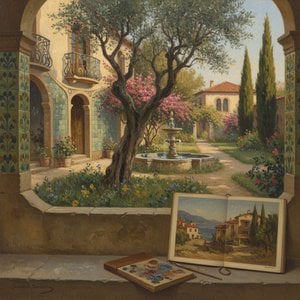
Nato nel vibrante crogiolo culturale di Barcellona nel 1888, Josep Mompou Dencausse emerse come una voce profonda all'interno della scena artistica catalana, intrecciando la luce delicata dell'Impressionismo con la forza cruda ed emotiva del Fauvismo. Il suo viaggio nel cuore dell'espressione visiva fu profondamente personale, radicato in una stirpe di creatività; essendo figlio di un pittore, i suoi occhi furono addestrati fin dall'infanzia a percepire i sottili mutamenti dell'atmosfera e la danza ritmica del colore attraverso il paesaggio spagnolo. Questa precoce immersione gli permise di sviluppare una tecnica che non si limitava a replicare la realtà, ma cercava di catturarne l'anima stessa, trasformando le vedute rurali della Catalogna in poetiche meditazioni sulla luce e sull'esistenza.
Man mano che la sua identità artistica maturava, Mompou Dencausse navigò le mutevoli correnti del modernismo dei primi del Novecento con straordinaria fluidità. Sebbene traesse una significativa ispirazione dai maestri impressionisti francesi — imparando a padroneggiare l'arte di catturare momenti fugaci attraverso un tocco morbido e luminoso — non si accontentò di rimanere entro i confini del naturalismo. Trovò un'anima affine nel movimento Fauvista, abbracciando la radicale liberazione del colore sostenuta da Henri Matisse. Questa evoluzione portò una nuova intensità alle sue tele, dove tonalità audaci e decise di cremisi, azzurro e giallo inondato di sole iniziarono a pulsare con un'energia quasi viscerale, rompendo i vincoli tradizionali per evocare risonanze emotive più profonde.
Una Maestria di Soggetto e Mezzo
L'ampiezza dell'opera di Mompou Dencausse riflette una curiosità instancabile e una profonda riverenza per le trame della vita. Sebbene sia celebrato soprattutto per i suoi vasti paesaggi — quelle tranquille e soleggiate rappresentazioni di oliveti, vigneti e aspre vedute costiere — il suo talento si estese agli ambiti intimi della natura morta e dell'illustrazione. In opere come Lemons, Bananas and Eucalyptus, si può testimoniare la sua capacità di fondere la luce impressionista con una bellezza tattile e materica che celebra la semplice eleganza della natura. Il suo approccio alla natura morta spesso trascendeva la mera composizione, trasformando oggetti quotidiani in vibranti studi di forma e colore.
Oltre al paesaggio, Mompou Dencausse esplorò territori più complessi e talvolta inquietanti attraverso il suo uso diversificato dei media:
- Pittura a olio: Il suo mezzo principale per esplorazioni su larga scala della luce, dell'atmosfera e della pennellata audace ed espressiva caratteristica del suo periodo fauvista.
- Acquerelli e acqueforti: Utilizzati per catturare le qualità più delicate ed effimere della campagna catalana con un senso di leggerezza e trasparenzza.
- Illustrazioni: Un aspetto affascinante del suo lavoro tardo, in cui utilizzò la linea per esplorare temi di esotismo e potere, come si vede nell'affascinante e inquietante Monologue From Bass.
- Tendenze Espressioniste Astratte: Negli anni successivi, in particolare durante gli anni '60, la sua opera abbracciò un approccio più dinamico e materico, esemplificato da pezzi come Rabbit And Partridge, che mostrano un comando magistrale del colore e del movimento.
Eredità e Significato Storico
Il significato storico di Josep Mompou Dencausse risiede nel suo ruolo di ponte tra le tradizioni paesaggistiche classiche della Spagna e i movimenti d'avanguardia dell'Europa. Egli riuscì a sintetizzare con successo il rigore osservativo del XIX secolo con la liberazione emotiva del XX, creando un corpo di opere che appare allo stesso tempo senza tempo e moderno. La sua capacità di passare dai sereni paesaggi pieni di luce della sua giovinezza alle composizioni più materiche e astratte degli anni successivi rispecchia l'evoluzione più ampia dell'arte moderna stessa.
Oggi, la sua eredità è preservata dalla sua presenza in istituzioni prestigiose, non da ultimo il Reina Sofía, assicurando che la sua visione unica della Catalogna continui a ispirare. Mompou Dencausse rimane una figura vitale sia per gli studenti che per i conoscitori, offrendo una finestra su un periodo di intensa trasformazione artistica in cui i confini del colore, della luce e dell'emozione venivano perpetuamente ridefiniti.
Domande e risposte
Posso ordinare le opere di Josep Mompou per colore?
La pagina Indice dei colori di Josep Mompou organizza le opere dell'artista in base al colore.
A quali movimenti appartiene l'opera di Josep Mompou?
Le opere di Josep Mompou possono essere consultate per movimento nella pagina Tutti i movimenti dell'artista.
Quante opere di Josep Mompou sono disponibili nel catalogo?
Puoi sfogliare 143 opere d'arte opere di Josep Mompou nella pagina Tutte le opere.