Un'eredità forgiata nel fuoco: lo spirito eterno di Jingdezhen
Toccare un pezzo di raffinata arte ceramica significa instaurare un dialogo silenzioso e profondo con le fondamenta stesse del nostro pianeta. Esiste una magia intrinseca e primordiale nella trasformazione della terra umile in un recipiente di profonda bellezza: un processo noto come alchimia, dove calore e intenzione convergono. Questo potere trasformativo trova la sua espressione più sublime nel forno ceramico di Jingdeello, un'istituzione artistica fondata intorno al 1004 d.C. durante il regno dell'imperatore Zhenzong. Situato nel cuore della provincia cinese dello Jiangxi, questo sito leggendario si è evoluto da centro potabile regionale all'indiscussa “Capitale della Porcellana” del mondo, guadagnandosi la sua reputazione attraverso un millennio di maestria senza pari e brillantezza tecnica.
Le origini della perizia ceramica di Jingdezhen sono avvolte nella leggenda, con racconti che narrano un mandato divino nel coltivare un'argilla simile alla giada e produrre vasi degni dello splendore imperiale. Sebbene le prove archeologiche confermino che la produzione di ceramica esistesse nella regione già nel VI secolo d.C., fu durante la dinastia Yuan (1271–1368) che i forni ascesero veramente alla prominenza globale. Alimentata dal patrocinio reale e da una posizione strategica lungo le vitali rotte commerciali che collegavano la Cina all'Asia Centrale e alla Persia, Jingdezhen divenne un crogiolo di scambio culturale. Gli artigiani locali non si limitavano a fabbricare merci; sintetizzavano diverse influenze in un unico linguaggio estetico che avrebbe infine affascinato i collezionisti di ogni continente.
L'apice dell'arte imperiale
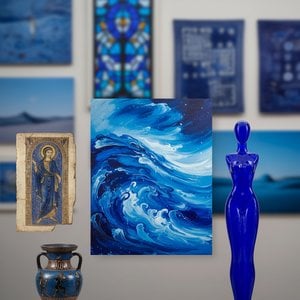
Con la dinastia Ming (1368–1644), la reputazione di Jingdezhen si era consolidata in uno standard di eccellenzza che definì un'epoca. I forni producevano porcellane celebrate per la loro bellezza eterea e precisione tecnica, aderendo a un celebre ideale estetico: “bianca come la giada, sottile come la carta, luminosa come uno specchio e dolce come una pietra risonante”. Questo periodo vide la perfezione delle iconiche stoviglie bianche e blu, in cui profonde smaltature blu cobalto venivano meticolosamente applicate su corpi di porcellana traslucida. L'interazione tra i pigmenti ricchi e opachi e la superficie luminosa, simile al vetro, creava un senso di profondità e dimensione che appariva quasi soprannaturale all'osservatore dell'epoca.
Con il progredire dei secoli nella dinastia Qing (1644–1912), l'influenza del forno si espanse ulteriormente. La produzione di manufatti imperiali ufficiali raggiunse nuovi vertici di complessità, con artigiani che padroneggiavano tecniche intricate come la Famille rose e la porcellana Qingbai. Queste creazioni non erano puramente decorative; erano simboli di potere politico e ordine cosmico, progettate per adornare i palazzi degli imperatori e servire nelle cerimonie sacre. La sofisticazione tecnica necessaria per controllare la natura volatile dell'argilla e l'intenso calore della fornace permise un livello di dettaglio — dalle delicate incisioni floreali ai complessi motivi geometrici — che rimane ancora oggi un punto di riferimento per i ceramisti.
Un'influenza globale e un'eredità duratura
Il raggio d'azione di Jingdezhen si estese ben oltre i confini del Regno di Mezzo, agendo come un'arteria vitale nel flusso globale di arte e commercio. Attraverso la Via della Seta marittima, queste eccelse ceramiche divennero merci altamente ricercate in Europa e in Medio Oriente. Lo stile distintivo dei forni influenzò profondamente le tradizioni ceramiche occidentali durante l'era dell'Illuminismo, ispirando figure leggendarie come Josificazione Wedgwood a cercare livelli simili di raffinatezza nelle proprie produzioni. Questa era di commercio globale vide l'emergere della porcellana da esportazione cantonese, che fondeva l'artigianato cinese con sensibilità estetiche adattate ai mercati internazionali, creando un ponte tra Oriente e Occidente.
Oggi, l'eredità del forno ceramico di Jingdezhen rimane vibrante come il fuoco che un tempo alimentava le sue fornaci. Il significato storico di questo sito risiede non solo nel volume della sua produzione, ma nel suo ruolo di filo continuo della creatività umana che abbraccia oltre mille anni. La maestria nella consistenza, nella forma e nello smalto sviluppata in questi forni continua a ispirare artisti e collezionisti moderni. Studiare le opere di Jingdezhen significa assistere all'eterno trionfo dell'abilità umana sulla materia prima, una testimonianza di una tradizione artistica che rimane luminosa e senza tempo come la porcellana che ha prodotto.
Domande e risposte
Con quali pseudonimi o nomi alternativi è conosciuto Jingdezhen Kiln?
Jingdezhen Kiln è noto anche con il nome di Fuliang Porcelain Bureau, Zhushan Kilns.
Come posso trovare le opere di Jingdezhen Kiln relative a un tema specifico?
Le opere di Jingdezhen Kiln possono essere esplorate tramite parole chiave nella pagina Per parole chiave dell'artista. Ogni parola chiave raggruppa le opere correlate.
Posso sfogliare le opere di Jingdezhen Kiln per tecnica?
Le opere di Jingdezhen Kiln possono essere consultate per tecnica nella pagina Per tecnica dell'artista.