Giovanni Cariani: Lirismo Veneziano e Raffinatezza Rinascimentale
Giovanni Cariani (ca. 1485-1547) si erge come una figura cardine del Rinascimento veneziano, celebrato per i suoi ritratti e paesaggi squisitamente resi, intrisi di una profonda sensibilità verso il colore e la forma—caratteristiche che lo collocano con fermezza nella stirpe artistica di Bellini e Giorgione. Nato a Venezia intorno al 1485, gli anni formativi di Cariani coincisero con il fiorente dinamismo culturale della Serenissima Repubblica, favorendo un ambiente fertile per l'innovazione artistica. Sebbene i dettagli biografici rimangano in parte scarsi, le ricerche accademiche suggeriscono che egli abbia perfezionato la propria arte sotto la tutela di Andrea Mantegna, assorbendo precetti stilistici che avrebbero profondamente plasmato la sua intera opera.- Inizio della carriera e mecenatismo: Le prime commissioni di Cariani servirono principalmente famiglie nobiliari e istituzioni ecclesiasticale, assicurandogli una reputazione di meticoloso realismo ed eleganza artistica. Il suo legame con eminenti patroni veneziani, come il Cardinale Pietro Bembo, cementò la sua posizione di artista rispettato del suo tempo.
- Stile e tecnica: Lo stile distintivo di Cariani è caratterizzato da una magistrale manipolazione di luce e ombra—una tecnica ereditata direttamente da Giorgione—che crea profondità atmosferica e trasmette stati emotivi sfumati nei suoi soggetti. Egli impiegò tecniche di velatura, sovrapponendo pigmenti traslucidi per ottenere superfici luminose e sottili gradazioni tonali, rispecchiando le innovazioni stilistiche promosse da Bellini.
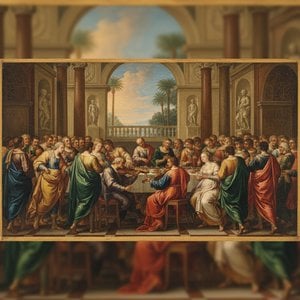
- Opere degne di nota: L'eredità artistica di Cariani poggia su una collezione di dipinti che esemplificano il lirismo veneziano. Tra le sue opere più celebri figurano “Quattro Cortigiane”, una cattivante rappresentazione della bellezza femminile resa con straordinario dettaglio e intuito psicologico; “Tre Gentiluomini”, che mostra figure maschili idealizzate incarnanti le virtù aristocratiche; e "La Via al Calvario", una toccante scena religiosa che dimostra la capacità di Cariani di infondere contemplazione spirituale nell'arte visiva.
Influenze e Connessioni Artistiche
La visione artistica di Cariani fu innegabilmente plasmata dalle correnti estetiche prevalenti della sua epoca, in particolare dall'influenza di Bellini e Giorgione—artisti che promossero un approccio umanista alla pittura, privilegiando tavolozze cromatiche espressive e la prospettiva atmosferica. Inoltre, Cariani intraprese collaborazioni con altri maestri come Francesco Albani e Andrea Mantegna, favorendo lo scambio intellettuale e la convergenza stilistica. La sua corrispondenza rivela un interesse nell'esplorare strategie compositive innovative e nel scavare nelle complessità dell'emozione umana—una testimonianza del suo impegno nel più ampio discorso artistico del Rinascimento.- Bellini e Giorgione: L'adozione da parte di Cariani della luminosa tecnica di velatura di Bellini e della prospettiva atmosferica di Giorgione riflette un impegno condiviso nel catturare l'essenza della vita e dell'emozione veneziana.
- Collaborazione con Albani: Cariani lavorò fianco a fianco con Francesco Albani in diversi progetti, scambiando idee e affinando le proprie sensibilità artistiche—una partnership che esemplifica lo spirito collaborativo tipico dei circoli artistici veneziani.
Grandi Traguardi ed Eredità
Il contributo di Giovanni Cariani alla pittura veneziana è indiscutibile, assicurandogli un posto tra i più grandi artisti della sua generazione. I suoi dipinti continuano a affascinare il pubblico con la loro bellezza e profondità psicologica—fungendo da emblemi duraturi della raffinatezza rinascimentale e dell'idealismo umanista. Il Kunsthistorisches Museum di Vienna ospita “Un Concerto”, ampiamente considerato il capolavoro di Cariani—una testimonianza della sua maestria artistica e innovazione stilistica. L'influenza di Cariani si estese oltre Venezia, ispirando generazioni successive di pittori che cercarono di emulare la sua tavolozza luminosa e la sua tecnica espressiva. La sua eredità persiste oggi come un faro del lirismo veneziano e dell'arte rinascimentale.Significato Storico
L'opera di Cariani incarna lo spirito umanista del Rinascimento maturo, riflettendo l'interesse nel ritrarre l'esperienza umana con sensibilità e sfumatura—un distacco dalle precedenti convenzioni artistiche che privilegiavano rappresentazioni idealizzate rispetto a descrizioni realistiche. I suoi dipinti offrono intuizioni inestimabili sulla società veneziana del XVI secolo, catturando l'eleganza e la sofisticazione del patronato aristocratico e, contemporaneamente, esplorando temi di fede e moralità. La fama duratura di Cariani testimonia la sua capacità di trascendere i confini stilistici e comunicare emozioni umane universali attraverso l'arte visiva—consolidando la sua posizione come pietra angolare del patrimonio artistico veneziano.Domande e risposte
Di dove è Giovanni Cariani?
Giovanni Cariani è nato/a in Italia.
Dove posso esplorare le opere di Giovanni Cariani suddivise per soggetto?
Le opere di Giovanni Cariani possono essere esplorate per soggetto nella pagina Catalogo per soggetti dell'artista.
In quale città e in quale paese è nato/a Giovanni Cariani?
Giovanni Cariani è nato a San Giovanni Bianco, in Italia.