Giovinezza, Famiglia e Formazione a Venezia
Giambattista Tiepolo arrivò al mondo il 5 marzo 1696, ultimo di sei figli nati da Orsetta e Domenico Tiepolo. Suo padre, un piccolo mercante di spedizioni marittime, morì quando Giambattista era ancora un bambino, lasciando la famiglia nella vibrante realtà veneziana. Il piccolo fu battezzato il 16 aprile 1696 presso la chiesa locale di San Pietro di Castello; furono proprio questi primi anni trascorsi tra i riflessi della laguna veneziana a plasmare l'ambiente sensoriale in cui, in seguito, l'artista avrebbe imparato a dominare la luce e il colore.
Il suo percorso formativo ufficiale ebbe inizio nella bottega di Gregorio Lazzarini. Sotto la guida di Lazzarini, Tiepolo apprese la disciplina della composizione e i rigidi requisiti tecnici della tradizione veneziana. Già verso la metà degli anni '10 del Settecento, il suo talento iniziava a manifestarsi negli spazi pubblici: le sue opere più antiche conosciute sono le raffigurazioni degli apostoli nei pennacchi di Santa Maria dei Derelitti a Venezia, risalenti al periodo 1715–16.
- Raffigurazioni degli apostoli, 1715–16
Mecenatismo, Bottega e Grandi Committenze
L'influenza di Giambattista Tiepolo si estese ben oltre i canali di Venezia, trasformandolo in un pittore prolifico capace di spostarsi tra l'Italia, la Germania e la Spagna, seguendo le ambizioni di chi cercava opere di scala monumentale. Il suo nome era inciso nelle cronache delle più antiche e prestigiose famiglie italiane e di numerosi ordini religiosi; la sua fama era tale da ricoprire persino l'onorevole carica di pittore del Doge Giovanni II Cornaro. Questo incessante flusso di incarichi richiedeva una bottega estremamente produttiva, capace di gestire l'incredibile mole della sua produzione artistica.
La grandezza delle sue commissioni rifletteva spesso l'opulenza delle corti che visitava. Giambattista Tiepolo ricevette incarichi dalle case reali di Spagna, Germania, Svezia e Russia, poiché questi mecenati cercavano la sua capacità unica di trasformare superfici vastissime attraverso un magistrale uso di luce e colore. La sua reputazione crebbe in tutta Europa, mentre i suoi contemporanei lo riconoscevano come il più grande maestro di affreschi decorativi del Settecento. Egli non si limitava a dipingere pareti; egli rispondeva al richiamo di monarchi e alto clero, colmando i loro saloni con un senso di movimento infinito e una luminosità divina.
Tecnica e Stile Artistico
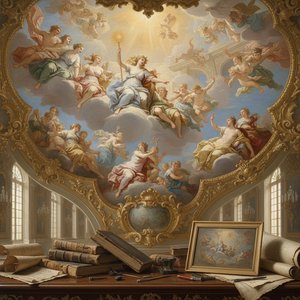
L'opera di Giambattista Tiepolo si inserisce pienamente nel linguaggio del Rococò, distinguendosi per una straordinaria capacità di infondere un senso di ariosità e dinamismo costante. La sua pennellata è capace di generare una luce vibrante e cangiante, che sembra scaturire dall'interno stesso delle figure, conferendo loro un'anima luminosa. Le sue composizioni si articolano attraverso cieli dalle sfumature azzurro pallido e nuvole argentee, punteggiati da improvvise esplosioni di rosa, giallo e arancio che animano la scena. Questo approccio magistrale gli permise di trasformare soffitti massicci e pesanti in spazi aperti, eterei e profondamente luminosi. Il suo stile attinge con profonda reverenza alla tradizione di Veronese, specialmente nell'uso di costumi eleganti e di scenografie architettoniche di grande respiro, mentre le sue tavolozze cromatiche sembrano spesso riflettere la luce tersa e mutevole del cielo veneziano.
Il tocco dell'artista rivela l'eredità di grandi maestri del passato. Giambattista Tiepolo ha saputo assorbire le qualità drammatiche di Tintoretto e si è nutrito delle opere di Sebastiano Ricci, Giovanni Battista Piazzetta e Federico Bencovich. Queste influenze sono state fondamentali per lo sviluppo di un trattamento del chiaroscuro che appare, al contempo, teatrale e naturale. La sua straordinaria abilità nel gestire spazi di proporzioni monumentali poggia su una comprensione profonda dell'interazione tra colore e luce. Attraverso l'uso sapiente di sottili velature, l'artista è riuscito a creare una percezione di profondità infinita, un metodo tecnico essenziale per governare la vastità delle composizioni aperte che caratterizzano i suoi grandi affreschi.
Capolavori Chiave e Opere Notevoli
L'Assunzione della Vergine a San Giorgio Maggiore rimane il suo traguardo più significativo. In quest'opera, la Vergine Maria ascende verso i cieli, circondata da una processione celeste di figure. Questa composizione monumentale utilizza il colore e il movimento per trascinare lo spettatore in una scena spirituale. Poco distante, il suo Trionfo di San Pietro nella Basilica di San Pietro a Roma, cattura una grandiosa incoronazione papale attraverso un uso meticoloso di dettaglio e luce.
La sua maestria nel gestire la luce è evidente nell'Adorazione dei Magi, uno schizzo a olio che rivela il suo approccio tecnico. L'opera utilizza velature sottili per creare un senso di profondità e luminosità. In altri contesti, applicò questi stessi principi a superfici massicce. L'Ultima Cena, dipinta nel 1745, è conservata al Louvre di Parigi. I suoi anni più maturi hanno visto la creazione dell'Immacolata Concezione, dipinta tra il 1767 e il 1769.
La capacità di Giambattista Tiepolo di gestire il dramma umano e i soggetti storici emerge chiaramente nelle sue varie commissioni. L'Incontro tra Antonio e Cleopatra fa parte della collezione del Metropolitan Museum of Art di New York. Queste opere mostrano un interesse costante per il modo in cui le figure occupano lo spazio, che si tratti di un piccolo schizzo o di un vasto scenario architettonico.
- Annunciazione, 1724
- Apollo e Marsia, 1725
- Faetone e Apollo, 1730
- Perseo e Andromeda, 1730
- La Flagellazione dei Serpenti, 1732
- Giove e Danae, 1736
I Grandi Affreschi di Würzburg
In Germania, la Residenza di Würzburg custodisce alcune delle opere più vaste e imponenti di Giambattista Tiepolo. Il Scalone della Residenz ospita un monumentale affresco a soffitto capace di trasformare radicalmente la percezione stessa dello spazio. Guardando verso l'alto, l'architettura sembra dissolversi in un etere luminoso e costellato di nuvole, un regno dove divinità e mortali coesistono in un abbraccio sublime. Attraverso la magistrale tecnica del sotto in su, l'artista fa sì che la pesante muratura sembri svanire, aprendo un varco infinito verso l'azzurro del cielo.
La Sala Imperiale della Residenz racchiude un altro colossale affresco parietale, realizzato tra il 1751 e il 1752. Quest'opera si pone come uno dei cicli decorativi più vasti e significativi d'Europa, presentando un vortice rotante di luce e colore in cui figure allegoriche danzano tra le nubi per celebrare la maestosità della dinastia Asburgo. La pennellata di Giambattista Tiepolo crea una profondità illusionistica tale da sostituire la realtà fisica del soffitto con una vibrante messa in scena di storia e giustizia.
Eredità e Influenza Artistica
L'imponente portata della sua produzione rimane immensa, lasciando dietro di sé un corpus di opere che comprende circa 800 dipinti e 2.400 disegni. Giambattista Tiepolo è stato una figura centrale della scuola veneziana del XVIII secolo, capace di muoversi con maestria tra le corti d'Italia, Germania e Spagna. La sua capacità di assorbire il linguaggio cromatico di Paolo Veronese fu così profonda che i suoi contemporanei gli concessero il soprannome di Veroneseredivio. Egli non si limitò a copiare il passato; piuttosto, tradusse la luce e il colore della tradizione veneziana in un linguaggio nuovo ed espansivo, perfettamente antelamino per l'era del Rococò.
La sua presenza nelle arti decorative si fece sentire in tutta Europa. Fu descritto come il più grande pittore decorativo dell'Europa del Settecento, un uomo il cui tocco poteva trasformare un soffitto in un cielo infinito. Lavorava con una rapidità e un ardore tali da permettergli di popolare spazi vastissimi con divinità e santi. La sua influenza è chiaramente visibile nel modo in cui gestiva la luce, facendola apparire come se emanasse dalle figure stesse, piuttosto che da una fonte esterna.
- L'Immacolata Concezione (1767)
- L'Adorazione dei Magi (circa 1750)
- L'Incontro tra Antonio e Cleopatra (1745)
Dove ammirare le sue opere oggi
Per ritrovare il tocco magico di Giambattista Tiepolo, è necessario spesso immergersi negli stessi spazi che egli fu chiamato a trasformare. Le sue tele continuano a vivere nelle chiese, nei palazzi e nei musei per i quali furono originariamente concepite, mantenendo intatto il loro potere evocativo. A Venezia, la sua presenza si avverte nei silenziose sale delle Gallerie dell'Accademia e tra le pareti vibranti di Palazzo Labia. Il suo genio ha lasciato un'impronta indelebile sull'architettura di molte città, viaggiando dalle tranquille lagune veneziane fino alle sfarzose corti della Germania e della Spagna.
Le più grandi collezioni del mondo custodiscono i suoi capolavori. Il Metropolitan Museum of Art a New York ospita diverse sue opere, tra cui l'Adorazione dei Magi e l'Incontro tra Antonio e Cleopatra. A Parigi, il Louvre conserva i suoi dipinti, mentre l' Museo dell'Ermitage a San Pietroburgo preserva la sua iconografia. A Madrid, il Museo del Prado accoglie le sue creazioni, tra cui l'Immacolata Concezione.
- Annunciazione, circa 1724 - Museo dell'Ermitage, San Pietroburgo
- L'Ultima Cena, 1745 - Il Louvre, Parigi
- L'Immacolata Concezione, 1767 - Museo del Prado, Madrid
Domande e risposte
Quante opere di Giambattista Tiepolo sono disponibili nel catalogo?
Puoi sfogliare 494 opere d'arte opere di Giambattista Tiepolo nella pagina Tutte le opere.
A quale periodo storico appartiene l'opera di Giambattista Tiepolo?
Giambattista Tiepolo ha operato nel periodo Età Moderna, collocando storicamente la sua attività.
Posso sfogliare le opere di Giambattista Tiepolo in base alla palette di colori?
La pagina Per palette di colori raggruppa le opere di Giambattista Tiepolo in base alle loro palette di colori.